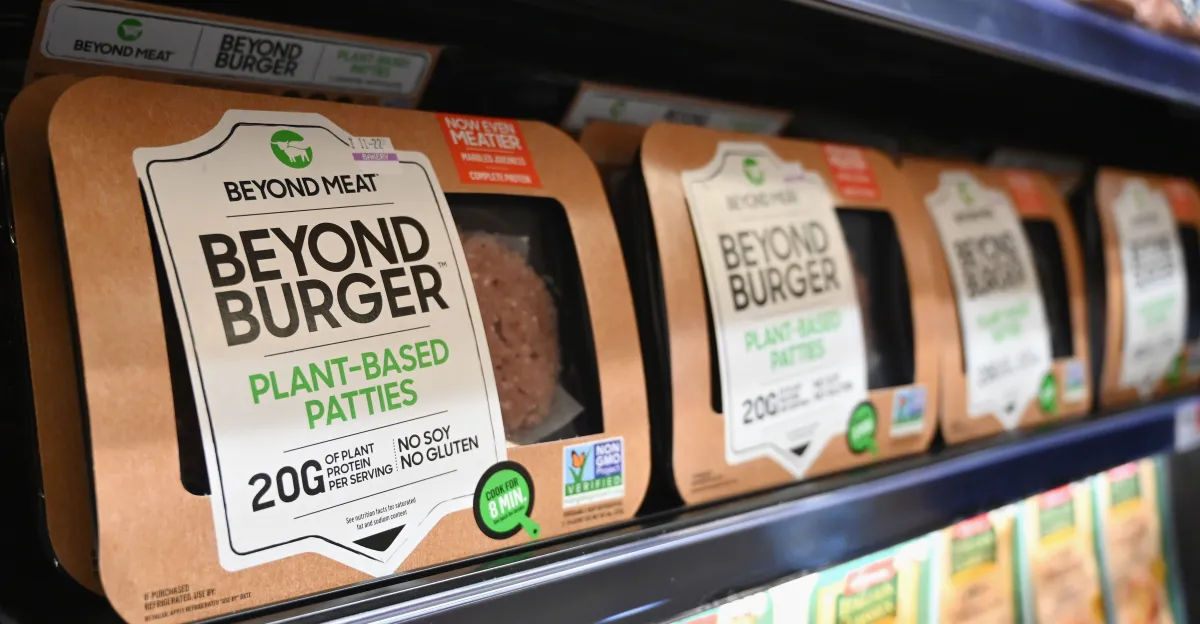
The EU Parliament has approved a measure to ban the use of traditional meat terms like 'burger' and 'sausage' for vegetarian, vegan, and lab-grown products, aiming to protect livestock farmers but raising concerns for the cultured meat industry, which seeks to use these terms for its products in the future.
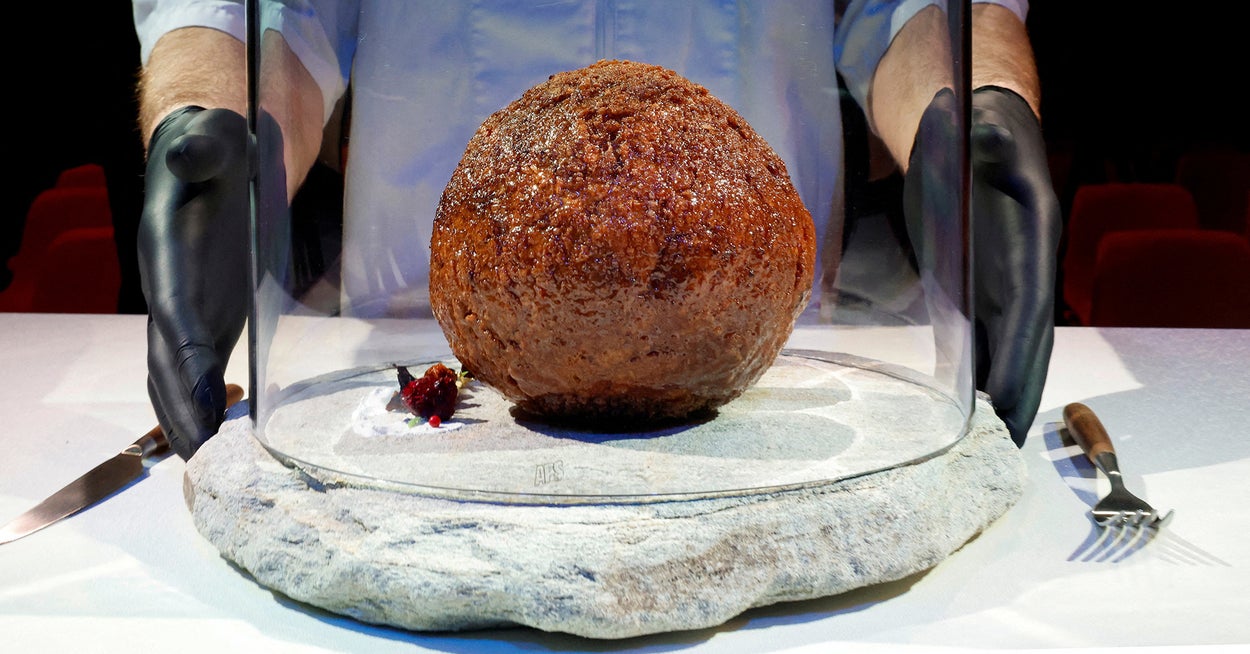
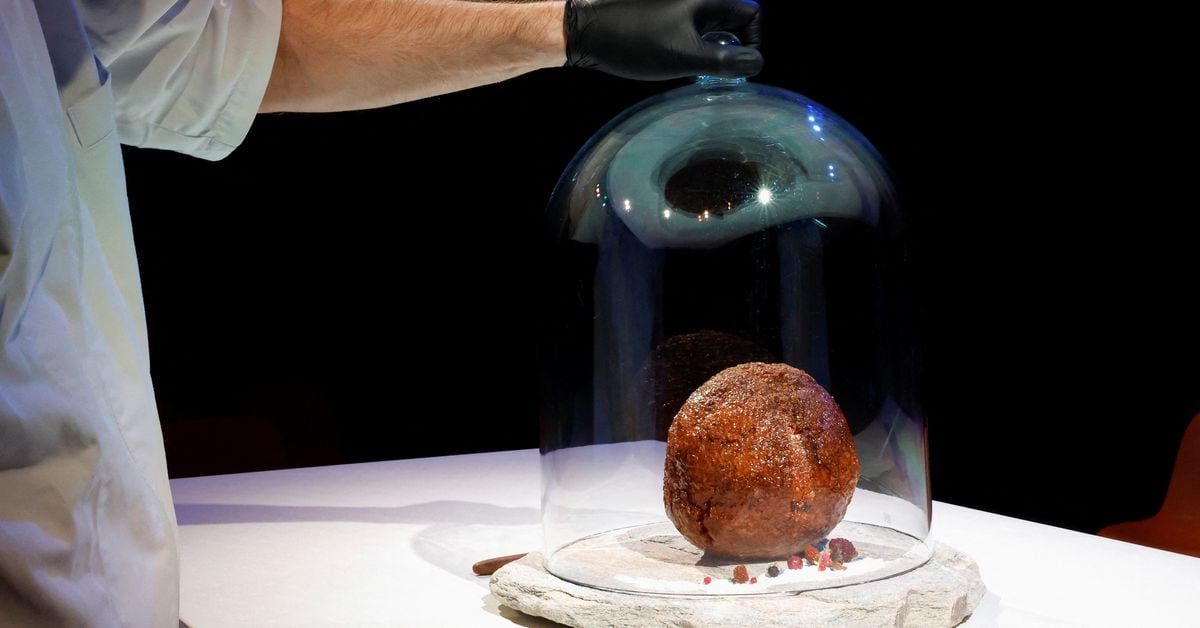
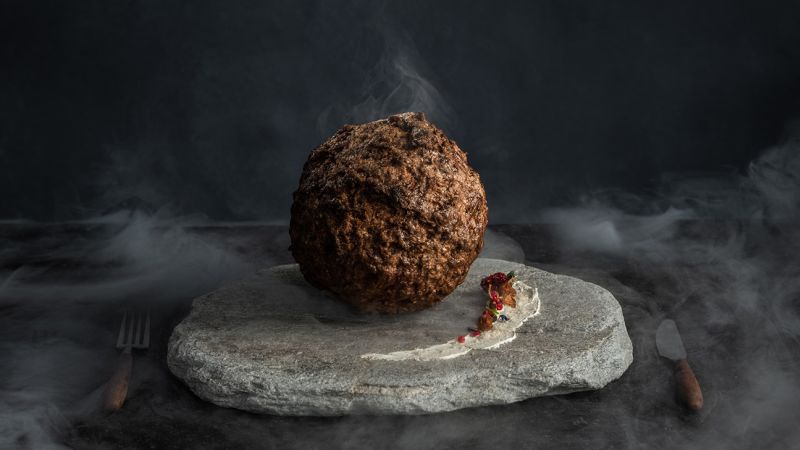
An Australian cultured meat company, Vow, has created an oversize meatball using cultivated flesh in a lab, partly made from the DNA of an extinct woolly mammoth, to educate people on alternatives that are more sustainable than real meat. Meanwhile, a tornado in Mississippi killed at least 26 people, and President Joe Biden toured the ravaged area on March 31. In Nashville, three students and three adults were killed by a shooter at a private Christian school. On a lighter note, the MLB's Opening Day saw the Yankees crush the San Francisco Giants 5-0, with rookie shortstop Anthony Volpe making his major league debut.
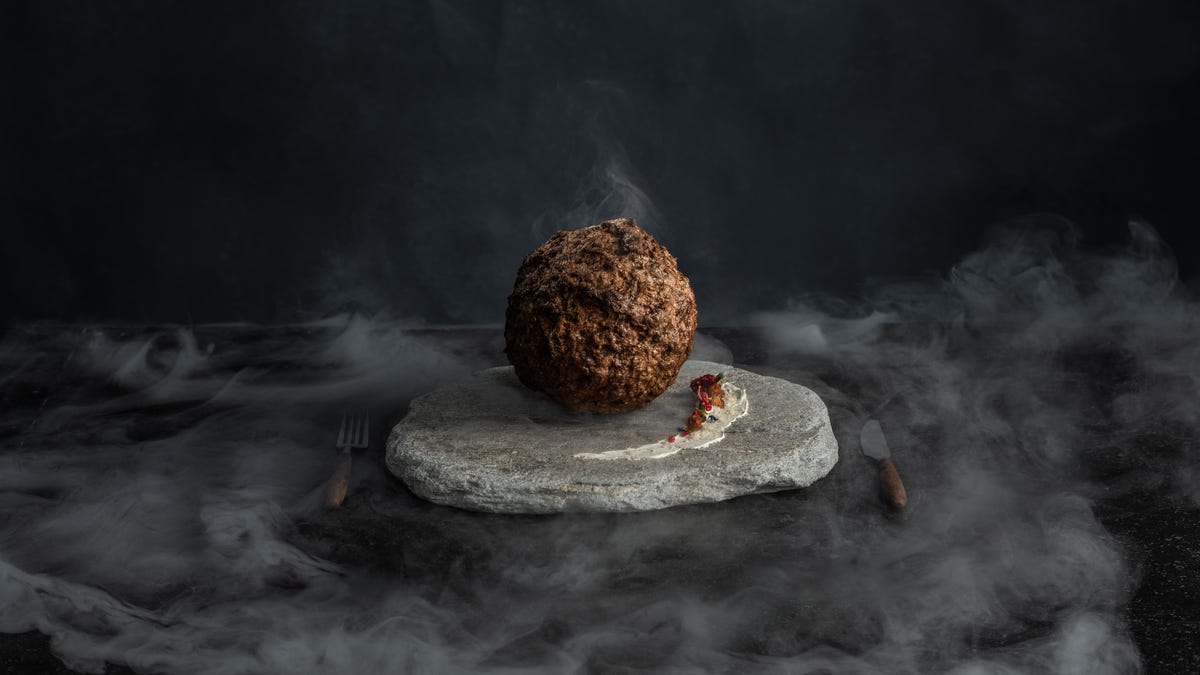
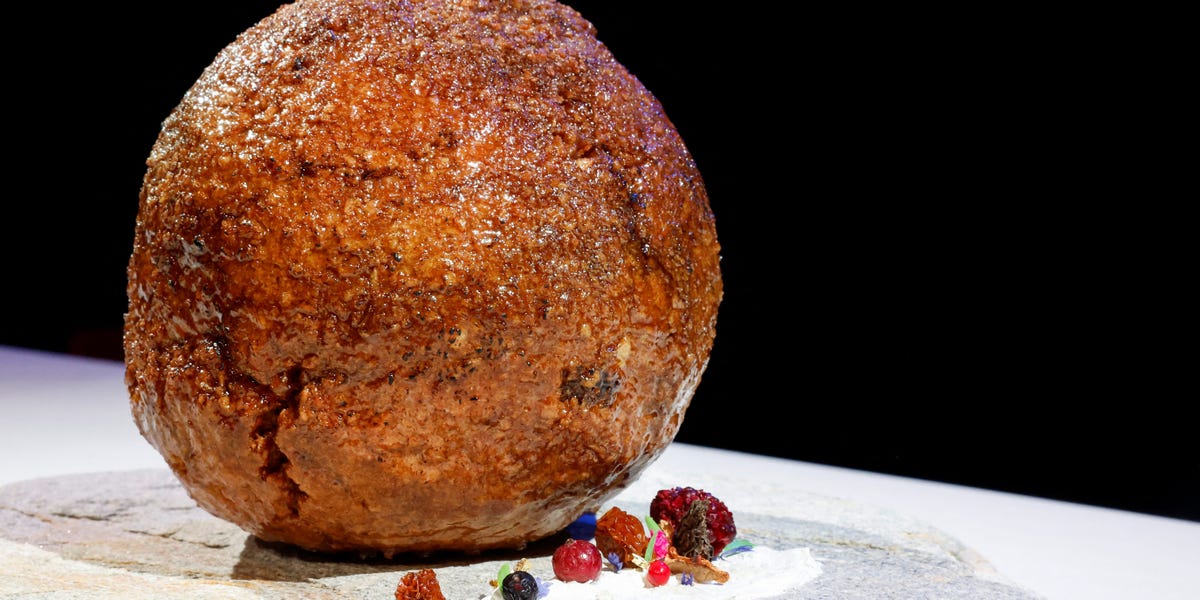
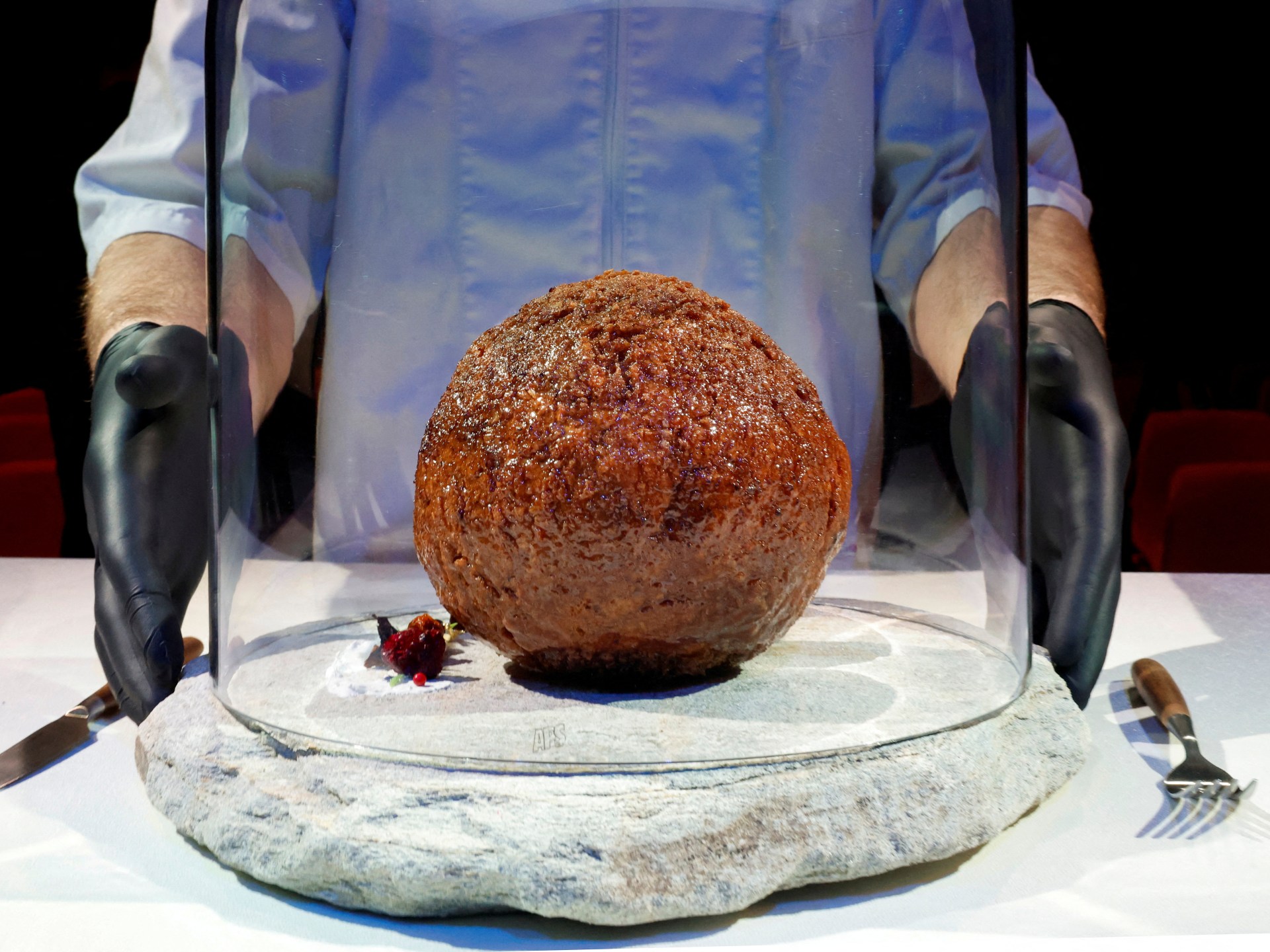
Vow, a cell-based meat company, has created a lab-grown meatball using DNA from the extinct woolly mammoth. The product was unveiled at a science museum in the Netherlands and is made using mammoth myoglobin and the DNA of an African elephant. The meatball is not yet ready for consumption, but Vow hopes to transition meat eaters to "cultured" cell-grown meat that is flavorful and nutritious. The company has used DNA from 50 animal species so far, with energy from renewable sources. Cultured meat products can only be purchased and consumed in Singapore.
Australian cultured meat firm Vow has created a giant meatball made with woolly mammoth DNA and lab-made lamb to raise awareness of meat alternatives. However, no one has tasted it due to concerns around potential allergies to the 5,000-year-old protein. The meatball is intended to challenge the public and the meat industry to think differently about how we produce and consume food, highlighting cultured meat as a viable alternative to traditional animal agriculture.
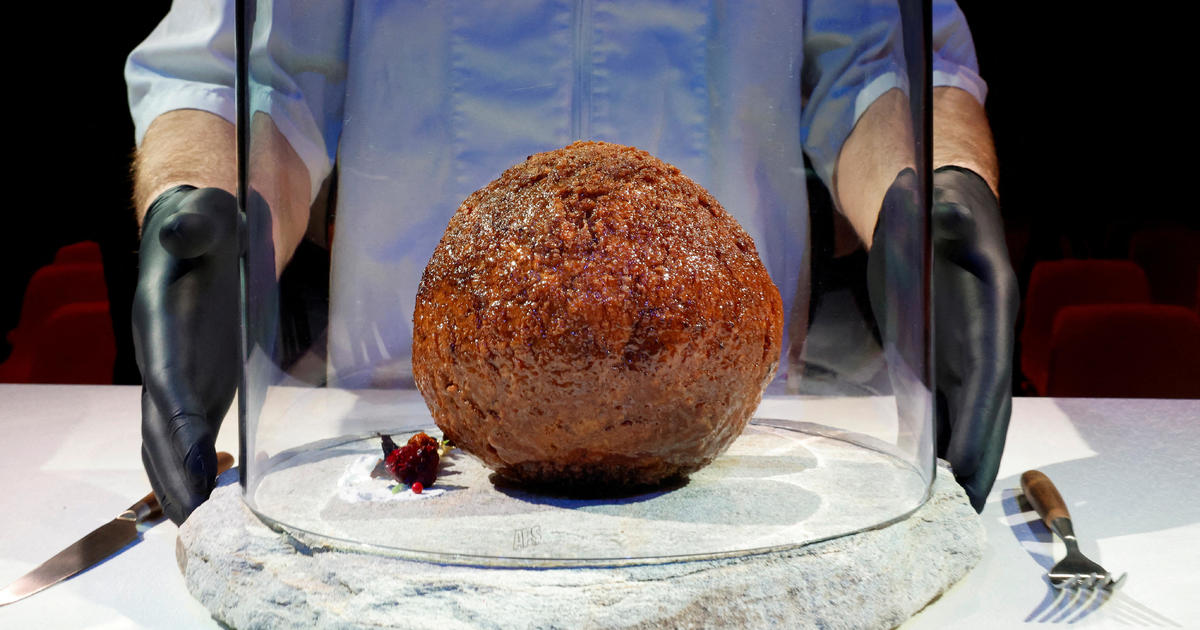
Australian cultured meat company Vow has unveiled a giant meatball made from flesh cultivated using the DNA of an extinct woolly mammoth at a science museum in the Netherlands. The meatball was made of sheep cells inserted with a singular mammoth gene called myoglobin, and African elephant DNA was inserted to complete it. Vow said it wanted to get people talking about cultured meat, calling it a more sustainable alternative to real meat. The meatball is currently not for consumption and will undergo rigorous testing.
Vow, a startup that specializes in lab-grown meat, unveiled a meatball made from mammoth meat at a science museum in the Netherlands. The meatball was created using genetic information from the extinct mammoth and a sheep cell. Vow is not vouching for the safety of mammoth meat, but chose it to get people talking about the possibilities of lab-grown meat. Lab-grown meat is seen as a potential solution to cut back on methane emissions and combat climate change. More than 75 companies around the world are working on developing lab-grown meat products.
Australian cultured meat company Vow has unveiled a giant meatball made from flesh cultivated using the DNA of an extinct woolly mammoth at Nemo Science Museum in the Netherlands. The meatball was made of sheep cells inserted with a singular mammoth gene called myoglobin. Vow hopes to put cultured meat on the map in the European Union, a market where such meat as food is not regulated yet.
Australian startup Vow has created a meatball made with a tiny amount of mammoth DNA, as a publicity stunt to draw attention to the potential of cultured meat to make eating habits more planet-friendly. The meatballs are not intended for human consumption, and are more like lab-made lamb mingled with mammoth DNA. The scientists used a protein present in mammals called myoglobin to identify the DNA sequence for the mammoth version in a publicly available genome database. The team was eventually able to produce about 400 grams of mammoth meat.