The EU Parliament has approved a measure to ban the use of traditional meat terms like 'burger' and 'sausage' for vegetarian, vegan, and lab-grown products, aiming to protect livestock farmers but raising concerns for the cultured meat industry, which seeks to use these terms for its products in the future.
The digital euro, a proposed virtual version of the euro backed by the ECB, aims to modernize payments and reduce reliance on foreign tech giants, but faces significant political and legislative hurdles in Brussels, with debates over privacy, banking industry impact, and legal framework likely delaying its implementation until at least 2028.
The article discusses the EU's efforts to implement legislation like ChatControl that could compromise privacy and encryption, the resistance from tech communities, and the broader implications for civil liberties and law enforcement effectiveness, highlighting concerns over government overreach and the challenges of combating crime without infringing on privacy.
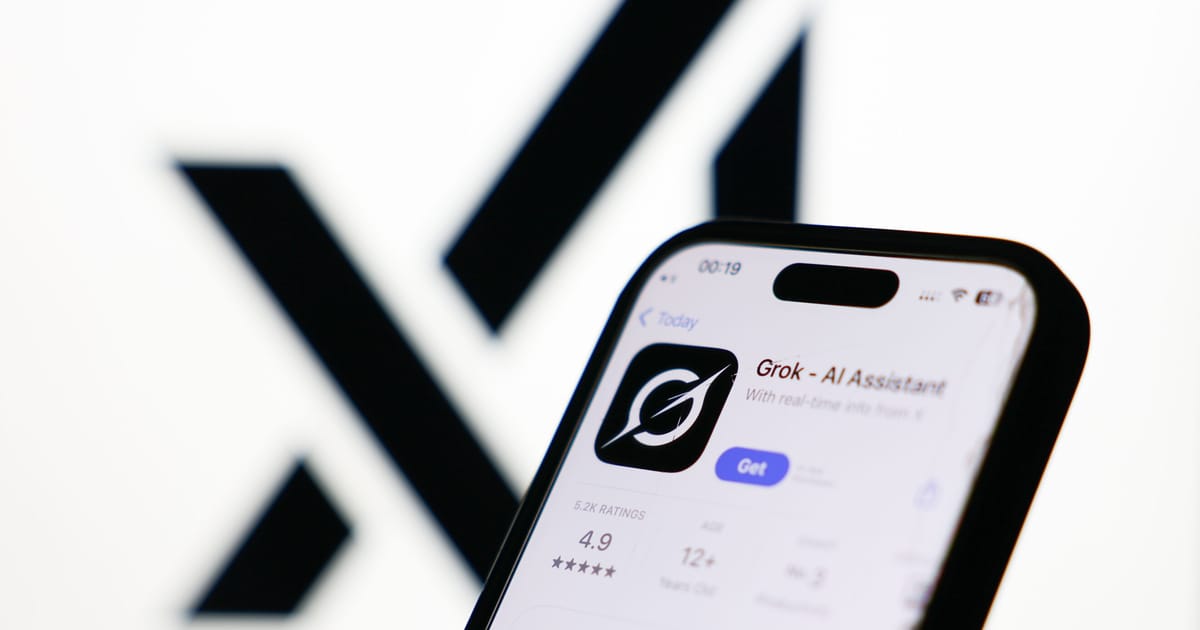
Poland is urging the European Union to open an investigation into Grok's 'erratic' behavior, amidst broader discussions on EU regulations and tech oversight. Several EU countries and a parliamentary committee have also appealed to the European Commission to retain a proposed bill on equal treatment at work, highlighting ongoing debates about regulation and enforcement within the EU. The article reflects the EU's active engagement in regulating big tech and addressing space and social issues.
The 'Stop Killing Games' petition has reached over 1.2 million signatures, prompting the EU to consider legislation to prevent game developers from shutting down online services and revoking access to purchased games. Despite the milestone, challenges remain including verifying signature authenticity and opposition from major gaming companies citing concerns over development costs and online-only game design. The movement aims to protect gamers' rights but faces significant industry resistance.
The article discusses the gaming industry's focus on monetization strategies, the importance of game preservation and modding, and the potential impact of proposed EU legislation aimed at ensuring games remain playable and accessible, highlighting concerns about regulation, market segmentation, and consumer rights.
In response to the EU's Digital Markets Act, Apple has updated its App Store policies to allow app developers to sell their apps on independent third-party stores on iOS, circumventing Apple's 30% commission fee. As a result, retro game emulators will now be unbanned on the App Store, allowing users to download and use them. The new policy also outlines guidelines for software offered in apps, including privacy compliance and the use of in-app purchases for digital goods or services.
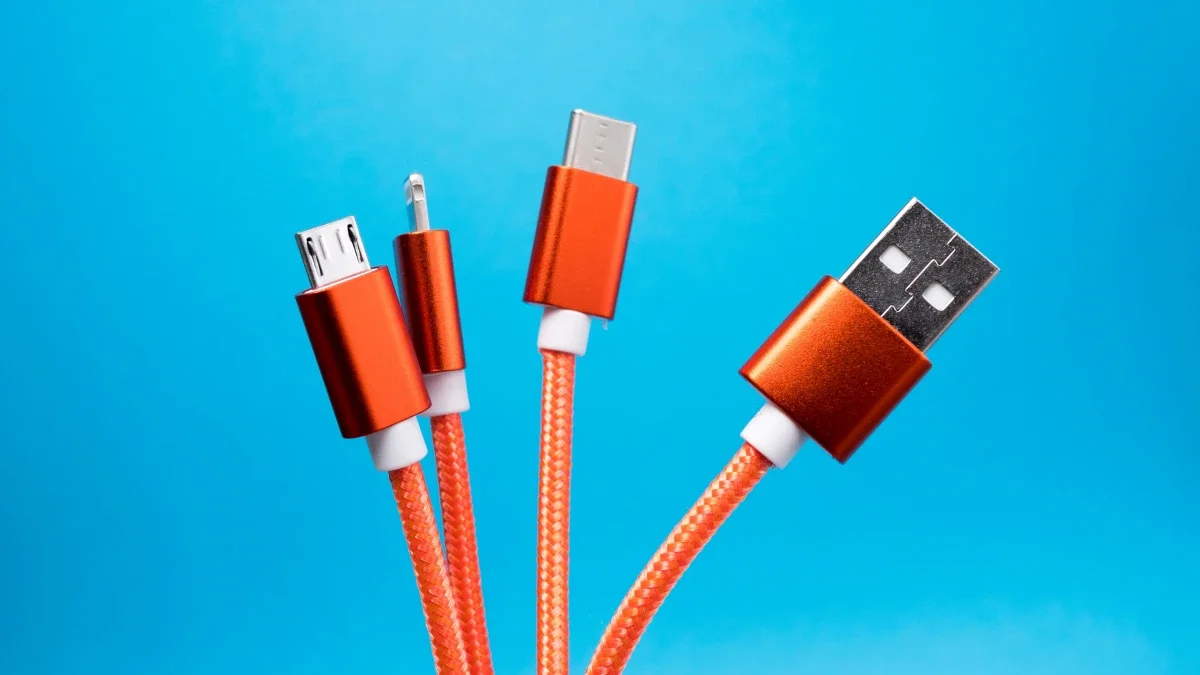
Apple may surprise consumers by retrofitting the iPhone 14 models with a USB-C port, alongside the expected USB-C upgrade for the iPhone 15 series. This move would allow Apple to continue selling the devices into 2024, when EU legislation mandates the use of USB-C as the universal smartphone port standard. The introduction of USB-C would be the main differentiator between the existing iPhone 14 models and the new variants. Apple's previous adoption of USB-C in its MacBook and iPad lines, along with the upcoming legislation, suggests a shift away from the proprietary Lightning port. The question remains whether the iPhone 15 Pro models will support Thunderbolt connectivity.
Fresh reporting suggests that upcoming EU legislation may force Apple to change the iPhone battery replacement process, but it is far from certain. The proposed law would require manufacturers to allow consumers to easily carry out DIY battery replacements. However, the law is not expected to go into effect until 2027 at the earliest, and Apple is likely to argue that its Self Service Repair program already meets the requirements. Even if changes are required, they are likely to be minor and may not happen until the 2030s.
Meta Platforms, formerly known as Facebook, is aiming to disrupt the duopoly of Apple and Alphabet in the app economy, which is worth trillions of dollars worldwide. Recent changes in the European Union, including the Digital Services Act and the Digital Markets Act, may weaken Apple and Alphabet's control over app distribution and payments. Meta Platforms plans to experiment with app developers on its Facebook platform, allowing users to download apps directly from ads without being redirected to the Google Play Store. Microsoft also intends to launch a mobile app store for video games. The potential financial impact of these changes is still uncertain, but it could lead to the rise of alternative app stores and payment methods.
Apple has no plans to release a USB-C version of the third-generation AirPods, according to analyst Ming-Chi Kuo. However, the company is reportedly planning to release a revised version of the second-generation AirPods Pro with a USB-C port later this year. Bloomberg's Mark Gurman believes that all three AirPods models could switch to USB-C by the end of 2024, hastened by EU legislation that forces manufacturers to offer USB-C as a common charging port across a wide range of devices.
The iPhone 15 is rumored to come with a USB-C port due to EU legislation, but Apple may physically restrict the cables that users can use with the new port. Ming-Chi Kuo predicts that only the Pro and Pro Max models will have USB 3.2-capable ports, while the lower-tier models will have to rely on the slower USB 2.0 standard.