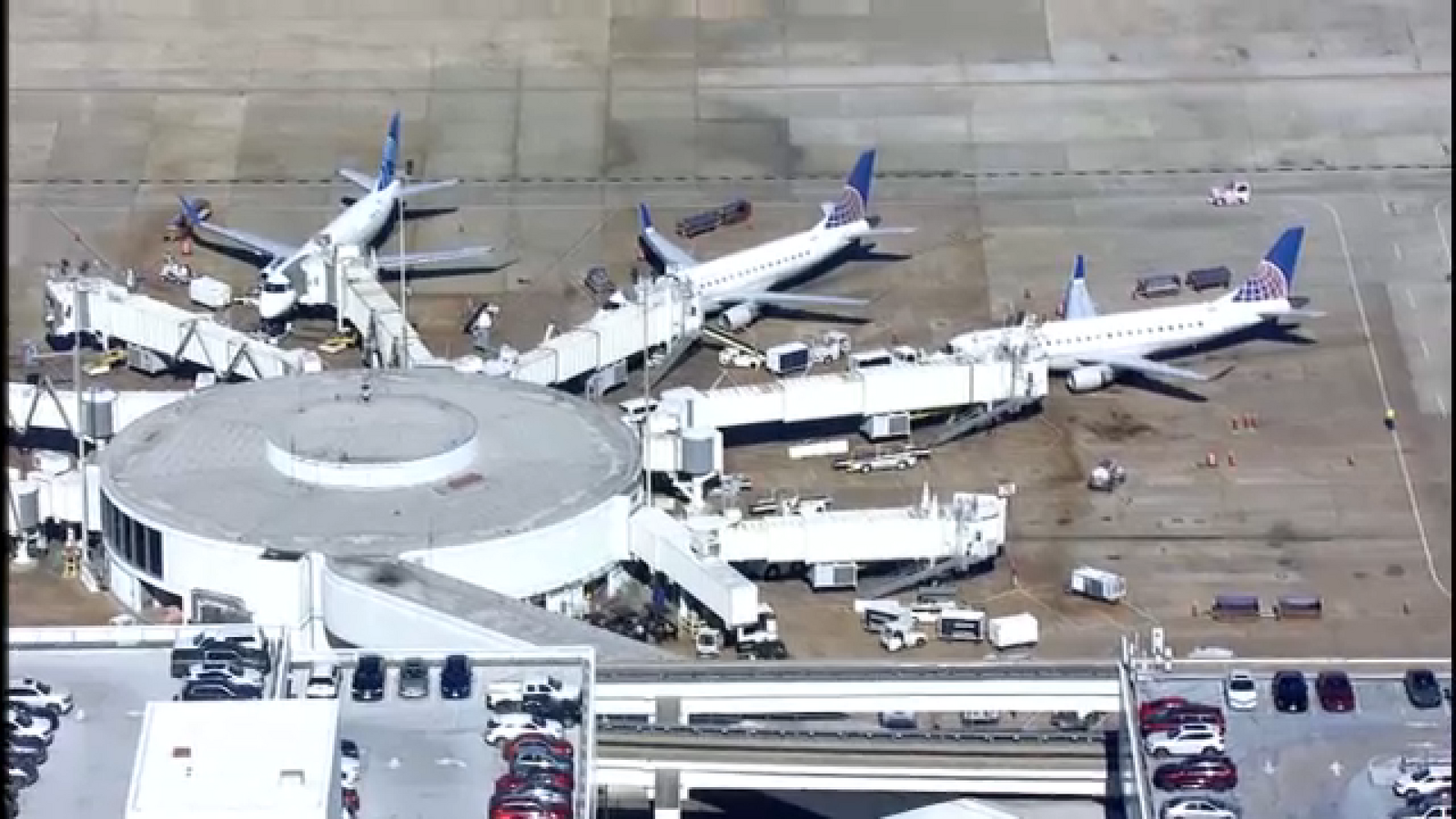
Two jets narrowly avoided a collision during takeoff at Houston's Bush Intercontinental Airport on December 18, 2025, after one flight made an unauthorized turn into the path of another, triggering collision avoidance alarms and evasive maneuvers.
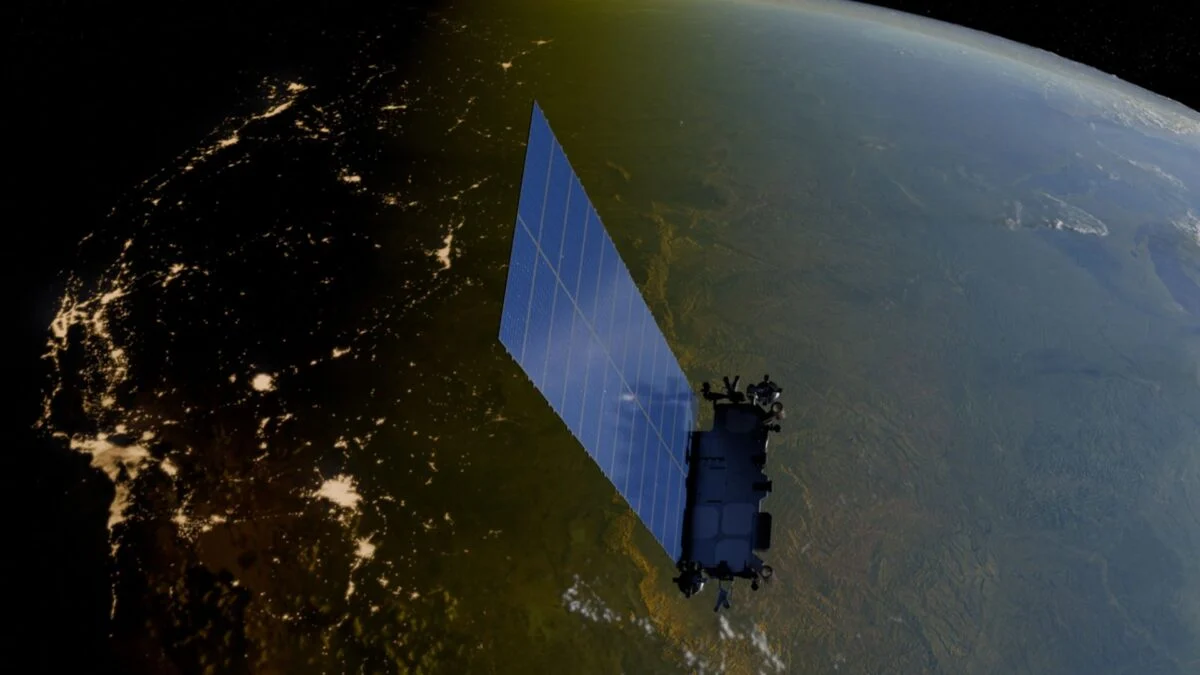
A Chinese Kinetica 1 satellite nearly collided with a Starlink satellite in low-Earth orbit, highlighting the urgent need for better coordination among satellite operators to prevent space collisions as orbit becomes increasingly crowded, raising concerns about the potential for Kessler syndrome.
A new study warns that low Earth orbit is becoming increasingly crowded, with a significant rise in collision-avoidance maneuvers and space debris, raising concerns about the sustainability and safety of satellite operations, especially as the number of satellites is expected to grow substantially by 2030.
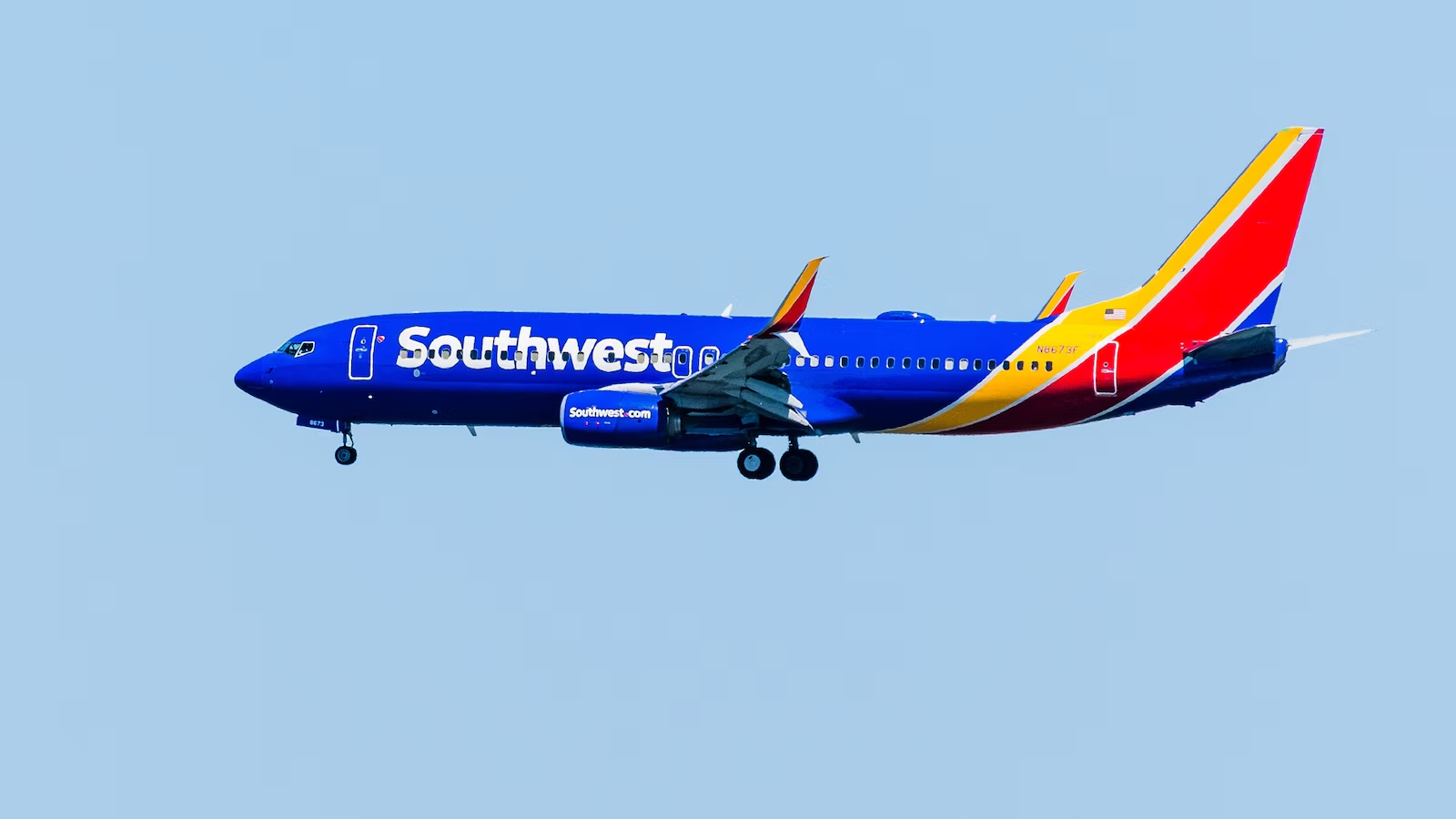
A Southwest flight rapidly descended 475 feet to avoid a midair collision with a Hawker Hunter aircraft shortly after takeoff from Hollywood Burbank Airport, with no injuries reported on the flight, and the incident under investigation by the FAA.
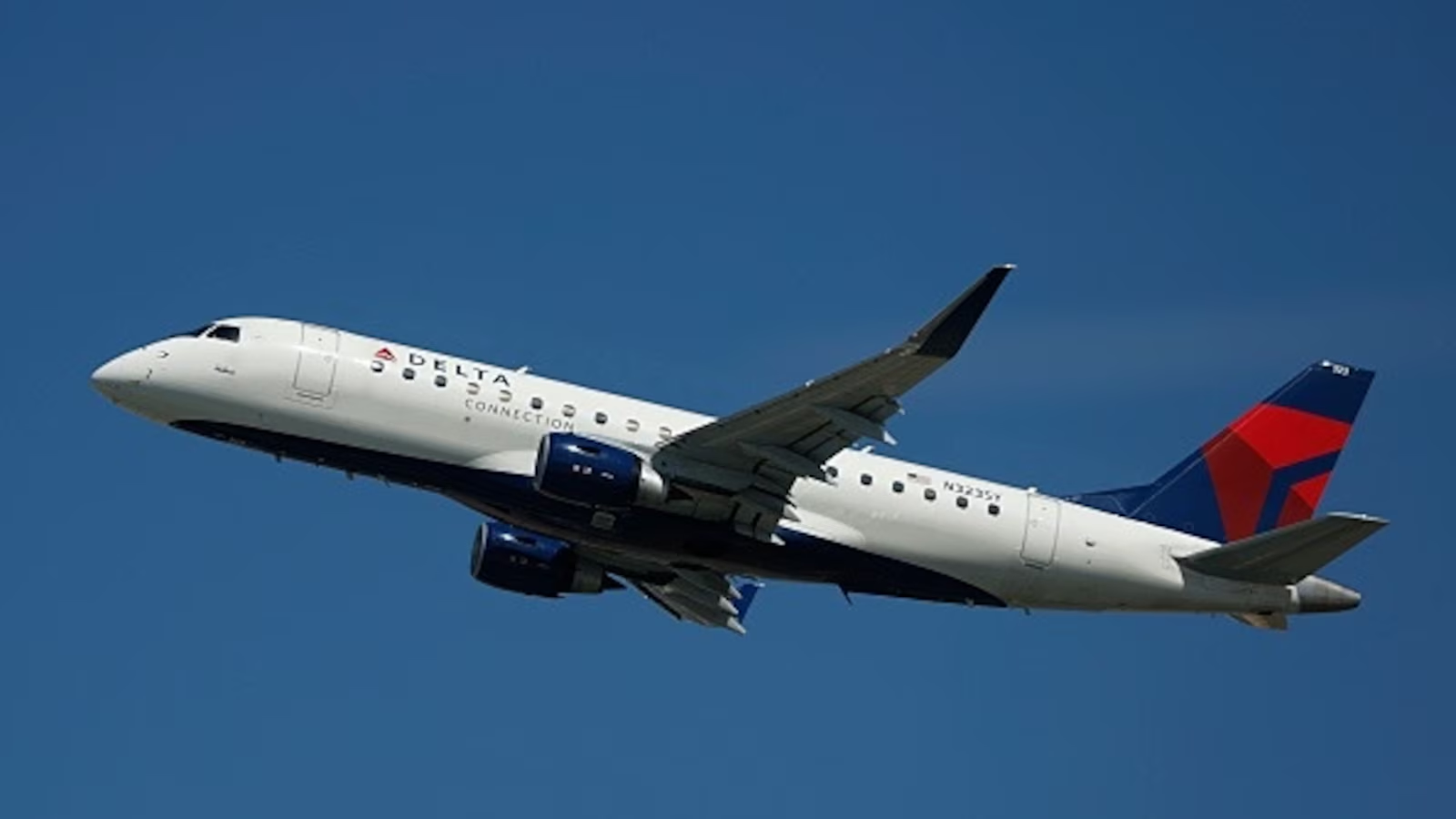
A Delta regional jet made an aggressive maneuver to avoid a mid-air collision with a B-52 bomber near Minot, North Dakota, prompting an investigation; the pilot expressed surprise and apologized to passengers for the sudden move.
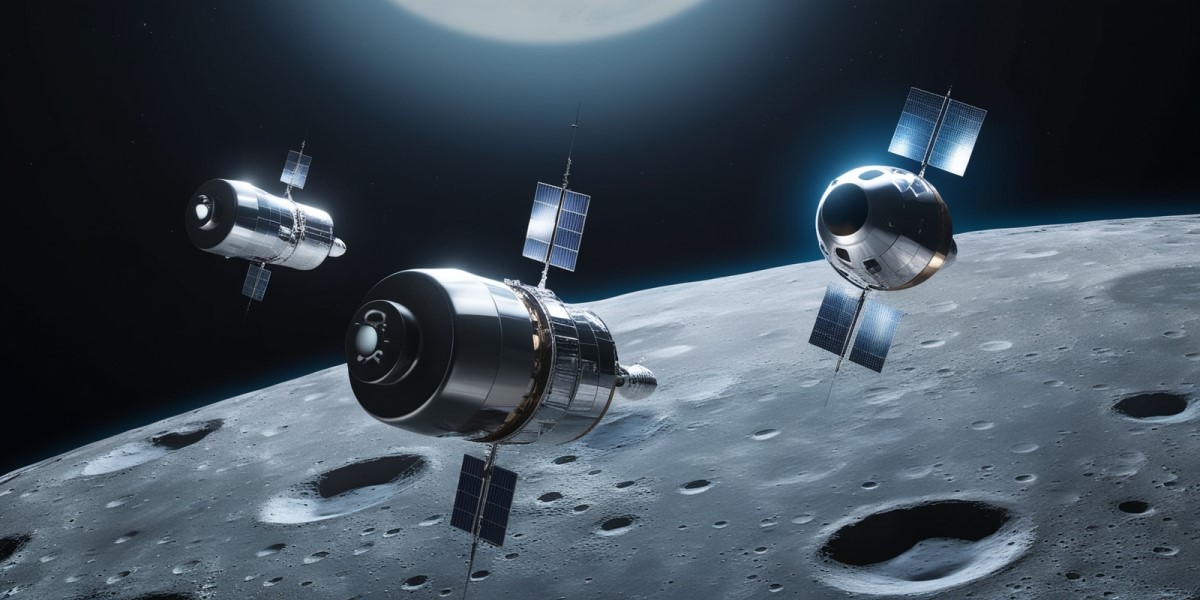
The Indian Space Research Organisation (ISRO) has maneuvered its Chandrayaan-2 moon orbiter twice to avoid potential collisions with Korea's Danuri spacecraft and NASA's Lunar Reconnaissance Orbiter. These maneuvers, conducted on September 19 and October 1, were necessary due to the spacecrafts' polar orbits around the Moon. The lack of formal protocols for such situations requires collaboration between space agencies like ISRO, NASA, and the Korea Aerospace Research Institute (KARI). Collision avoidance maneuvers consume fuel and can disrupt missions, leading to potential disagreements over responsibility.
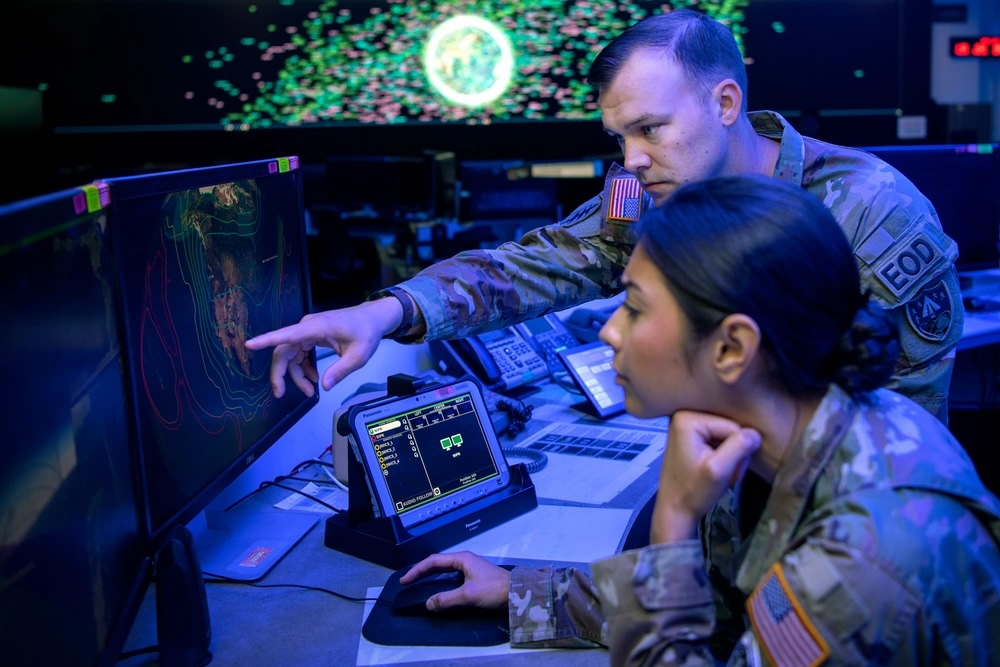
The 18th Space Defense Squadron (SDS) of the Space Force plays a crucial role in monitoring and tracking artificial objects in Earth's orbit to ensure the safety of satellites, astronauts, and space exploration endeavors. Using the U.S. Space Surveillance Network (SSN), the squadron tracks over 45,000 objects in orbit, updating a public catalog of objects in Earth orbit. The 18th SDS works with its sister squadron to predict satellite trajectories and prevent collisions. However, there are still over a million small objects that pose a collision threat but are too small to track. The need for an international space traffic management system has been emphasized to better coordinate and mitigate traffic challenges in space.
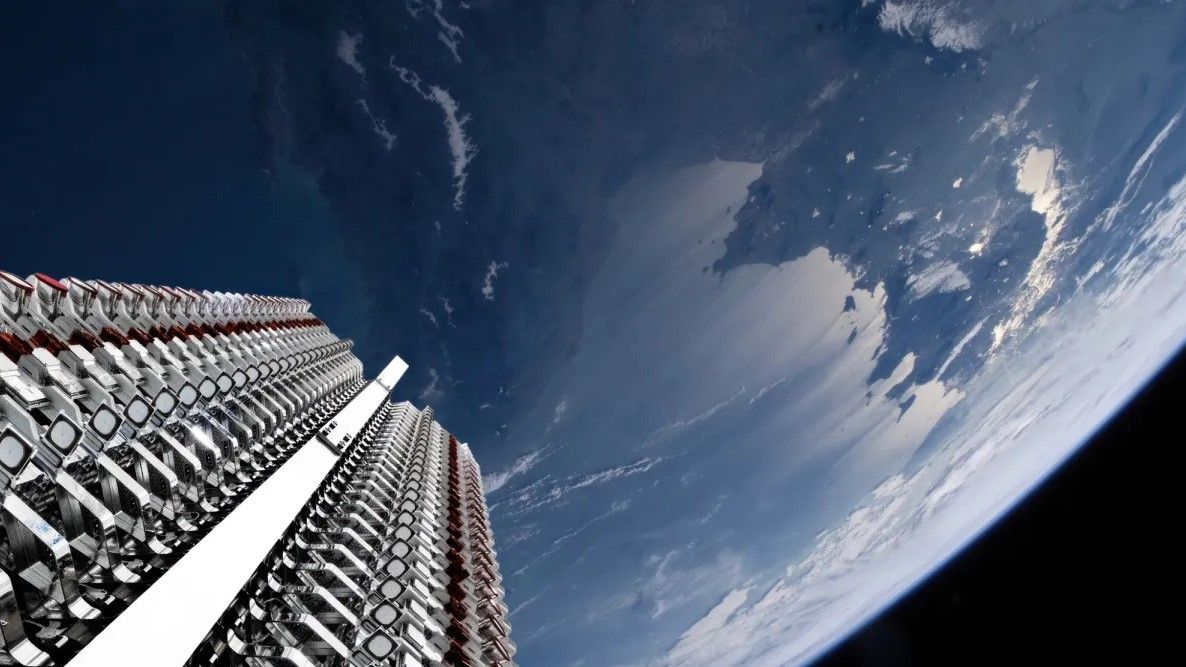
SpaceX's Starlink satellites in low Earth orbit have completed over 25,000 collision avoidance maneuvers between December 2022 and May 2023, with an average of one maneuver every 10 minutes. The number of maneuvers is expected to double every six months, reaching nearly a million in a half-year within five years. With SpaceX's goal of launching 42,000 satellites, the overcrowding in near-Earth orbit poses a significant challenge for satellite operators.
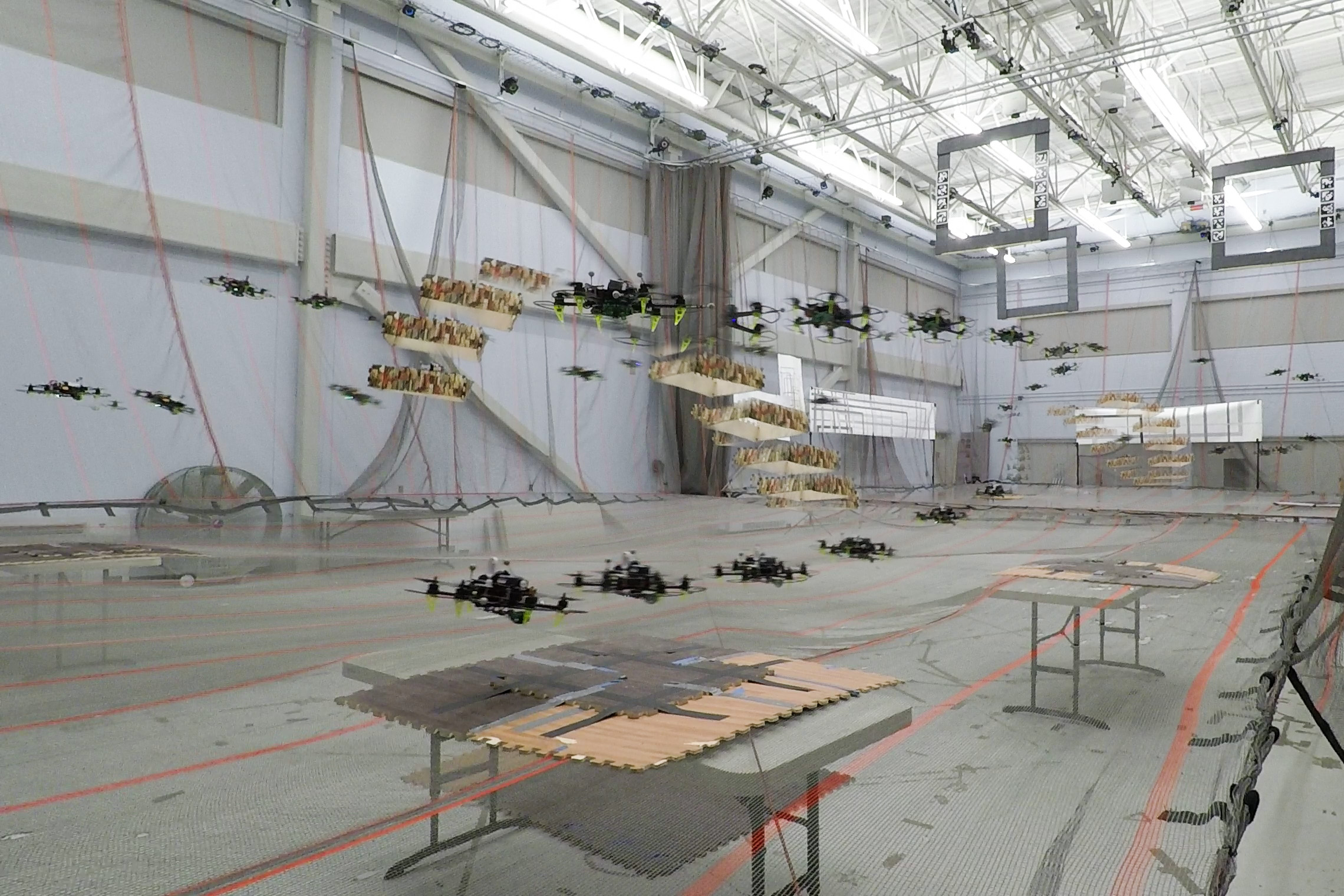
MIT researchers have developed a new algorithm called Robust MADER that generates collision-free trajectories for drones even when communications between agents are delayed. The multiagent trajectory-planner enables a group of drones to formulate optimal, collision-free trajectories. The algorithm incorporates a delay-check step during which a drone waits a specific amount of time before it commits to a new, optimized trajectory. When tested in simulations and flight experiments with real drones, Robust MADER achieved a 100 percent success rate at generating collision-free trajectories.