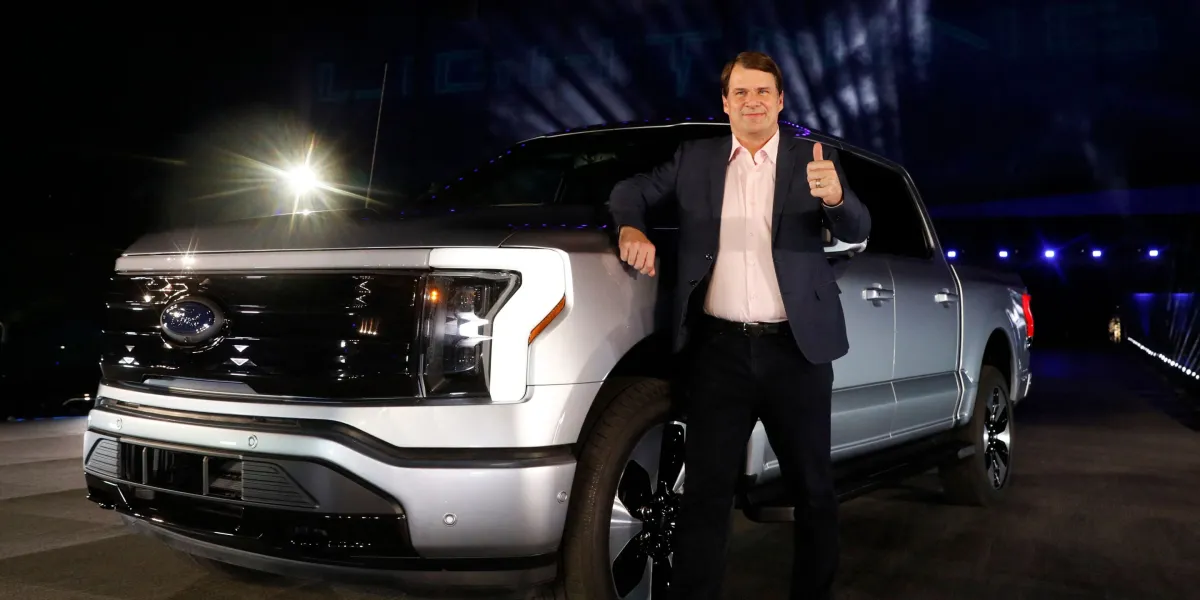
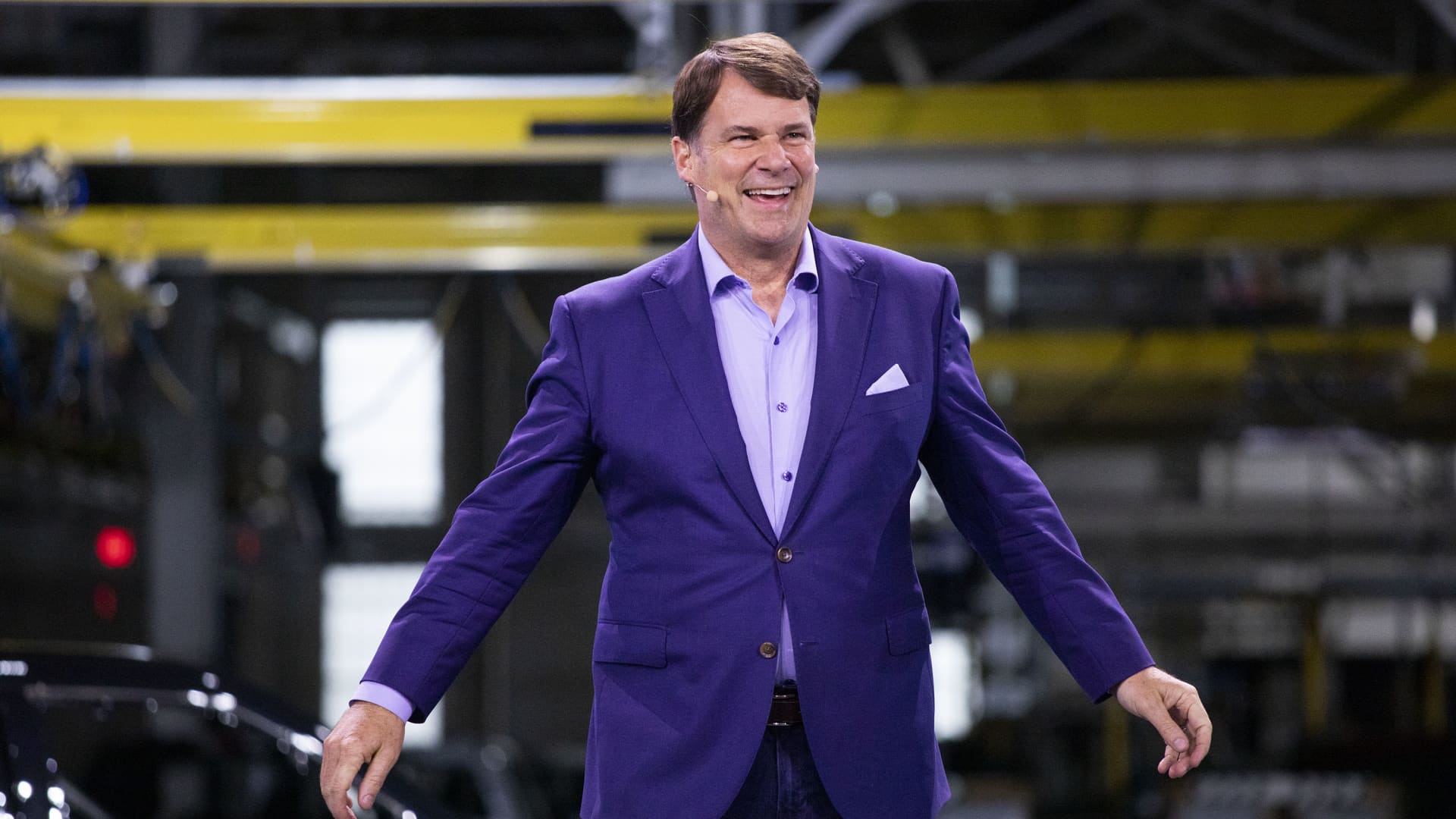
Ford is shifting its strategy from pure electric vehicles to hybrids and extended-range electric vehicles due to changing consumer demand and market conditions, leading to a $19.5 billion charge in 2026 and a significant reduction in EV sales projections.
Ford CEO Jim Farley was shocked by the internal components of Tesla and Chinese EVs, which prompted him to overhaul Ford's EV strategy, including spinning out a dedicated division and shifting focus towards more affordable models to compete globally, especially against China's rapidly advancing EV market.
Ford CEO Jim Farley discusses the impact of Trump's tariffs on the company's costs, the challenges of sourcing American-made parts, and Ford's strategic shift towards smaller, affordable electric vehicles to compete with Chinese EVs, emphasizing the importance of innovation and adaptation for the future of American auto manufacturing.
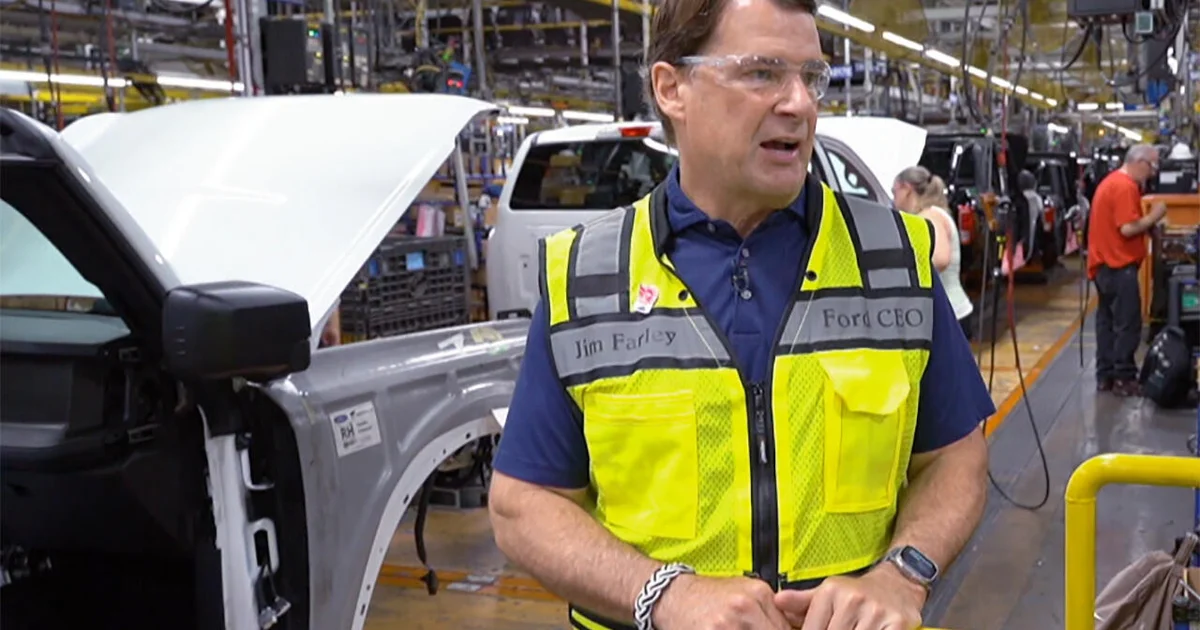
Ford CEO Jim Farley emphasizes the importance of blue-collar jobs and trades, sharing how he ensured his son learned practical skills like welding, amidst concerns over a skills gap and the declining perception of manual work in America. He advocates for increased investment in trade education and highlights the historical significance of well-paid manual labor for the middle class.
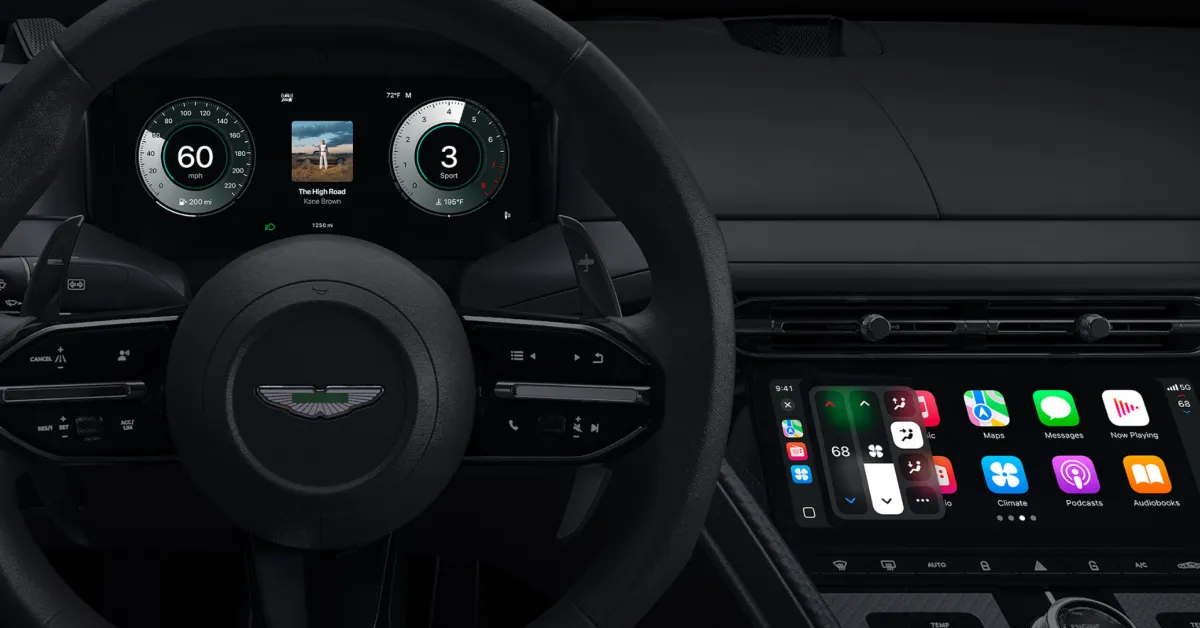
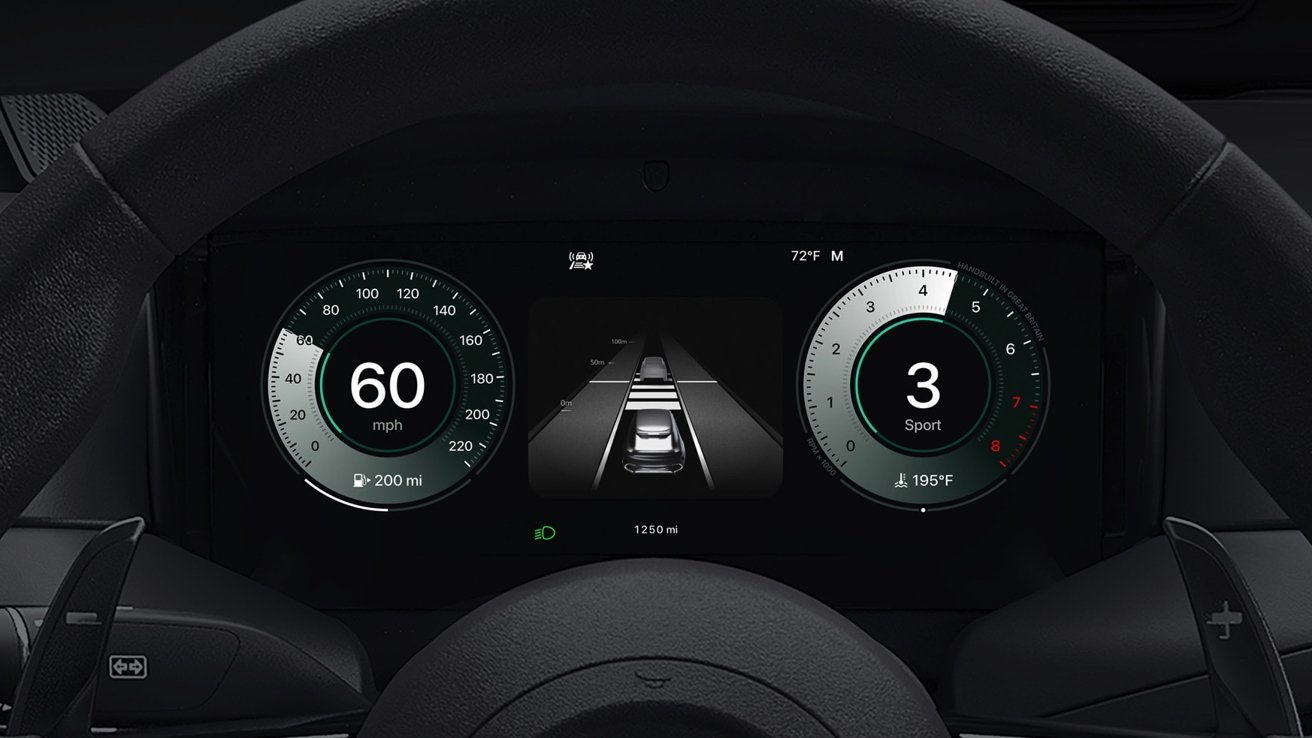
Ford's CEO Jim Farley indicated that support for CarPlay Ultra is not imminent and may depend on Apple's decisions regarding control over vehicle functions, suggesting a cautious approach and ongoing discussions but no immediate plans for support.
Ford CEO Jim Farley is hesitant to adopt Apple's CarPlay Ultra due to concerns over execution and control, favoring Google's platform for its better integration and flexibility, but remains open to future versions if improvements are made.
Jay Leno unexpectedly attended a Toyota Supra meet in his new Ford Mustang GTD, a rare and powerful supercar delivered personally by Ford's CEO, showcasing its impressive speed and design, and adding to Leno's renowned car collection.
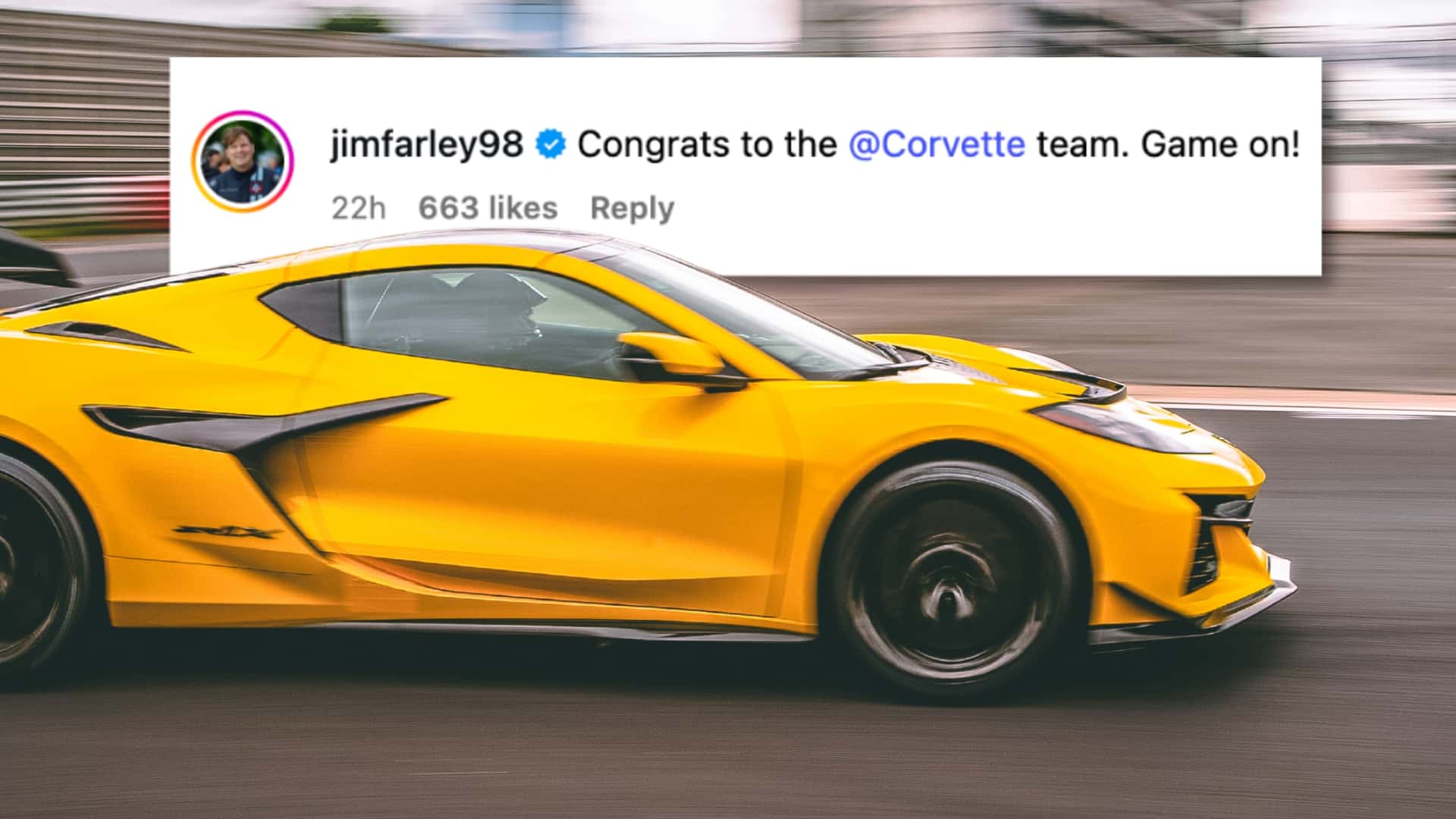
Ford's CEO Jim Farley responded to Chevrolet's Corvette ZR1's Nürburgring record with a competitive 'Game on,' signaling Ford's intention to reclaim the title, though the Mustang GTD currently faces challenges due to weight and power differences.
Ford CEO Jim Farley, inspired by Henry Ford's 1914 wage increase, is addressing the issue of young workers struggling with low wages and multiple jobs by converting temporary workers into full-time employees with better benefits, aiming to attract and retain a stable workforce and boost U.S. manufacturing.
Ford CEO Jim Farley is reviving a strategy from Henry Ford's playbook by increasing wages and improving working conditions to attract young workers, addressing the decline in interest in manufacturing careers and worker grievances, while emphasizing the need for government investment in trade education to support the industry.
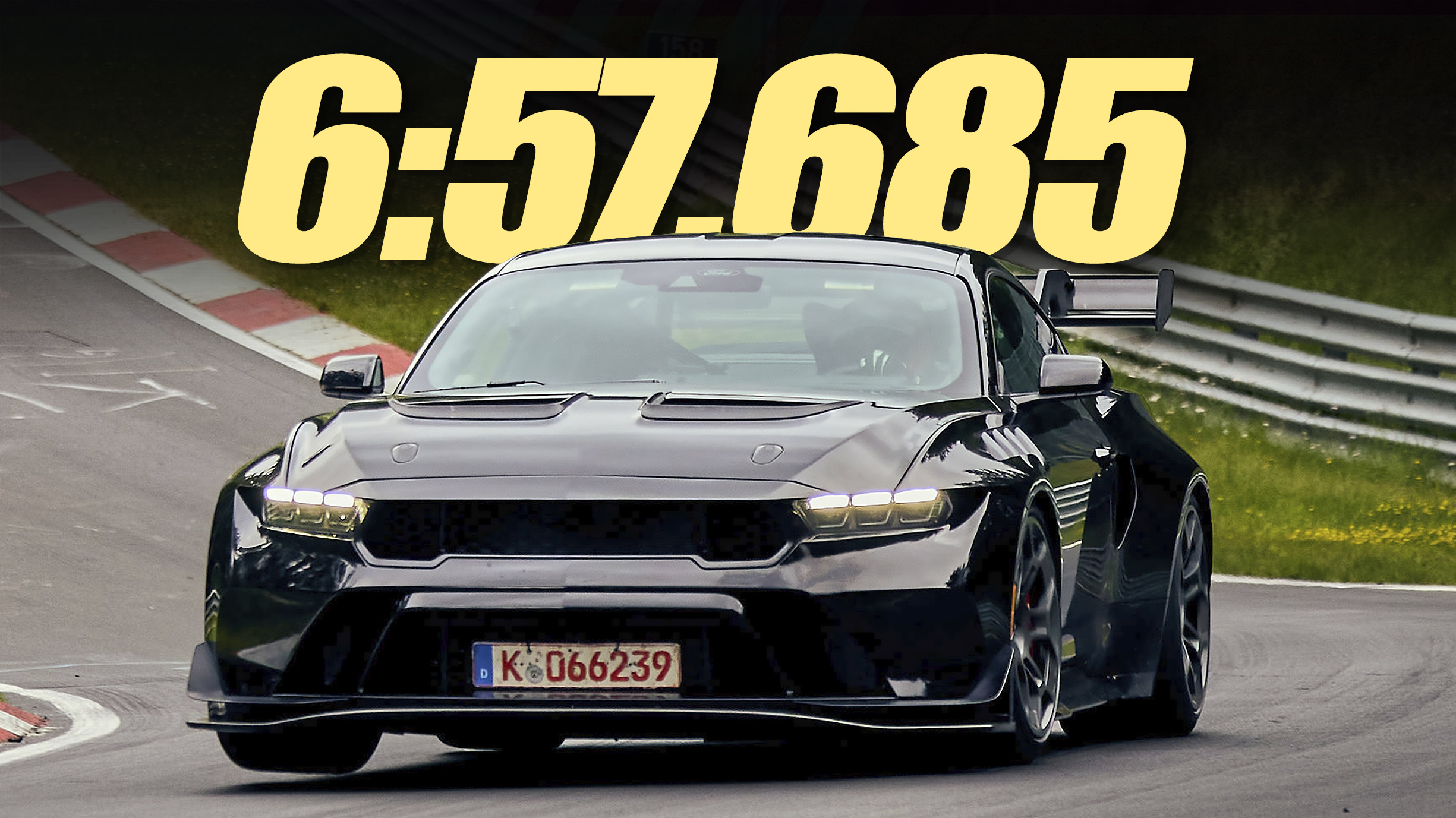
The Ford Mustang GTD has set a new benchmark for American muscle cars by becoming the fastest US production car to lap the Nurburgring with a time of 6:57.685. Despite achieving this sub-7-minute milestone, Ford plans to return for another attempt to improve the time, as the car still trails behind European models like the Porsche 992 GT3 RS and Mercedes-AMG GT Black Series. The Mustang GTD features a powerful 815 hp supercharged V8 engine and advanced aerodynamics, and Ford CEO Jim Farley is confident in its potential for further improvement.
Ford is delaying the production launch of its planned three-row electric SUV from 2025 to 2027 and expects customer deliveries of the all-new electric pickup truck to begin in 2026, citing waning demand for EVs. The automaker, which lost about $4.7 billion on EVs last year, aims for its next generation of EVs to be profitable within 12 months of their launch and plans to spend less on making larger EVs by focusing on "geographies and product segments where we have a dominant advantage, like trucks and vans."
Ford CEO Jim Farley revealed regrets and lessons learned since taking the helm, acknowledging the company's slow response to fixing quality problems and the need for a fundamental reset in engineering, supply chain, and manufacturing. Farley emphasized the importance of dramatically improving launch quality to match Toyota and highlighted the company's progress in overseas operations and the success of the Ranger pickup. He also discussed Ford's challenges in the electric vehicle market, emphasizing the need to address competition from Chinese automakers and the shift towards smaller EV platforms.
Ford CEO Jim Farley urged investors to shift focus from Tesla and its FSD driver-assistance systems to Ford's "Pro" fleet business, which doubled pre-tax earnings last year to $7.2 billion. The Pro unit encompasses traditional fleet and commercial businesses, telematics, logistics, and other connective operations for business customers, with expected pre-tax earnings of $8-9 billion this year. Farley emphasized the undervaluation of Ford Pro, drawing comparisons to Ferrari's undervaluation before being spun out of Fiat Chrysler. He also noted that fleet customers are adopting all-electric vehicles faster than anticipated, positioning the Pro operations as a key part of Ford's restructuring and growth plan.
Ford Motor reported better-than-expected earnings and an optimistic outlook, attributing the success to cost cuts and increased profits from its commercial car business, which are projected to outweigh losses from electric vehicles. Additionally, the company announced a supplemental dividend of 18 cents per share, signaling a positive turn in its performance.