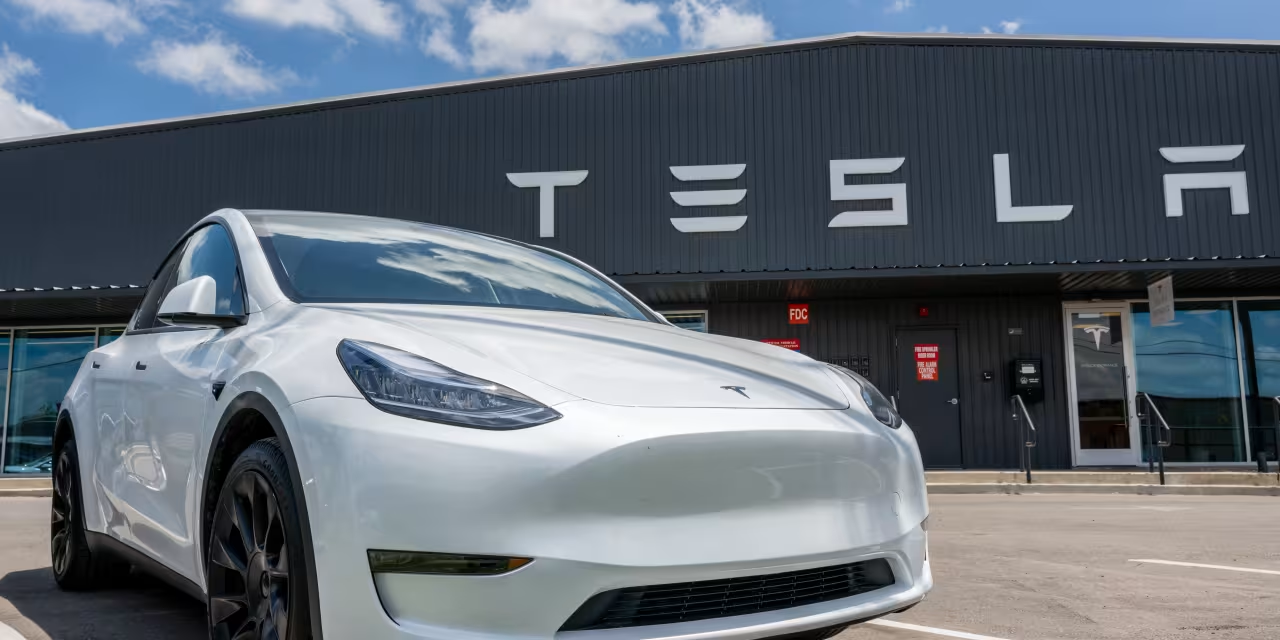
Tesla's Q4 vehicle deliveries fell more than expected due to decreased EV demand following the end of tax incentives, leading to a second consecutive year of declining sales, despite rising investor interest in its robotics and autonomous vehicle projects.
South Korean battery maker L&F has significantly reduced the projected value of its 2023 supply deal with Tesla from $2.9 billion to just $7,386, citing slower EV demand and production challenges with Tesla's 4680 batteries as key reasons, amidst broader industry struggles.
Tesla is approaching its third-quarter earnings with strong delivery numbers and revenue growth driven by last quarter's surge in EV demand, but faces challenges with expiring tax credits and questions about its autonomous and robotics ambitions, including updates on self-driving cars and humanoid robots. Investors are also closely watching Elon Musk's compensation plans and the company's future growth prospects in AI and robotics.
General Motors is taking a $1.6 billion charge due to its reduced investment in EVs following US policy changes that have decreased incentives and relaxed emissions standards, leading to a slowdown in EV adoption and a strategic realignment of its EV portfolio.
General Motors plans to take a $1.6 billion charge in Q3 due to reduced EV demand following the removal of federal tax incentives and policy changes, leading to adjustments in their EV strategy and capacity. The company expects EV adoption to slow and faces additional challenges from trade tariffs, impacting its financial outlook.
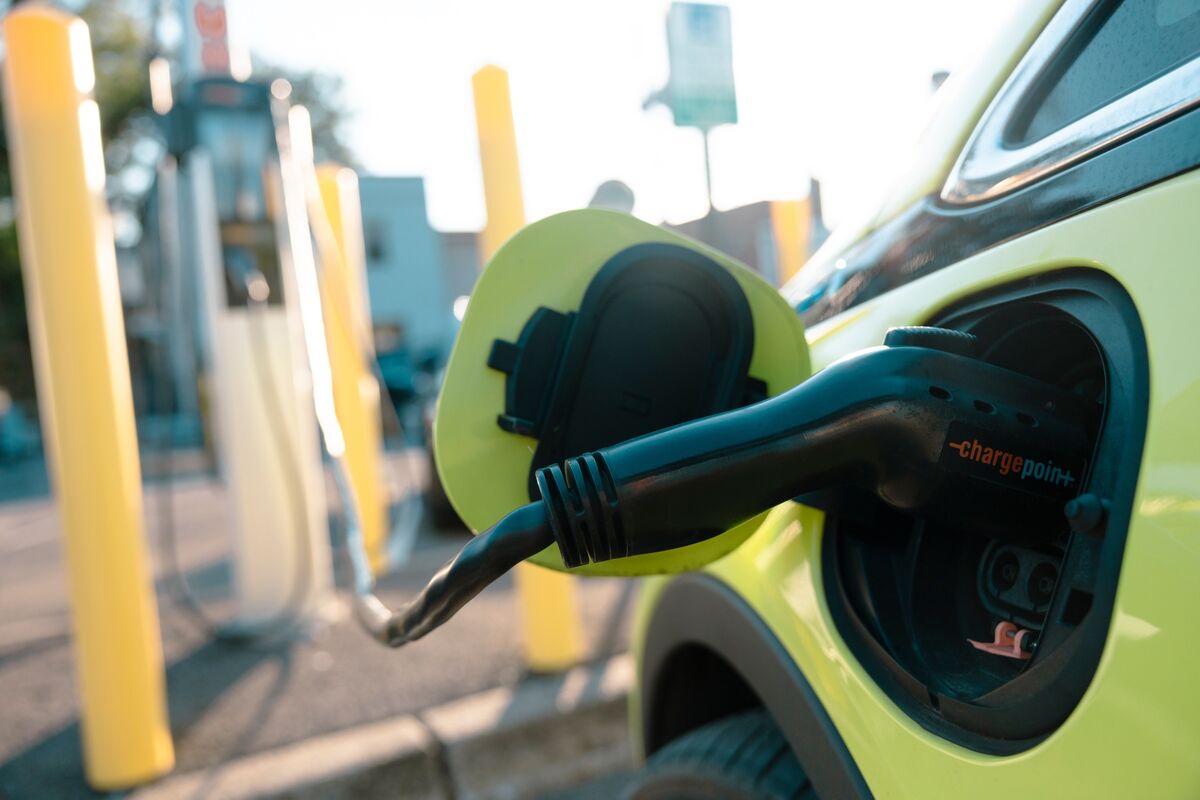
The U.S. EV market is expected to experience a decline in demand following the expiration of federal incentives, which have historically boosted sales. Automakers are adjusting to this new reality, with some reducing production or workforce, while others focus on launching affordable new models. Despite short-term challenges, industry leaders remain optimistic about long-term growth driven by new, lower-cost EVs.
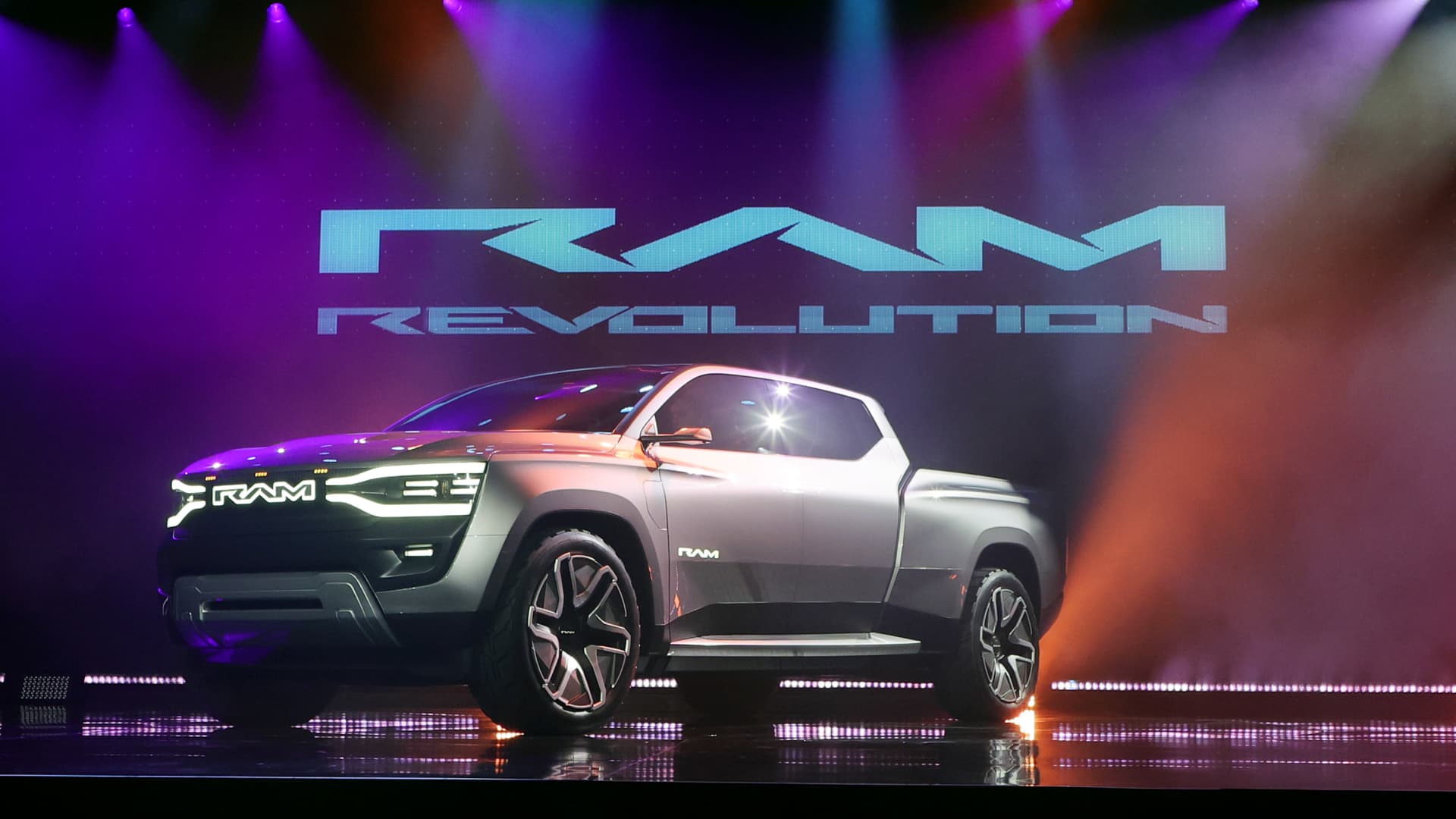
Stellantis' Ram brand is canceling plans for a full-size electric Ram 1500 pickup truck due to declining demand for EVs in North America, but will still launch an extended-range electric truck called the Ram 1500 REV next year, as part of a broader strategic shift under new leadership.
The IRS has extended the deadline for electric vehicle buyers to claim the $7,500 federal tax credit, allowing those with binding contracts and deposits before September 30, 2025, to still qualify even if the vehicle is delivered afterward, easing the previous strict cutoff and potentially impacting EV demand and automaker inventory management.
Elon Musk claims Europe's weak car market is the sole reason for Tesla's struggles there, but despite record EV sales across Europe, Tesla's demand has plummeted by nearly 50% in April, losing significant market share to competitors like Volkswagen and BYD, indicating a decline in Tesla's popularity and 'Tesla shame' among European consumers.
Ford is delaying the production launch of its planned three-row electric SUV from 2025 to 2027 and expects customer deliveries of the all-new electric pickup truck to begin in 2026, citing waning demand for EVs. The automaker, which lost about $4.7 billion on EVs last year, aims for its next generation of EVs to be profitable within 12 months of their launch and plans to spend less on making larger EVs by focusing on "geographies and product segments where we have a dominant advantage, like trucks and vans."
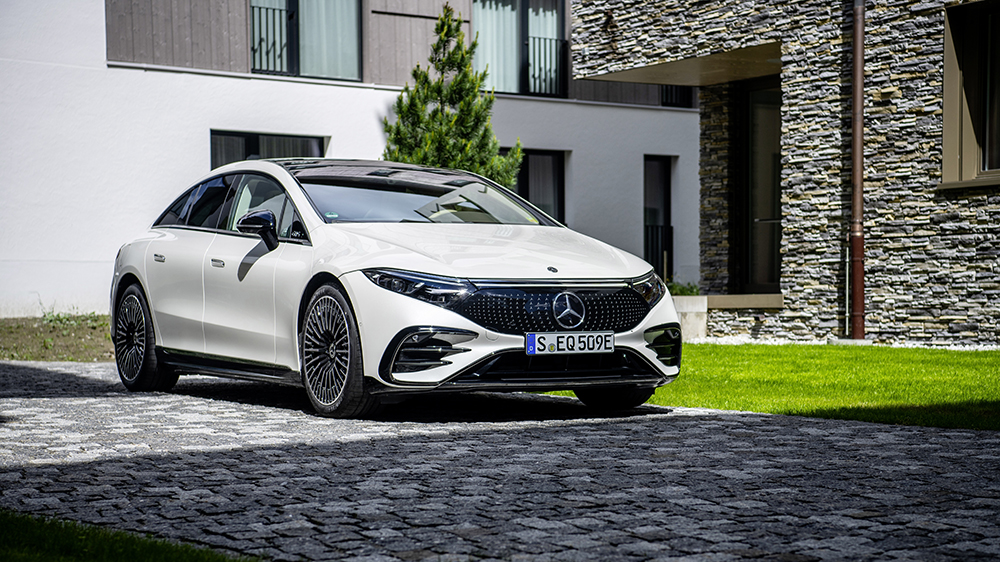
Mercedes-Benz has revised its electric vehicle (EV) sales expectations, now anticipating that EVs will make up only around half of its total sales by 2030, a significant step back from its previous goal of going all-electric by that year. The company also announced plans to continue updating its combustion engine lineup well into the next decade, reflecting a broader slowdown in global EV demand that is impacting the automotive industry, leading to layoffs, production cuts, and altered strategic plans. Despite this, Mercedes-Benz's shares rose following the announcement, supported by a $3.3 billion share buyback program.
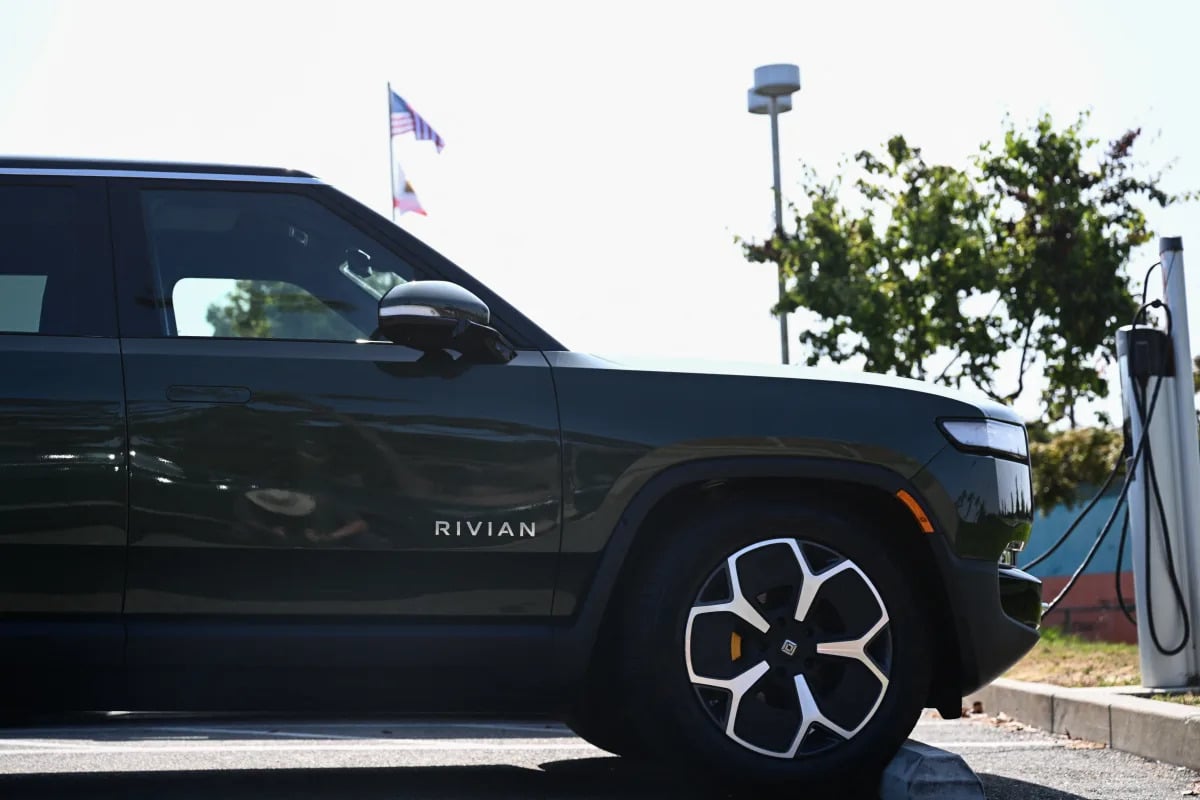
Rivian's stock plummeted as the company announced a lower-than-expected production outlook for 2024 and revealed plans to cut 10% of its salaried staff due to economic uncertainty. The electric vehicle maker reported mixed fourth quarter results, with revenue slightly exceeding estimates but with a wider-than-expected adjusted loss per share. Rivian's CEO emphasized the company's focus on driving cost efficiency, achieving positive margins, and building its go-to-market function to support long-term growth. The company's profitability plans are crucial for its survival, as it aims to reach "modest gross profit" by the end of 2024.
Rivian, once seen as a credible competitor to Tesla, faces a crucial test as EV demand slows and investors question its ability to weather the storm as an unprofitable, cash-burning startup. With declining revenue estimates and stock prices, the company needs to demonstrate its capacity to produce cars at scale and control costs, especially as it faces industry-wide weakness and the need to scale up production to achieve profitability. The pressure to lower prices to compete with rivals like Tesla further complicates the path to gross margin profitability.
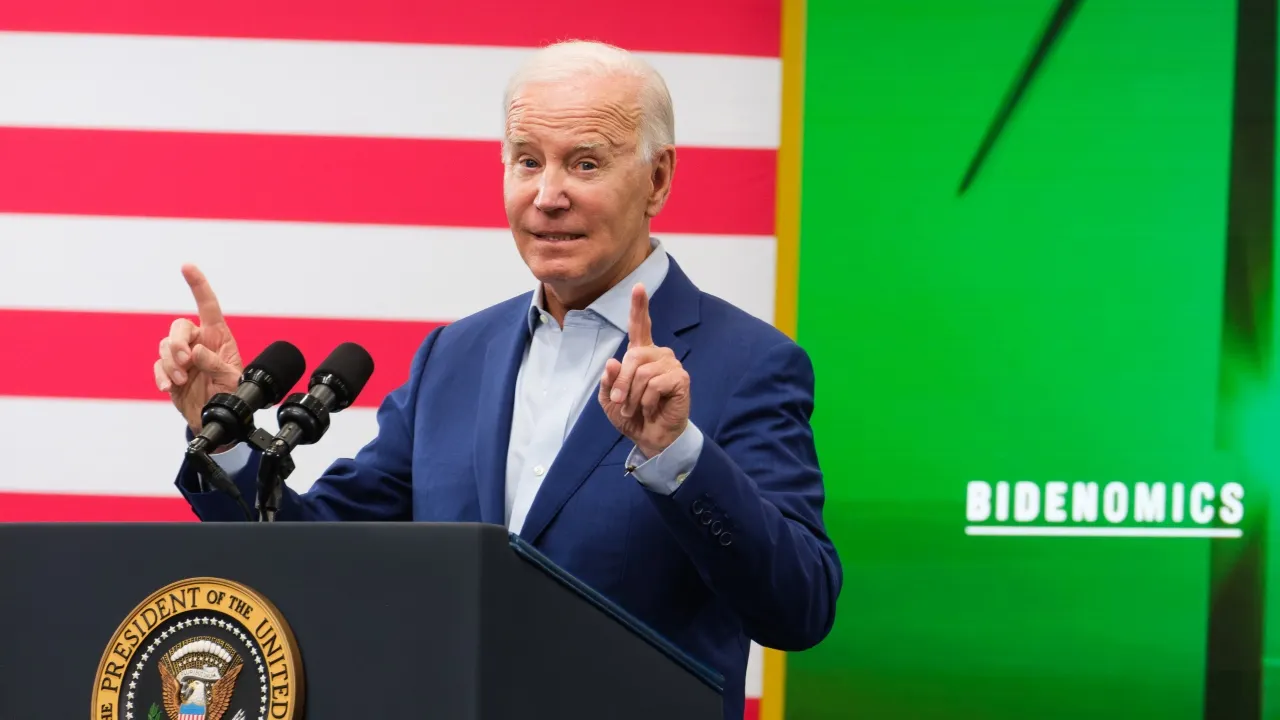
The Biden administration is considering delaying a requirement for automakers to rapidly increase electric vehicle (EV) sales due to weak consumer demand, with a proposal to push the target to after 2030. This move is in response to concerns from both environmentalists and unionized auto workers. Leading U.S. automakers Ford and GM have faced challenges with EV profitability, with the average cost of an EV being significantly higher than traditional vehicles. Both CEOs have expressed openness to partnerships to improve EV affordability and competitiveness, particularly in light of increasing competition from Chinese automakers.
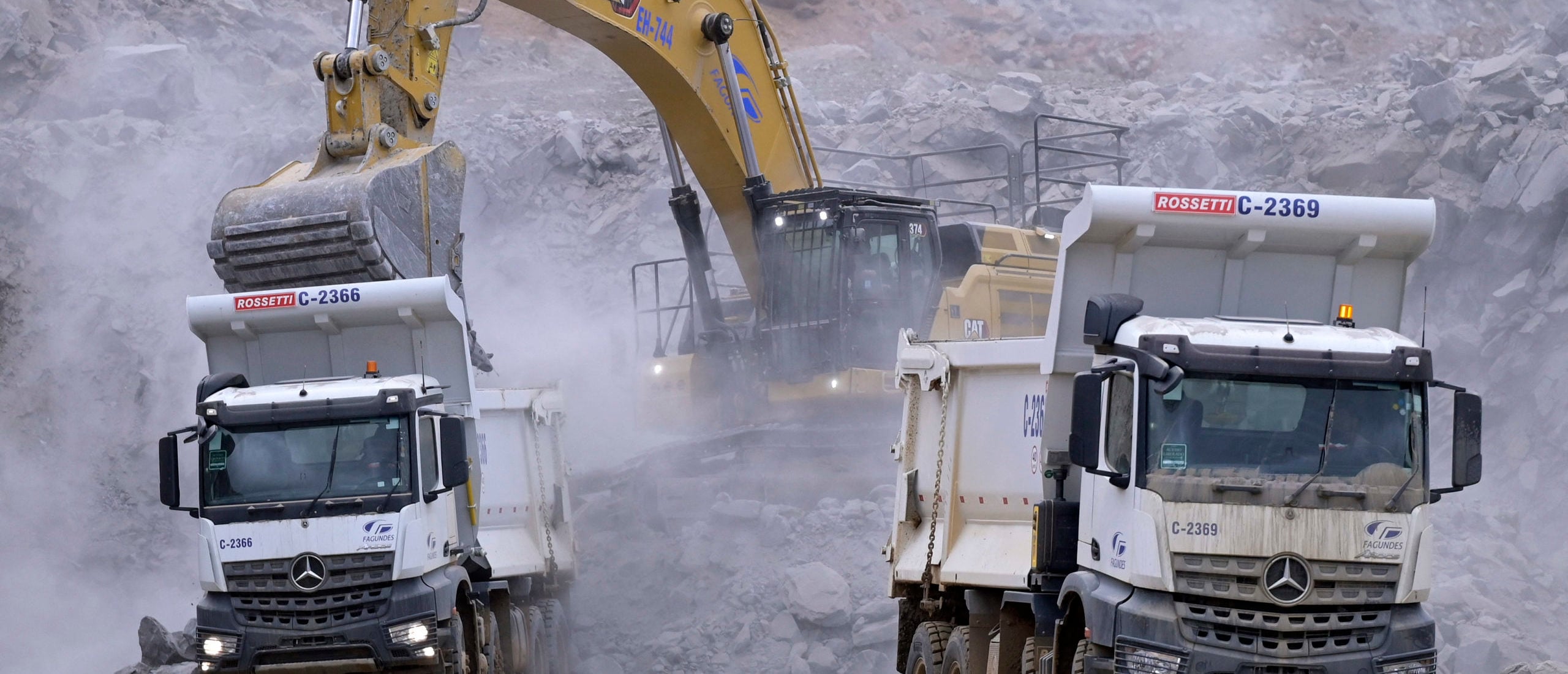
The slowdown in electric vehicle (EV) demand has caused a surplus of rare earth minerals, leading to mines shutting down worldwide. Producers had ramped up mining operations to meet the expected demand, but consumers have not adopted EVs at the anticipated rate, causing mineral prices to plummet. This has particularly impacted the Australian mining industry, with the government designating nickel as a critical mineral to support struggling companies. The U.S. is seeking to subsidize projects outside of China to secure access to rare earth minerals, with the Biden administration including provisions in EV tax credits to ensure a percentage of minerals are not from concerning foreign entities like China.