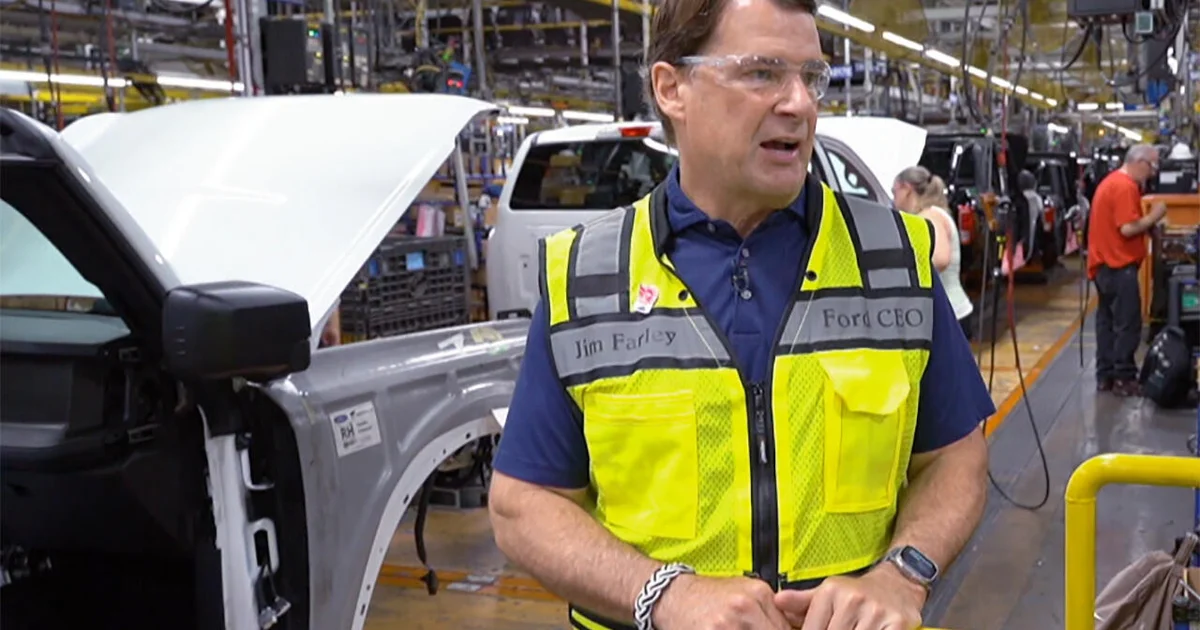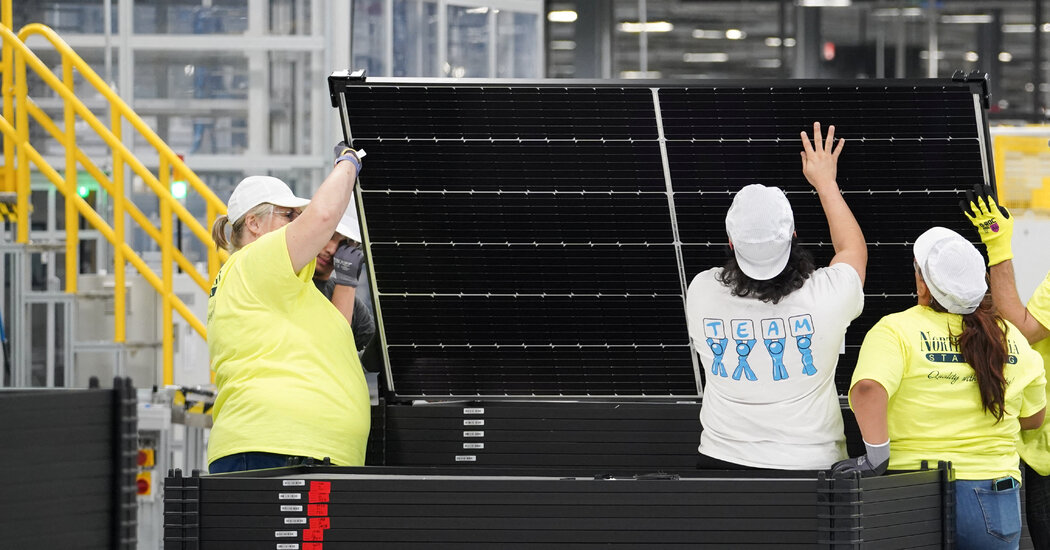
Ford CEO Jim Farley discusses the impact of Trump's tariffs on the company's costs, the challenges of sourcing American-made parts, and Ford's strategic shift towards smaller, affordable electric vehicles to compete with Chinese EVs, emphasizing the importance of innovation and adaptation for the future of American auto manufacturing.
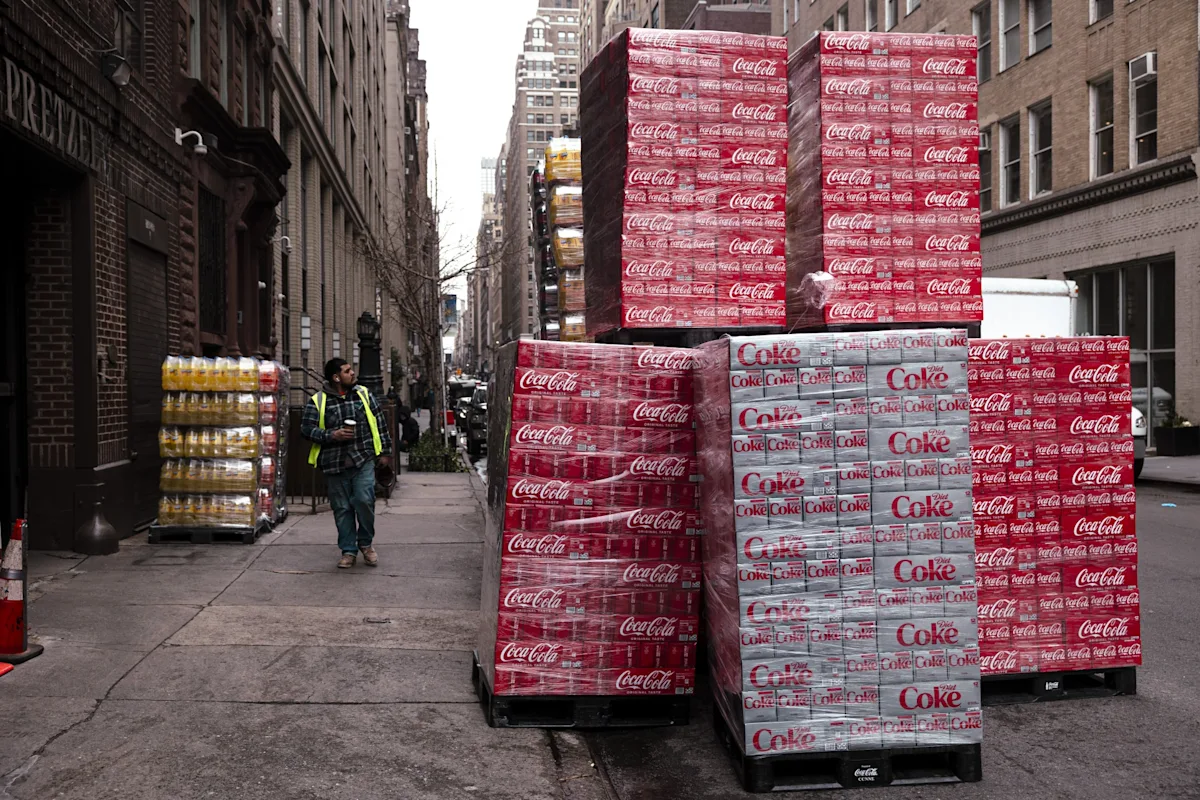
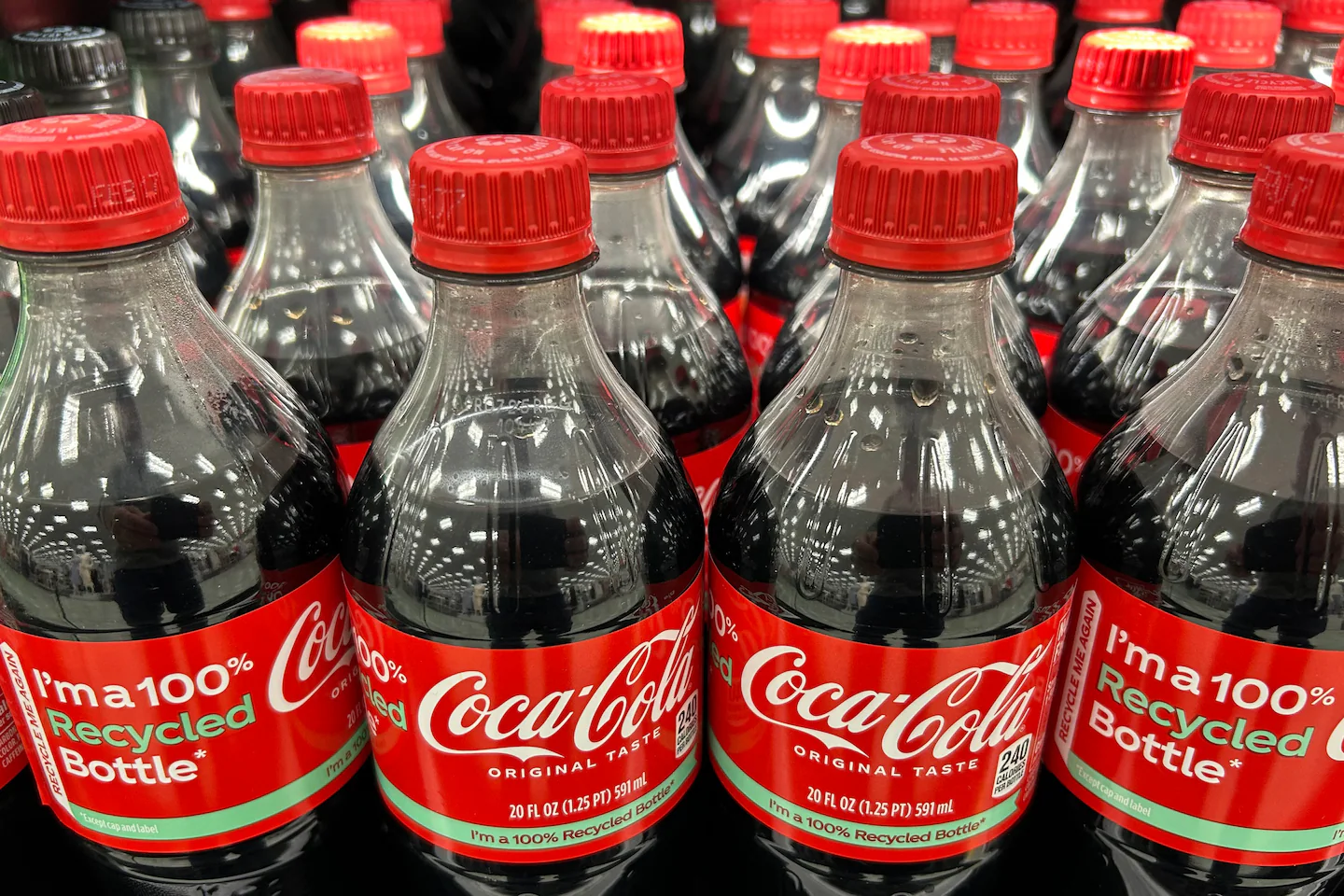
Coca-Cola is attempting to produce a version of Coke made with US cane sugar, as promoted by President Trump, but faces supply chain and production capacity challenges that limit its widespread rollout, including limited US sugar supply and bottling capacity issues.
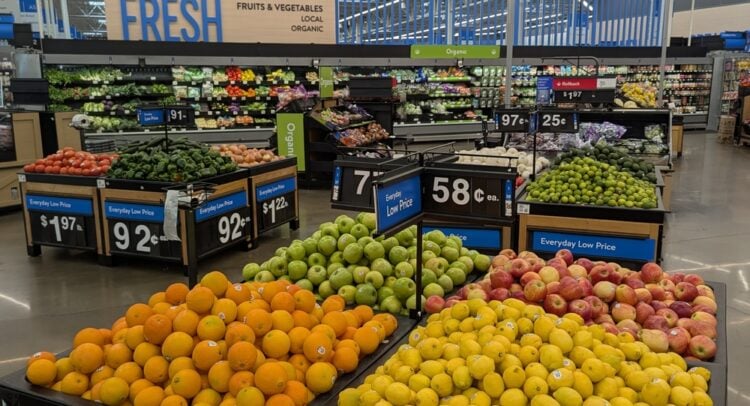
Walmart is supporting American small businesses and manufacturing through its annual Open Call, awarding Golden Tickets to over 100 entrepreneurs, including Grandma Betty’s Grits, to boost domestic sourcing and reduce reliance on tariffs. The company has committed $350 billion over 10 years to purchase U.S.-made products, aiming to strengthen its supply chain and mitigate risks related to innovation and production. WMT is rated a Strong Buy with a target price of $114.89, suggesting a 12% upside.
President Trump announced that Coca-Cola will start producing its flagship soda with cane sugar in the U.S., similar to Mexican Coke, aiming to appeal to fans who prefer the taste and natural ingredients, though the company has not confirmed these plans. The move has sparked debate over costs, trade, and health implications, with critics arguing it could harm American farmers and jobs.
Trump Mobile claimed its flagship T1 smartphone would be made in the USA but later removed the 'Made in the USA' label from its marketing, instead stating it is 'brought to life right here in the USA.' The company insists the phones are American-made, despite skepticism about the feasibility of manufacturing affordable smartphones domestically. The move aligns with broader efforts by the Trump administration to promote U.S. manufacturing, including tariffs on imported goods like iPhones.
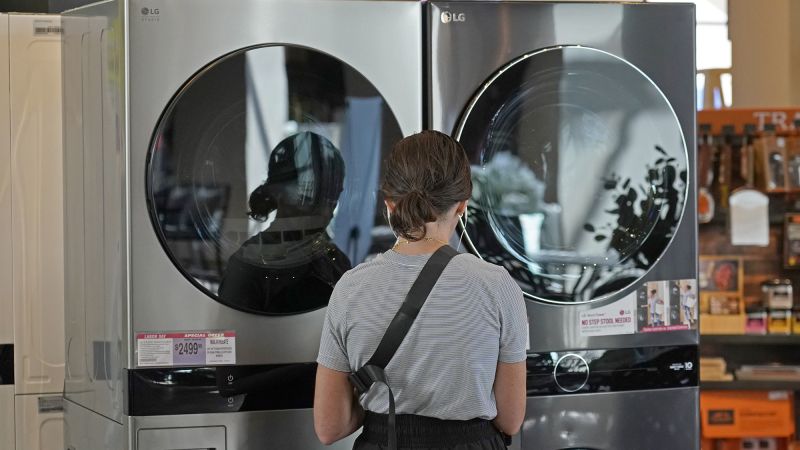
The Trump administration is implementing a 50% steel tariff on consumer appliances containing steel, such as refrigerators and dishwashers, starting June 23, aiming to boost American steel production but potentially increasing costs for manufacturers and consumers.
The order emphasizes accelerating the development, safe integration, and export of American drone technologies, including regulations for routine Beyond Visual Line of Sight operations, establishing an eVTOL pilot program, strengthening the domestic drone industrial base, and promoting exports, all to maintain U.S. leadership in drone innovation and security.
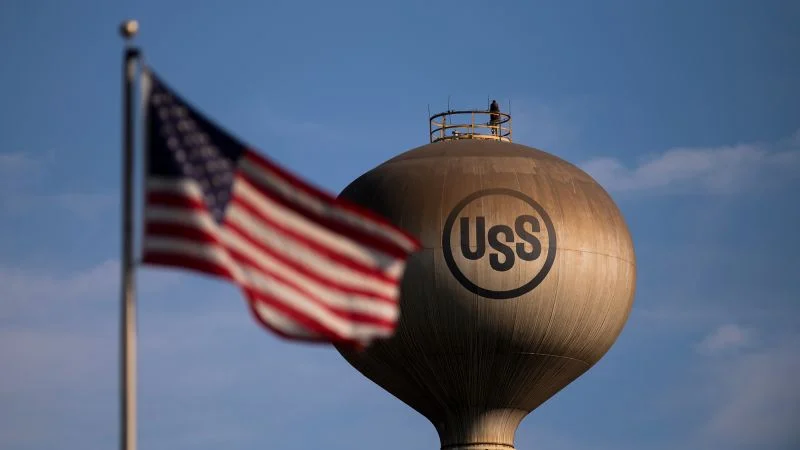
President Trump is visiting Pittsburgh to celebrate a deal allowing Japanese company Nippon Steel to invest in US Steel, a move previously opposed by Biden and critics, amid ongoing debates over foreign ownership, national security, and the future of American steel manufacturing.
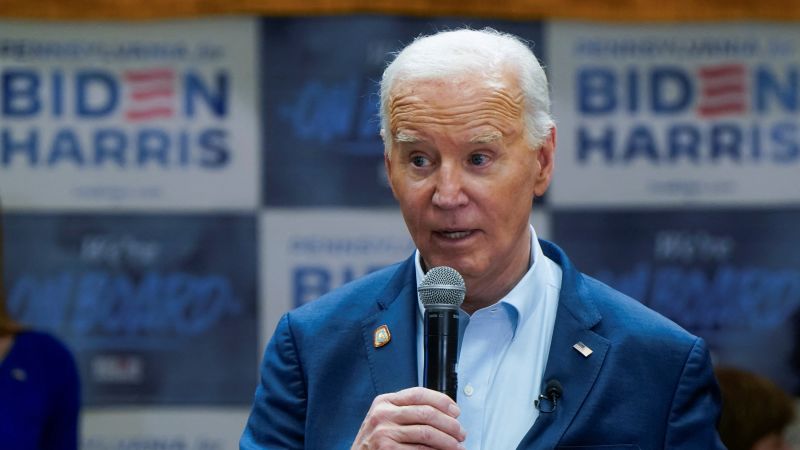
President Biden is set to call for a tripling of tariffs on Chinese steel during his visit to Pittsburgh, emphasizing the importance of American manufacturing and protecting domestic steel industry. The move is part of his economic competition pitch and aims to safeguard US workers from unfair exports associated with China's industrial overcapacity. The trip comes as Biden seeks to address voter concerns about his handling of the economy and counter criticism from former President Trump, who made tariffs against China a central feature of his global economic strategy.
The Biden-Harris Administration has announced new measures to protect the U.S. steel and shipbuilding industry from China's unfair trade practices, including a call to triple the tariff rate on steel and aluminum imports from China, an investigation into China's unfair shipbuilding practices, and actions to support American steel manufacturing and clean steel production. These efforts aim to address concerns about unfair competition from Chinese steel and aluminum imports, prevent evasion of tariffs, and invest in sustainable steel production to fortify the infrastructure and support American workers.
Tax credits under the Inflation Reduction Act meant to promote American manufacturing of solar equipment may be difficult to obtain due to guidance from the Biden administration. The credits could cover up to 70% of a renewable energy project's cost if it meets certain requirements, but some of the credits might be difficult if not impossible to use, at least in the near term. The resulting frustration is emblematic of the current stage of climate action: an eye-straining haze of technical rule-making that reflects a tension between urgency and ensuring that the benefits of the energy transition are widely shared.
The Biden-Harris Administration has released the U.S. National Clean Hydrogen Strategy and Roadmap, a comprehensive framework for accelerating the production, processing, delivery, storage, and use of clean hydrogen. The strategy aims to achieve commercial-scale hydrogen deployment, which is critical to building a strong clean energy economy while enabling long-term decarbonization objectives. Clean hydrogen offers substantial economic benefits and will help create tens of thousands of new, good-paying jobs across the country, particularly in underserved communities. The strategy identifies three key strategies to ensure that clean hydrogen is developed and adopted as an effective decarbonization tool.