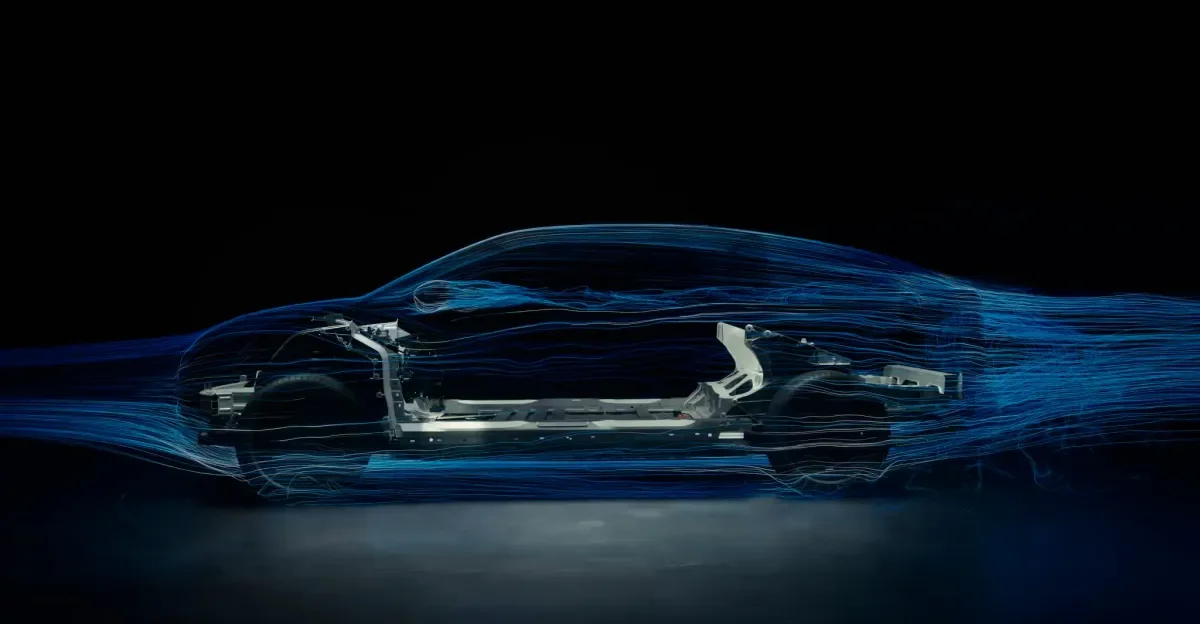
Mercedes-Benz is developing a new cutting-edge motor that could significantly reduce the weight of future electric vehicles, potentially enhancing their efficiency and performance.
GM is testing a digital key feature for select Cadillac EV owners, allowing them to lock, unlock, and drive their vehicles via smartphone or smartwatch, with wider availability expected soon across GM's lineup.
Sony Honda Mobility's Afeela electric vehicle will feature PS Remote Play, allowing passengers to remotely play PS5 and PS4 games via the car's infotainment system, with a recommended broadband connection of 15Mbps for optimal experience, set for delivery in 2026.
Porsche is reversing its plan to make the next-generation 718 Boxster and Cayman electric-only, instead reintroducing petrol engines by adapting the EV platform to accommodate internal combustion engines, as part of a strategic shift to boost production efficiency and meet market demands.
Toyota has unveiled its first fully electric version of the Hilux pickup truck, featuring a new design, advanced safety features, and a 150-mile range, with rollout starting in Europe next month, though it will not be available in the US.
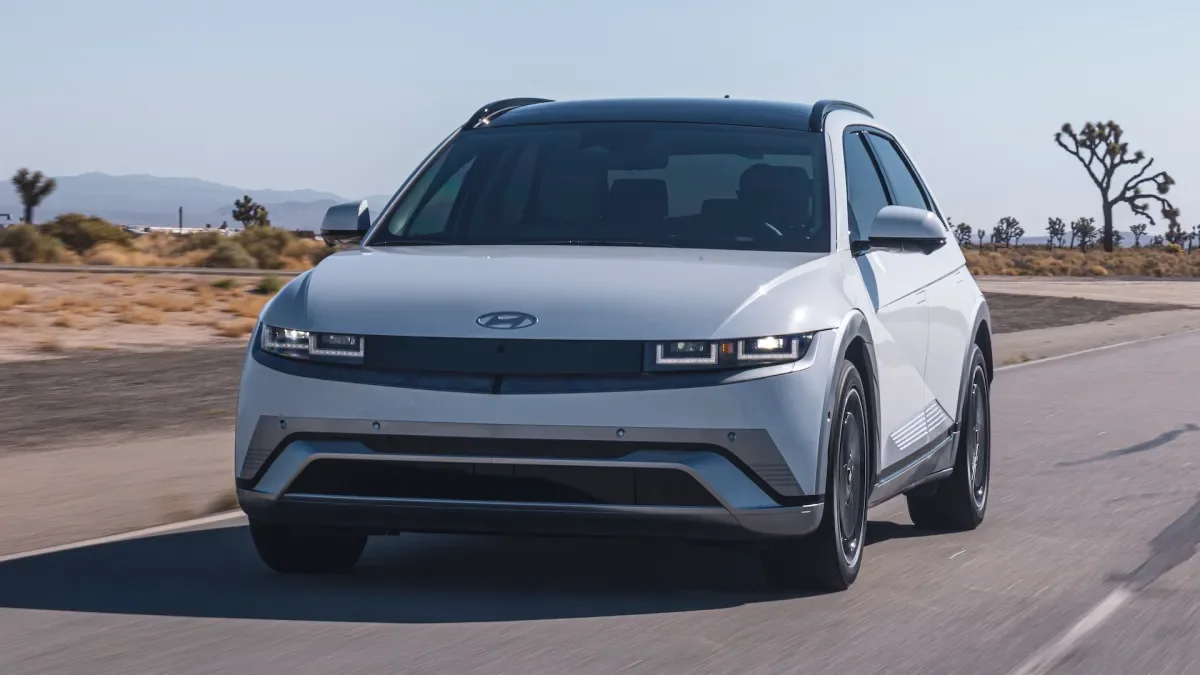
An Ioniq 5 N owner claims Hyundai's software prevents him from changing his own brake pads, requiring costly proprietary tools and subscriptions, raising concerns about the Right to Repair in the EV era.
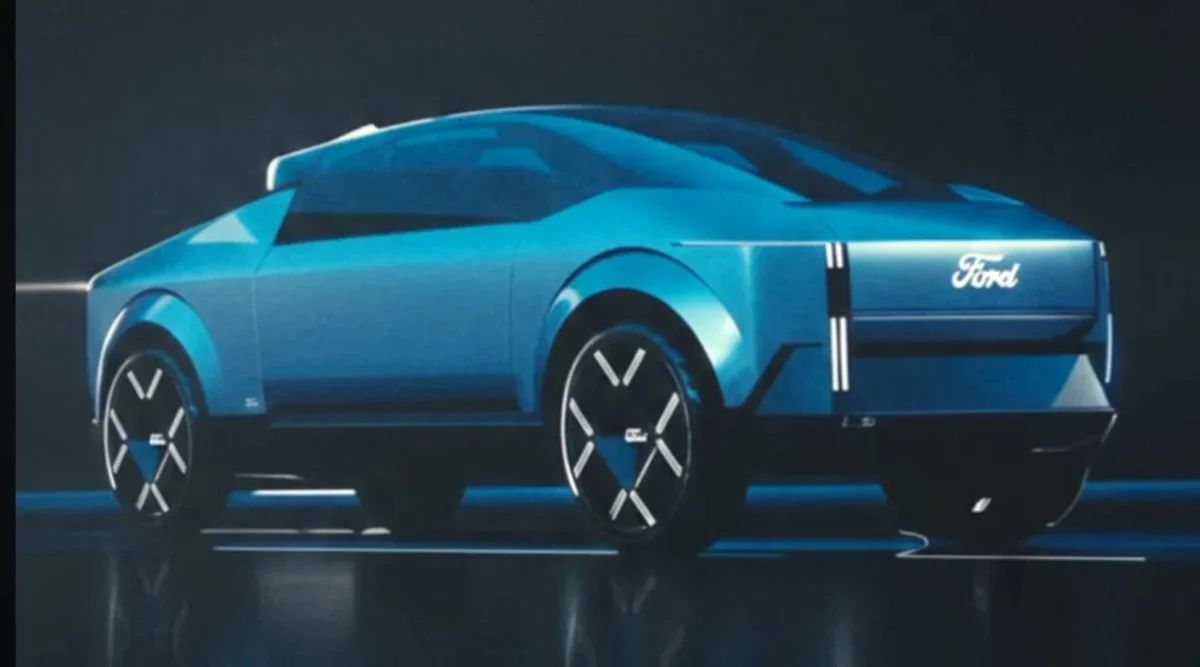
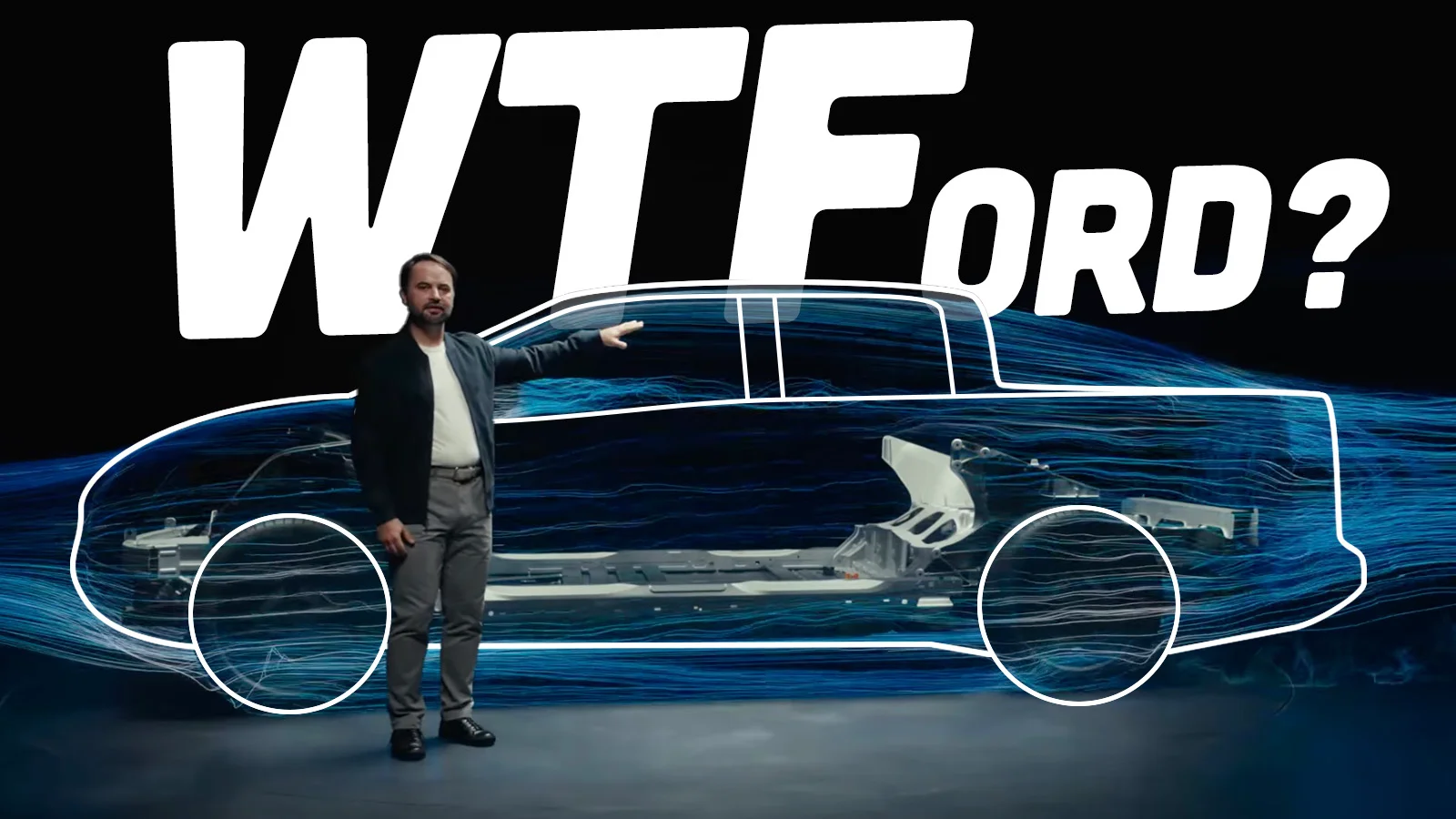
Ford is considering discontinuing the F-150 Lightning electric pickup due to a supplier fire and shifting focus to the new, more affordable UEV platform aimed at producing lower-cost EVs, including a $30,000 truck, which could lead to the end of Lightning production despite its relatively steady sales.
Rivian and Lucid, two pure EV automakers, face increasing challenges amid their upcoming Q3 reports, including market headwinds, regulatory changes, and production issues, despite showing some growth in sales and revenue. Both companies are focusing on future vehicle launches and technological advancements to attract investors, but profitability remains a concern as industry-wide issues impact their financial outlook.
General Motors is laying off 1,700 workers at its EV and battery plants in Michigan and Tennessee due to declining demand and strategic realignment following a surge in EV sales driven by the end of federal tax credits and broader regulatory challenges.
A detailed analysis shows that, based on US averages, charging an electric vehicle at home is generally cheaper than fueling a gas-powered car, with EV charging costing around $73 per month compared to $159 for gas, leading to annual savings of about $1,032, though costs vary by location and charging method.
Rivian plans to lay off about 4-4.5% of its workforce, roughly 600 employees, as it prepares for the launch of its new R2 model in 2026 and aims to streamline operations and cut costs ahead of the product release.
Uber is offering $4,000 grants to drivers in select US states to encourage the switch to electric vehicles, aiming to meet its goal of 100% electric trips by 2030. The move comes after the expiration of federal EV tax credits and is part of Uber's broader shift to promote sustainability, including rebranding to Uber Electric and expanding EV support features. The initiative faces challenges such as the high upfront cost of EVs and the independent contractor status of drivers, but Uber remains committed to increasing EV adoption globally.
Several MG electric vehicle owners in the UK and Europe have reported serious safety issues, including a car surging forward and losing control after charging or during driving, raising concerns about the safety and reliability of MG's EVs amid increasing scrutiny of Chinese-made electric vehicles. MG initially closed investigations into these incidents but later re-examined the cases after media pressure, highlighting the need for greater transparency and prompt action in addressing EV safety faults.
General Motors will record a $1.6 billion charge in its upcoming Q3 results due to setbacks in its EV plans, including non-cash asset adjustments and cash-related contract cancellations, amid changing U.S. EV regulations and reduced federal incentives.
Tesla teases an October 7 event likely focused on launching a more affordable Model Y, aiming to boost sales amid challenges like demand slowdown and expiring US EV tax credits, with shares rising 4% on the news.