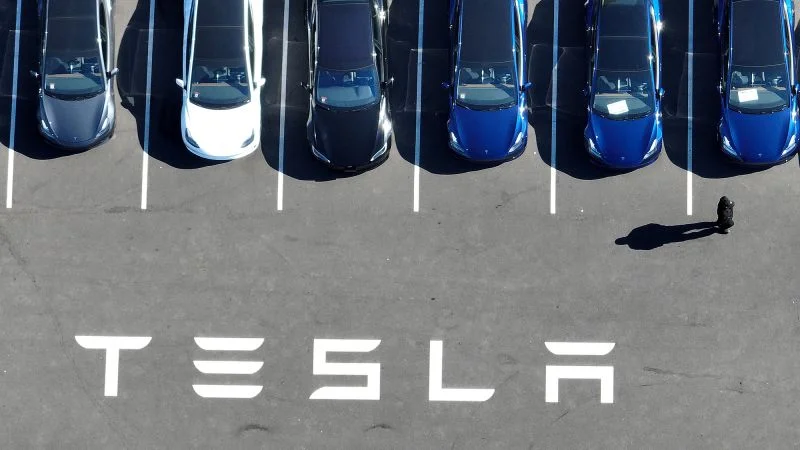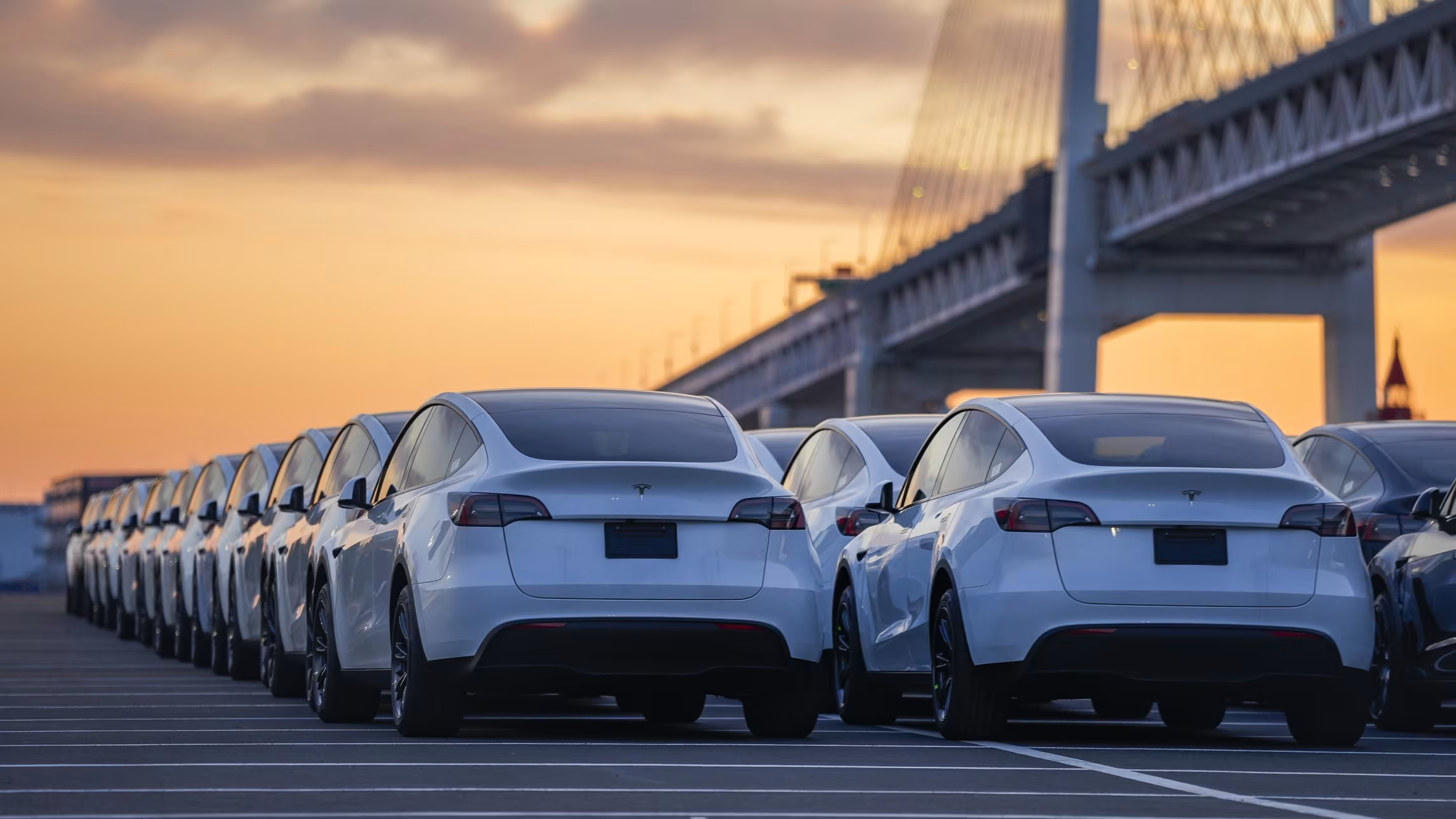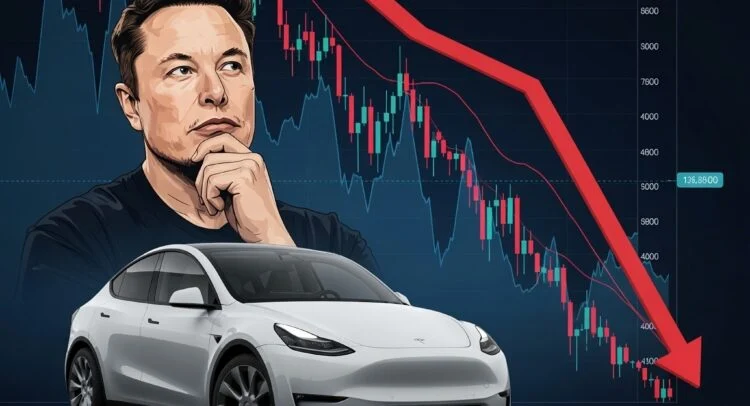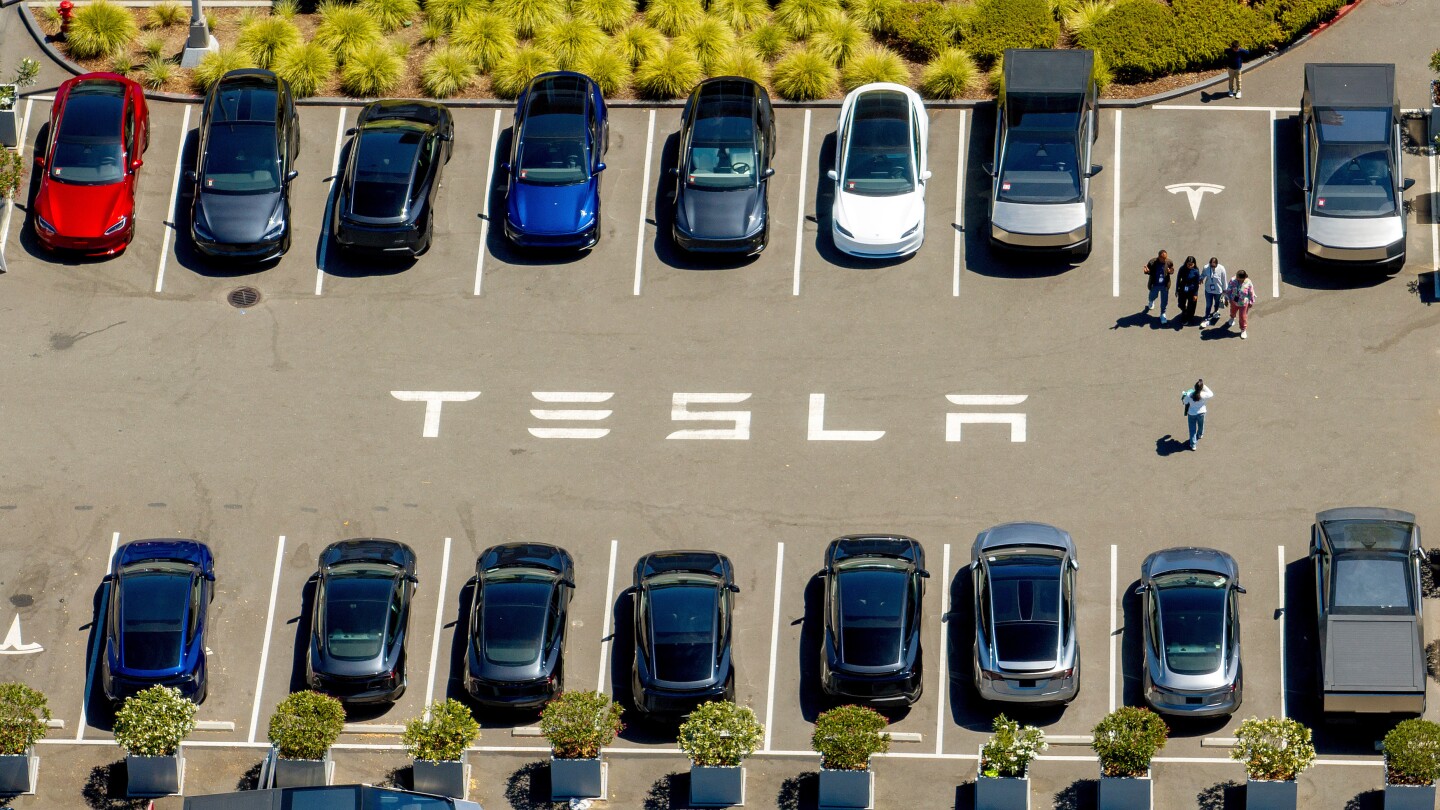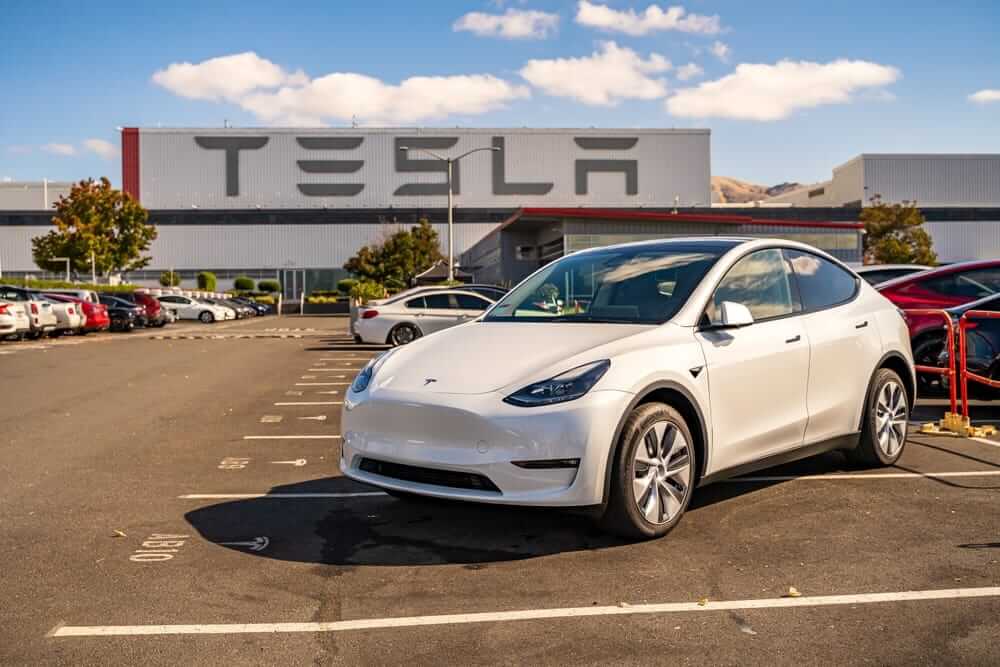
Tesla lost its position as the world's top EV seller in 2025 due to declining demand, increased competition from Chinese automaker BYD and others, and brand reputation issues linked to Elon Musk's political activities. Despite lower sales and new model launches that haven't met expectations, investor optimism remains high, driven by Musk's focus on robotics and autonomous driving technology.
Tesla's Q4 vehicle deliveries are expected to decline due to the end of federal EV tax credits, but investors remain optimistic about its long-term growth prospects, including robotaxis and energy businesses, leading to a neutral stock outlook despite short-term delivery disappointments.
A Tesla supplier, L&F, significantly reduced its long-term battery materials contract due to delays in Cybertruck development and changing market conditions, reflecting a 99% decrease in supply expectations, which impacted its stock price.
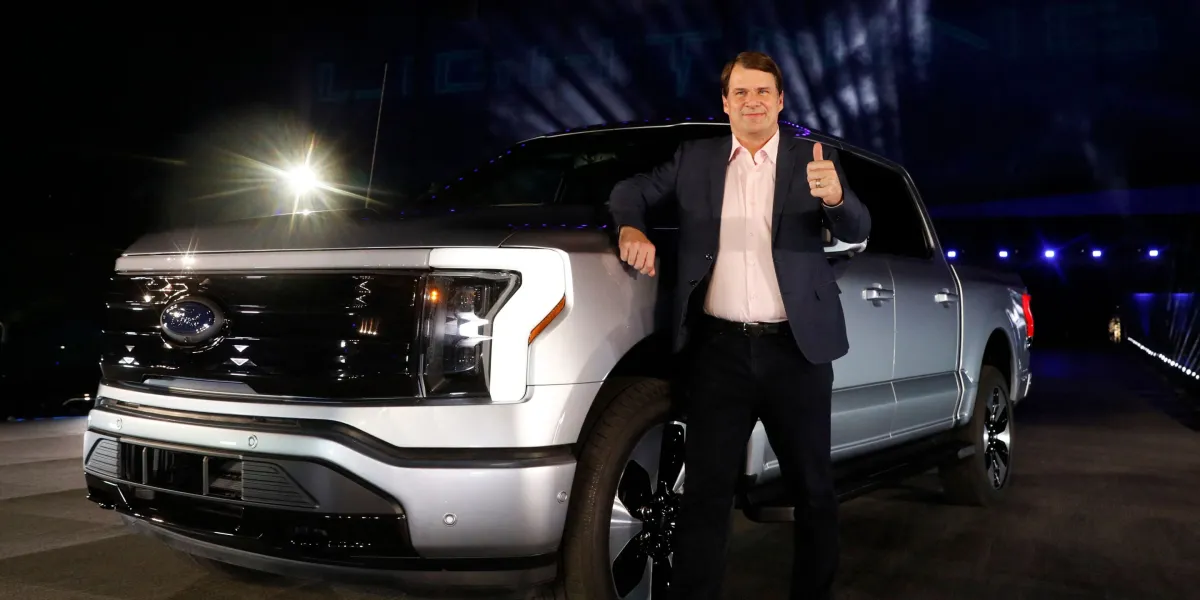
Ford is shifting its strategy from pure electric vehicles to hybrids and extended-range electric vehicles due to changing consumer demand and market conditions, leading to a $19.5 billion charge in 2026 and a significant reduction in EV sales projections.
Car sales are declining due to economic uncertainty and high prices, with EV sales in China showing signs of fatigue, while Tesla gains market share. Meanwhile, a controversial Trump clemency involves a $1.6 billion fraud scheme, and South Korea secures a 15% tariff rate in US trade negotiations.
Rivian's Q3 results exceeded expectations with increased revenue and a gross profit rebound, driven by strong vehicle deliveries. The upcoming launch of the R2 crossover in 2026 is seen as a potential game-changer, with some analysts optimistic about its impact on the stock, which is currently rated as a hold by most analysts.
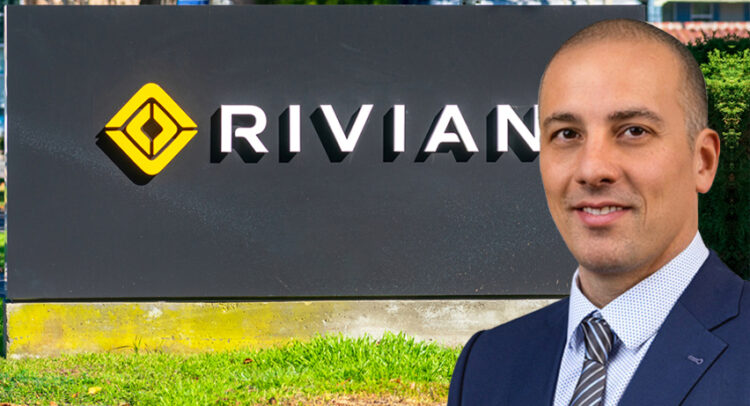
Rivian's CFO indicates that the end of EV tax credits is prompting the company to develop a more affordable, mass-market electric SUV, the R2, to expand its customer base and support future growth, including new manufacturing facilities and autonomous features.
Tesla's quarterly profits declined for the fourth consecutive time despite a rise in vehicle sales, influenced by factors such as customers rushing to use a federal EV tax credit and increased diversification into AI and robotics. The company's revenue increased to $28.1 billion, but profit margins and earnings per share fell, raising concerns about demand and market competition. Elon Musk emphasized future growth in robotaxi and AI products, while investor confidence remains cautious due to ongoing challenges in the EV market.
Rivian's CEO RJ Scaringe is optimistic about the upcoming R2 small electric SUV, which aims to compete with Tesla's Model Y by offering a more traditional SUV design, advanced tech, and a competitive price point of $45,000. The vehicle is seen as a critical model for Rivian's survival, with production starting in 2026, amidst a challenging EV market influenced by policy changes and competition. The success of R2 could significantly impact Rivian's future and the broader EV industry.
Tesla is set to report its Q3 earnings on October 22, with revenue expected to rise but adjusted earnings to decline over 20% YoY due to increased competition, price cuts, and market challenges. Despite a 7% increase in vehicle deliveries, Tesla faces headwinds from waning consumer incentives, declining market share, and geopolitical issues, though some competitors are retreating from the EV segment. Analysts forecast Tesla's earnings to grow significantly by 2029, with a potential for stock price doubling if valuations remain high, but current sentiment is cautious with a median target below the current stock price.
General Motors will incur a $1.6 billion loss in the upcoming quarter due to the reduction of US EV tax incentives and relaxed emissions rules, impacting its EV capacity adjustments and future operations, despite ongoing plans to expand its electric vehicle offerings.
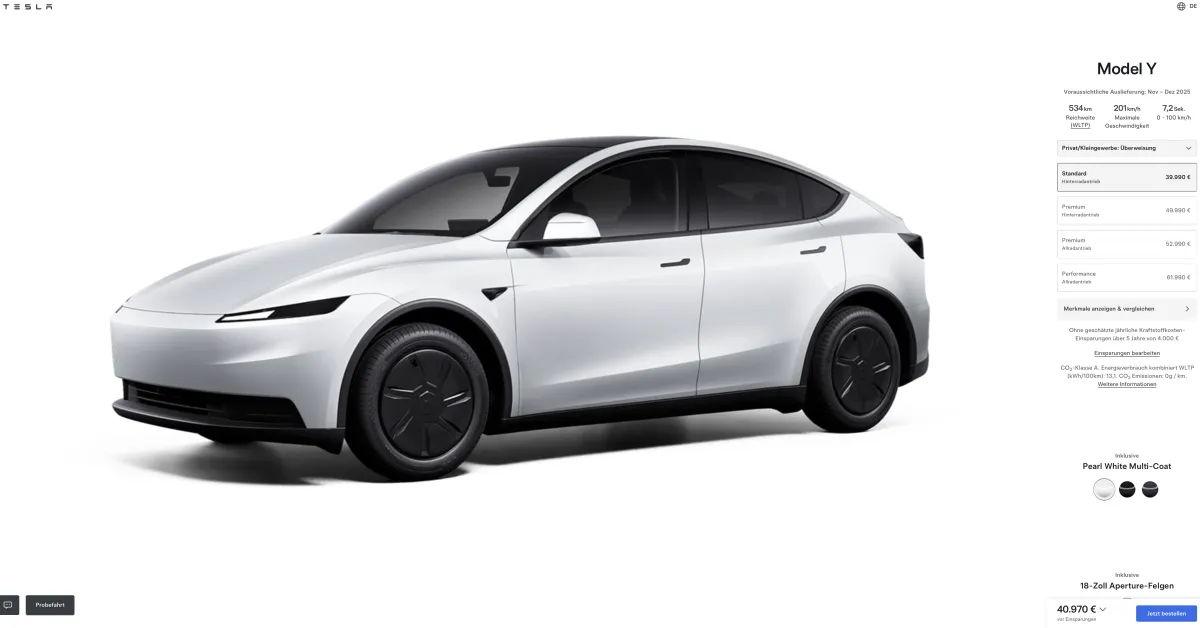
Tesla has launched its more affordable Model Y Standard in Europe with fewer feature cuts and a larger price differential compared to the US version, aiming to boost sales amid declining European Tesla sales and increased competition, while political and innovation issues continue to impact the company's market position.
Rivian is starting construction on a $5 billion electric vehicle plant in Georgia despite challenging market conditions and reduced government incentives, aiming to achieve scale and profitability with plans to produce up to 200,000 vehicles annually by 2028. The company faces stiff competition, market slowdown, and local opposition but remains committed, backed by significant state incentives and strategic investments.
Rivian is starting construction on a $5 billion electric vehicle plant in Georgia despite market challenges and reduced federal incentives, aiming to boost production capacity and achieve profitability through scale, with significant state incentives and ongoing competition in the EV market.