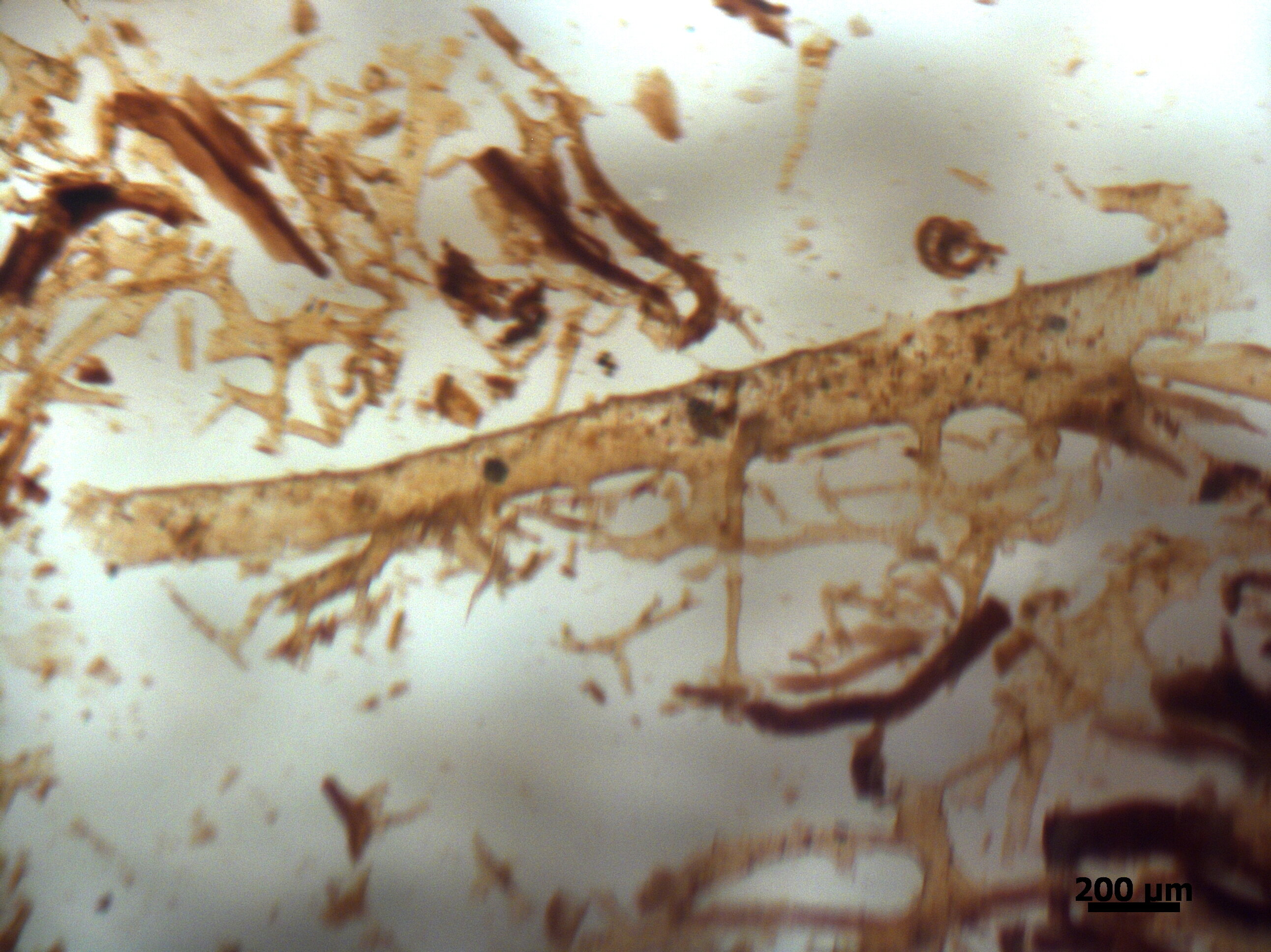
A study using Resonance Raman imaging confirms the presence and partial preservation of hemoglobin in dinosaur bones, revealing how heme degrades over millions of years and providing insights into fossilization processes.
Anemia, often mistaken for normal aging symptoms, is common among older adults and can lead to serious health issues. It is frequently underdiagnosed and undertreated, but simple blood tests can help identify it. Treatments like intravenous iron infusions can significantly improve quality of life, and awareness of hemoglobin levels can prompt earlier diagnosis and management.
Japanese scientists have developed an artificial blood made from hemoglobin extracted from expired donor blood, encased in a protective shell, which can be stored longer and used universally without compatibility testing, aiming to address blood supply shortages and potentially be in practical use by 2030.
A study published in the PLoS One journal found a positive association between hemoglobin levels and VO2 max, a proxy for fitness. Athletes with higher VO2 max values generally had more hemoglobin and higher concentrations of red blood cells. While changes in hemoglobin and VO2 max are less direct in real-world training, optimizing hemoglobin levels through healthy training and supplementation can potentially improve endurance performance. Strategies to optimize hemoglobin mass include dialing in iron levels, considering altitude training, practicing year-round heat training, managing stress levels, and ensuring adequate fueling through proper nutrition.