Tag

Ion Channels

All articles tagged with #ion channels

science4 months ago

Cocaine Chemogenetics Reduces Drug-Seeking Behavior

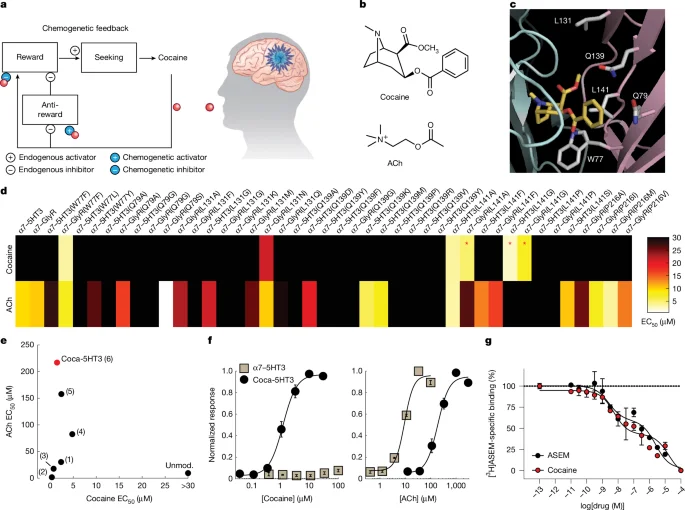
Researchers developed cocaine-gated chemogenetic receptors that can precisely respond to cocaine exposure, allowing for targeted modulation of neural circuits involved in addiction. These engineered channels, selective for cocaine over natural rewards and other drugs, were used to suppress cocaine-seeking behavior in rats by activating specific brain circuits during drug exposure, thereby reducing dopamine release and reinforcing effects. This innovative approach offers a new avenue for studying and potentially treating cocaine addiction through dynamic, drug-specific neural control.

health1 year ago

"Breakthrough Unveils Cause of Gulf War Illness in Veterans"

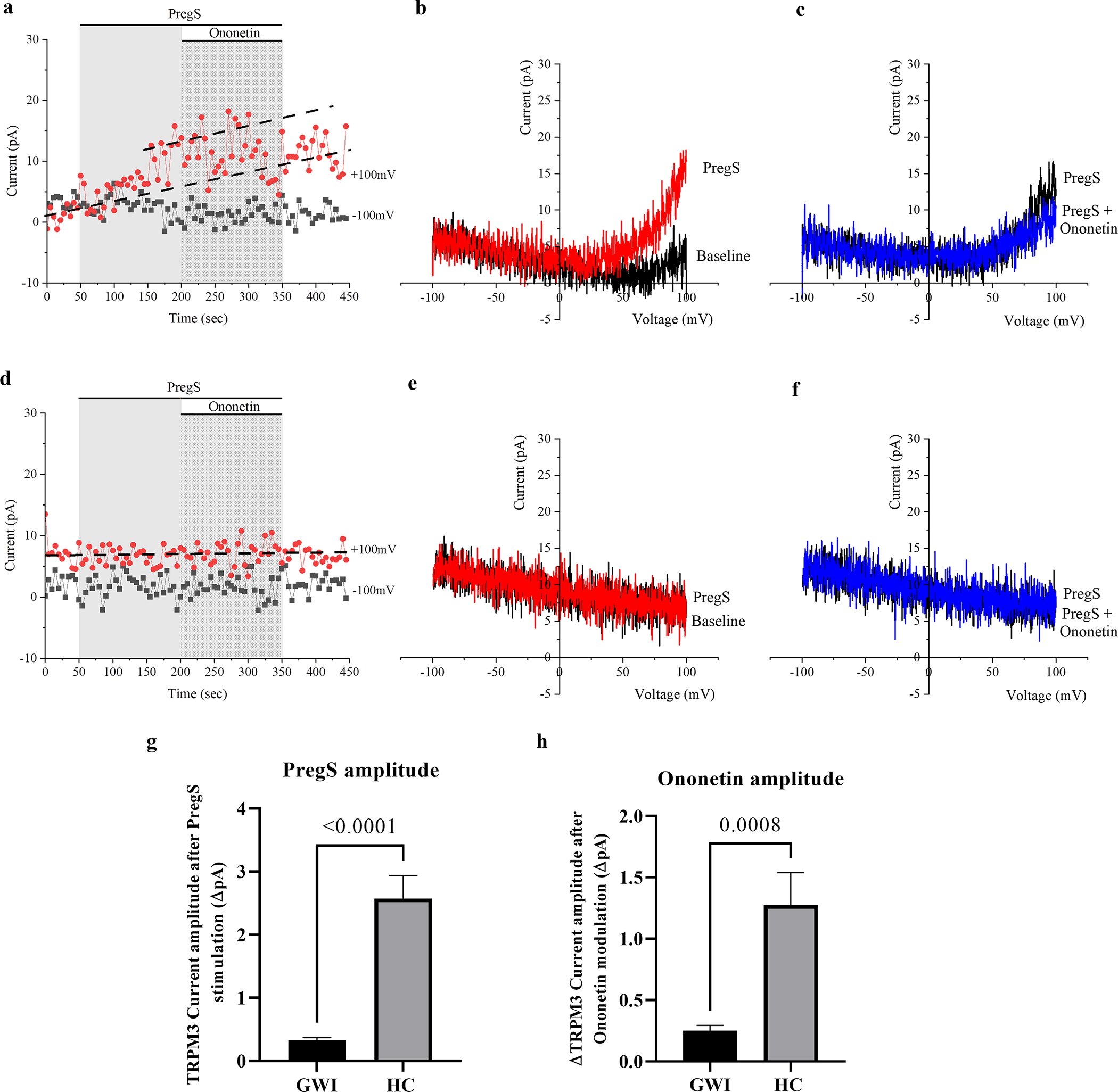
Researchers at Griffith University have identified that Gulf War Illness (GWI) in veterans is likely caused by defective transient receptor potential ion channels due to exposure to hazardous biological and chemical agents during the Gulf War. This discovery provides crucial scientific evidence linking GWI to war service, offering hope for new treatments and validation for affected veterans.

neuroscience1 year ago

"Unveiling Elkin1: The Key to Understanding Human Touch Perception"

Researchers have identified a new ion channel, Elkin1, as crucial for touch perception, complementing the role of Piezo2 in sensing mechanical stimuli. Genetically modified mice lacking Elkin1 showed reduced touch sensitivity, and studies on human sensory neurons suggest its importance in human touch perception. This discovery not only deepens our understanding of touch sensation but also opens new possibilities for treating chronic pain by targeting Elkin1.

science-and-technology2 years ago

Unveiling the Unconventional TRPV3 Channel: A Dilated Pore Defying Dogma

Researchers have discovered a pentameric TRPV3 channel with a dilated pore using cryo-electron microscopy (cryo-EM) and structural modeling. The cryo-EM maps of the TRPV3 tetramer and pentamer have been deposited in the Electron Microscopy Data Bank, providing valuable insights into the structure and function of TRPV3 channels. This finding contributes to our understanding of ion channels and their potential as drug targets.

neuroscience2 years ago

Ion Channel Switches: Controlling Dopamine Release for Enhanced Intelligence and Motivation

Researchers have identified two ion channel switches, Kv4.3 and BKCa1.1, that regulate dopamine release in the brain, influencing learning and motivation in mice. By manipulating these channels, the researchers observed changes in dopamine release patterns and corresponding behavioral effects. Turning off the channel controlling tonic activity increased motivation and task performance, while turning off the channel controlling phasic activity enhanced learning speed. This discovery could potentially lead to the development of therapeutics for mental illnesses, learning disabilities, depression, addiction, schizophrenia, and autism spectrum disorder.

neuroscience2 years ago

Cracking the Code of Ion Channel Gating with a Smart Model

Researchers have developed an intelligent model system to understand the complex functioning of ion channels, focusing on the inwardly rectifying potassium channel Kir2. The model allowed scientists to track conductance changes and visualize the gating of individual subunits, offering insights into these essential cellular pathways. The findings have significant implications for the development of treatments for cardiovascular diseases.

biology2 years ago

Octopuses and Squids: Masters of Sensory Perception

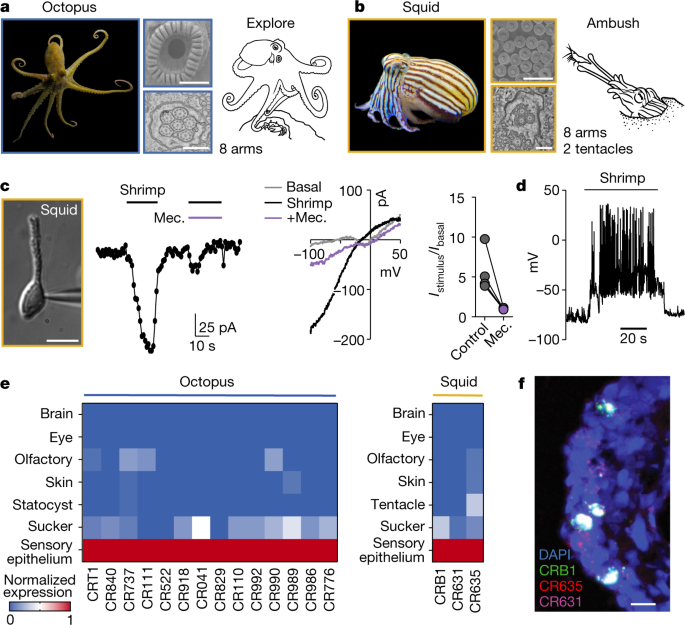
Octopuses and squids have evolved unique sensory specializations, including chemotactile sensation and ion channels, that allow them to navigate and interact with their environment. Recent studies have revealed the molecular basis of these sensory mechanisms, shedding light on the evolution of cephalopod neural and morphological novelties. These findings have implications for understanding the transition from aquatic to terrestrial life and could inspire new technologies in fields such as robotics and materials science.