NASA is conducting a year-long Mars mission simulation called CHAPEA at Johnson Space Center with four crew members living in a habitat to study human health and performance under Mars-like conditions, providing vital data for future exploration missions.
NASA's 2023 CHAPEA mission simulated a year on Mars with four volunteers in a confined habitat, where video games played a crucial role in maintaining mental health, problem-solving skills, and morale, providing valuable insights for future long-duration space missions.
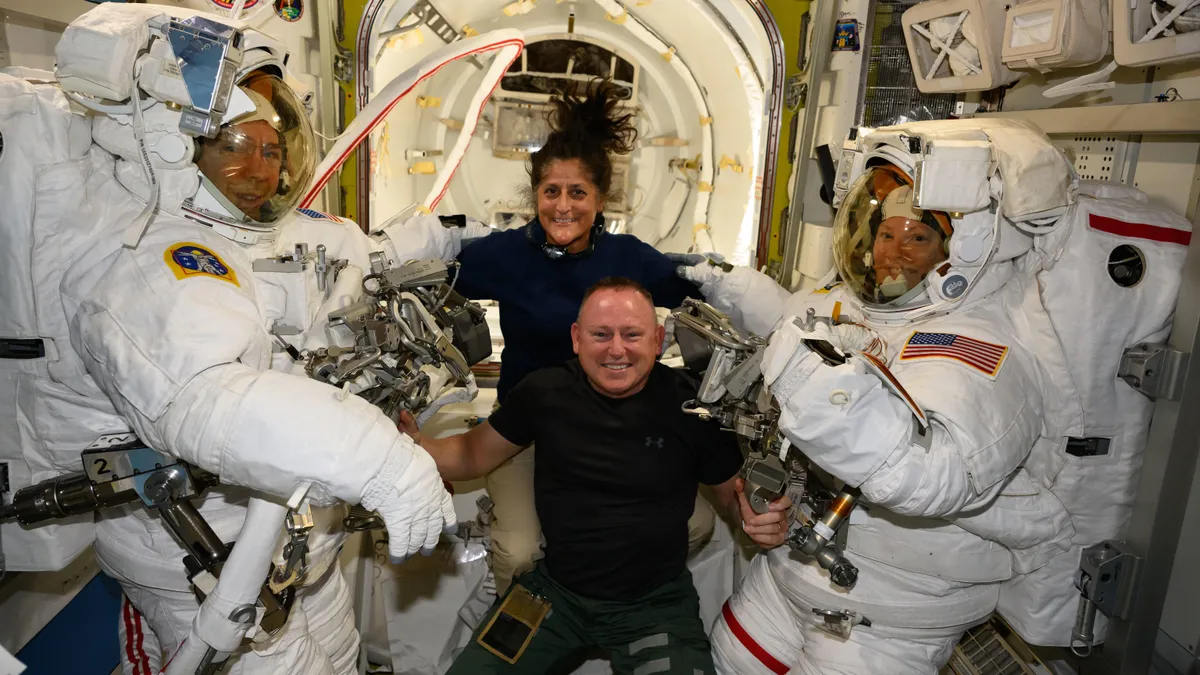
A recent scientific report highlights that long-duration space travel causes mitochondrial damage in astronauts, akin to accelerated aging. This damage is attributed to increased radiation and zero gravity, which affect cellular health. The lack of Earth's magnetic field in space further complicates the issue, posing challenges for future space settlements. As private space missions increase, more data on long-term health effects will be crucial to address these challenges.
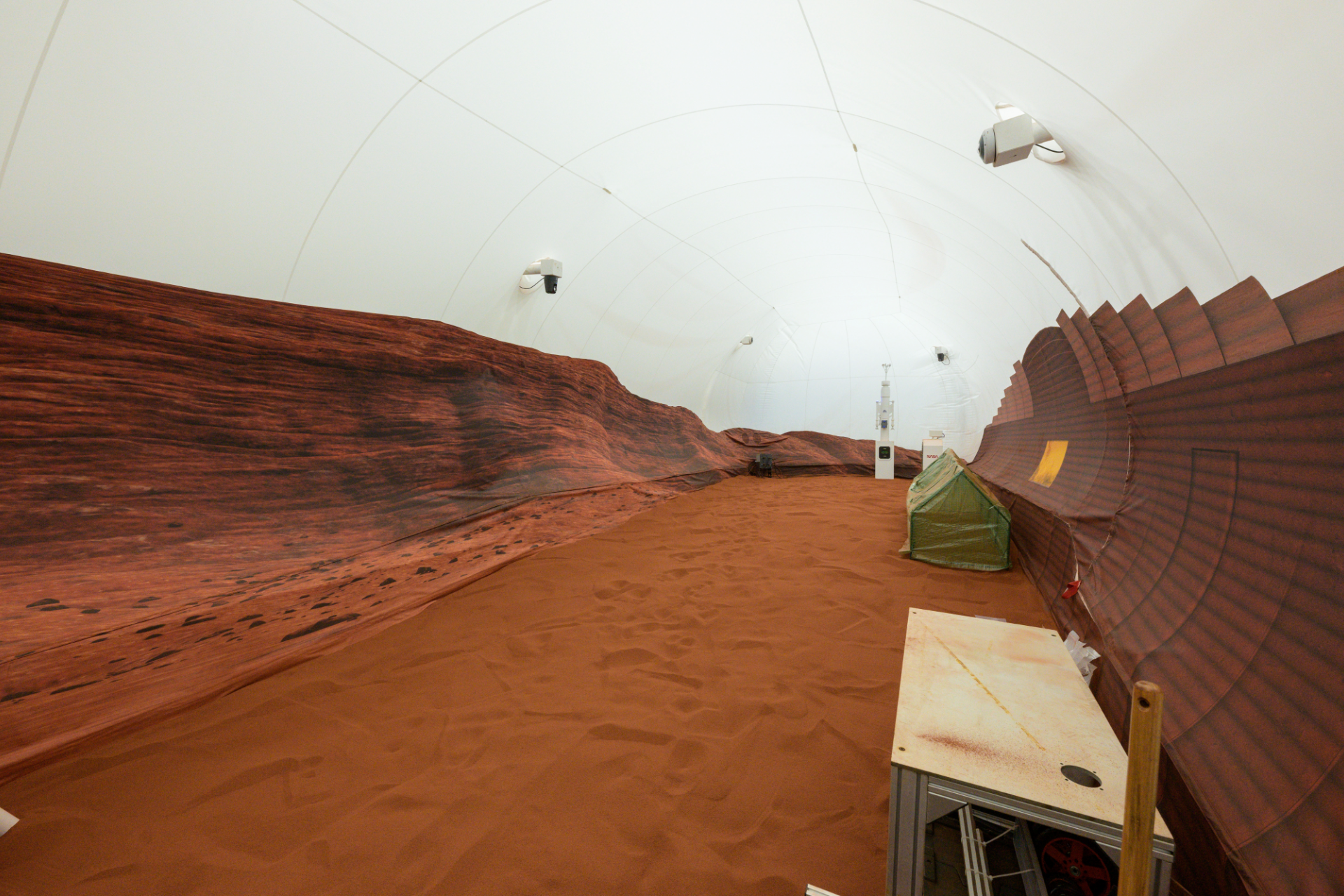
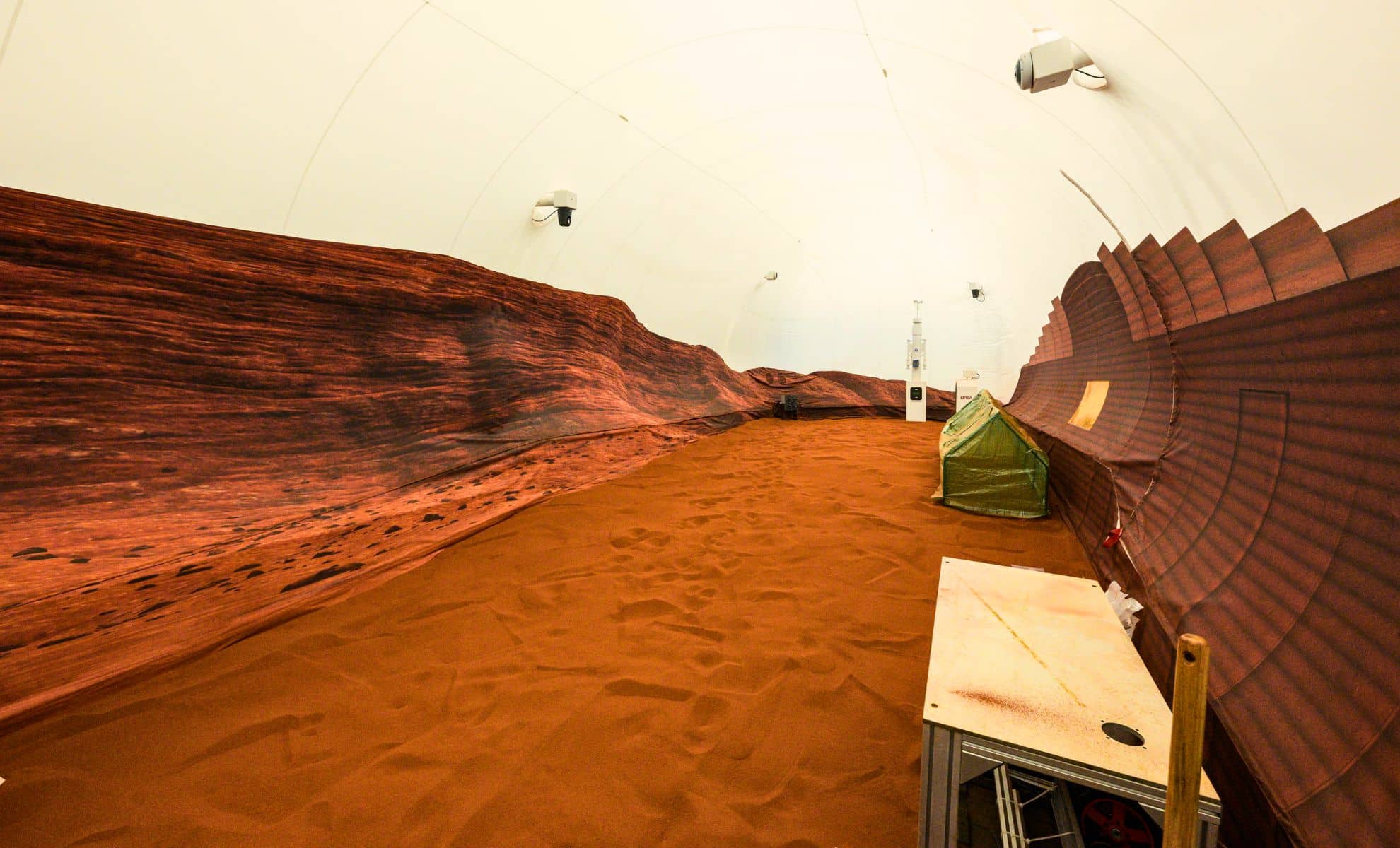
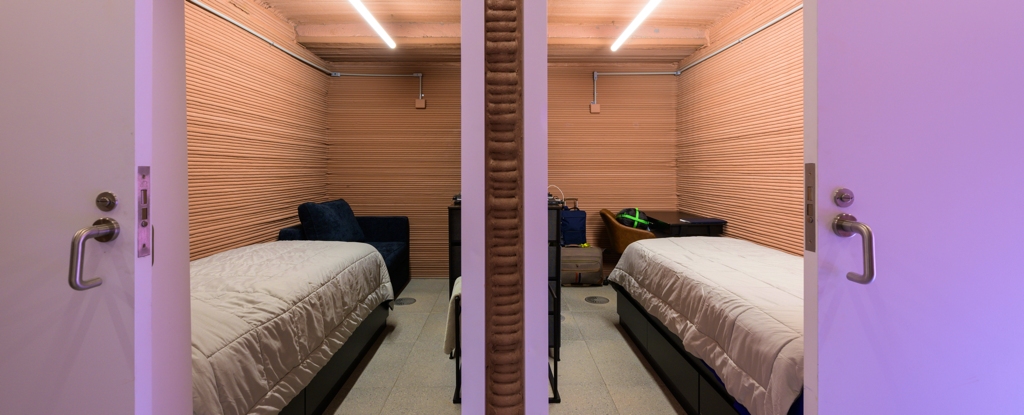
NASA has sealed four volunteers into a simulated Martian habitat, called Mars Dune Alpha, for a year-long experiment called CHAPEA (Crew Health and Performance Exploration Analog). The mission aims to study the logistics and human psychology of long-term living on another planet. The crew will live, work, exercise, sleep, and perform experiments in the 1700 square-foot 3D-printed habitat, and will also participate in simulated spacewalks using virtual reality. The mission will provide insights into the physical and behavioral aspects of a Mars mission, helping NASA prepare for future manned missions to the red planet.
NASA has locked four volunteers into a simulated Martian habitat for a one-year mission called CHAPEA (Crew Health and Performance Exploration Analog) to study the logistics and human psychology of long-term living on another planet. The crew will live, work, exercise, sleep, and perform experiments in the 1700 square-foot 3D-printed living space called Mars Dune Alpha. They will also engage in simulated spacewalks and follow a time-delayed communication system. The mission aims to gather insights on the physical and behavioral aspects of a Mars mission and prepare for future manned missions to the red planet.