Sports Illustrated Swimsuit marks the Lunar New Year by spotlighting bold 'Fire Horse' energy in archival shoots, featuring stars like Salma Hayek Pinault and Ciara across Mexico, Dominica, Barbados and Florida in daring, nature-infused fashion moments.
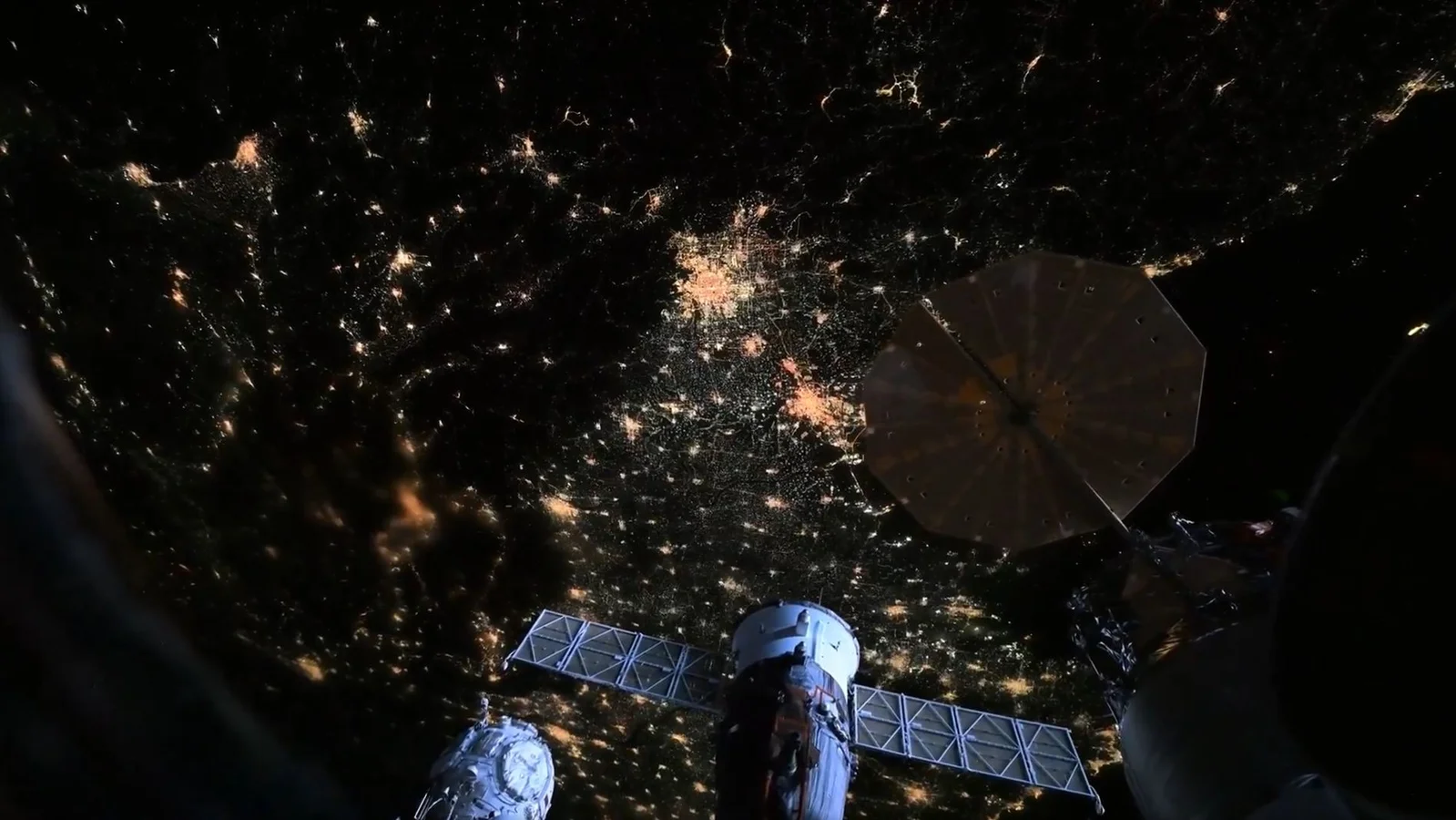
NASA astronaut Chris Williams photographed fireworks over Beijing and Tianjin during Lunar New Year from the ISS Cupola, revealing the city’s lights and highways visible from about 250 miles up. The frame also shows the Cygnus NG-23 cargo spacecraft and the MS-28 Soyuz, while Chinese taikonauts decorated Tiangong and released a space-made music video.
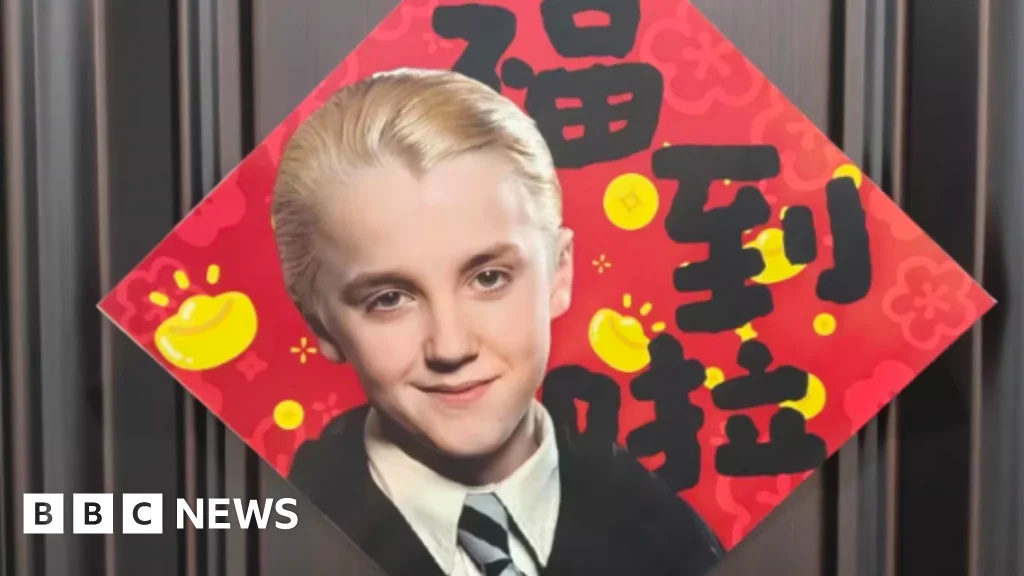
CNN’s Lunar New Year 2026 roundup spotlights the Year of the Fire Horse with zodiac forecasts and holiday rituals, including feng shui readings for celebrities like Timothée Chalamet and Margot Robbie and public figures such as Donald Trump and Zohran Mamdani. The piece covers cultural moments from Kung Fu‑robot performances at CCTV’s Spring Festival Gala to decoration vibes like Draco Malfoy posters, a viral sad‑mouthed Year of the Horse plush, and Adidas’ China‑themed jacket trend, while also noting festivities amid grief following a deadly Hong Kong fire.
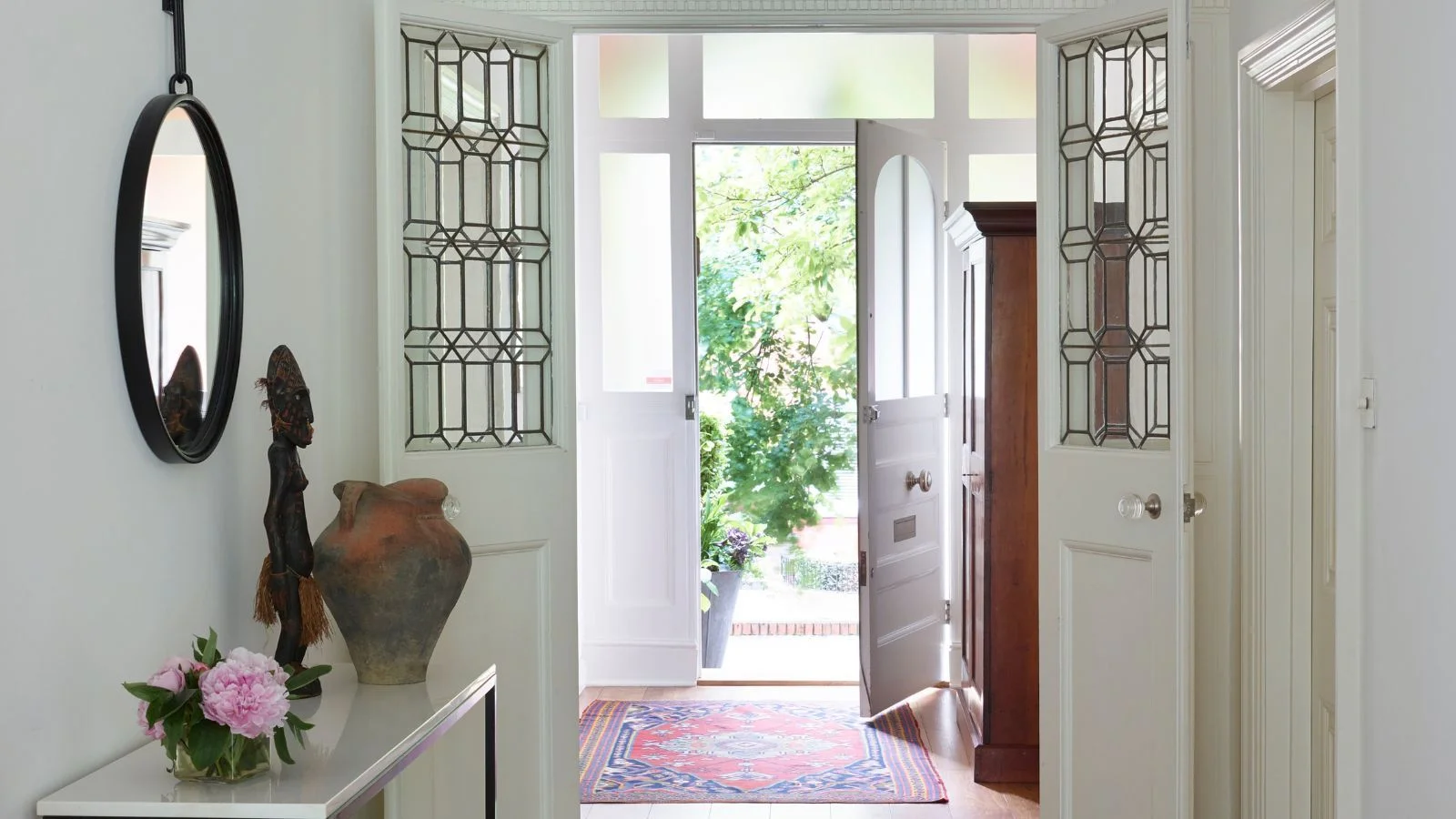
The Homes & Gardens piece explains a Lunar New Year tradition of opening at least one window and the front door at midnight to release stagnant energy and invite auspicious qi, a Feng Shui practice believed to bring health, wealth and harmony in the Year of the Fire Horse (2026). Experts advise preparing the space by cleaning entryways, turning on lights, and creating a gentle cross‑breeze by opening a window opposite the door for a brief period (about 1–3 minutes in winter, up to 5–10 minutes in milder weather). The piece also notes the psychological benefit of rituals for a fresh start and sense of control, plus practical cautions about security and décor or “lucky” buys to celebrate the occasion.
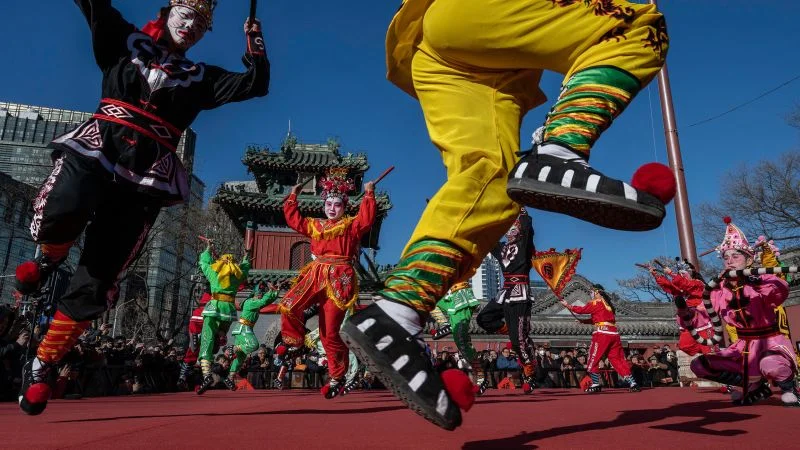
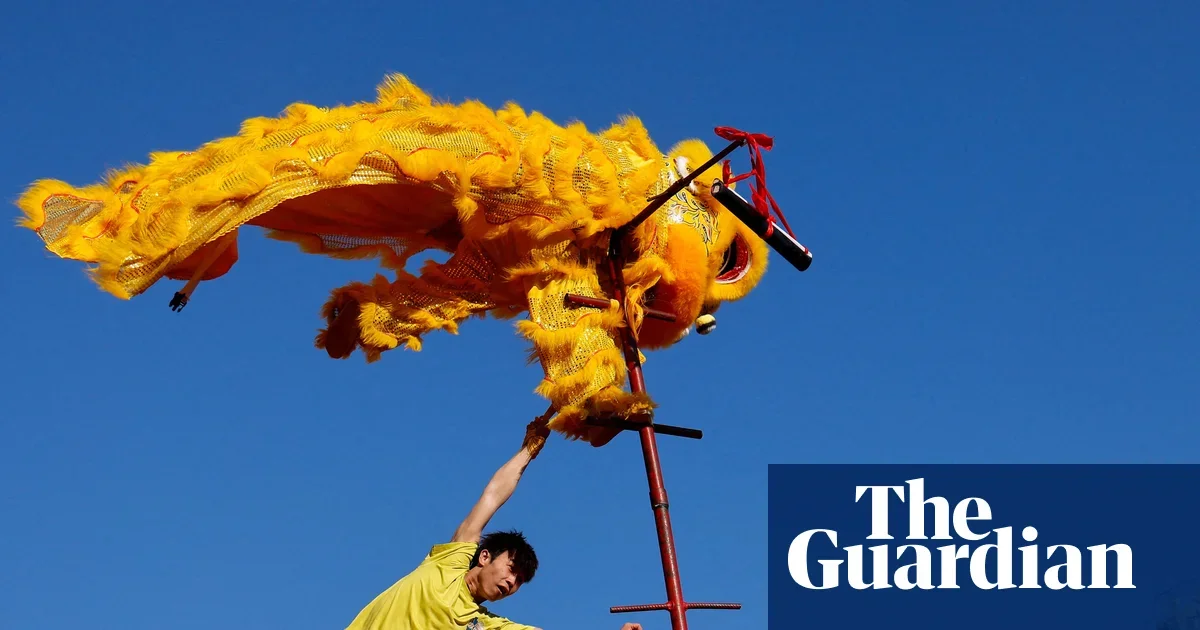
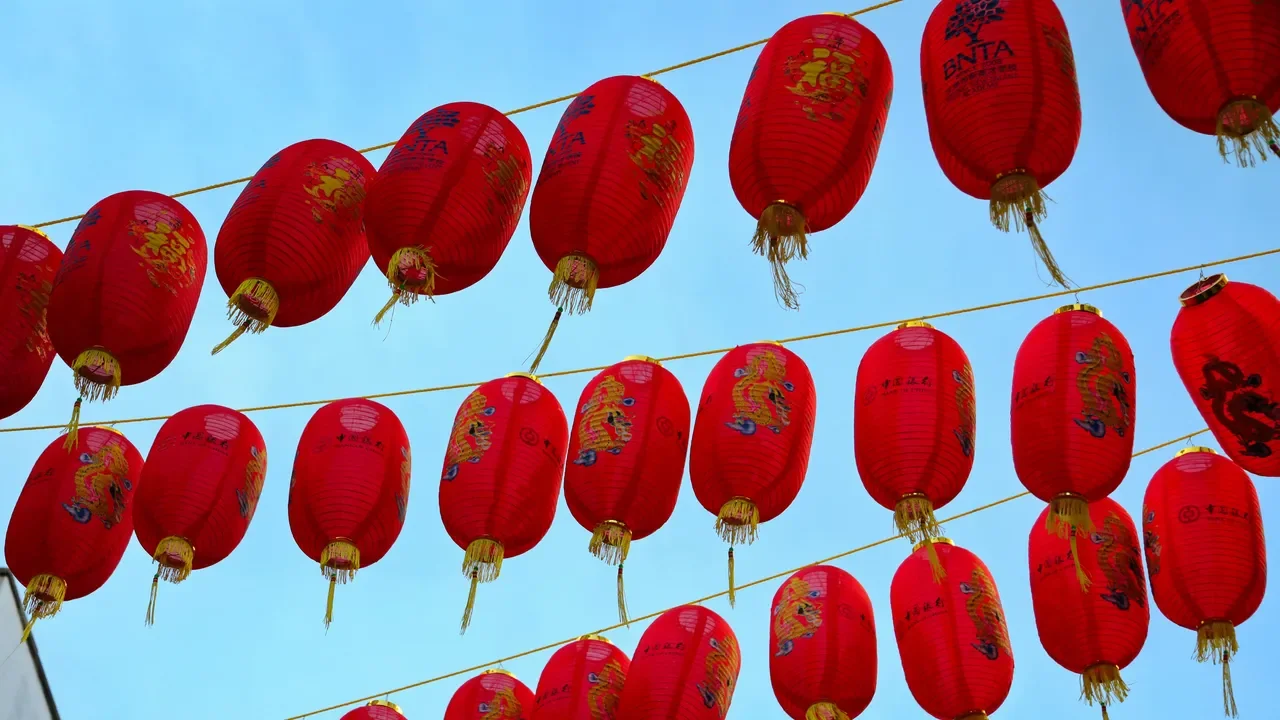
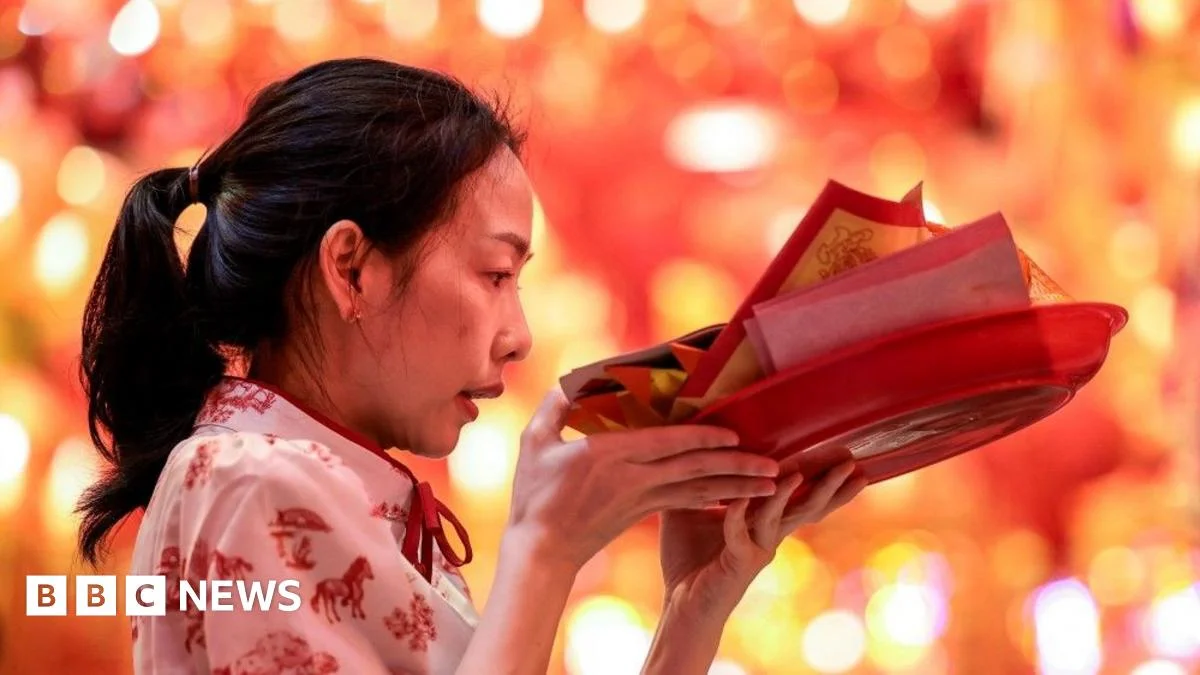
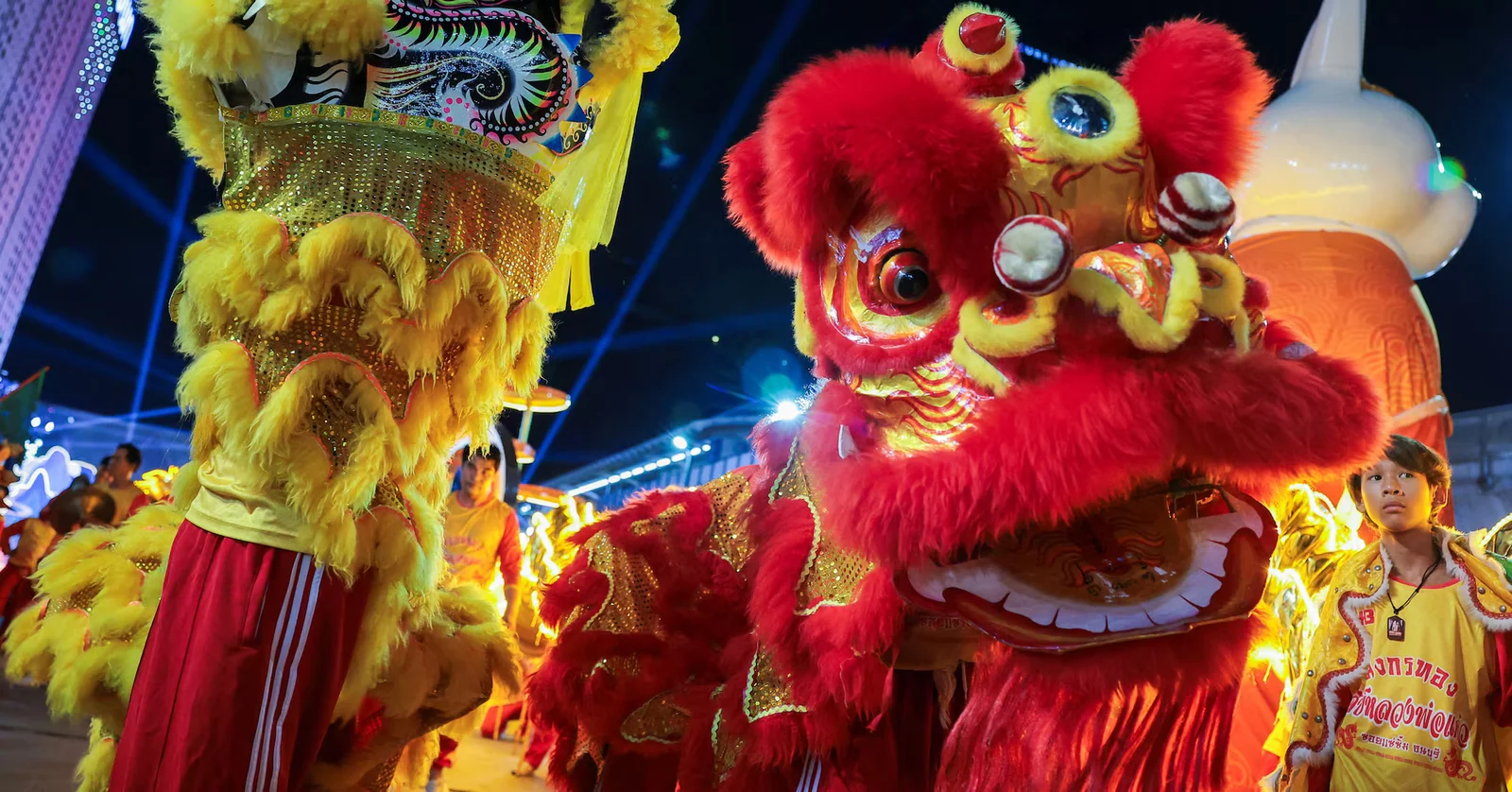
A global Guardian photo essay captures Lunar New Year 2026 celebrations across major cities—from Beijing and Hong Kong to Manila, Moscow, and New York—featuring incense rituals, lion and dragon dances, street parades, and vibrant community performances that mark the Year of the Fire Horse.
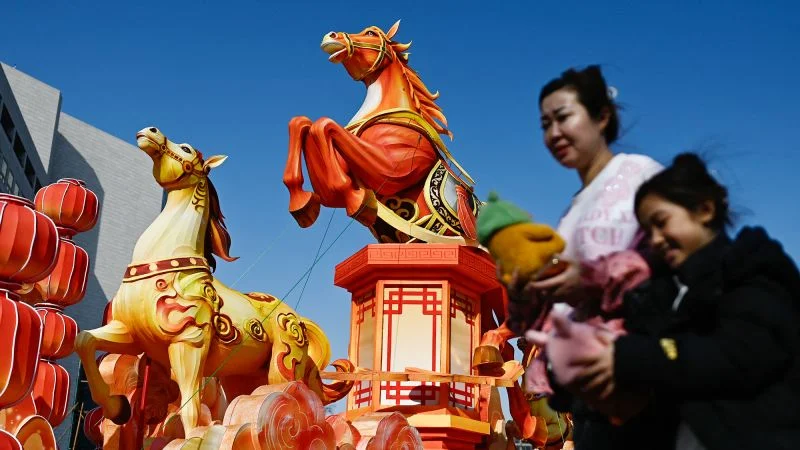
The 2026 Lunar New Year marks the Year of the Fire Horse (Feb 17, 2026–Feb 6, 2027), a rapid, fire-fueled period that urges bold, decisive action balanced with awareness of others. The article offers sign-by-sign guidance (Rat through Pig) on staying grounded, maintaining boundaries, focusing on meaningful goals, and using the Wu Xing elements to shape strategies for manifestation this year.
Chinese tourists are shunning Japan during the Lunar New Year amid a Beijing–Tokyo row over Taiwan, with Chinese arrivals in Japan almost halving in December and expected to fall as much as 60% year-on-year, as South Korea and other regional destinations gain popularity.
2026 marks the Year of the Fire Horse, a fiery cycle likely to boost fire-related sectors, influence weather and mood, and bring notable shifts across the zodiac. The Tai Sui (Grand Duke of Jupiter) alignment shapes each sign’s fortunes: Horses face major life changes in their Ben Ming Nian; Goats gain supportive stars; Monkeys enjoy steadier luck; Roosters see more love but must avoid gossip; Dogs experience stable money and family gains; Pigs heal after last year’s turbulence; Rats face health and travel shifts; Oxen should travel and choose partnerships carefully; Tigers benefit from good relationships and possible promotions; Rabbits must proceed with caution in love and work; Dragons are set for movement and career steps if they stay active; Snakes enjoy a calmer year but should balance elements and consider cooler travel.
Live coverage shows Lunar New Year celebrations underway from Sydney’s lion dances to Manhattan’s red Chinatown, while explaining the Year of the Fire Horse—an animal-element pairing that recurs every 60 years—along with greetings, cultural tidbits and personal stories from communities around the world.
Hundreds of millions of people will travel across China during the 40-day Lunar New Year period, with officials forecasting a record 9.5 billion domestic trips as rail and air travel swell and visa-free access for visitors from 45+ countries broadens international tourism.
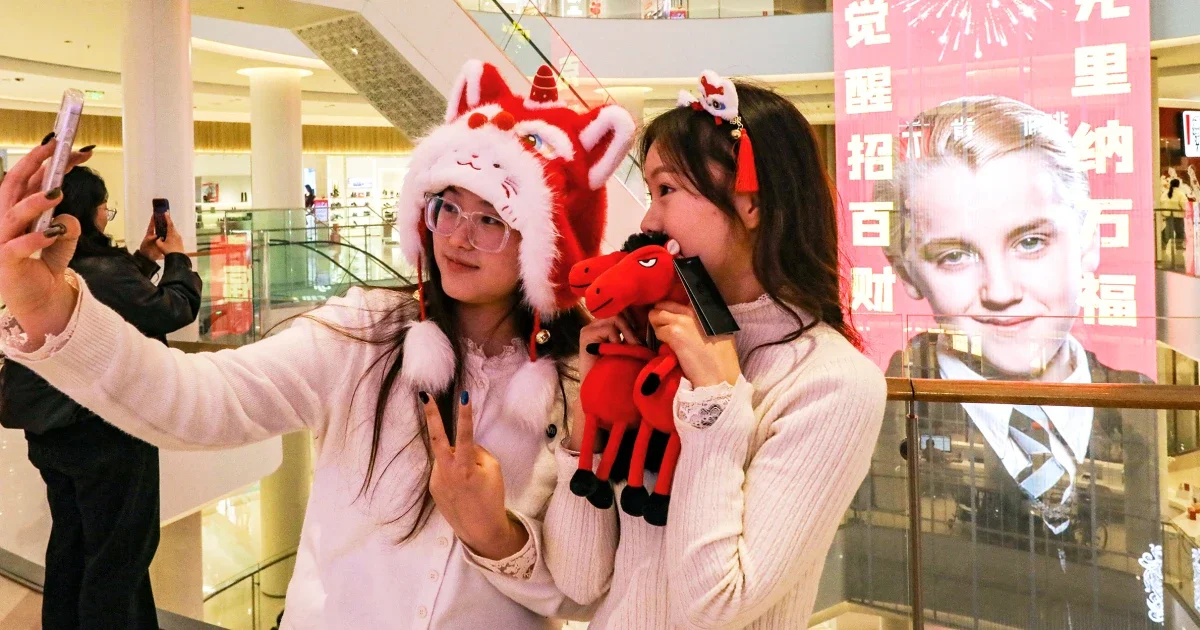
China’s Lunar New Year kicks off with a record 9.5 billion trips planned over 40 days as families reunite during the Year of the Horse (Fire Horse) and tech firms push AI promotions; viral trends include a 'crying horse' plush and Draco Malfoy door decorations tied to the Chinese reading of his name, amid hopes that extended holidays will lift consumption during an economic slowdown.
Hunt: Showdown's Update 2.6 adds a Lunar New Year Premium Story Challenge titled 'Game of Skill' releasing Feb 10 and running until Apr 7, 2026, priced at 1250 Blood Bonds with rewards including an avatar, Mosin-Nagant skin, Centering Breath First Aid Kit, Cavalry Saber, badge/frame, and a player title; the bundle provides better overall value than buying items separately. The team emphasizes balanced, non-grindy challenges and ongoing updates; Year of the Snake items Zhuge Liu, Spring Rain, and Snake Bell return in the discounted Coiled Serpent Bundle (Feb 10–Mar 17, 2026) with a free Gift of Peace charm. Pledge Marks will carry over into the core game post-event, and new map Supply Points (Postal, Clockmaker's, Sealed Hoard) will offer loot; a Battle Pass is planned for March. Free Story Challenges will continue to be added with major Updates, with more details to come.
Draco Malfoy has unexpectedly become a Lunar New Year symbol in China, with his Chinese name Ma-er-fu linked to horse and fortune for the Year of the Horse; Taobao sellers are selling Malfoy-themed decor, fans are posting his images on social media, and actor Tom Felton acknowledged the trend.
Axios explains that 2026 is the Year of the Fire Horse in Chinese astrology, a rare 60-year cycle associated with big, forward-moving changes after a period of reflection. The energy is seen as a prompt for major moves—new jobs, relocations, or relationships—but experts warn not to push too hard, since the intensity can backfire; Mercury will be retrograde Feb 26–Mar 20, often tied to glitches. The piece notes astrology offers a language for inner change, while astronomy explains the mechanics behind planetary motion.
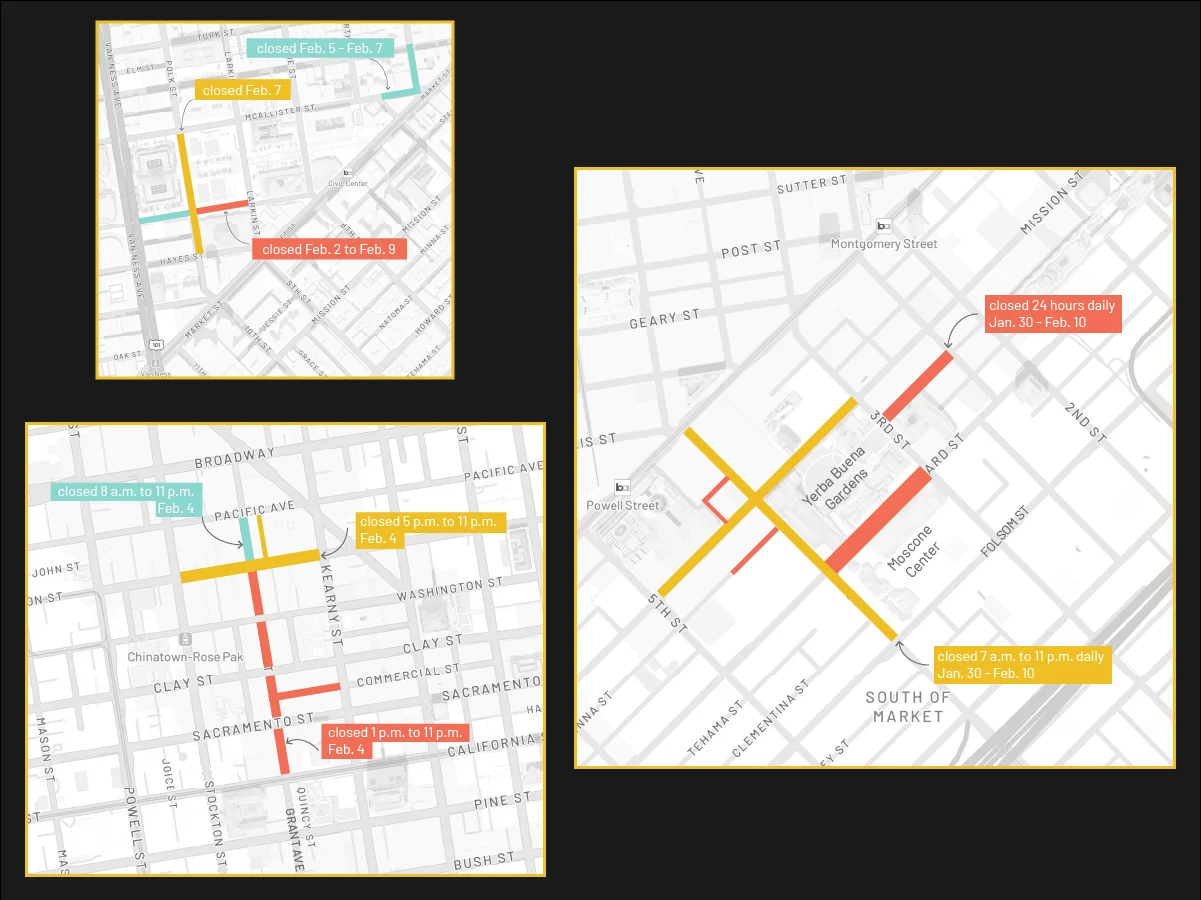
San Francisco offers many free happenings this Super Bowl week as most official events are ticketed. Highlights include the Chinatown Lunar New Year Block Party with lion dances and performances, panel discussions with AAPI chefs and former athletes, Visual Field: Super Bowl LX artwork in Dogpatch, a three-day Union Square fan zone, and a Ferry Building projection show, along with other free experiences and street closures—plus transit updates to help locals navigate the city without spending a dime.