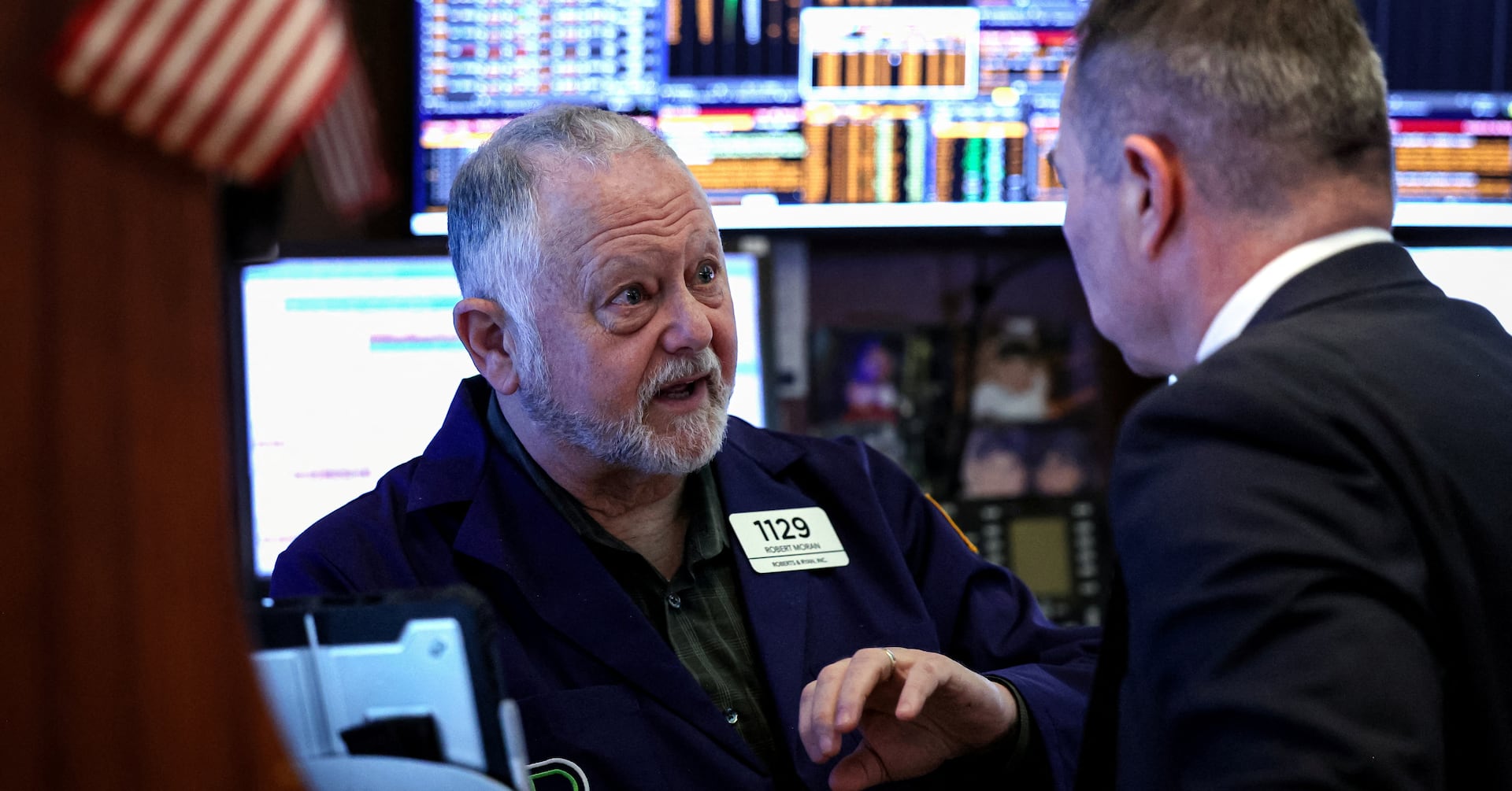
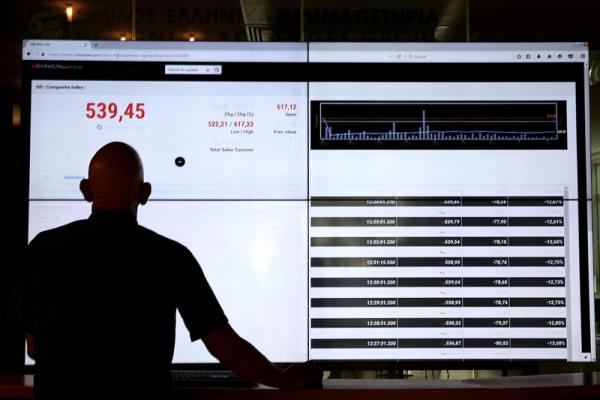
World shares showed mixed results following a decline in US markets driven by AI stocks, with traders awaiting US inflation data and Japan's interest rate decision; Asian markets experienced declines and gains, while oil prices rose after geopolitical developments.
Global shares mostly declined amid tech stock sell-offs and mixed economic signals, with concerns over US-China relations and upcoming economic data influencing markets worldwide.
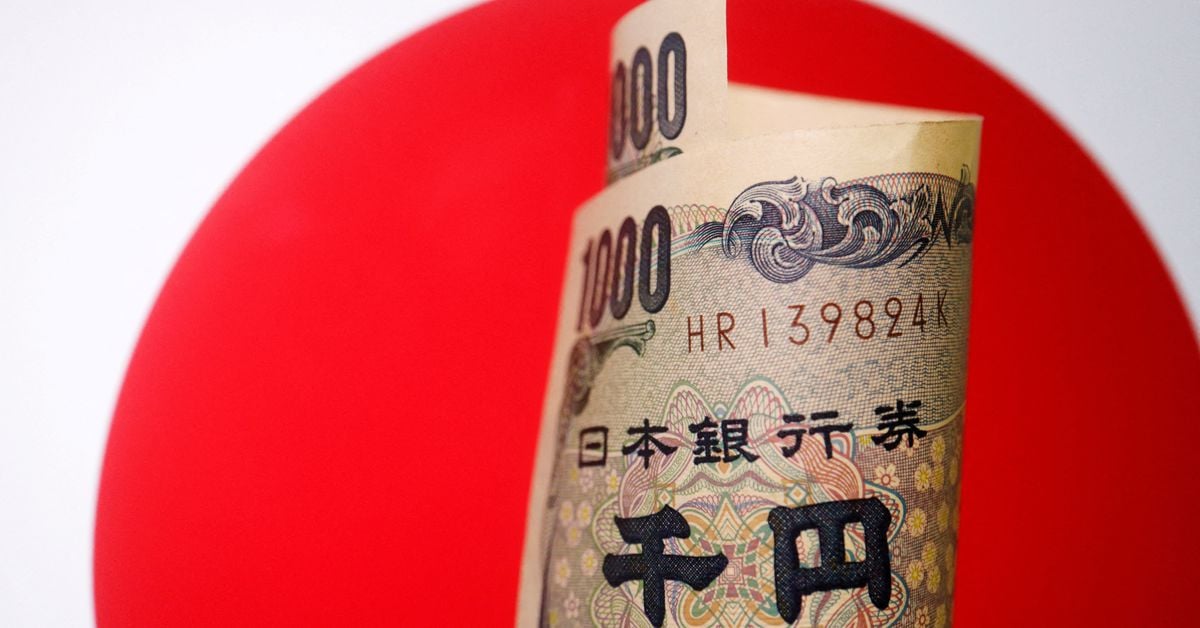
Global shares dipped and the yen slid after the Bank of Japan ended eight years of negative interest rates, shifting away from ultra-easy monetary policy and abandoning bond yield curve control. Investors are now focusing on the U.S. Federal Reserve's monetary policy meeting, with expectations of clues about the pace of interest rate cuts. The BOJ's move comes amid a busy week for central banks, including the Reserve Bank of Australia holding interest rates steady and the upcoming meetings of central banks in Britain, Norway, and Switzerland.
Global shares took a breather as investors assessed the Bank of Japan's (BOJ) decision to make its yield curve control policy more flexible, signaling a potential shift away from ultra-loose monetary policy. The yen and Japanese bond yields rose, while Chinese stocks rallied on hopes of further stimulus. Oil was on track for a fifth consecutive week of gains, supported by stronger-than-expected U.S. economic growth. In Europe, the STOXX index dipped after hitting a 17-month high, and the European Central Bank raised interest rates to their highest level in over two decades. The U.S. Commerce Department is set to release its Personal Consumption Expenditures (PCE) report, and the BOJ's policy shift could have significant implications for global money flows.
Global stock markets rose and the dollar rebounded as positive bank earnings and strong retail sales data in the US indicated a resilient economy, reinforcing expectations of an interest rate hike by the Federal Reserve next week. Bank of America reported a 20% surge in second-quarter profit, while Morgan Stanley beat analysts' estimates. Retail sales increased 0.2% last month, with core retail sales rising 0.6%. The dollar index rose, and futures indicated a 97.3% probability of a 25 basis point rate hike. Global stocks gained, with the Dow Jones Industrial Average rising 1.06%. Oil prices also climbed, and gold reached a one-month high.
Global shares remain steady, while the dollar retreats from five-week highs ahead of another round of talks among U.S. lawmakers to resolve the deadlock over the government's borrowing limit. Investors remain wary of negotiations over the U.S. government debt-ceiling, as without an agreement, the government might not be able to pay its bills. Other assets such as commodities got no lift from the retreat in the dollar, as concern about demand from China and the resilience of the global economy dented the likes of copper and crude oil.
Global shares rose and the dollar remained near two-month lows after U.S. inflation data suggested the Federal Reserve may soon be finished raising interest rates, which in turn kept gold above $2,000 an ounce. The euro hit a 2-1/2 month high at $1.103. Investors are positive on Europe, where blue-chip stocks hit a two-decade peak on Wednesday, and reckon Europe's central bankers will need to be more hawkish longer than their U.S. counterparts to rein in rising prices.
Global shares rose as stability in the banking sector emboldened investors, but safe-haven assets like bonds and gold remained steady. Shares in Asia rallied after Alibaba's plans to split into six units lifted tech stocks. The MSCI All-World index rose 0.3%, while European shares gained 0.92%, thanks in part to a rise in bank shares after UBS said it would rehire Sergio Ermotti to lead the company after its takeover of Credit Suisse. Oil rose for a third straight day, while gold dipped.
Global shares edged higher as First Citizens BancShares announced it would take the deposits and loans of failed Silicon Valley Bank, easing concerns about banking stress. The pan-European index rose 1%, while the STOXX banks index jumped 2.3% in early trading. Deutsche Bank shares rose about 4% after leading declines in the sector on Friday. Minneapolis Fed President Neel Kashkari said officials were watching closely to see if banking stress led to a credit crunch that threatened to tip the economy into recession. Oil prices were little changed, nursing losses of almost 10% for the month as worries about global growth undermine commodities in general.