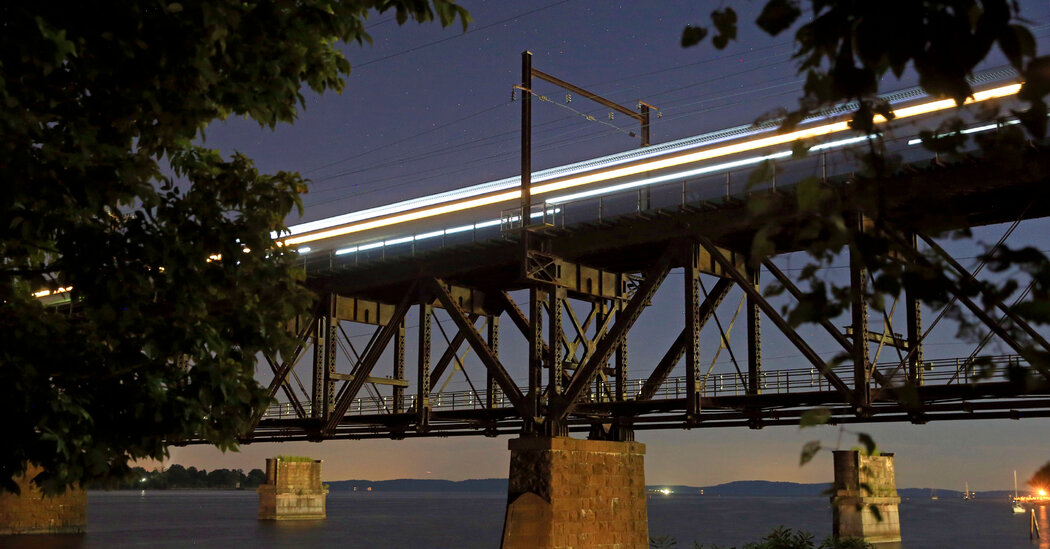
Despite his strong opposition to the 2021 infrastructure law, former President Donald Trump is now being credited on signs at major projects funded by the law, such as a bridge replacement in Connecticut, leading to a discrepancy between his stance and the recognition of the projects' funding.
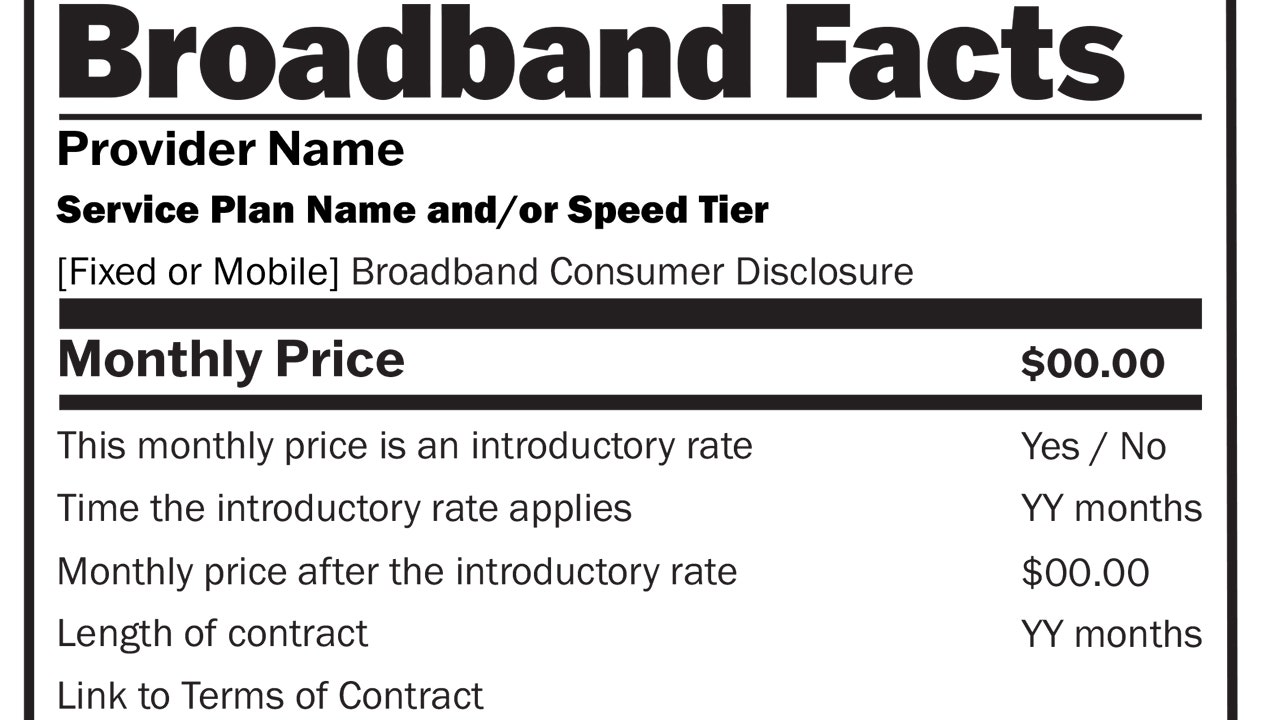
The FCC has implemented new rules requiring broadband internet providers to display "nutrition label" style disclosures for their plans, detailing speeds, costs, data limits, and other critical information at the point of sale. These labels, which must be implemented by both large and small providers, aim to provide consumers with transparent and accessible information about broadband prices and services, as mandated by the bipartisan infrastructure law. The FCC also plans to make the labels machine-readable by 2024 to facilitate comparison-shopping tools for consumers.
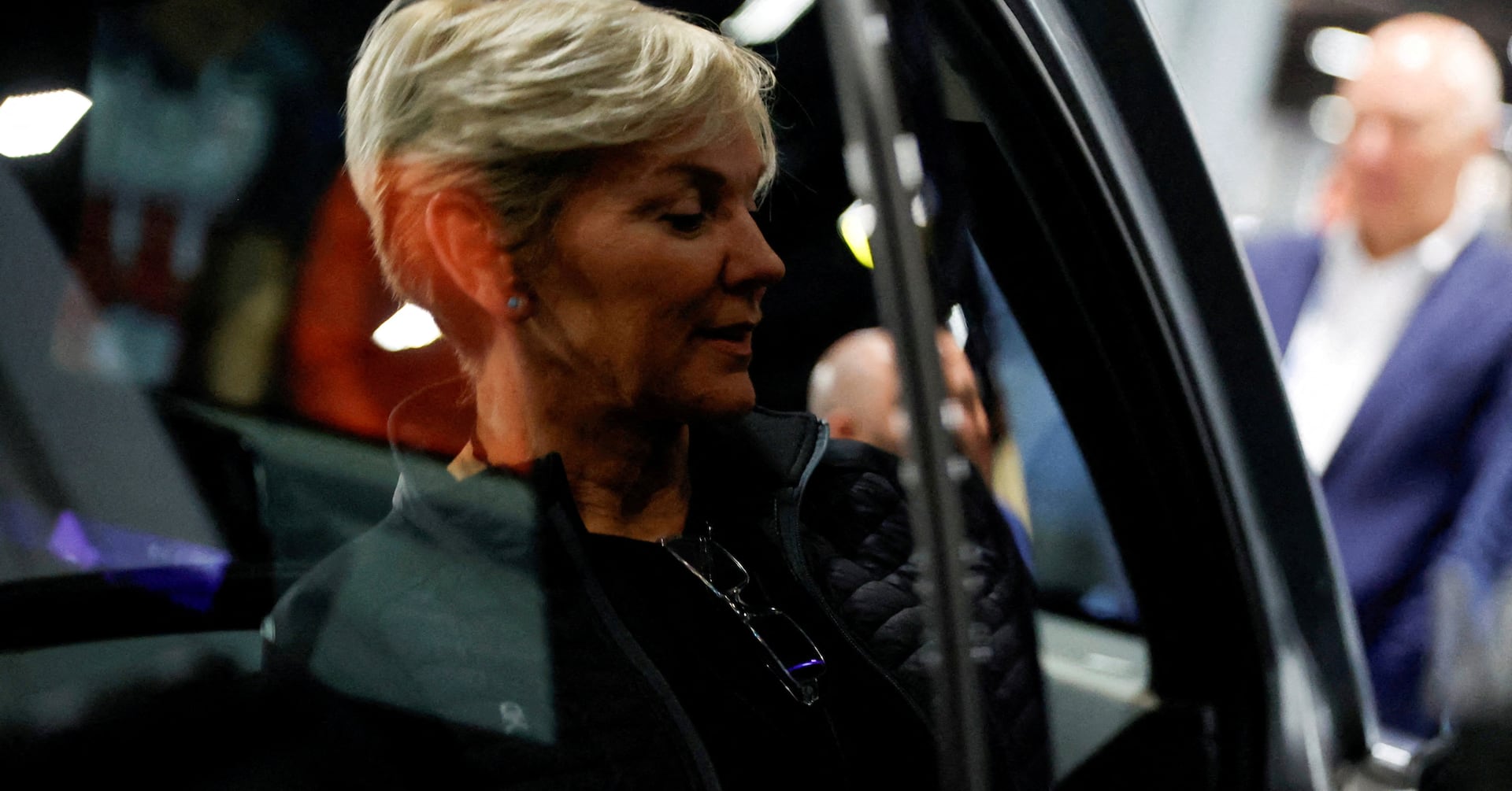
The U.S. Department of Energy is allocating $750 million to support 52 projects in 24 states aimed at advancing the production and use of clean hydrogen, a key element in reducing reliance on fossil fuels and cutting emissions from hard-to-decarbonize industries. The funding, derived from the 2021 bipartisan infrastructure law, will aid in various aspects of the hydrogen industry, including research and development on electrolyzer production, supply chain security, and material recycling. This initiative aligns with the U.S.'s goal of producing 10 million tonnes of clean hydrogen by 2030 and lays the groundwork for the administration's $7 billion hydrogen hub program.
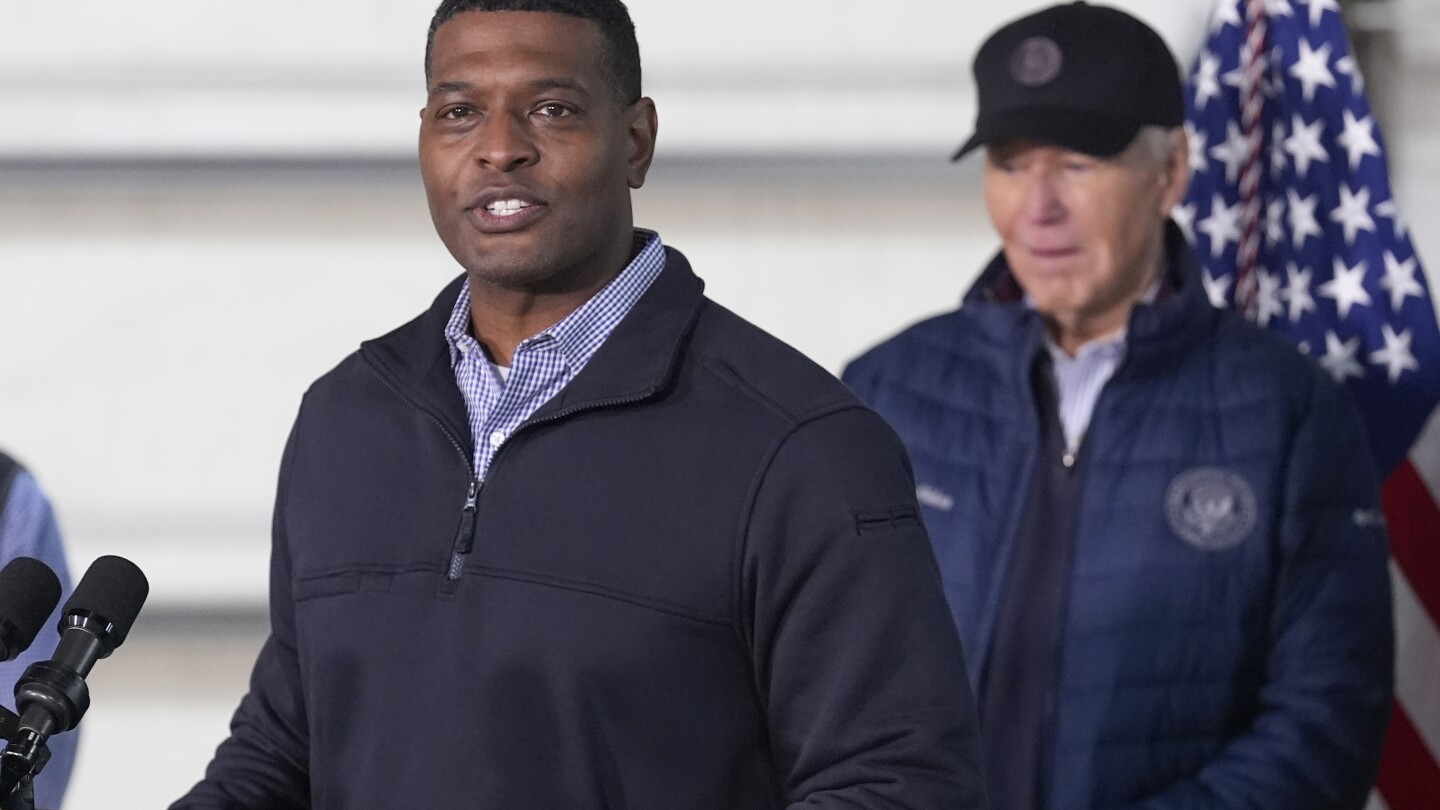
The Biden administration is allocating $5.8 billion for water infrastructure projects across all 50 states, bringing the total to $22 billion from the bipartisan infrastructure law. This funding, part of the $1 trillion law, will support upgrades to water treatment plants, distribution systems, and lead pipe replacement, with a focus on clean water initiatives.
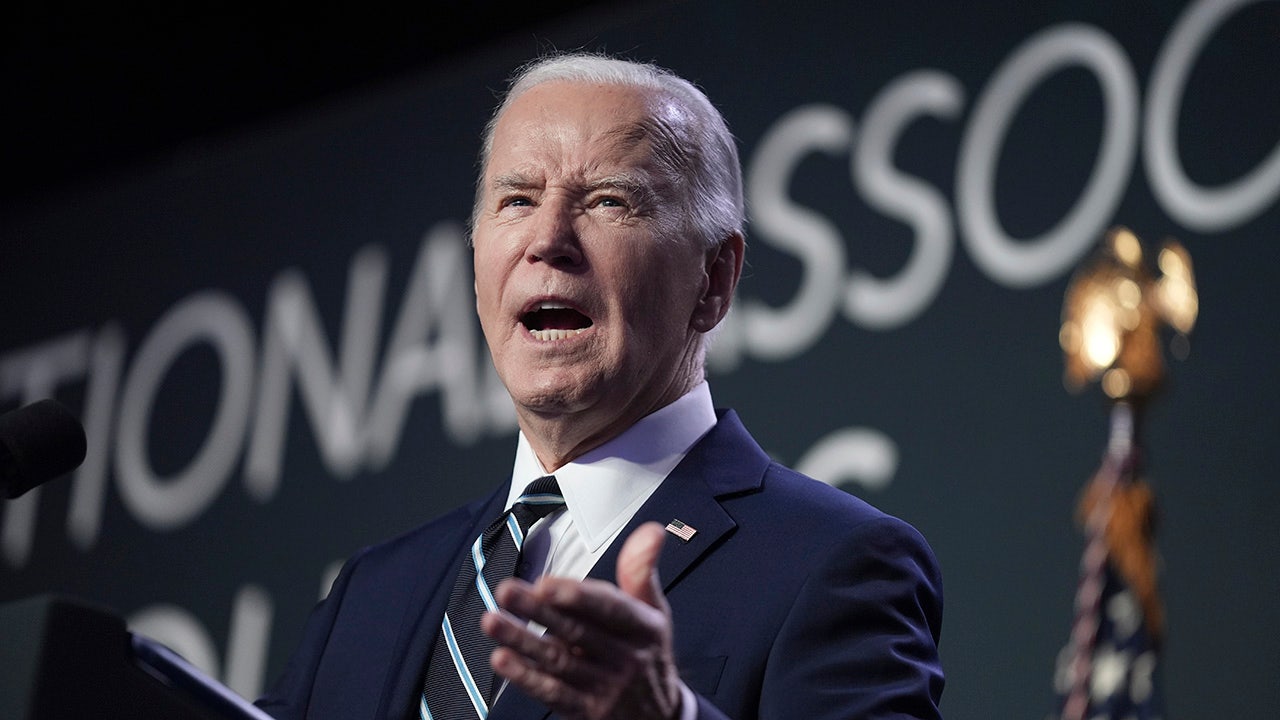
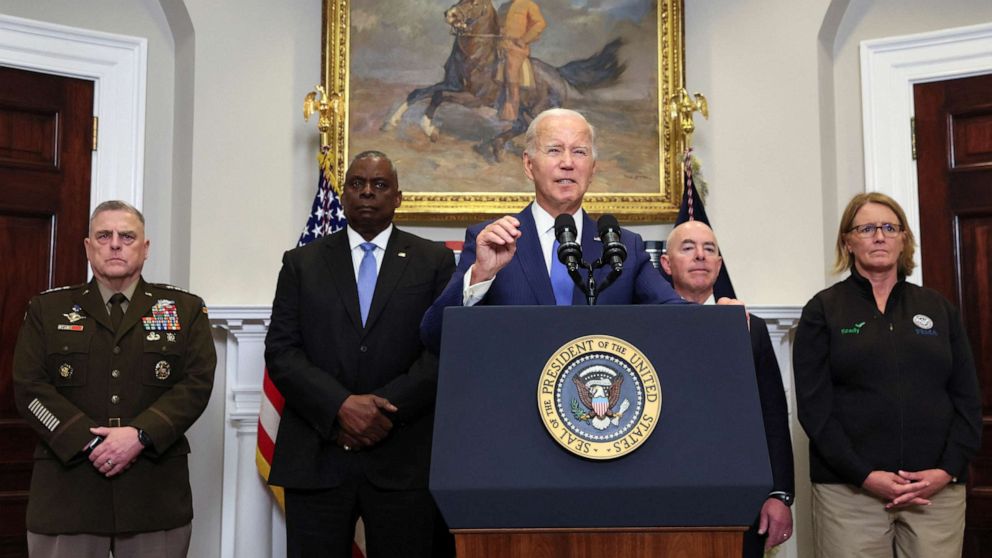
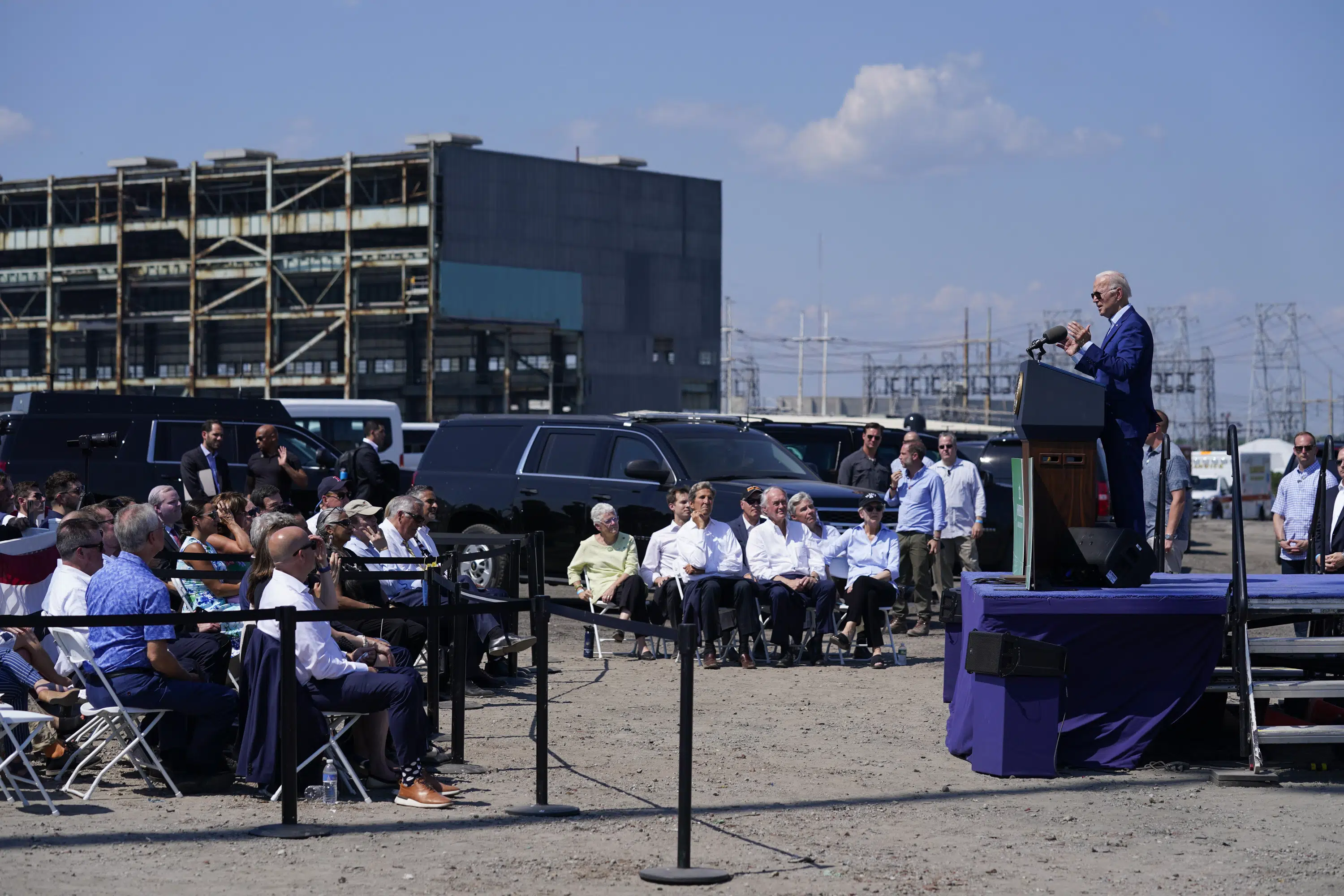
President Biden made a memory joke during a speech, seemingly referencing the Hur report's mention of his poor memory, and later returned to add a final comment. He also criticized Republicans for opposing a $118 billion spending agreement and claimed a victory for the economy, citing job growth and falling inflation.
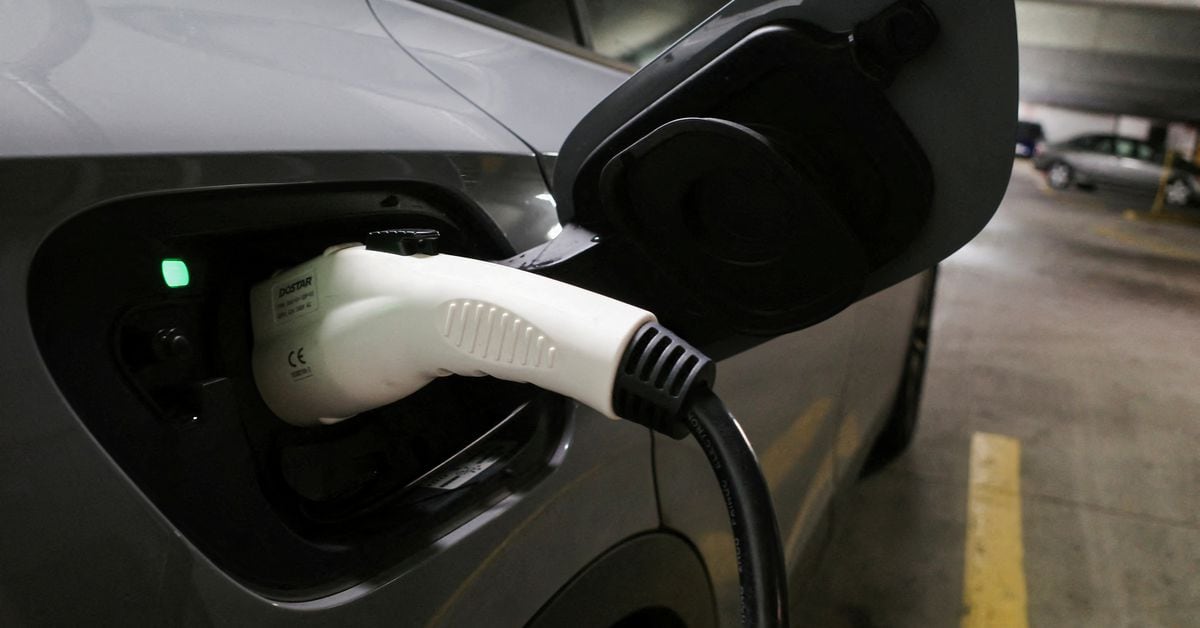
The first electric vehicle (EV) charging station funded by the $7.5 billion U.S. government program has started operating in Ohio, marking a significant step towards expanding the nationwide network of chargers. The White House aims to have 500,000 charging stations, including high-speed chargers, across the country, with the funding coming from the $1 trillion 2021 infrastructure law. Ohio is the first state to open a charging station, while Vermont, Pennsylvania, and Maine have also begun construction on new stations. The United States currently has over 165,000 public charging ports, and the number of fast charging ports has increased by over 70% since the start of the Biden administration.
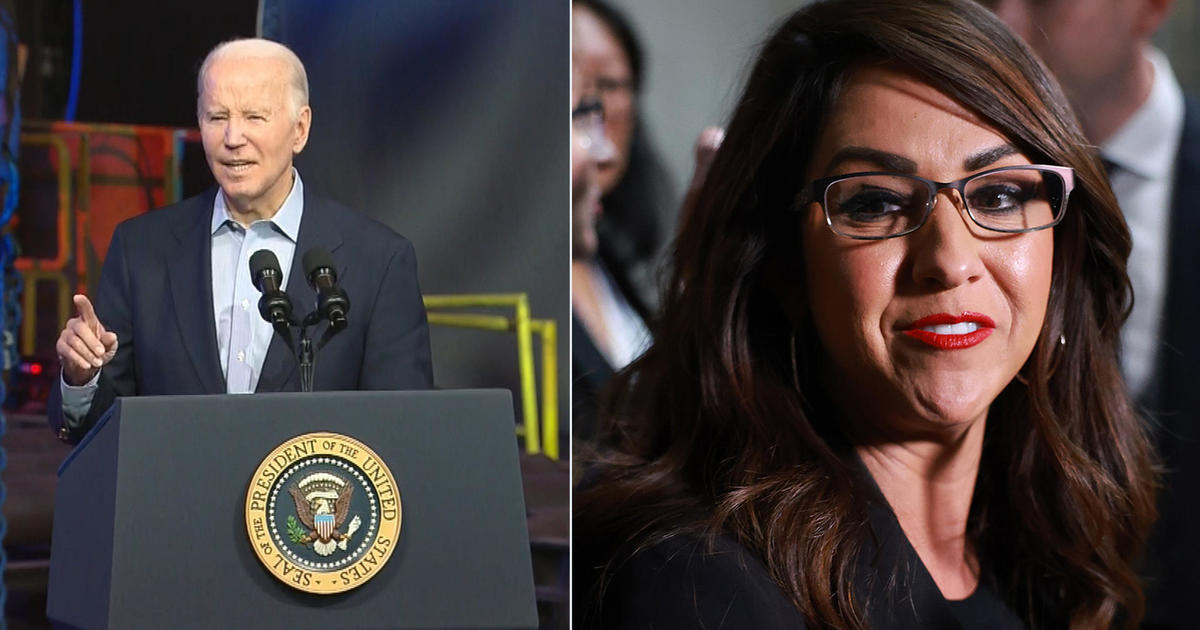
President Joe Biden criticized Rep. Lauren Boebert during his visit to Colorado, attacking her for voting against the infrastructure law and repealing key parts of it. Biden praised the investments made possible by the law and highlighted the job opportunities it created. Boebert defended her voting record and referred to Biden's sinking poll numbers. The attacks come ahead of the 2024 general election, with Boebert's previous challenger, Adam Frisch, absent from the event. Biden referred to Boebert as a leader of the "extreme MAGA movement" and defended the law's benefits for Colorado's economy. Boebert responded with political jabs on social media, criticizing Biden's stance on fossil fuels and the Green New Deal.
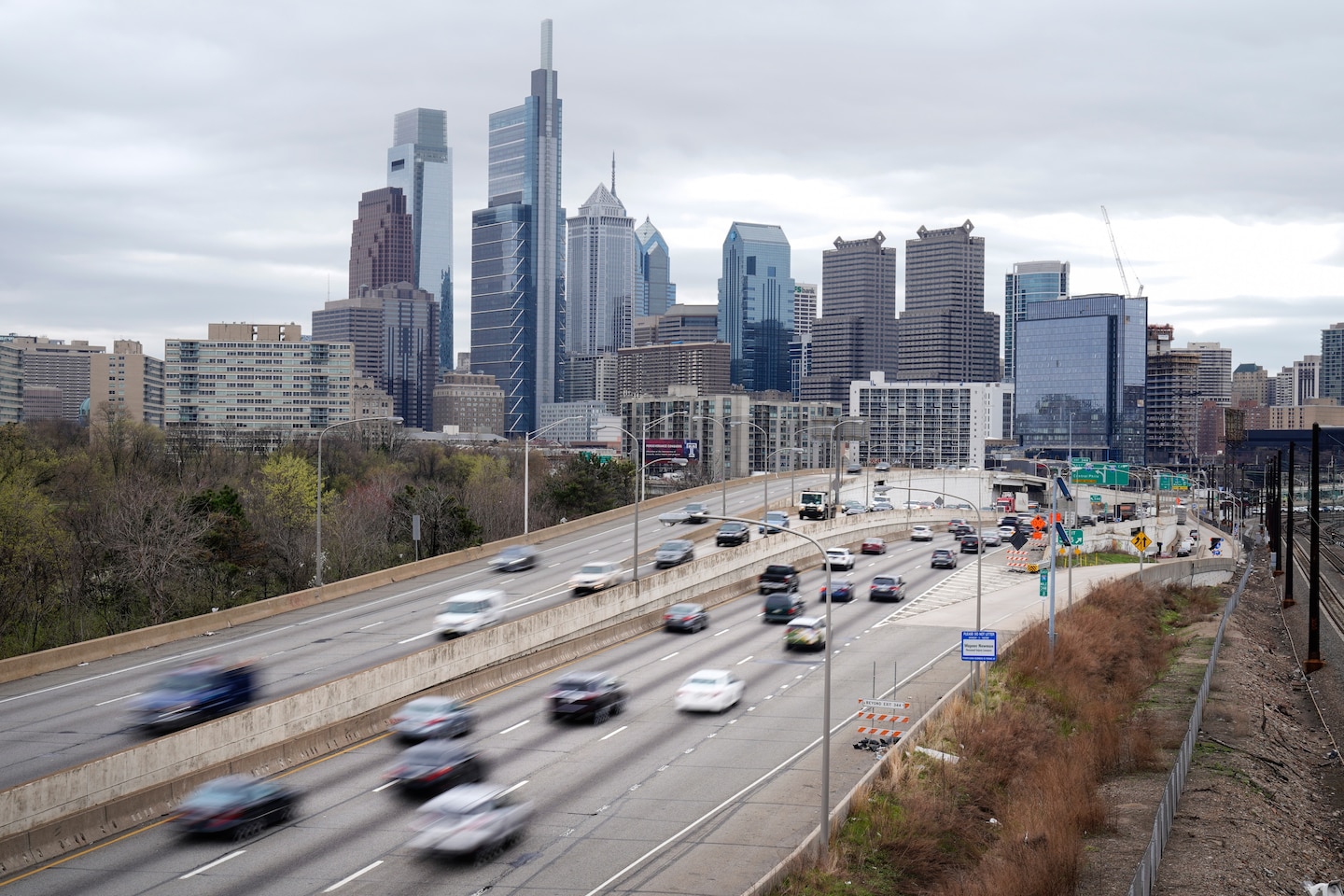
The Federal Highway Administration has issued a new rule requiring states and urban areas to set goals for reducing carbon emissions from cars and trucks on their roads, linking highway funding to environmental priorities. While environmentalists and some Democratic-led states support the rule, many state transportation agencies oppose it, questioning the federal government's legal authority to enforce it. Transportation is the largest source of greenhouse gases in the US, and the rule aims to encourage states to prioritize funding for transit, electric vehicle charging, and greener forms of transportation. The rule does not penalize states if their emissions increase, and the first targets must be set by February 1. The rule is expected to face opposition from Republican lawmakers and conservative states.
The Biden-Harris Administration has announced up to $3.5 billion in funding from the Bipartisan Infrastructure Law to strengthen domestic battery manufacturing in the United States. The investment aims to create new and expanded facilities for battery-grade processed critical minerals, battery precursor materials, battery components, and cell and pack manufacturing. The funding supports the administration's goals of reaching a net-zero emissions economy by 2050, increasing electric vehicle sales, and building a domestic supply chain. The initiative prioritizes creating good-paying union jobs and reducing reliance on foreign entities for critical minerals and battery materials. The Department of Energy is administering the funding and is accepting concept papers until January 9, 2024.
The Biden administration has allocated over $1.4 billion to fund 70 railway projects across 35 states and Washington, D.C., aimed at improving railway safety and capacity. The funding, with a significant portion coming from the 2021 infrastructure law, will support track upgrades, bridge repairs, and enhanced connectivity among railways. One notable project includes restoring passenger service along the Gulf Coast for the first time since Hurricane Katrina in 2005. Other projects involve eliminating rail crossings in California, upgrading rail infrastructure in Washington state and Kentucky, and improving bridges on short-line railroads in Tennessee.
President Joe Biden has pledged $95 million from the Bipartisan Infrastructure Law to aid in the rebuilding efforts of Maui, Hawaii, following the deadly wildfires that ravaged the island. The funds will be used to put electrical wires underground, use stronger poles, clear brush, and improve emergency response technology. Biden aims to create a stronger and more resilient future for Maui, ensuring that electricity can reach homes, hospitals, and water stations even during storms or intense weather.
U.S. Transportation Secretary Pete Buttigieg concluded his visit to Alaska by emphasizing the importance of the state's ferry system. The Biden administration's infrastructure law has allocated over $286 million in federal funding to the Alaska Marine Highway System, including funds for new ferry terminals and ships. This marks a significant policy change as the federal government will now subsidize ferry operations in Alaska. Supporters of the ferry system believe this funding will help salvage and modernize the system, which has been struggling due to budget cuts. However, challenges such as hiring new workers and addressing pay and benefits issues still remain.
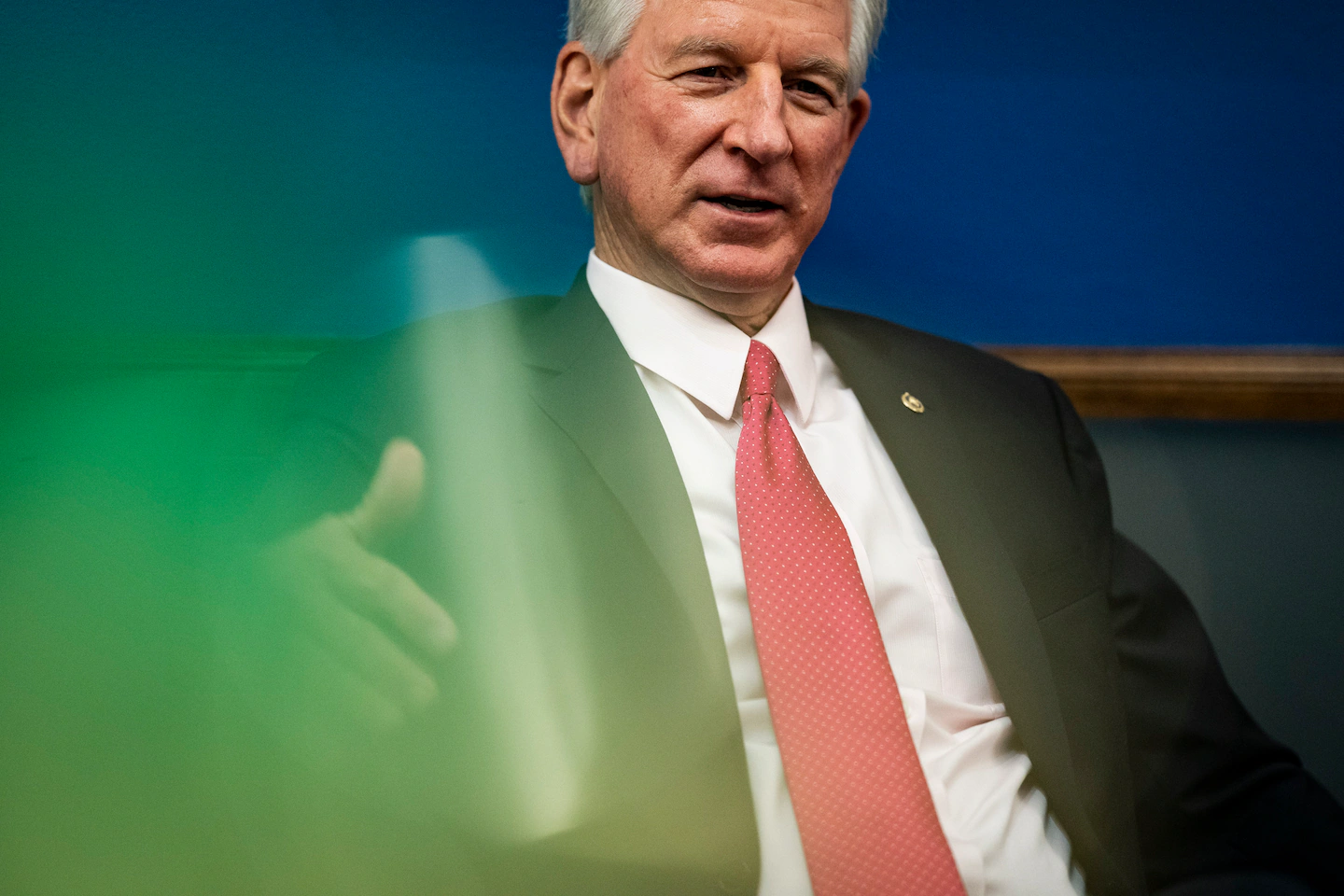
President Biden is calling out congressional Republicans who voted against the bipartisan infrastructure law but are now celebrating the funding it provides for broadband expansion in their states. Biden mocked Senator Tommy Tuberville of Alabama, who opposed the bill but later hailed the passage. The Biden administration aims to deliver reliable broadband to the entire country by 2030, with Alabama receiving $1.4 billion in funding. Other Republicans who have praised the funds for their states have also faced backlash. The White House is highlighting the contrast between Democratic policy efforts and Republican opposition.
The U.S. Department of Transportation’s Federal Transit Administration (FTA) has announced 130 awards totaling nearly $1.7 billion from President Biden’s Bipartisan Infrastructure Law for transit projects in 46 states and territories. This funding invests in more than 1,700 American-built buses that will be manufactured with American parts and labor. Nearly half of these buses will be zero-emission models, bringing the total number of zero-emission transit buses funded by the Bipartisan Infrastructure Law over two years to more than 1,800.
President Joe Biden's administration is making $450 million available for up to five clean energy projects at current or former coal mines, with at least two projects set aside for solar farms. The White House will allow developers of clean energy projects to take advantage of billions of dollars in new bonuses being offered in addition to investment and production tax credits available through the 2022 Inflation Reduction Act. The bonuses will incentivize more clean energy investment in energy communities that have been hurt by a decline in U.S. coal production.