
infrastructure3.765 min read
Coast Guard Approves Cheaper I-5 Bridge Plan, Eyeing Start This Year
1 month ago•Source: Oregon Public Broadcasting - OPB

The latest infrastructure stories, summarized by AI
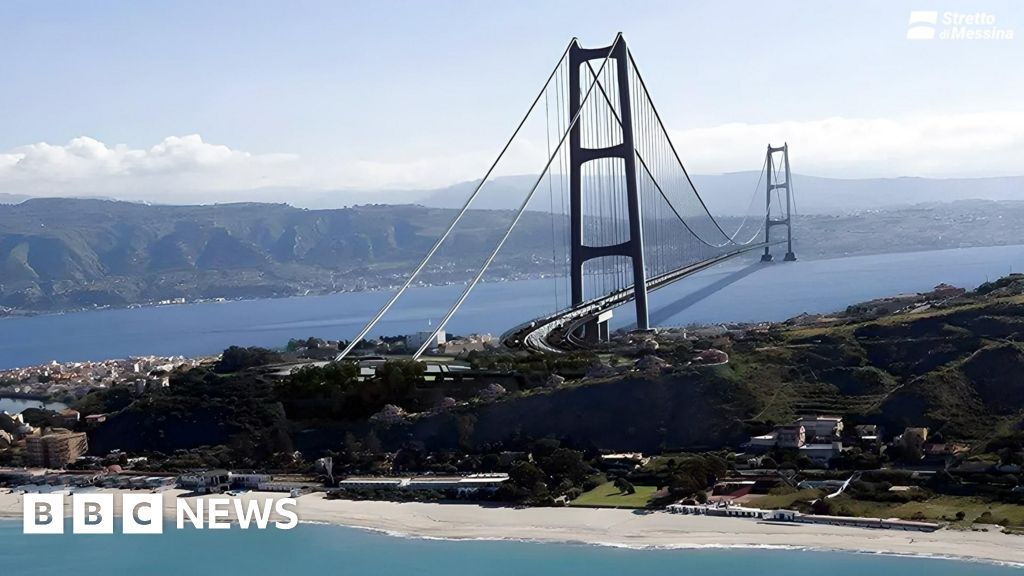
Italy has approved a €13.5 billion project to build the world's longest suspension bridge connecting Sicily to Calabria, aiming to boost economic growth and create jobs, despite environmental, safety, and political challenges. The bridge, spanning 3.3 km with high towers and railway lines, faces potential delays due to legal, environmental, and local opposition concerns, but is considered a significant investment for Italy's future.
Newsmax•1 year ago
WSB Atlanta•1 year ago
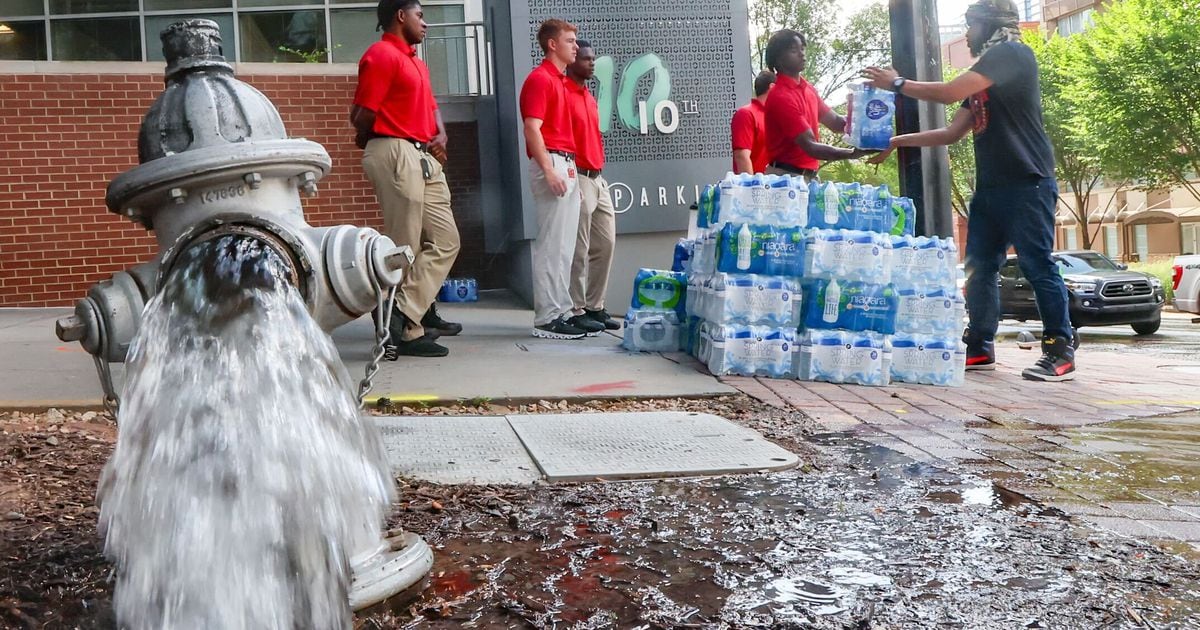
Atlanta is facing a severe water crisis due to two major water main breaks in Downtown and Midtown, leading to restaurant closures, event cancellations, and a boil water advisory affecting thousands of residents. The crisis has highlighted the city's aging infrastructure and communication failures, drawing criticism from both residents and business leaders. Despite the immediate challenges, city officials and stakeholders remain optimistic about Atlanta's resilience and long-term growth prospects.
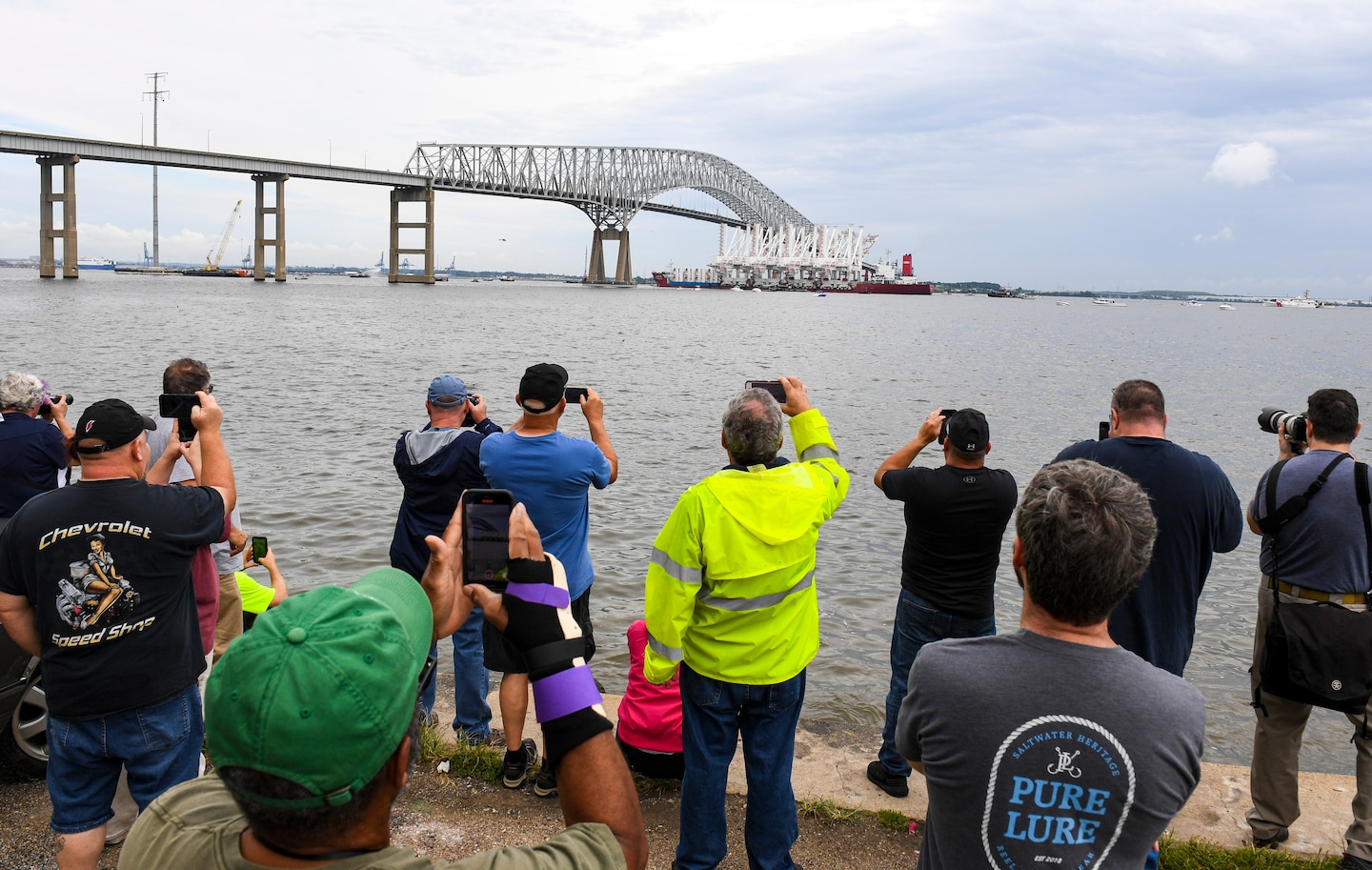
Maryland officials are seeking private industry proposals to design and build a replacement for the Key Bridge by October 2028, following its collapse due to a cargo ship accident. The new bridge must be visually attractive, minimize piers in the Patapsco River, and include advanced vessel collision protection. The project, estimated to cost $1.7 to $1.9 billion, aims to alleviate local commute congestion and support the regional economy. Federal funding and bipartisan cooperation are crucial for the project's success.
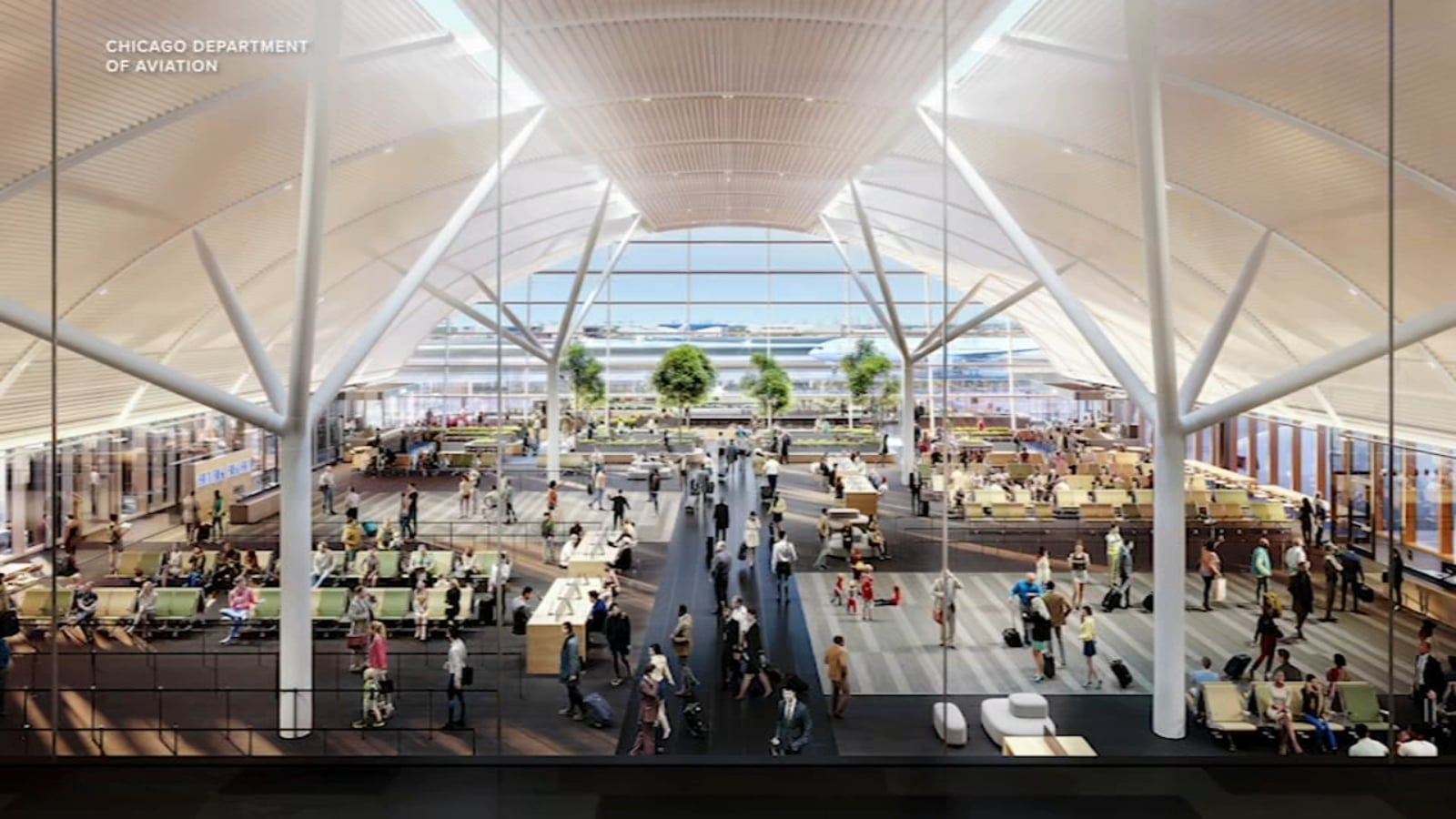
Chicago O'Hare Airport's modernization project unveiled designs for Satellite Concourse 1, featuring new amenities and design elements. The project, part of the O'Hare 21 Terminal Area Plan, will add 19 new gates and is expected to create around 3,800 jobs. Completion is targeted for 2028, with potential further expansions if the budget allows.
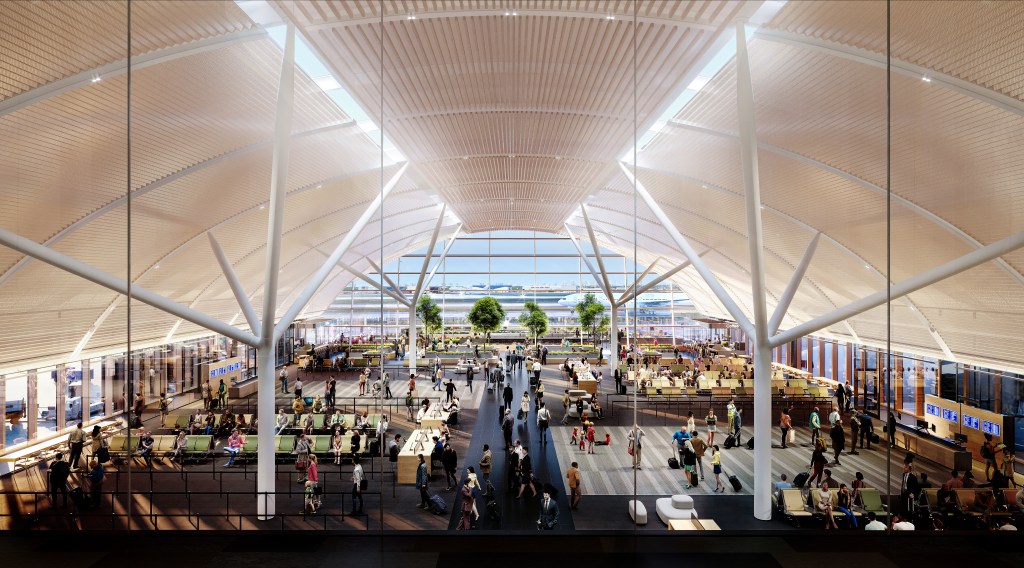
Chicago Mayor Brandon Johnson unveiled new plans for O’Hare International Airport’s terminal expansion, including a new Global Terminal and two satellite concourses. Despite the progress, questions remain about the timeline, cost, and design. The project, initially estimated at $8.5 billion, has faced delays and budget overruns. The first satellite concourse is expected to be completed by 2028, with the second contingent on available funds. The expansion aims to modernize the airport and improve connectivity between domestic and international flights.
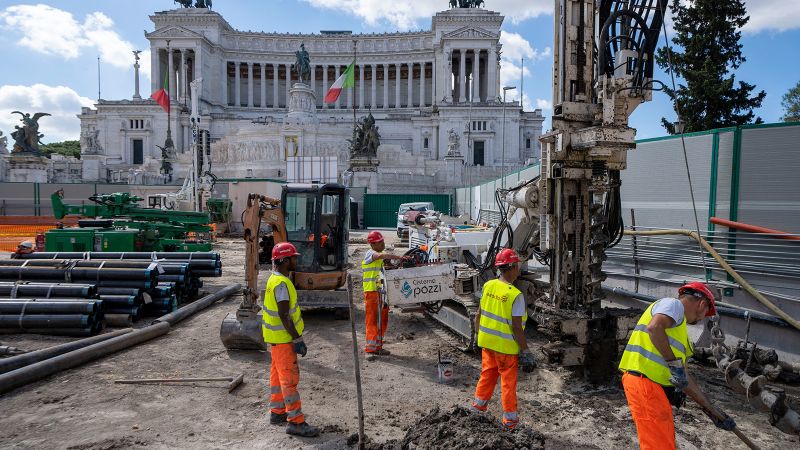
Rome's ambitious Metro Line C project, initially planned for the 2000 Catholic Jubilee, aims to alleviate traffic and celebrate the city's rich archaeological history with an eight-story underground museum. The project has faced delays due to numerous archaeological finds, including ancient walls and artifacts, which are being preserved and incorporated into the museum. The line, set to be fully automated and driverless, is now expected to open by the 2033 Jubilee, significantly reducing traffic and CO2 emissions.
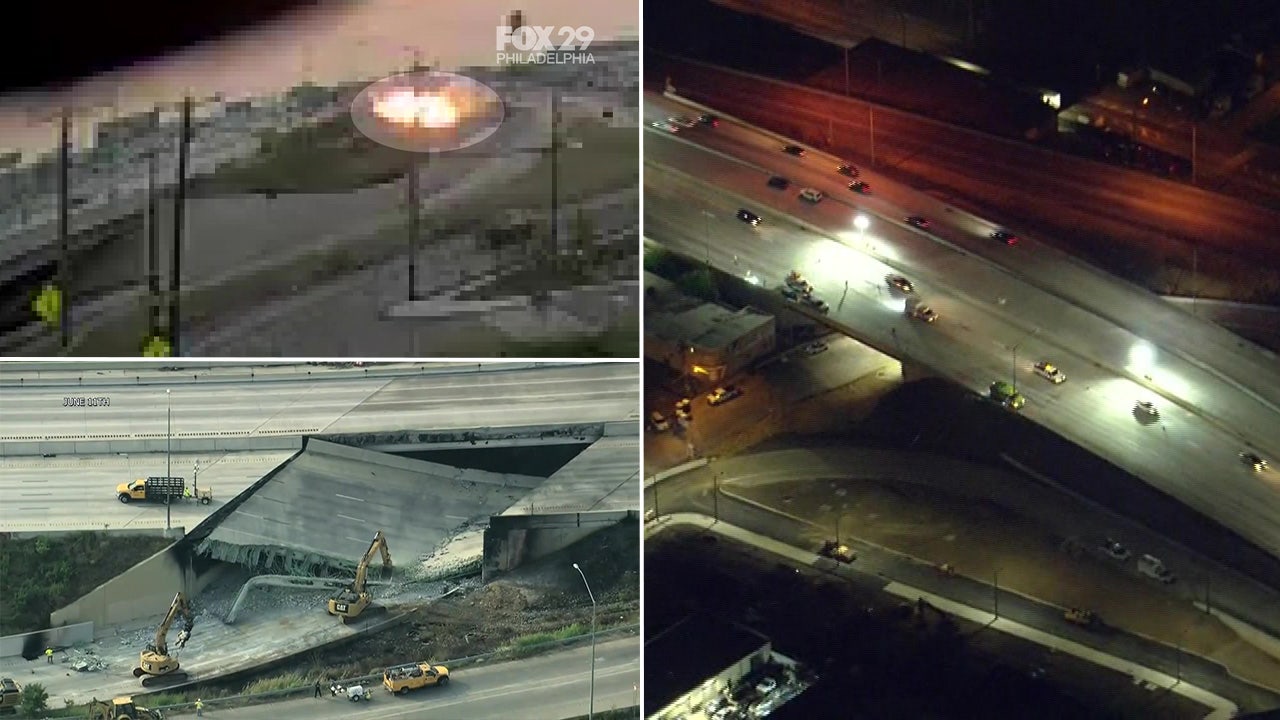
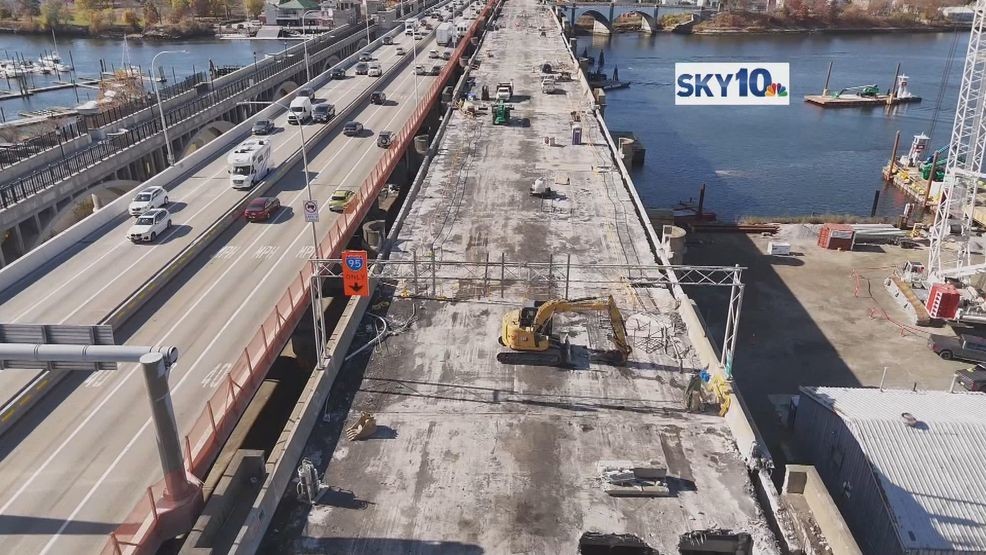
Less than a year after a tanker fire caused a section of I-95 in Philadelphia to collapse, all eight lanes have reopened. The highway was temporarily fixed in record time, allowing traffic to resume while permanent repairs were completed. Pennsylvania Gov. Josh Shapiro and other officials commemorated the reopening.
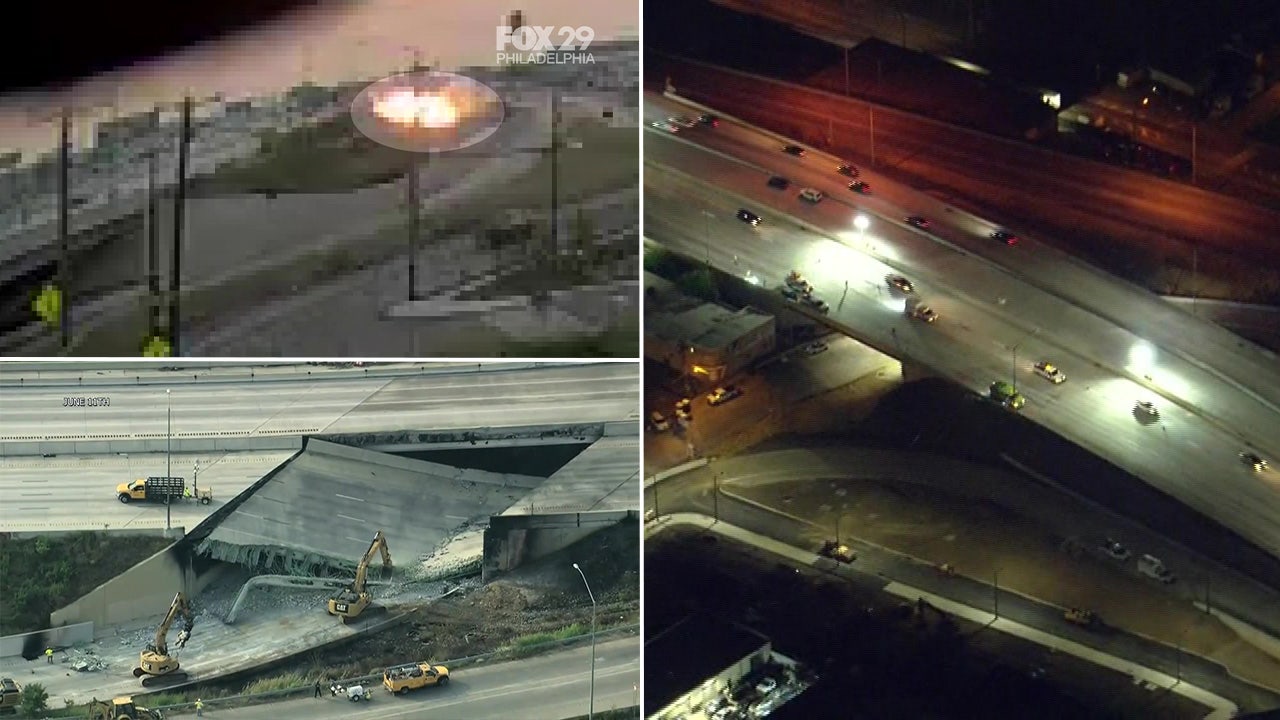
Less than a year after a tanker fire caused a section of I-95 in Philadelphia to collapse, all eight lanes have reopened. The highway was temporarily fixed in record time, allowing traffic to resume while permanent repairs were completed. Pennsylvania Gov. Josh Shapiro and other officials commemorated the reopening, highlighting quick federal funding and disaster declarations that facilitated the rapid reconstruction.
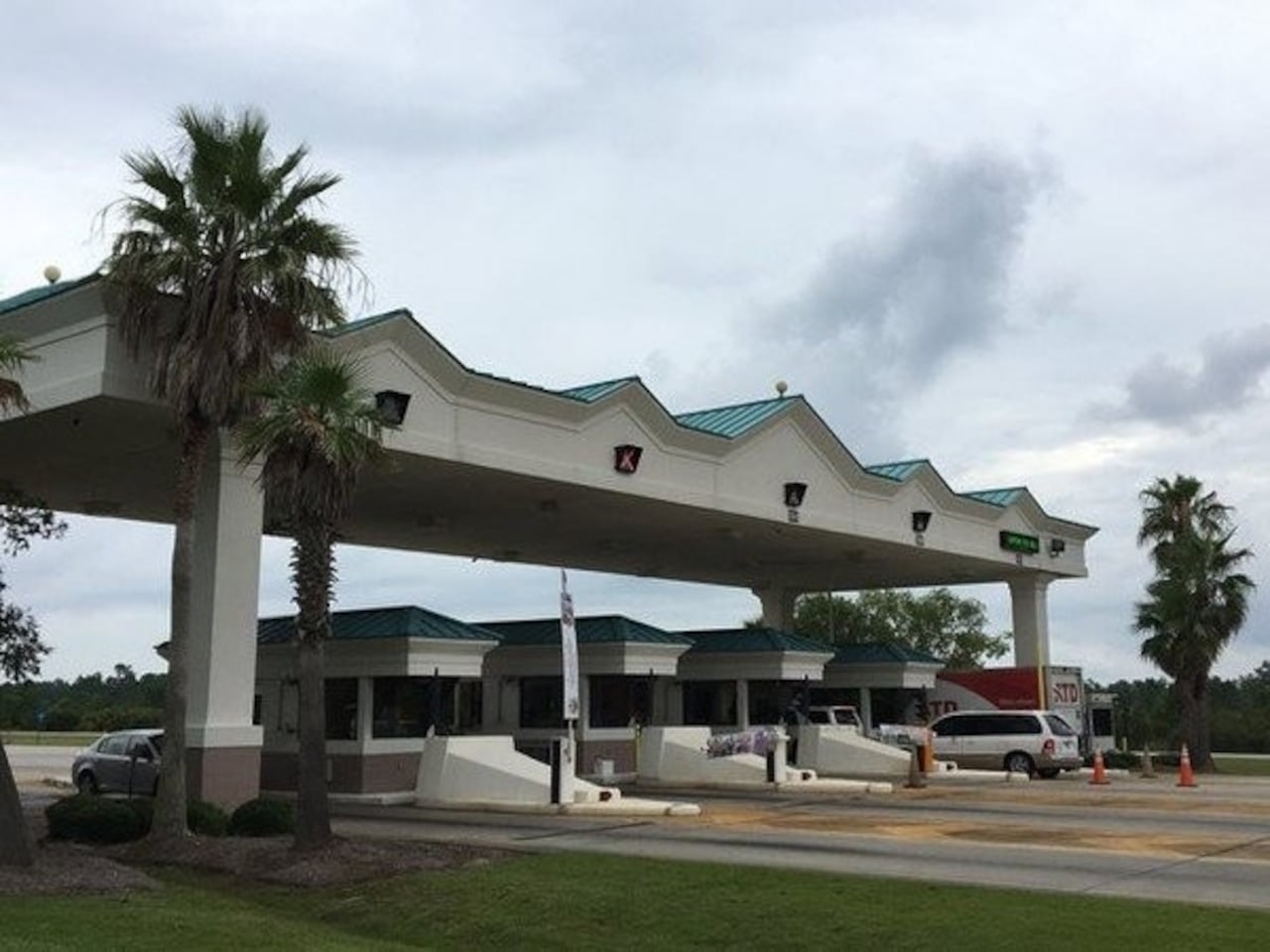
Alabama is set to purchase the Foley Beach Express toll bridge for $60 million, with plans to remove the toll once the transaction is finalized in May. The bridge will be paired with a new bridge in Gulf Shores to create one-way bridges onto and off Alabama’s beaches, aiming to alleviate traffic congestion. The Alabama Department of Transportation will operate the Beach Express Bridge toll-free, and the entire route from Interstate 10 will become a state highway named State Route 161. The agreement also resolves a lawsuit and ends a long-standing contract, with the City of Orange Beach set to vote on the proposed agreement in May.
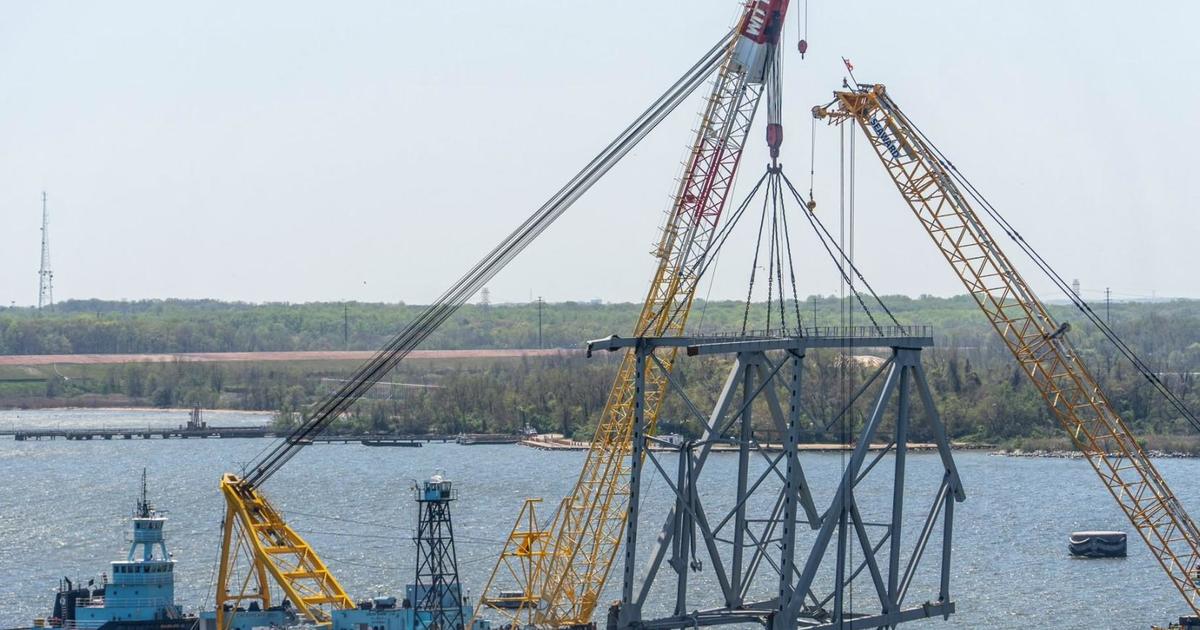
The Chesapeake 1000, the largest floating crane on the Eastern Seaboard, was used to clear the Key Bridge collapse site in the Patapsco River, allowing for the opening of temporary alternate channels for limited ship traffic to the Port of Baltimore. Maryland Governor Wes Moore announced additional assistance for businesses and workers impacted by the collapse, including grants and temporary wage payments. Three construction workers remain missing after the collapse, with recovery efforts ongoing.
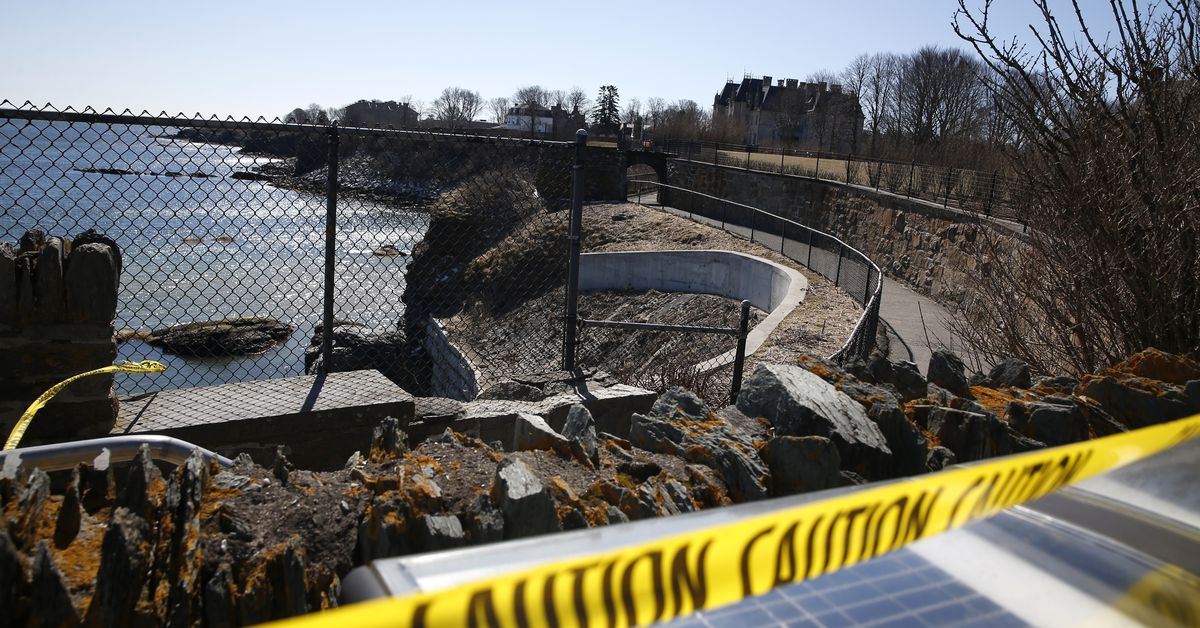
The US Department of Transportation is allocating nearly $830 million in grants to 80 projects across 39 states and territories to bolster infrastructure against climate change, including refurbishing bridges, expanding evacuation routes, and protecting coastal infrastructure. The funding, made available through the Bipartisan Infrastructure Law, aims to address the intensifying risks posed by climate change to the nation's transportation infrastructure, with a focus on resilience and adaptation. This initiative reflects a broader effort to invest in infrastructure that can withstand the impacts of climate change and extreme weather events.