A new study from the University of Colorado suggests that tryptophan, commonly found in poultry and other protein-rich foods, can be broken down by gut bacteria into a compound called indole, which may trigger an inflammatory response linked to rheumatoid arthritis or spondyloarthritis. The study found that indole correlated with disease in a mouse model of rheumatoid arthritis, leading to the development of more inflammatory T-cells and pathogenic antibodies. The researchers suggest that a diet rich in plant-based fibers and lean meats, such as the Mediterranean diet, may promote a healthier microbiome and help tip the balance towards the anti-inflammatory properties of tryptophan.
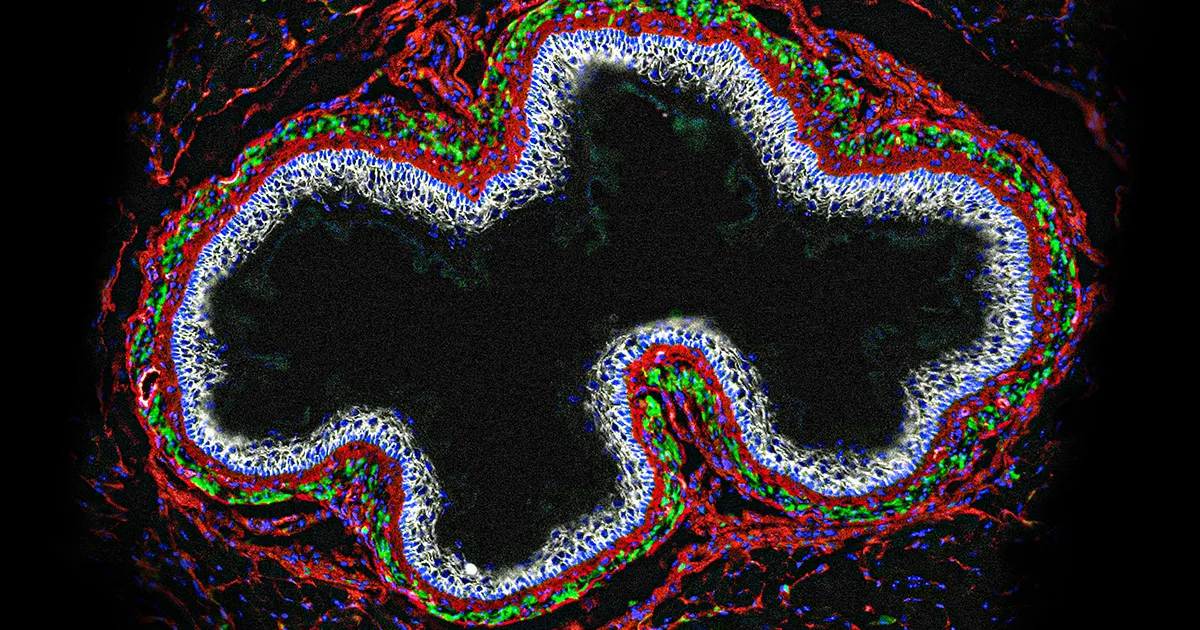
Glial cells, a type of cell in the gut's "second brain," have been found to play a crucial role in gut health. These cells can sense physical forces and trigger muscular contractions, contributing to digestion. There are multiple subtypes of glial cells in the gut, and dysfunction in these cells has been linked to gastrointestinal disorders and diseases such as ulcerative colitis and Crohn's disease. Glial cells also communicate with the microbiome, immune cells, and other gut cells, and their dysfunction can weaken the intestinal barrier and lead to inappropriate immune responses. Targeting glial cells could potentially alleviate pain caused by inflammatory disorders of the gut.
Digestive enzymes aid in the breakdown and absorption of nutrients from the foods we consume. They are primarily produced endogenously throughout the digestive system but can also be taken as a supplement for further digestive support. Digestive enzymes can aid in nutrient absorption, promote healthy digestion, enhance gut microbiota and intestinal barrier, support a healthy inflammatory response, enhance immune response, promote healthy cholesterol levels, and support muscle recovery. They can be obtained through the body's natural production, food, and supplementation. However, they are not a substitute for addressing the root cause of digestive issues.