Tag

Gastrointestinal Disorders

All articles tagged with #gastrointestinal disorders

Increase in Rare Health Disorder Linked to Cannabis Use
health1 year ago

Increase in Rare Health Disorder Linked to Cannabis Use

Cannabinoid Hyperemesis Syndrome (CHS), a condition characterized by nausea, vomiting, and abdominal pain, is increasingly affecting cannabis users, with emergency visits doubling in the U.S. and Canada from 2017 to 2021. The rise is linked to increased cannabis potency and accessibility due to legalization. CHS primarily affects heavy, long-term users and is thought to involve the endocannabinoid system and stress response. Diagnosis requires cannabis cessation, which can be challenging due to withdrawal symptoms. Treatment includes hydration, anti-nausea medications, and potentially quitting cannabis.
"Unveiling the Role of Enteric Glia in Gut Health and Inflammation"
health2 years ago

"Unveiling the Role of Enteric Glia in Gut Health and Inflammation"

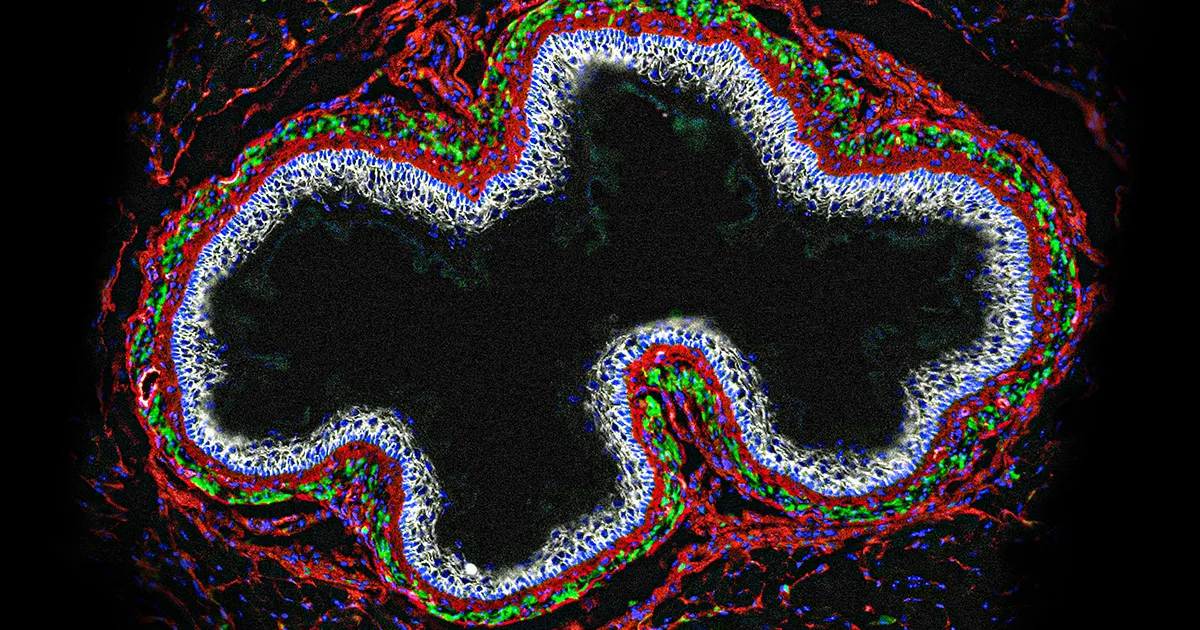
Glial cells, a type of cell in the gut's "second brain," have been found to play a crucial role in gut health. These cells can sense physical forces and trigger muscular contractions, contributing to digestion. There are multiple subtypes of glial cells in the gut, and dysfunction in these cells has been linked to gastrointestinal disorders and diseases such as ulcerative colitis and Crohn's disease. Glial cells also communicate with the microbiome, immune cells, and other gut cells, and their dysfunction can weaken the intestinal barrier and lead to inappropriate immune responses. Targeting glial cells could potentially alleviate pain caused by inflammatory disorders of the gut.

Understanding SIBO: Symptoms, Tests, and Diets for Relief
health2 years ago

Understanding SIBO: Symptoms, Tests, and Diets for Relief

Small intestinal bacterial overgrowth (SIBO) is a condition that accompanies many gastrointestinal disorders and is thought to impact millions of Americans. It occurs when there is an imbalance of bacteria in the small intestine, interfering with normal functioning. Symptoms of SIBO can include chronic diarrhea, weight loss, stomach pain, and malabsorption. Diagnosing SIBO can be challenging, but breath and bacterial culture tests are commonly used. Treatment often involves antibiotics and nutritional interventions, such as the low FODMAP diet or the elemental diet. Working with healthcare professionals to determine the underlying cause of SIBO and develop a personalized treatment plan is crucial.

"FDA Warns of Intestinal Blockage Risk in Ozempic, Wegovy, and Mounjaro"
health2 years ago

"FDA Warns of Intestinal Blockage Risk in Ozempic, Wegovy, and Mounjaro"

The FDA has updated the label for the weight-loss drug Ozempic, acknowledging reports of blocked intestines as a potential side effect. This update follows similar acknowledgments for the weight-loss drug Wegovy and the diabetes medication Mounjaro. While the FDA has not directly blamed the potentially life-threatening condition on the drug, there have been reports of gastrointestinal disorders associated with the use of semaglutide medications, including Ozempic and Wegovy. The FDA is monitoring these reports and will take appropriate action if necessary. Novo Nordisk, the manufacturer of Ozempic, has stated that it stands behind the safety and efficacy of its drug when used as directed.

"Unveiling the Silent Clues of an Unhealthy Gut: Insights from a Gastroenterologist"
health2 years ago

"Unveiling the Silent Clues of an Unhealthy Gut: Insights from a Gastroenterologist"

Gastroenterologist Dr. Will Bulsiewicz reveals four lesser-known signs of an unhealthy gut. These include frequent headaches, constant fatigue, eczema flare-ups, and increased stress or anxiety. Studies show that migraines can be associated with gastrointestinal disorders and gut inflammation, fatigue can be linked to the state of the gut microbiome, an altered gut microbiome can correlate with symptoms of eczema, and the gut microbiome plays a significant role in stress response. Incorporating gut-healthy foods into your diet can help alleviate these symptoms.

Decoding the Hidden Messages in Your Poop Color
health2 years ago

Decoding the Hidden Messages in Your Poop Color

The color of your poop can provide valuable insights into your health. Brown is the most common color, resulting from the breakdown of bilirubin and bile during digestion. Green stools may indicate rapid movement through the gastrointestinal tract or dietary factors. Yellow or orange stools could signal poor fat absorption or conditions like celiac disease. Black stools may indicate internal bleeding in the upper GI tract, while white or pale stools may suggest issues with bile flow or liver function. Red poop could be a sign of bleeding in the lower colon or rectum, potentially caused by hemorrhoids, ulcers, or even colon cancer. If you notice unusual poop colors unassociated with your diet or medications, it's advisable to consult a doctor.

Boost Your Gut Health: Tips and Insights for World Digestive Health Day 2023.
health2 years ago

Boost Your Gut Health: Tips and Insights for World Digestive Health Day 2023.

World Digestive Health Day 2023 aims to raise awareness of digestive disorders and the importance of early detection and treatment of gastrointestinal ailments. Irritable Bowel Syndrome (IBS) is one of the most common digestive disorders that affect the Gastrointestinal (GI) tract and overall digestive system. Symptoms of IBS include bloating, gas, cramps, abdominal pain, diarrhea or constipation, or both. The exact cause of IBS is still unknown, but it can be treated through simple lifestyle modification, managing diet, and stress along with the help of expert guidance.

"Electroceutical Capsule Modulates Hunger Hormones for Appetite Control"
health2 years ago

"Electroceutical Capsule Modulates Hunger Hormones for Appetite Control"

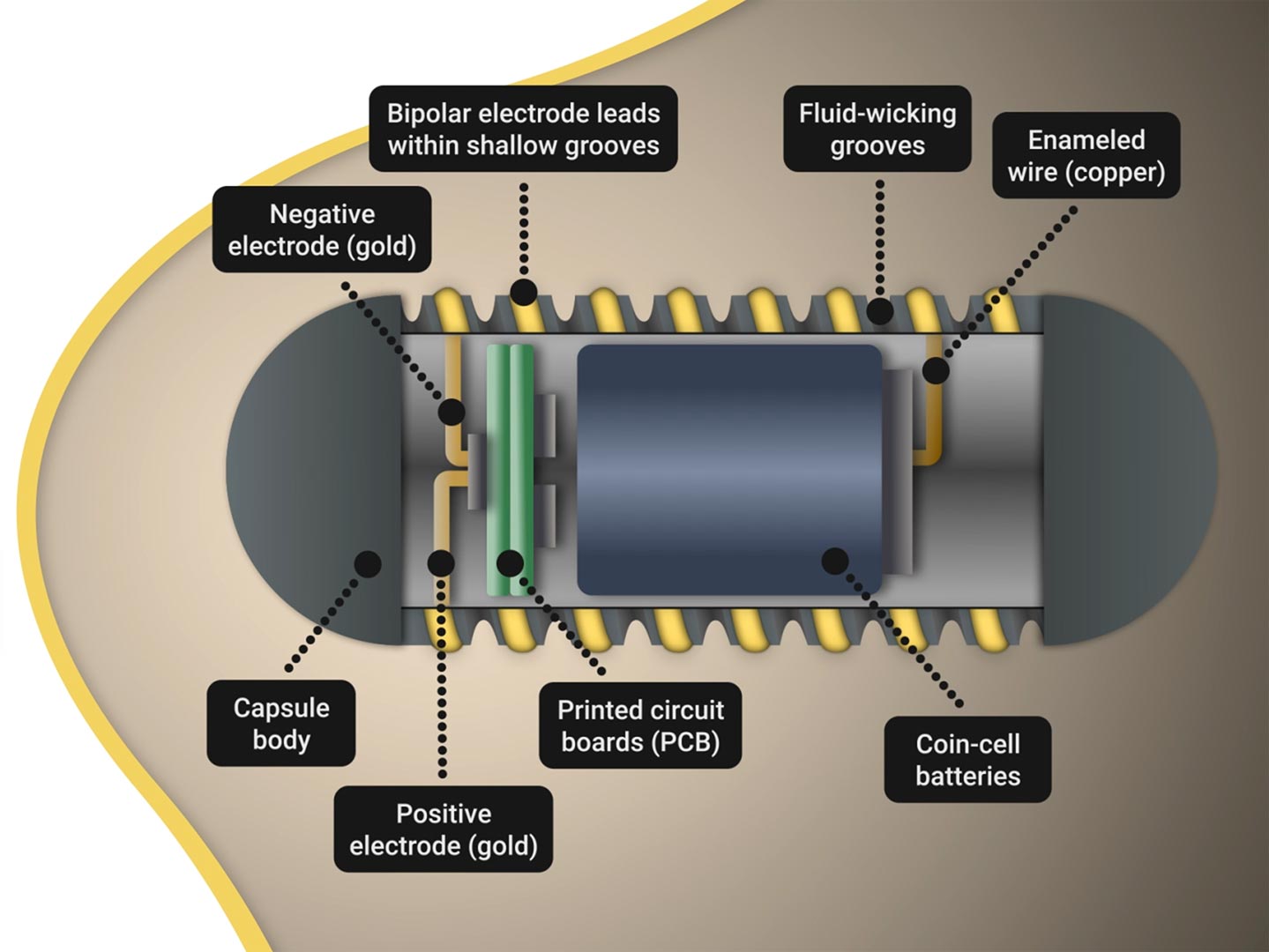
Researchers have developed an ingestible capsule called FLASH that can electronically stimulate the hunger-regulating hormone ghrelin in pigs, offering a potential treatment for gastrointestinal, neuropsychiatric, and metabolic disorders. The capsule emits electronic signals and moves through the body, eventually being excreted. The team plans to continue researching for human application and explore treatment options for eating disorders and metabolic diseases.