The US has significantly reduced proposed tariffs on Italian pasta imports from nearly 92% to as low as 2.26% for some companies, following negotiations with Italian firms, avoiding steep price hikes for US consumers and easing political tensions.
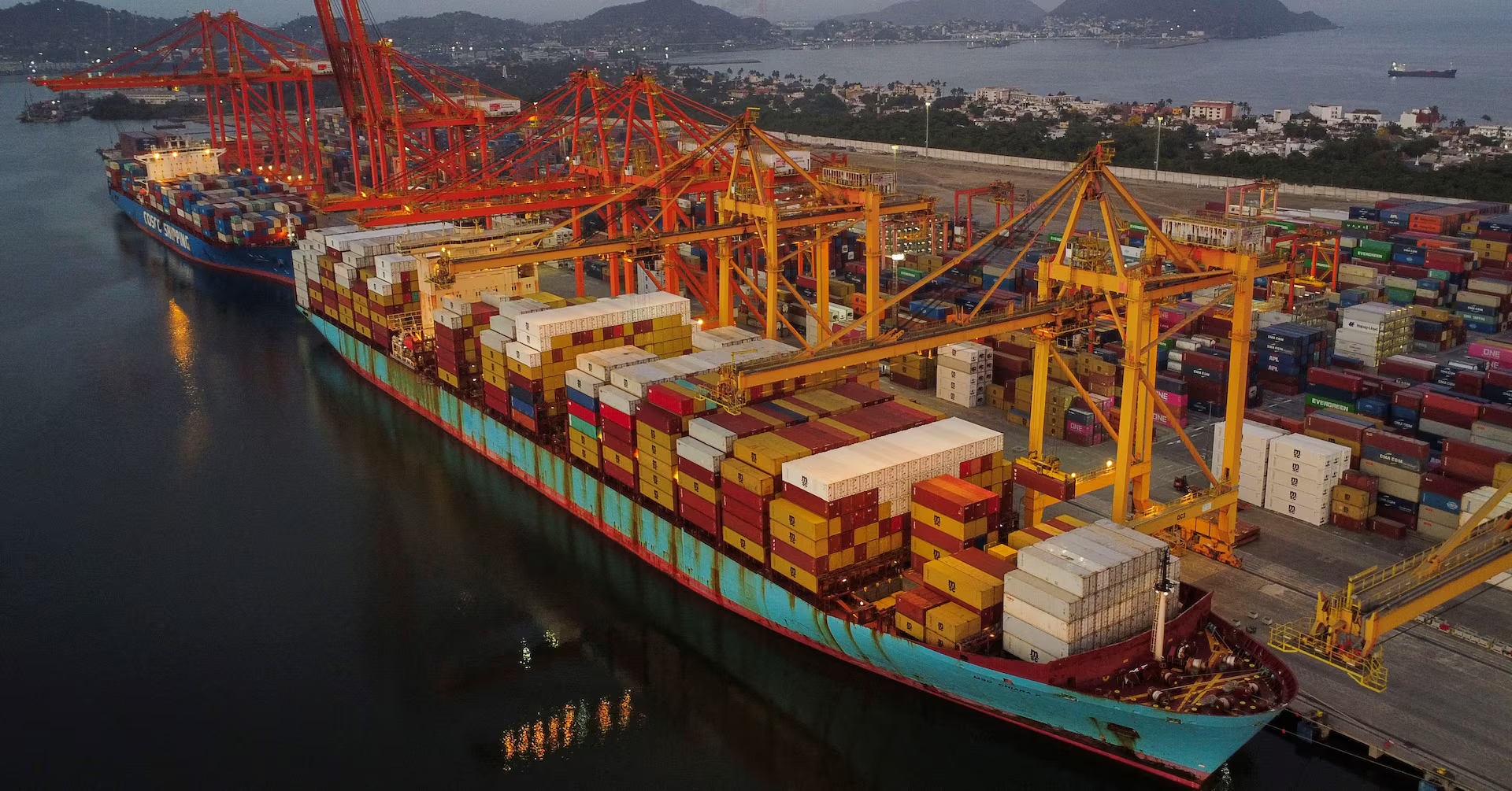
Mexico is set to implement new tariffs, up to 35%, on imports from Asian countries including China, starting Thursday, aiming to protect domestic industries and increase government revenue, while drawing opposition from China and some domestic sectors.
US tariffs have led to higher holiday gift prices and cautious consumer spending, with some categories like toys and electronics affected more than others, while shoppers are seeking strategic alternatives to manage costs.
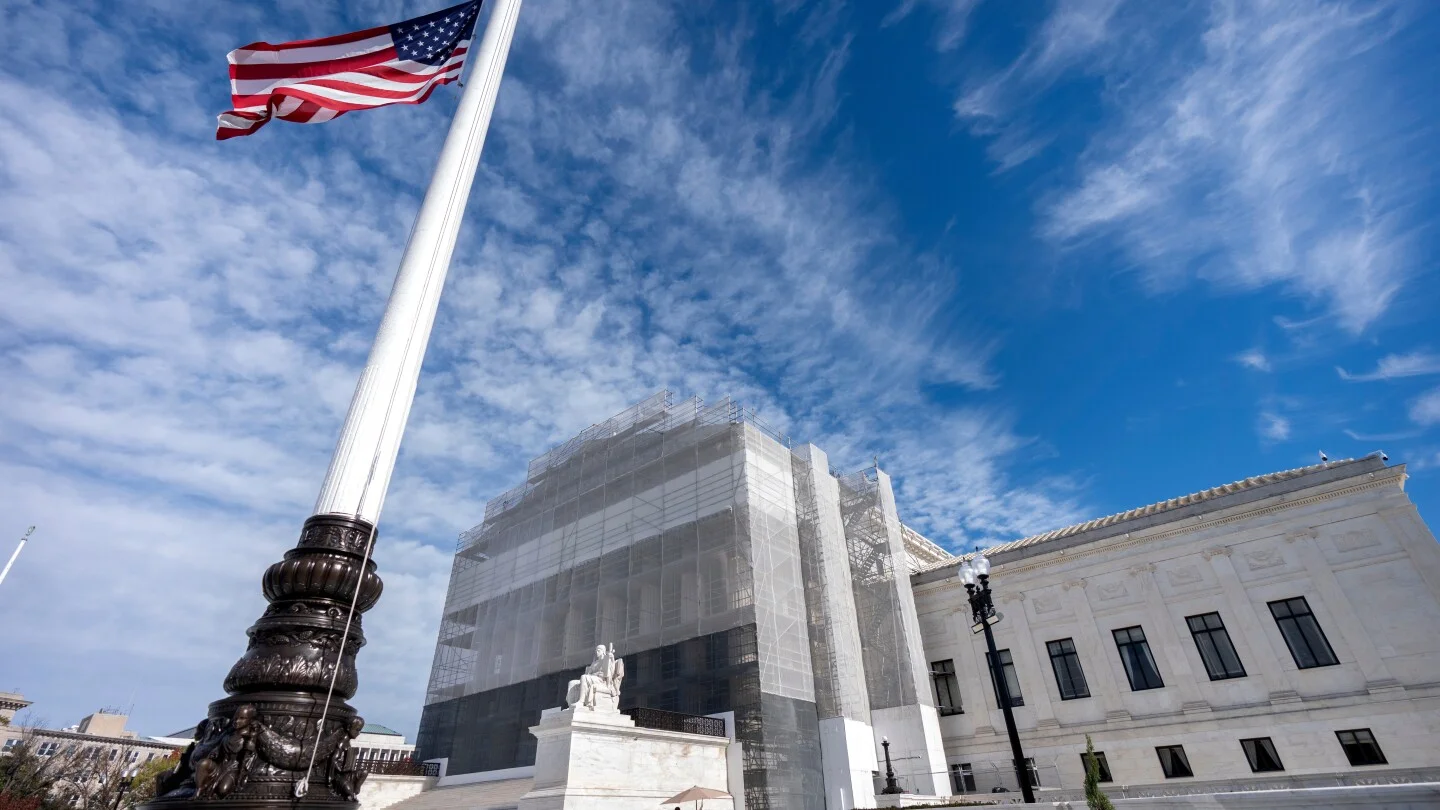
President Trump has warned of severe consequences if the Supreme Court strikes down his tariffs but has multiple alternative legal options to impose import taxes, including historical statutes like the Great Depression-era tariffs, despite skepticism from the court.
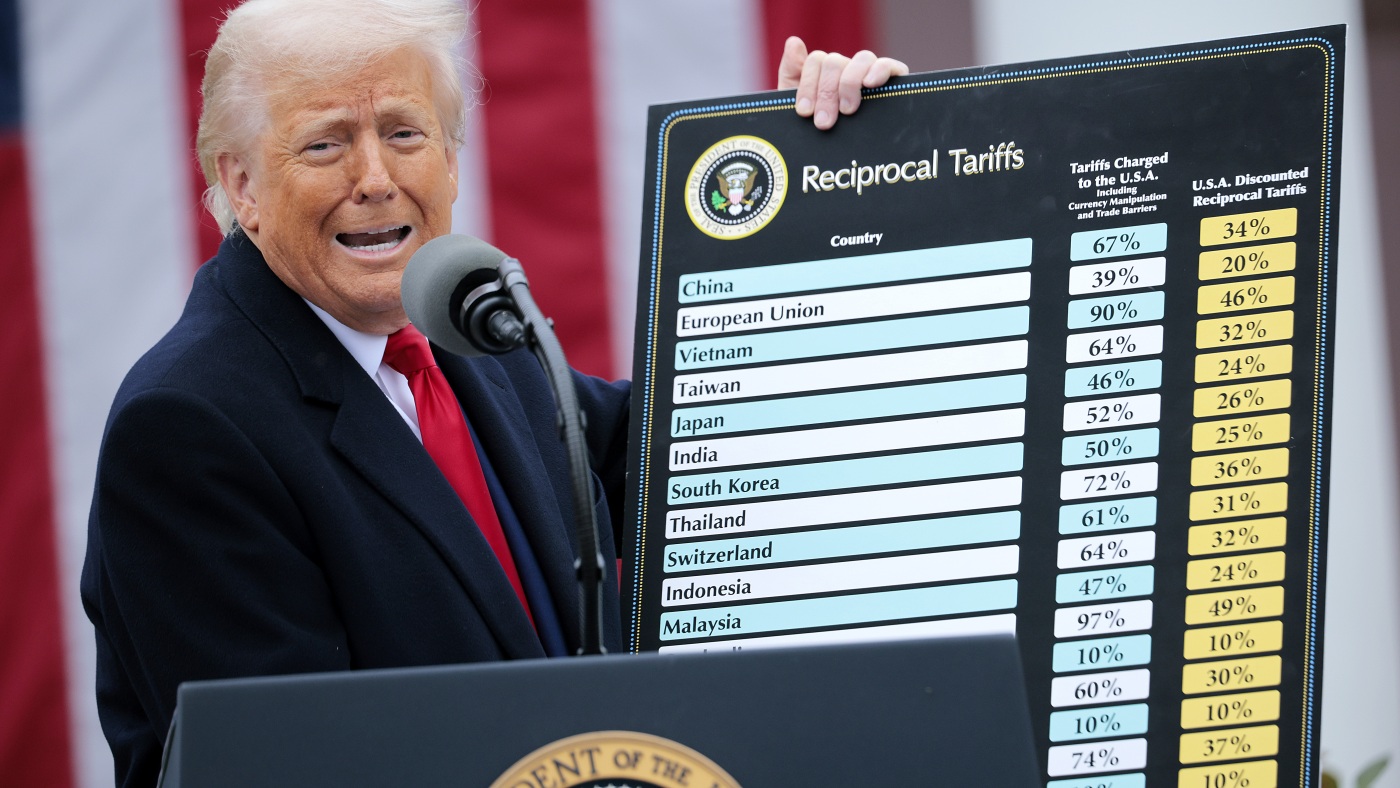
President Trump's tariffs, the highest since the Great Depression, are generating billions in revenue but are also causing higher prices, inflation, and economic uncertainty, with ongoing legal challenges questioning their constitutionality.
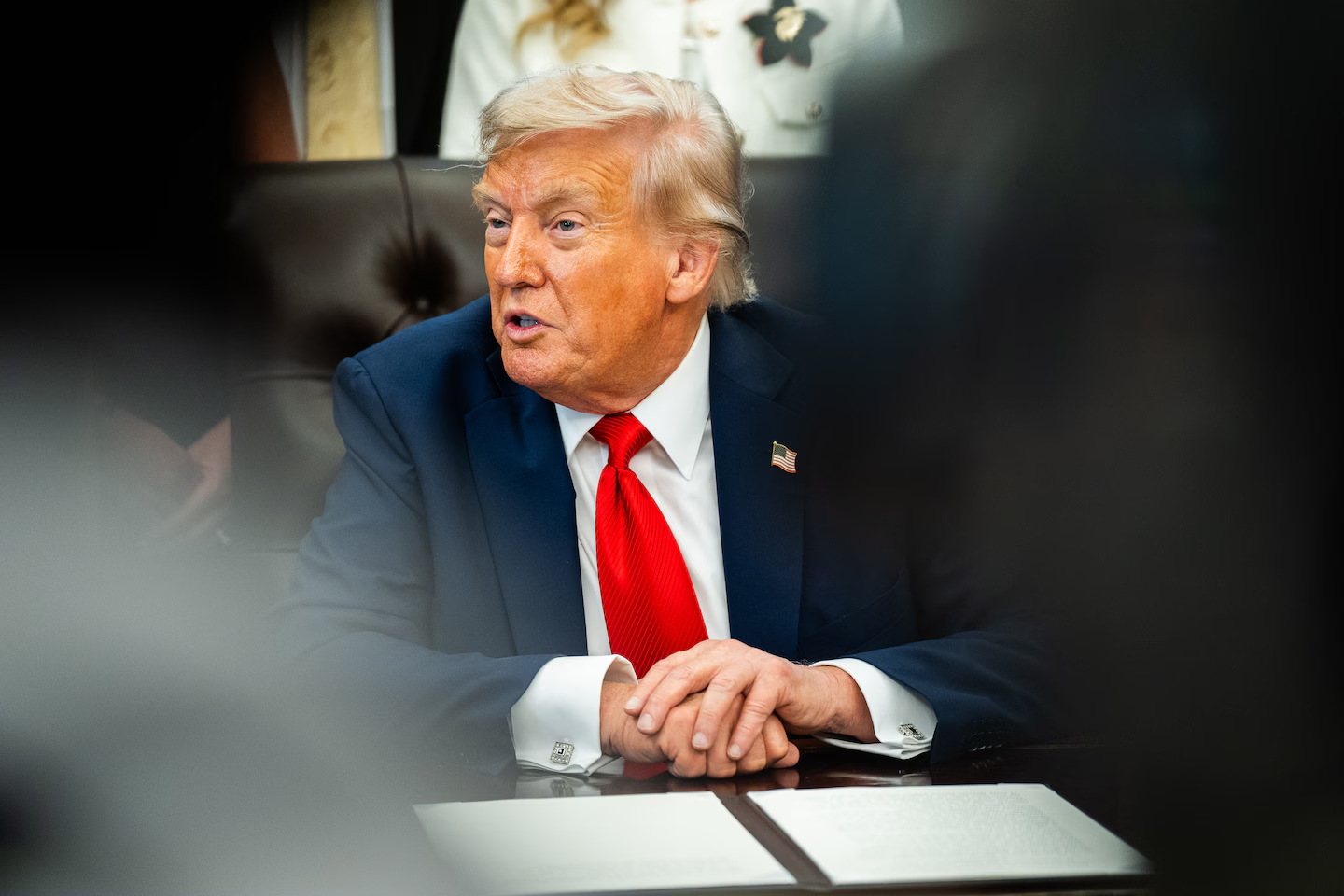
President Trump announced new tariffs on imported upholstered furniture, pharmaceuticals, kitchen cabinets, and heavy trucks, aiming to protect U.S. industries and national security, but raising concerns about higher consumer costs and economic impact.
An appellate court ruling poses a significant obstacle to President Trump's use of tariffs for revenue, diplomacy, and conflict management, marking a major setback for the White House.
Postal services including Royal Mail and DHL are suspending some US deliveries due to new import tax rules that eliminate the duty-free exemption for parcels over $100, leading to disruptions as companies adapt to the updated regulations signed into effect by the US government.
American small businesses are struggling to survive amid rising tariffs imposed by the Trump administration, with many facing increased costs, layoffs, and potential closures, despite a temporary pause on some tariffs with China.
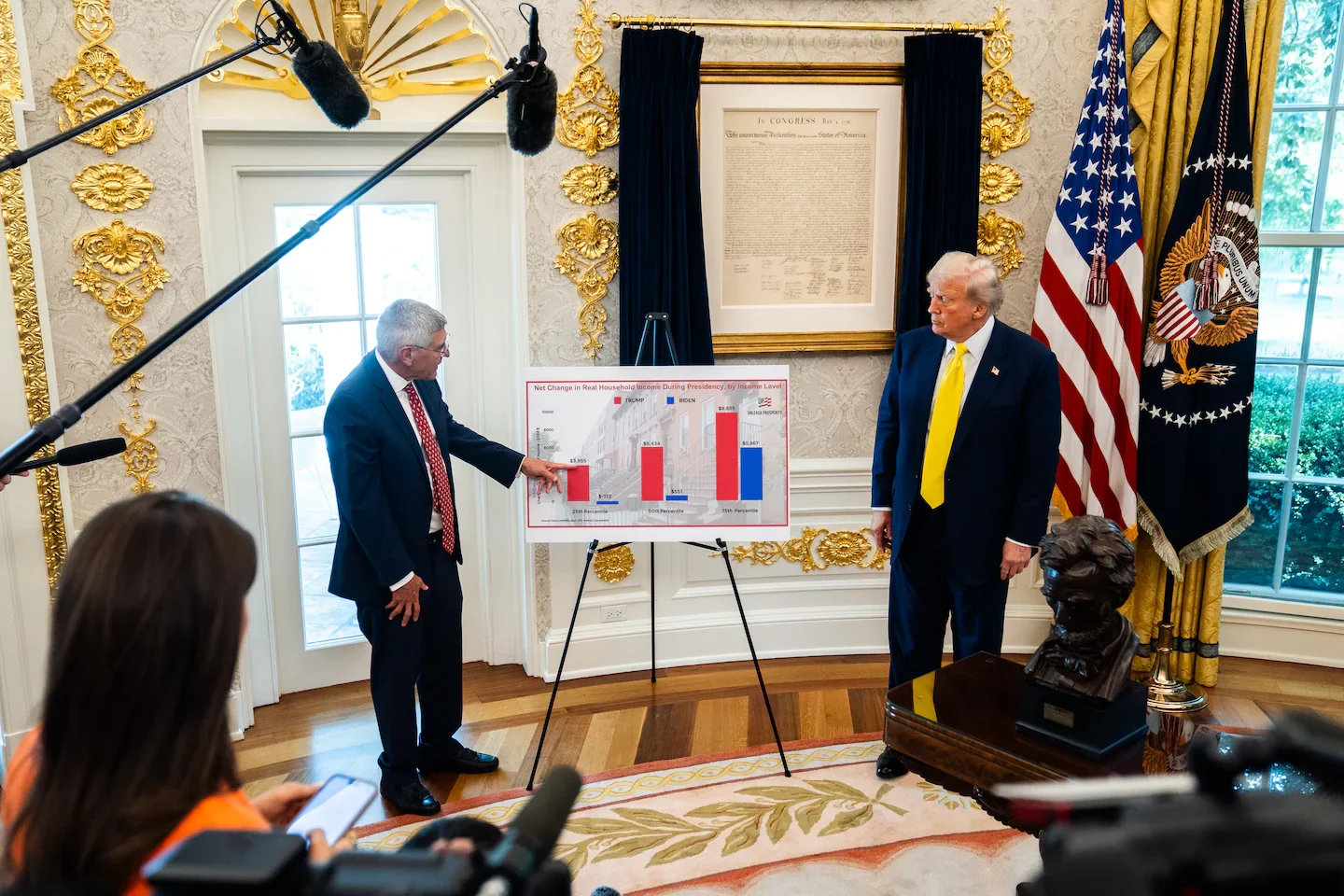
President Trump held an urgent economic announcement in the Oval Office, featuring charts and economist Stephen Moore, after naming a new Federal Reserve nominee and imposing new import taxes.
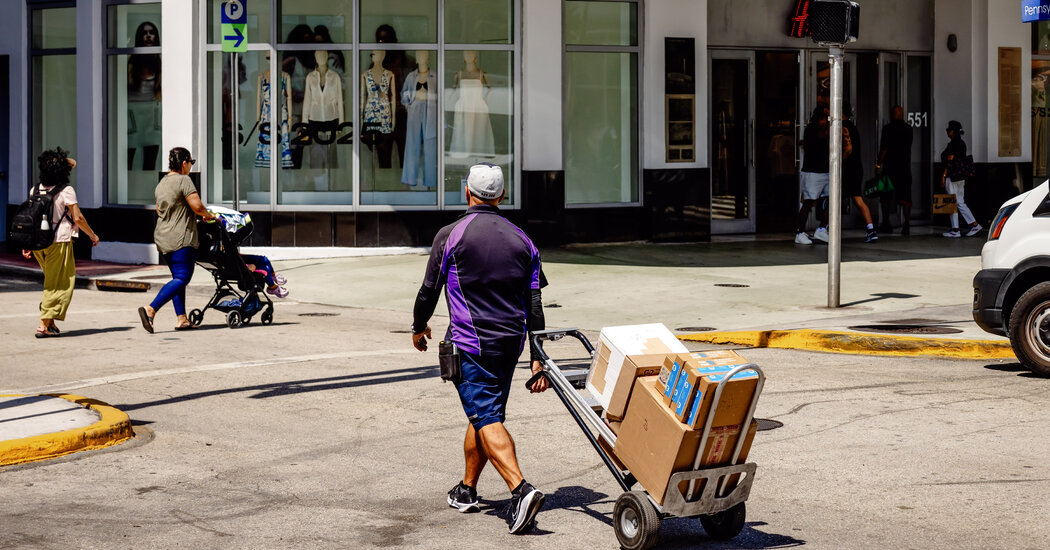
President Trump signed an executive order ending the de minimis exemption, which allowed goods under $800 to enter the U.S. duty-free, aiming to curb illegal smuggling and unfair trade practices, especially from China, leading to a significant decline in low-value shipments from the country.
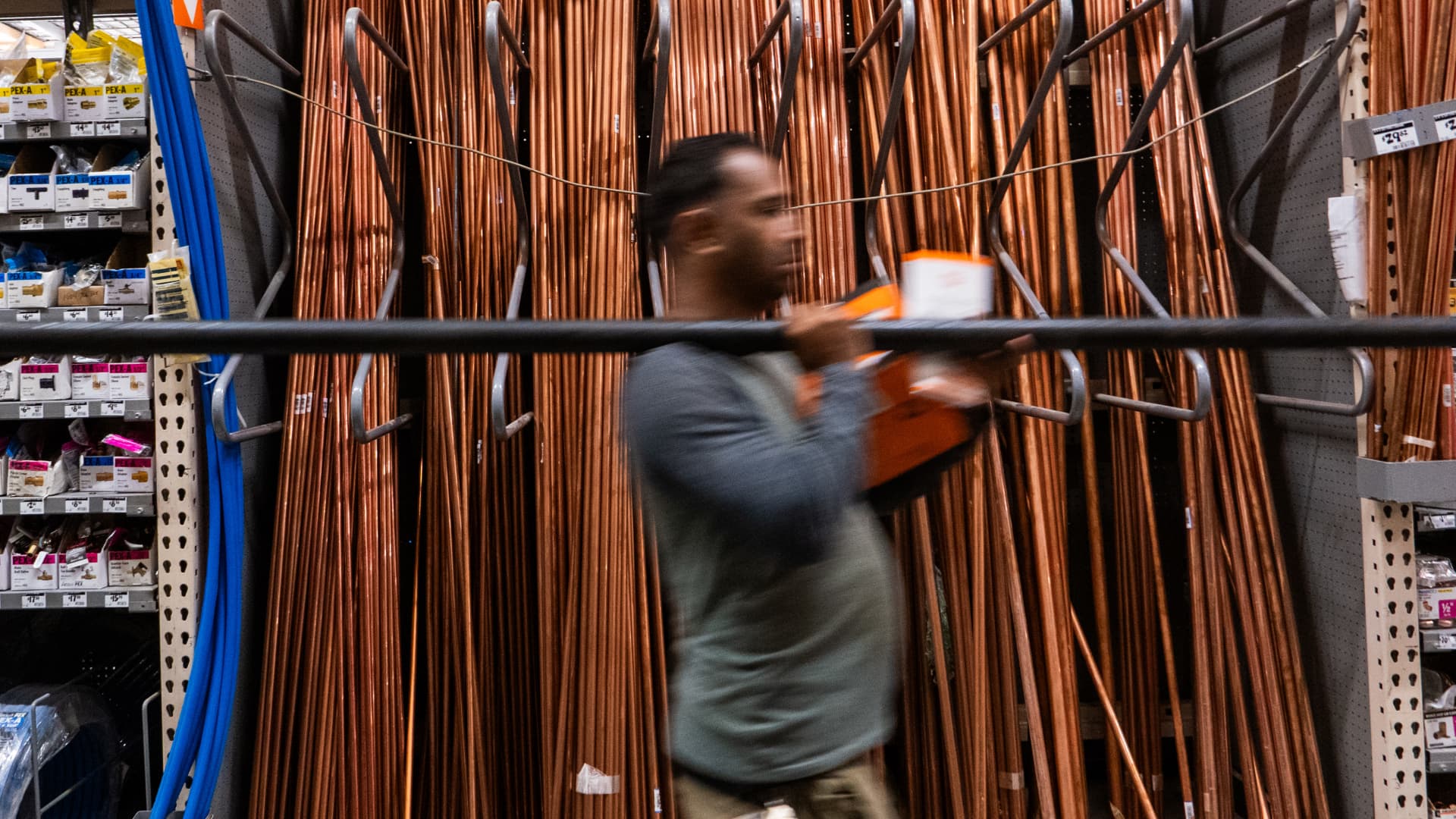
President Trump signed a 50% tariff on copper imports, causing copper prices to plummet up to 18% and impacting major copper miners, as part of a broader effort to boost domestic industries and address trade imbalances, with potential effects on various products and overall US economic growth.
President Trump has been imposing tariffs on foreign goods to increase federal revenue, reduce trade deficits, and encourage domestic manufacturing, but questions remain about who ultimately bears the cost of these tariffs and where the collected money goes.
The Trump administration emphasizes that quality trade deals are more important than the August 1 tariff deadline, with officials providing conflicting views on whether tariffs will be implemented or delayed, amid ongoing negotiations and market speculation.
The article discusses the ongoing impact of the tariffs imposed by the Trump administration, which have remained above 10% on most imports, and highlights concerns that American consumers are ultimately bearing the cost of these taxes, with the timing of this impact still uncertain.