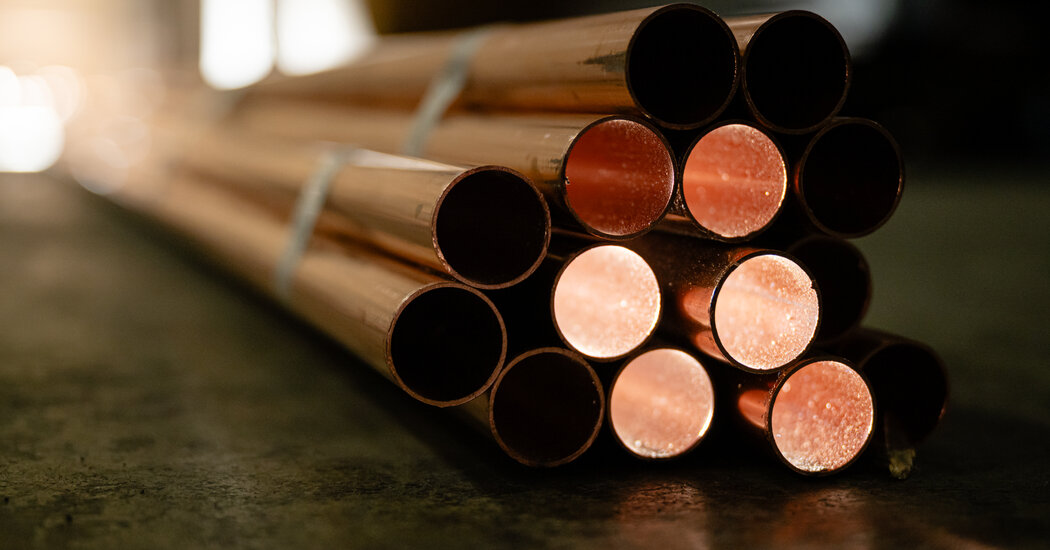
President Trump announced a 50% tariff on copper, leading to a nearly 22% drop in copper futures on the Comex exchange, marking the largest single-day decline since 1968, as part of broader trade measures affecting the metal industry.
Copper prices plummeted after President Trump announced tariffs on copper imports, leading to significant declines in mining stocks like Rio Tinto and BHP, with futures dropping 20% and ETFs tracking copper futures falling nearly 20%.
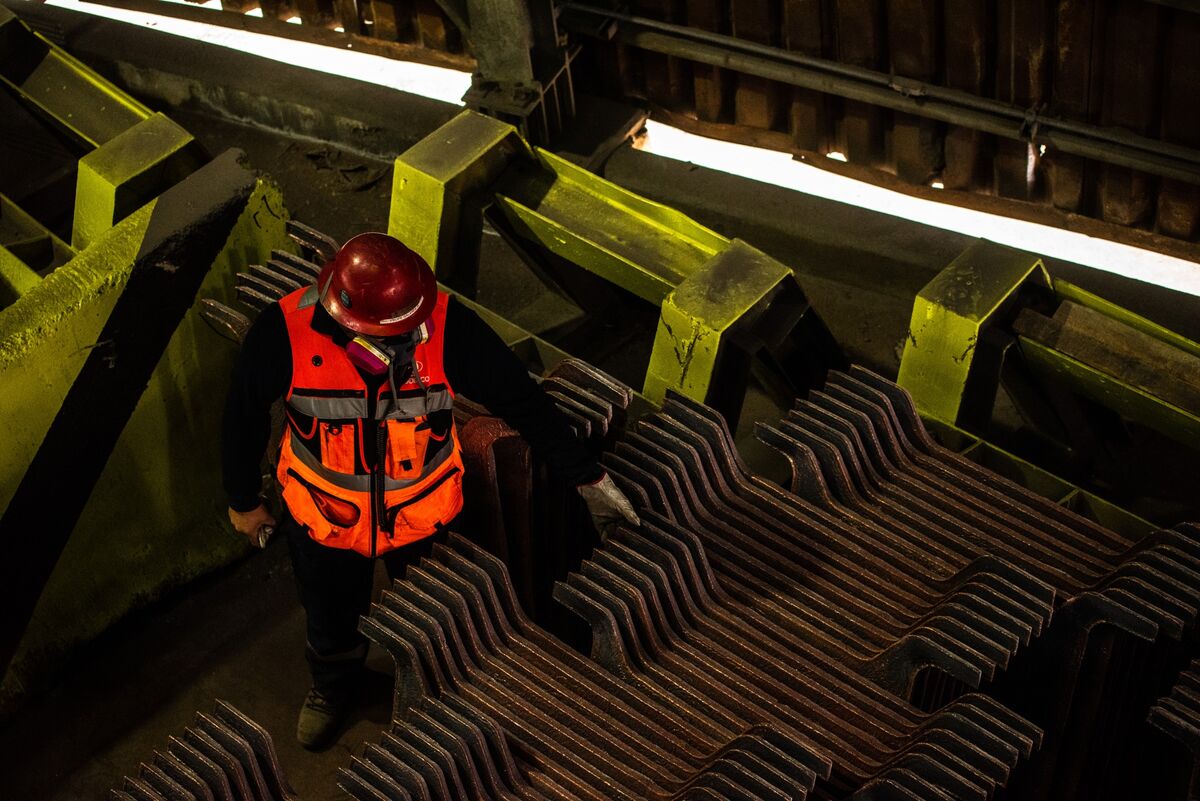
President Trump imposed a 50% tariff on semi-finished copper products entering the US but exempted refined copper, leading to a significant drop in copper prices and a market readjustment of expectations. The tariffs aim to boost domestic refining capacity and are part of broader trade measures, with new rules effective August 1.
President Trump signed a 50% tariff on copper imports, causing copper prices to plummet up to 18% and impacting major copper miners, as part of a broader effort to boost domestic industries and address trade imbalances, with potential effects on various products and overall US economic growth.
President Donald Trump signed a proclamation imposing 50% tariffs on certain copper imports to protect US national security and support domestic copper industry, including measures to boost domestic refining and scrap sales, following a Section 232 investigation highlighting copper's importance to defense and the trade deficit.
A North American mining billionaire, Robert Friedland, supports Trump's 50% copper import tariffs, viewing them as a move to bolster US industry and national security, despite concerns about inflation and economic impact, amid soaring global demand and declining US refining capacity.
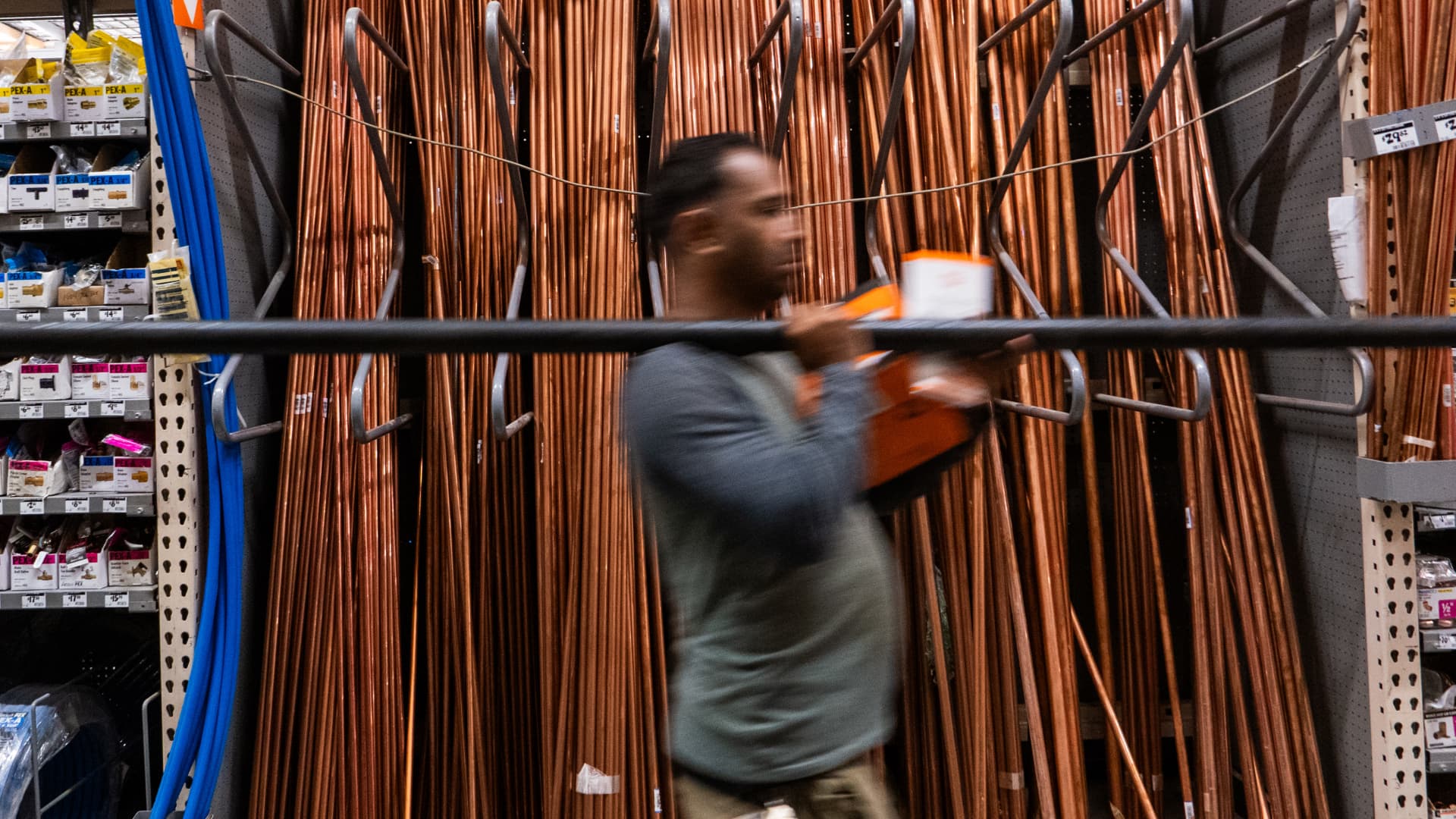
Manufacturers are urgently seeking clarity on the upcoming 50% US copper tariffs, which threaten to deplete stockpiles and disrupt industries reliant on copper, amid ongoing trade war uncertainties and potential impacts on prices and demand.
US President Donald Trump plans to implement a 50% tariff on copper imports, including refined copper and semi-finished products, as part of efforts to boost domestic production, with potential widespread impacts on industries reliant on copper. The tariffs are not yet finalized and face industry pushback, particularly regarding copper scrap exports.
U.S. President Trump's threat of a 50% tariff on copper imports is causing concern in the auto industry due to soaring metal prices and reliance on imports, which could lead to higher costs for carmakers and consumers. The tariffs may be short-lived amid inflation concerns and political considerations, but they are already impacting supply chains and increasing vehicle production costs.
The article discusses how Trump's announcement of a 50% tariff on copper imports has triggered a massive arbitrage trade, with traders rushing to ship copper into the US to capitalize on the price gap, leading to a global supply squeeze and significant profits for traders, but the impending tariffs threaten to end this lucrative window and impact US manufacturing costs.
Navitas benefits from a 50% US copper tariff and its gallium nitride tech, which reduces copper use in data centers. A collaboration with Nvidia and a $450M pipeline could significantly boost revenue and margins by FY2026. The company has improved financial discipline, and its stock, down 18% from recent highs, presents an attractive entry point ahead of upcoming earnings and positive guidance.
Commodity firms are expected to gain approximately $300 million from new US copper tariffs, which could significantly impact the metal industry and trade dynamics.
President Trump's threats of steep tariffs on copper and pharmaceuticals are causing market turmoil, affecting commodities, bonds, and U.S. businesses reliant on copper. The trade war escalation includes a 50% tariff on copper, raising concerns about inflation and economic impact, while bond yields rise amid geopolitical tensions. Meanwhile, political developments in New York and leadership changes at major companies also make headlines.