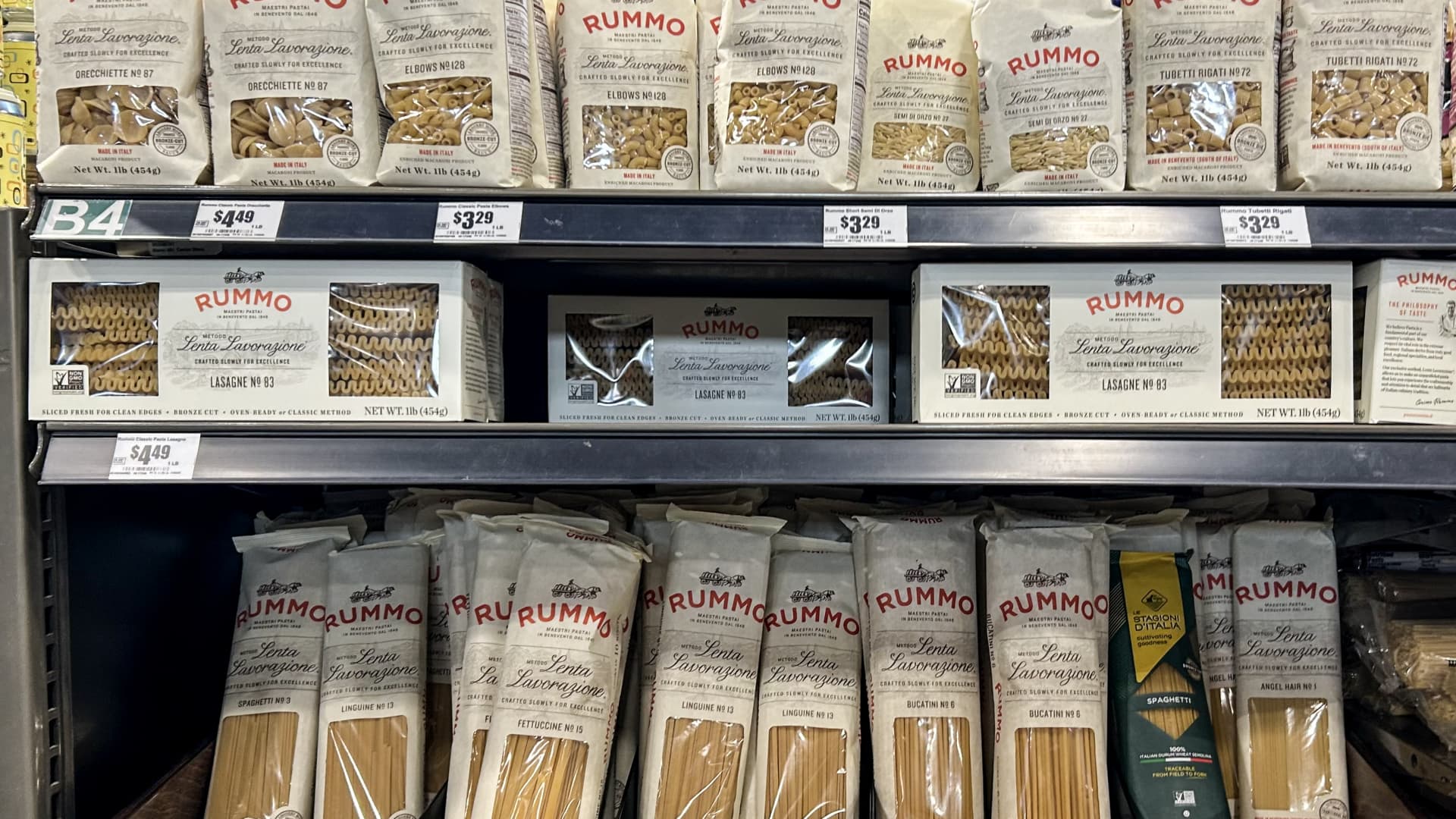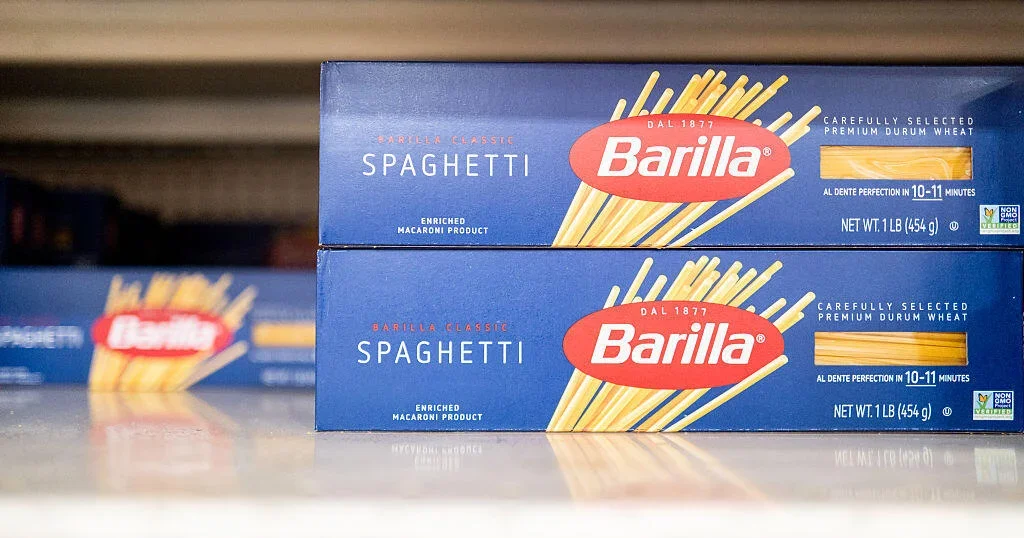
The US is reducing proposed tariffs on Italian pasta from potentially over 100% to between 24% and 29%, easing pressure on consumers and reflecting a softer stance in trade disputes with Italy amid political and economic considerations.
The US has significantly reduced proposed tariffs on Italian pasta imports from nearly 92% to as low as 2.26% for some companies, following negotiations with Italian firms, avoiding steep price hikes for US consumers and easing political tensions.
Italy announced that the US has significantly reduced proposed tariffs on Italian pasta companies after a review, with tariffs for La Molisana and Garofalo notably lowered, reflecting a recognition of cooperation. The original threat of high tariffs was an embarrassment for Italy, which exports over 4 billion euros worth of pasta annually, with the US market being a significant part.
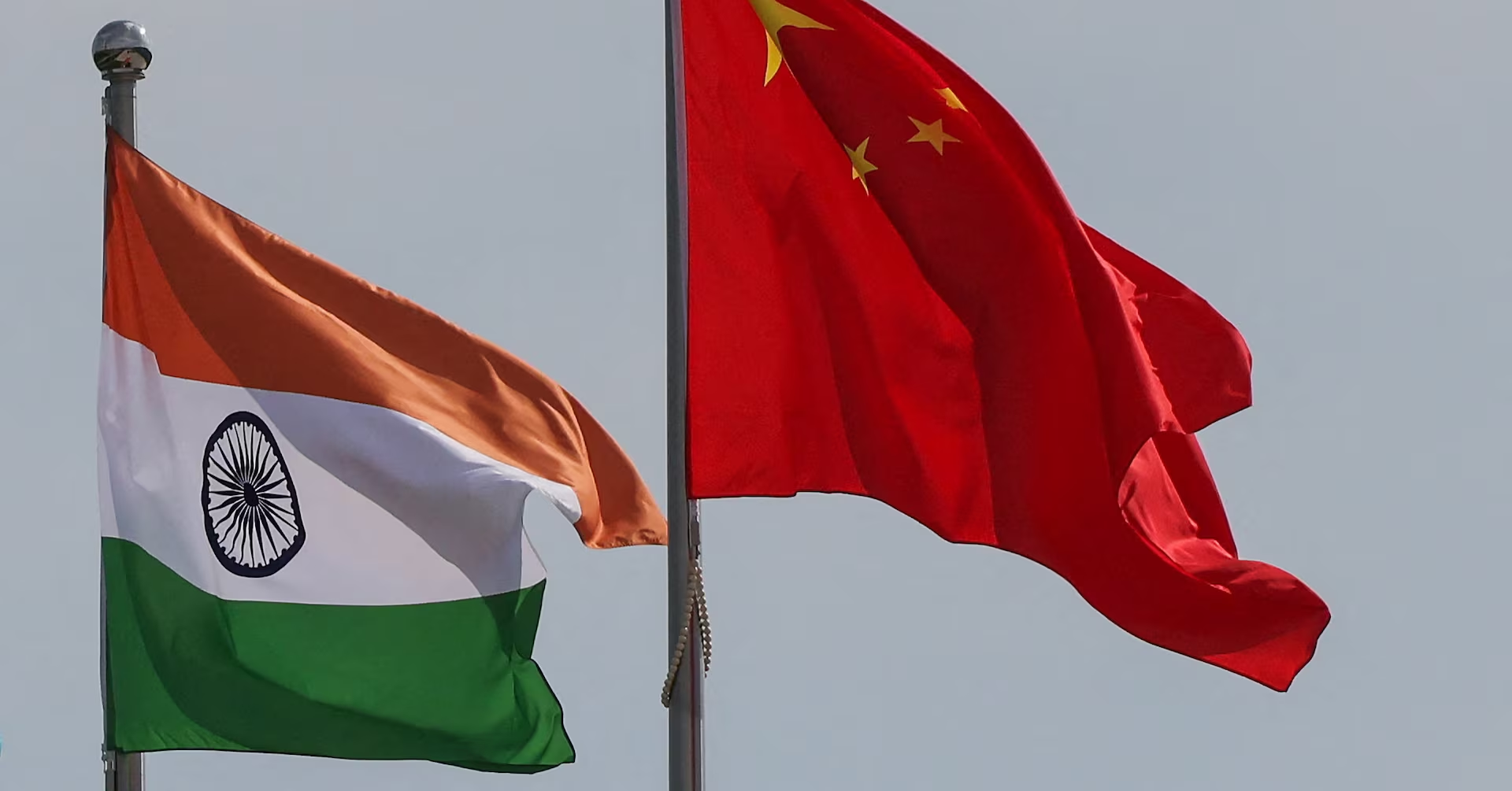
China has initiated a trade dispute with India at the WTO over tariffs and measures on solar cells, modules, and IT goods, citing discriminatory practices and domestic input requirements, shortly after India imposed anti-dumping duties on Chinese steel imports.
China has imposed provisional tariffs of up to 42.7% on EU dairy imports, citing concerns over EU subsidies that allegedly distort competition and harm China's domestic dairy industry, as part of a broader trade dispute between China and the EU involving tariffs on various goods. The tariffs vary based on cooperation with China's investigation, with higher rates for non-cooperative companies, amid ongoing tensions over trade practices and subsidies.
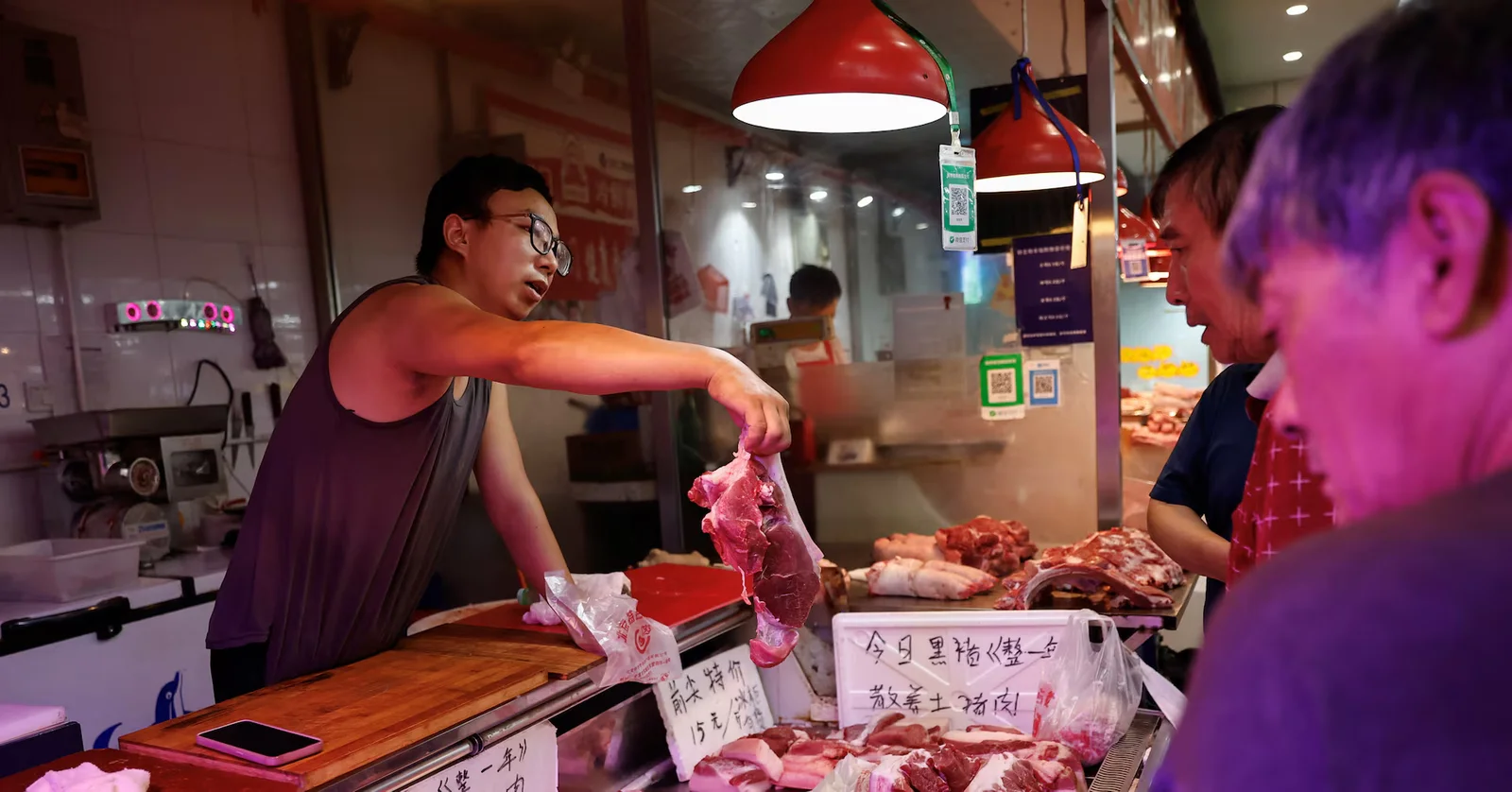
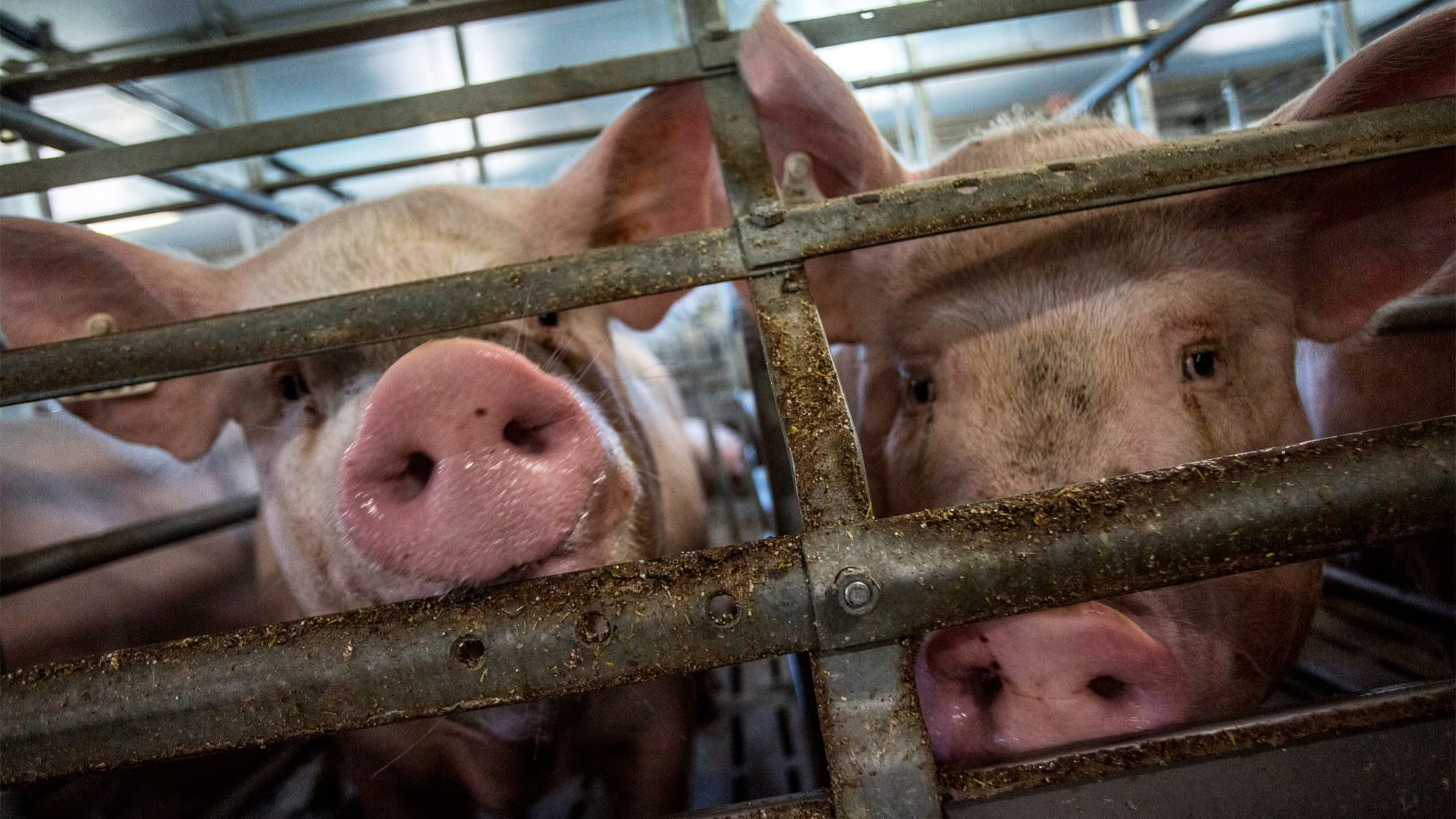
China has sharply reduced tariffs on EU pork imports from over 15% to between 4.9% and 19.8% for five years, offering partial relief to European pork producers amid ongoing trade tensions and investigations into anti-dumping practices, with the EU planning to assess WTO compliance.
The U.S. is considering a 107% import duty on Italian pasta, which could lead to higher prices or shortages of imported spaghetti in the U.S., as part of a trade dispute involving allegations of unfair pricing by Italian pasta exporters. The proposed tariffs could significantly impact American consumers and Italian exporters, with some companies potentially pulling out of the U.S. market.
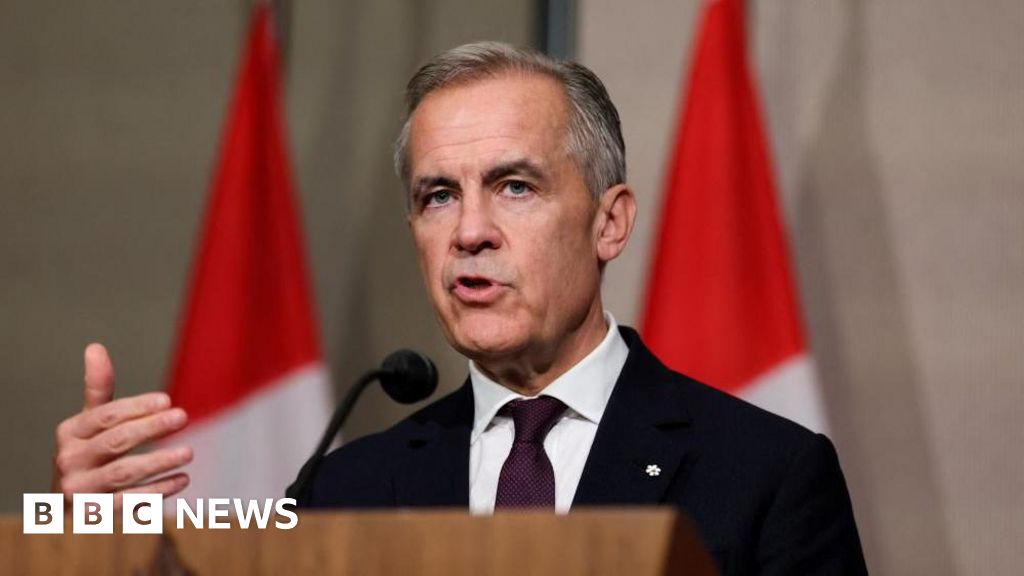
Canada's Prime Minister Mark Carney's visit to China, following a meeting with Xi Jinping, marks a potential turning point in their strained relationship, with efforts to resolve trade disputes and strengthen economic ties amid ongoing tensions involving tariffs and diplomatic issues.
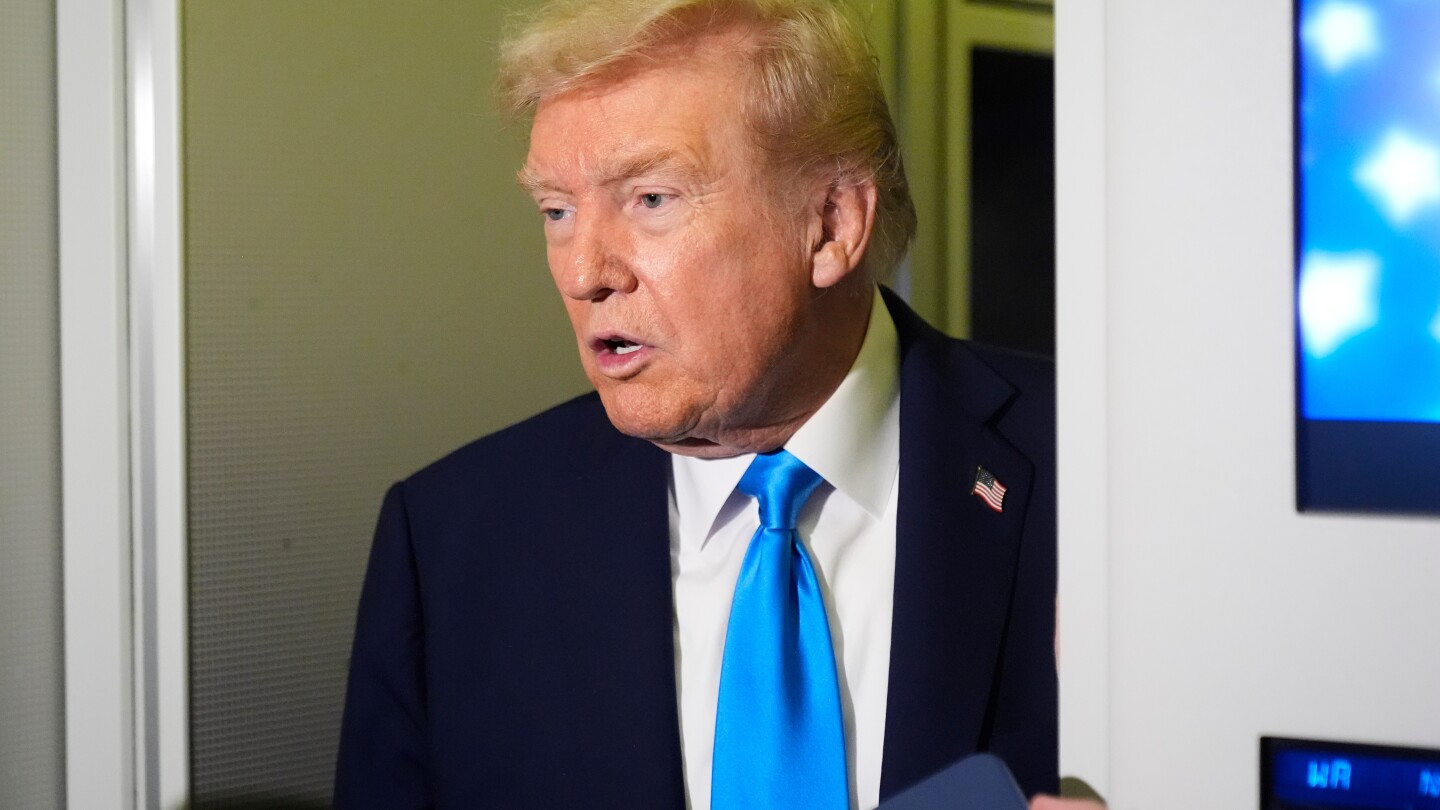
President Trump announced plans to increase tariffs on Canadian goods by 10% in response to an anti-tariff ad aired by Ontario, criticizing U.S. tariffs and leading to tensions in trade relations, with unclear legal authority for the tariff hike and ongoing negotiations.
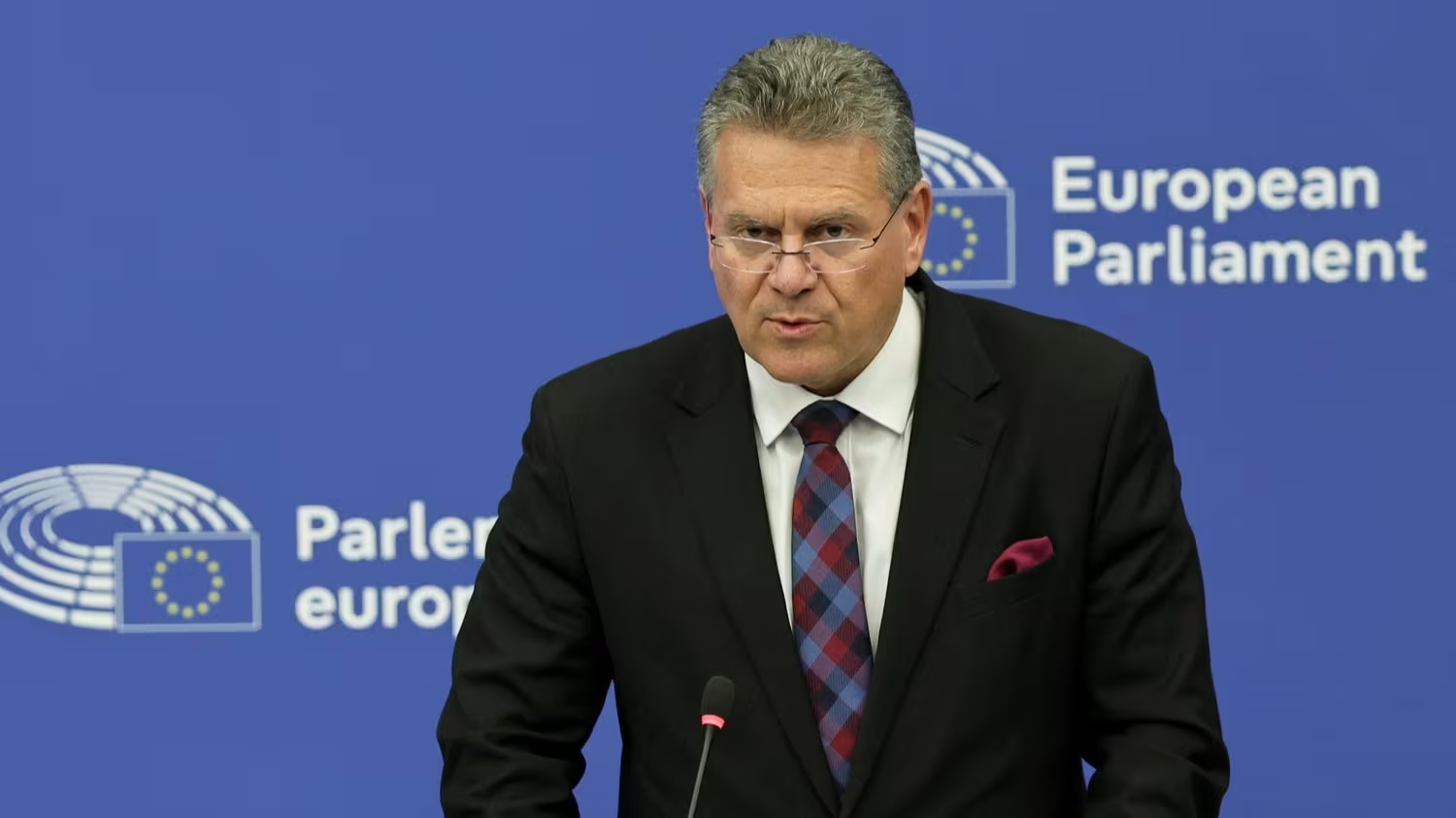
The European Union has called on China to quickly resolve issues related to export restrictions, emphasizing the importance of a prompt resolution to avoid escalating trade tensions.
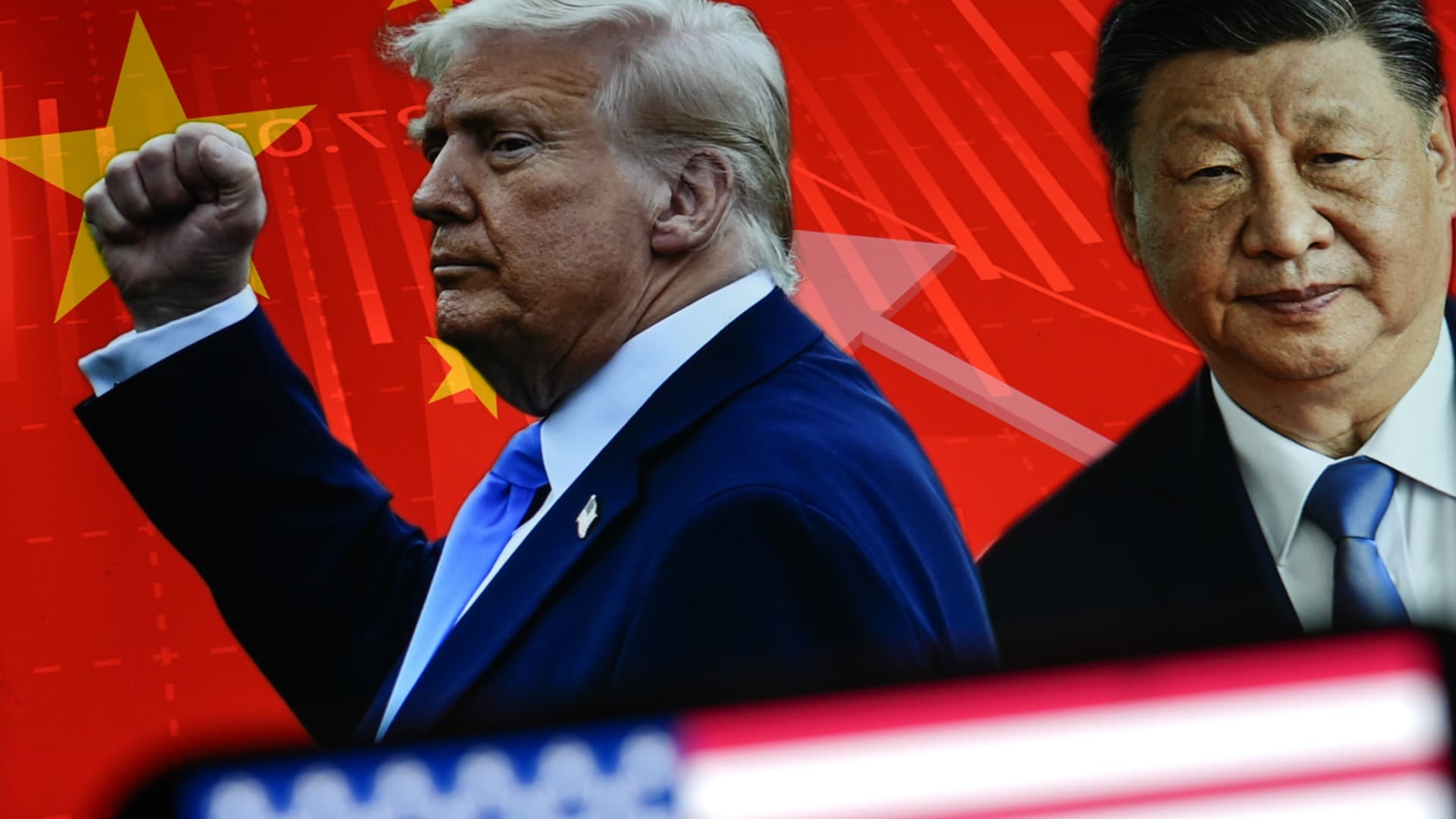
President Trump threatened to impose significant tariffs on Chinese imports over new export controls on rare earths, which are vital for high-tech industries, and criticized China's recent trade policies, potentially canceling a planned meeting with Xi Jinping amid escalating tensions.
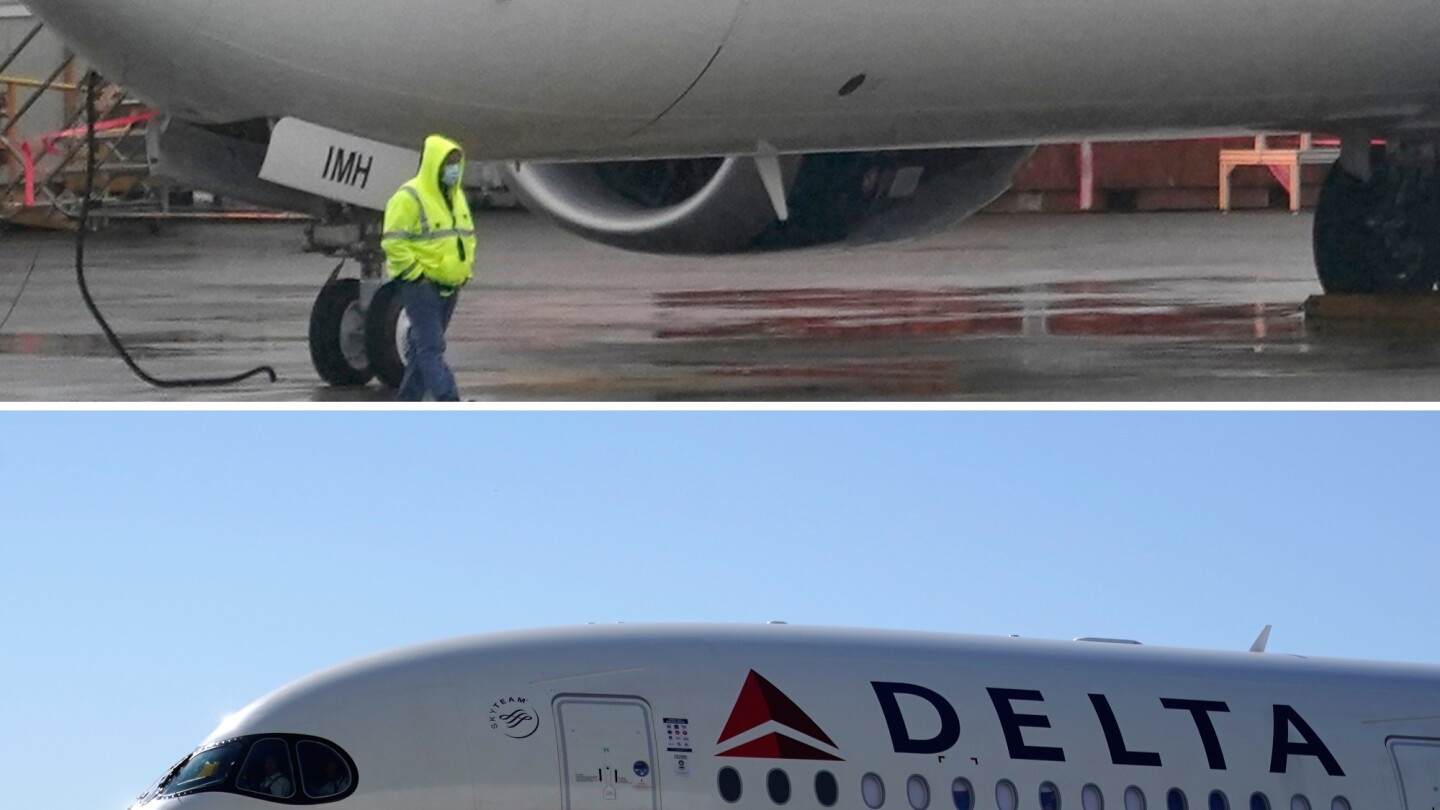
U.S. Transportation Secretary Sean Duffy revoked antitrust immunity for Delta and Aeromexico due to concerns over Mexico's unfair treatment of U.S. airlines, particularly related to airport policies and market advantages, as part of broader trade tensions between the U.S. and Mexico. The airlines may challenge the decision, which will take effect in January, potentially impacting flights and tourism between the two countries.
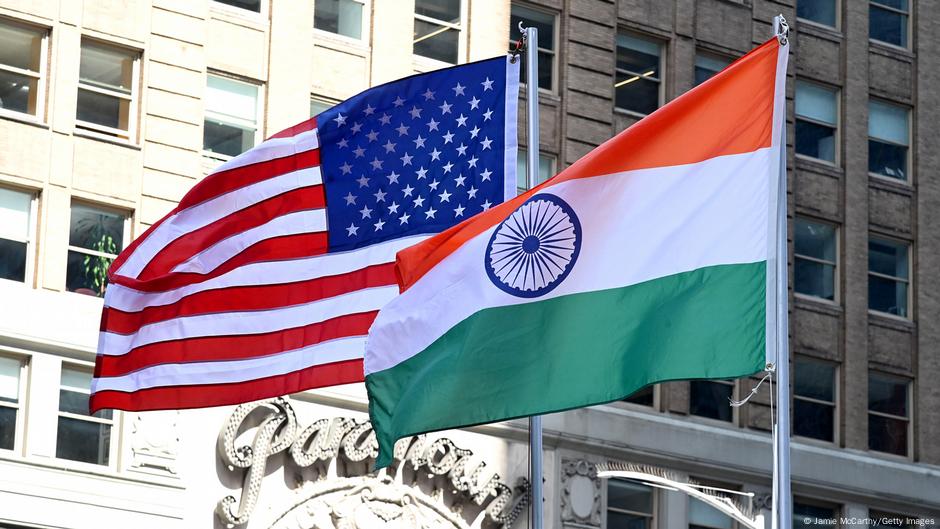
The trade relationship between India and the US has deteriorated, with the US imposing high tariffs on Indian goods, leading to economic and political tensions. India faces potential significant impacts on its exports and manufacturing sector, while the US risks losing influence and Indian student exchanges. Despite the conflict, there remains a possibility for a trade deal, driven by mutual strategic interests and domestic political pressures.
The US has imposed additional tariffs of up to 50% on Indian goods, including a 25% tariff on Indian purchases of Russian oil, escalating trade tensions and threatening Indian exports and jobs. India hopes for a review of these tariffs and plans to support affected exporters while seeking to diversify its trade partnerships. The move follows failed negotiations and raises concerns about broader US-India relations amid ongoing geopolitical issues.