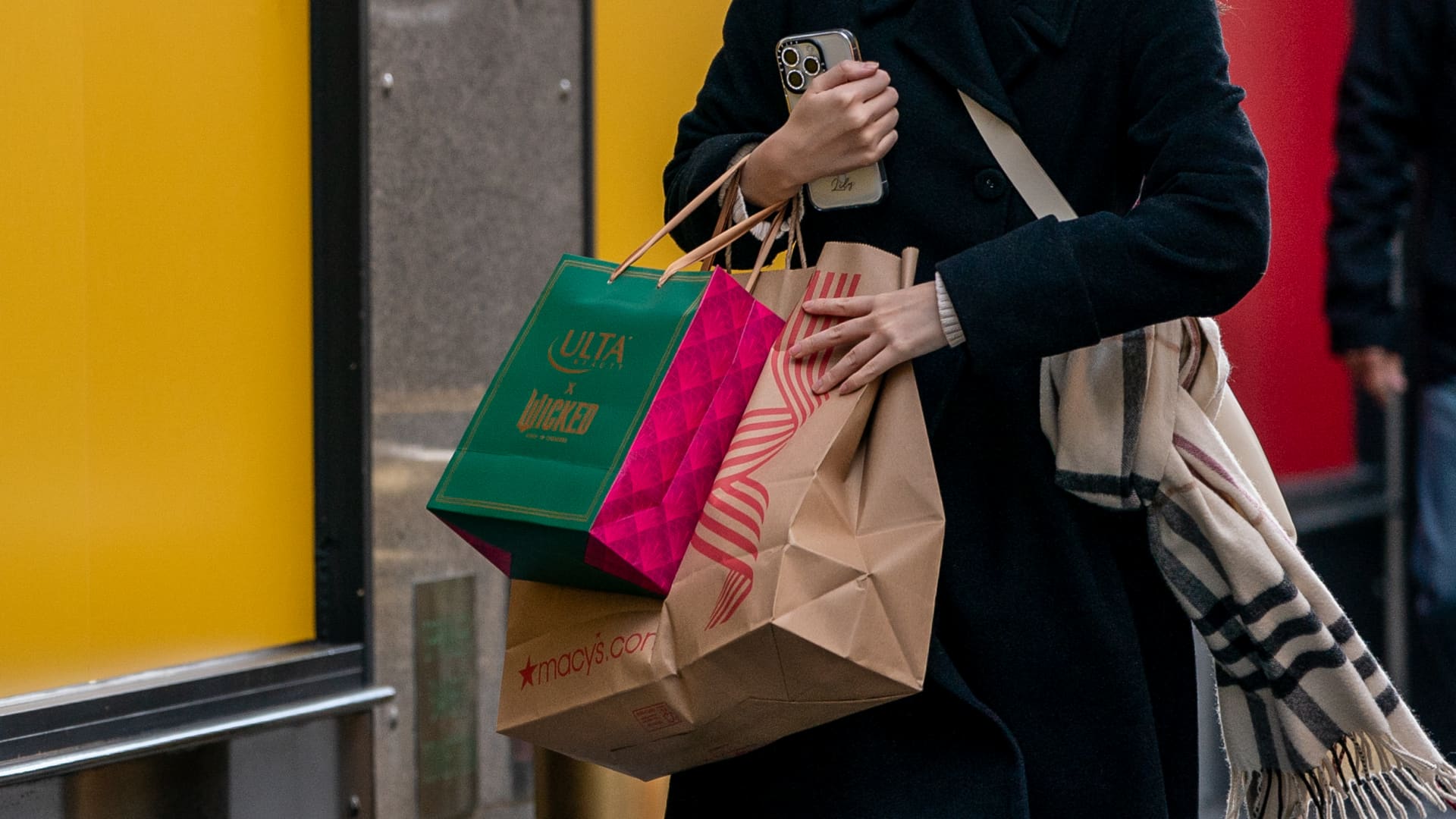
LendingTree warns that President Trump's tariffs could add $40.6 billion to holiday shopping costs, with consumers bearing most of the burden, potentially leading to reduced gift-giving and increased debt during the season.
An S&P Global report estimates that President Trump's tariffs will cost companies and consumers around $1.2 trillion in 2025, with most of the burden falling on consumers through higher prices, especially affecting lower- and middle-income households, while corporate profits decline and output decreases.
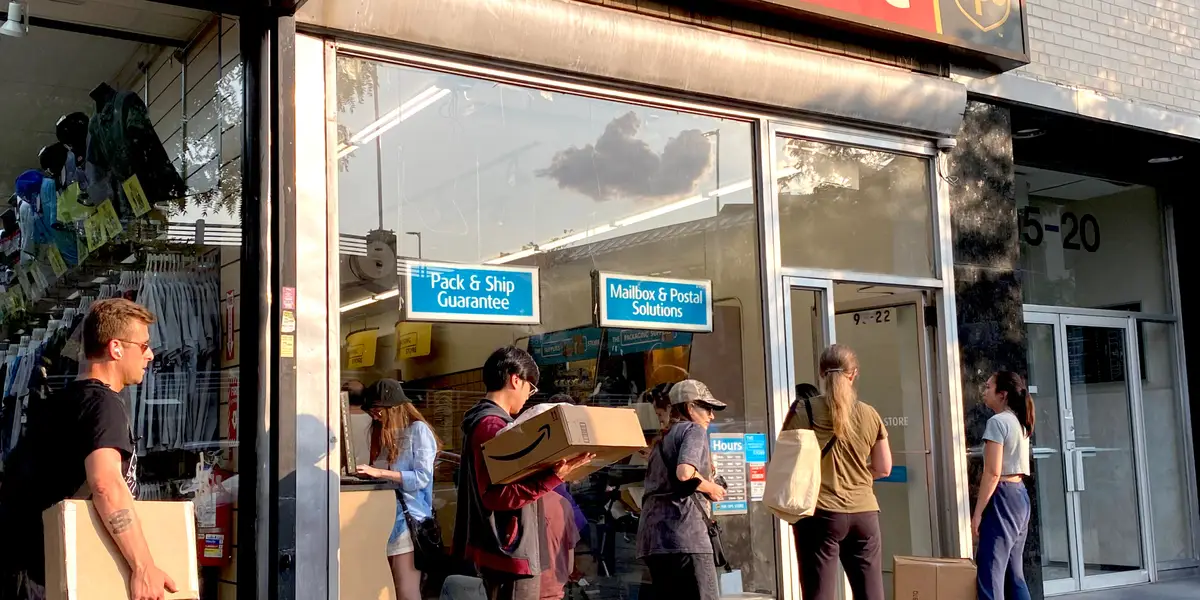
US consumers are experiencing increased costs and logistical challenges due to new tariffs and shipping issues with UPS, especially after the end of a tariff exemption loophole, leading to delays, unexpected bills, and confusion over import regulations.
Parents are experiencing sticker shock this back-to-school season due to rising prices in apparel, shoes, and accessories, largely driven by tariffs resulting from the trade war, which have increased costs for imported goods and led to higher retail prices and fewer discounts.
GM reports a $1.1 billion loss due to tariffs, highlighting that American consumers are bearing the costs of Trump's import taxes as auto companies struggle with increased expenses, leading to higher car prices and reduced incentives.
The article discusses the ongoing impact of the tariffs imposed by the Trump administration, which have remained above 10% on most imports, and highlights concerns that American consumers are ultimately bearing the cost of these taxes, with the timing of this impact still uncertain.
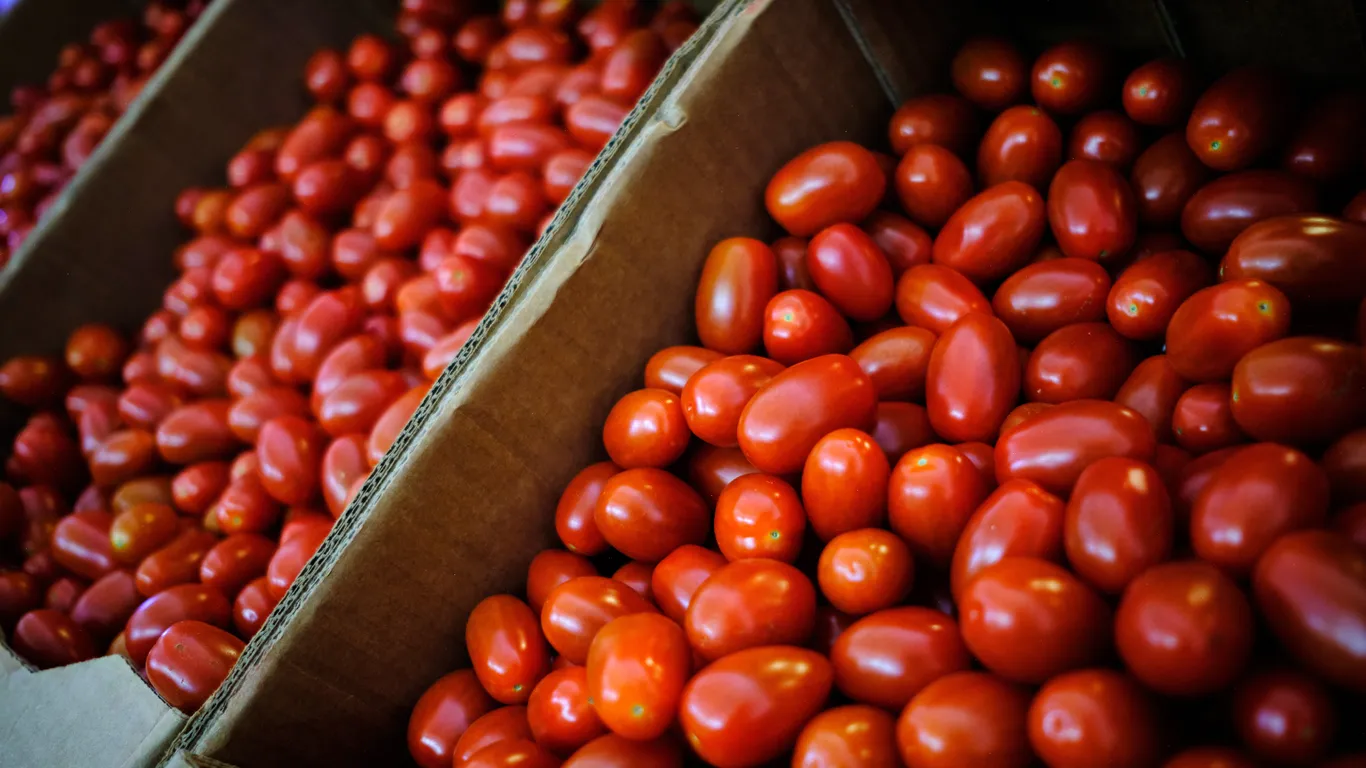
U.S. tomato prices are expected to rise due to new tariffs on Mexican imports following the termination of a long-standing trade agreement, potentially increasing costs for consumers and impacting related businesses and jobs.
Beef prices have hit record highs due to the lowest cattle herd levels since the 1950s, driven by drought, industry consolidation, and pandemic disruptions, leading to higher costs for consumers and changes in industry practices.
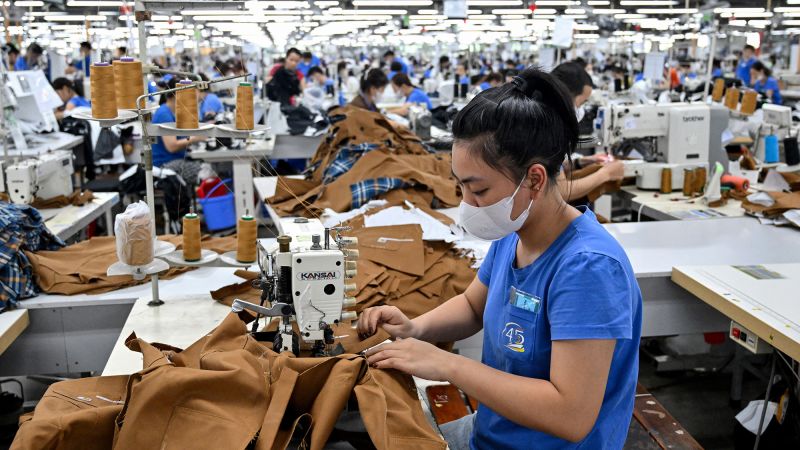
President Trump announced a trade deal with Vietnam that could lead to higher tariffs on Vietnamese goods, potentially increasing prices for US consumers on products like electronics, clothing, and shoes. The agreement calls for a minimum 20% tariff, doubling current rates, which may result in higher costs for American businesses and consumers, despite claims that tariffs are meant to benefit US industries.
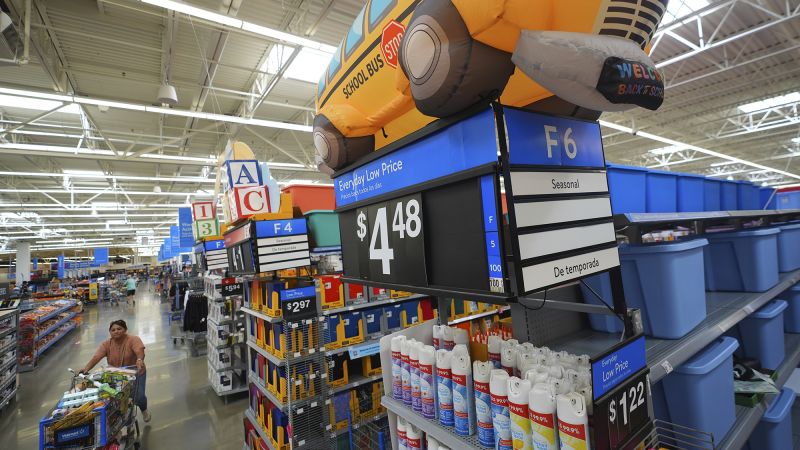
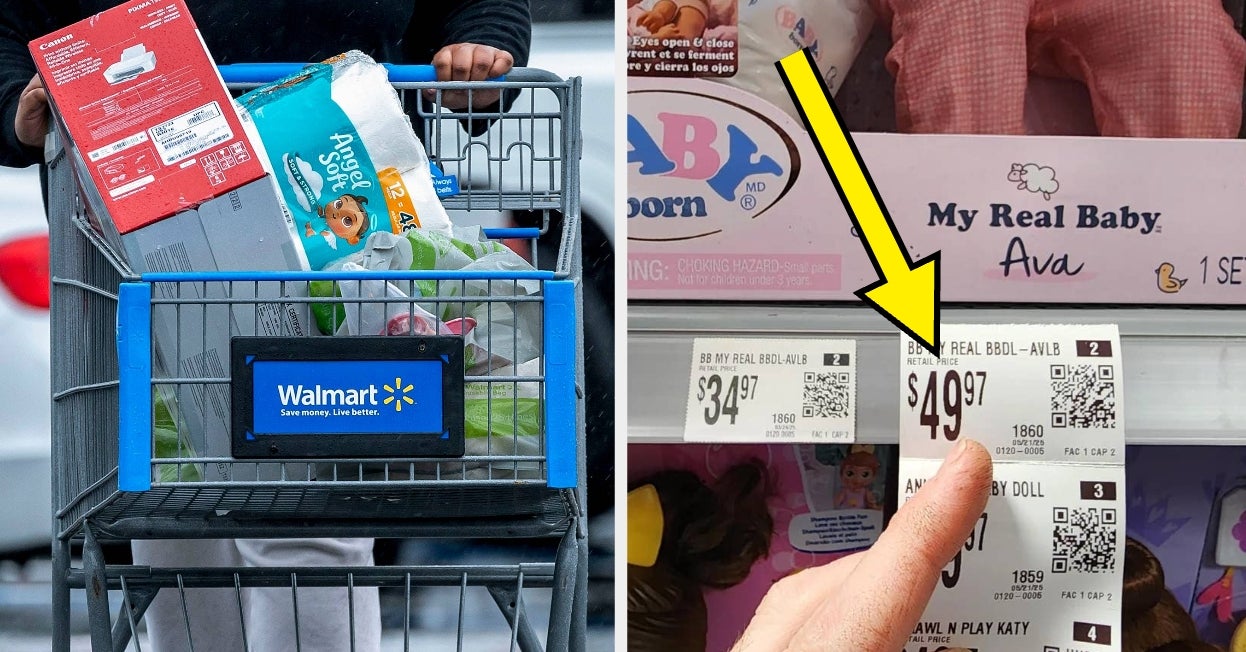
Walmart employees reveal up to 45% price increases on goods due to US trade tariffs under Trump's administration, prompting concerns over customer backlash and strategic responses by Walmart to mitigate costs while maintaining its low-price promise amid ongoing trade policy uncertainties.
Walmart and other brands are raising prices due to tariffs imposed by President Trump, with shoppers reporting noticeable increases in various products, reflecting the impact of tariffs on consumer costs.
AutoZone's CEO announced that the company will pass the costs of proposed tariffs onto consumers, reflecting a broader trend among businesses facing increased import taxes. Companies like Steve Madden and Columbia Sportswear are also preparing for price hikes due to their reliance on foreign suppliers, particularly from China. The National Retail Federation warns that these tariffs could significantly raise the cost of everyday goods for American families.
Donald Trump's victory in the 2024 presidential election is expected to significantly impact American consumers' finances. His proposed policies include broad tariffs on imports, which could drive inflation and increase costs for goods like automobiles and food. While Trump's corporate tax cuts may benefit certain sectors, his protectionist measures could lead to higher interest rates and affect housing affordability. Additionally, his tax plans may favor high earners, while his childcare proposals include expanding the child tax credit.
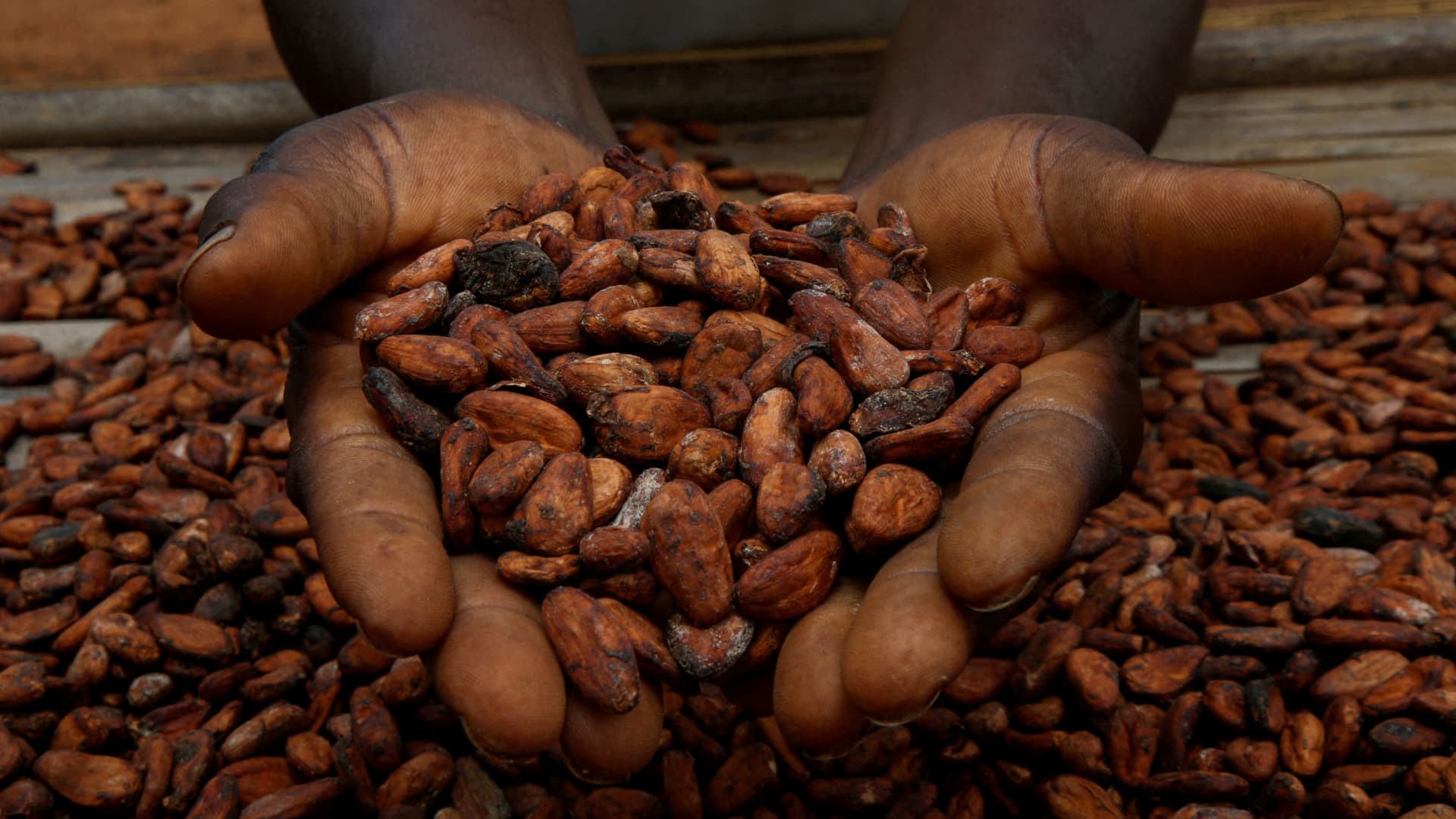
Cocoa prices have surged to record levels due to supply disruptions in key producing nations of Ivory Coast and Ghana, leading to the worst supply deficit in decades. Consumers could soon face higher prices or "shrinkflation" in chocolate products, with the industry working to manage costs and keep chocolate affordable. The surge in prices has hit chocolate giant Hershey, which sees flat earnings for the year, while speculators and bad weather exacerbate the situation. The industry is bracing for the worst as the systemic issues facing the market are expected to keep cocoa prices elevated for some time.
The Federal Trade Commission released a report on grocery supply chain disruptions during the COVID-19 pandemic, revealing that large market participants exacerbated negative effects and distorted competition. Consumers faced skyrocketing prices and product shortages, with some retailers taking advantage of rising costs to increase profits. Smaller firms, especially smaller grocery retailers, struggled more than larger ones to obtain products. The report also highlighted how some larger firms sought favorable supplier allocations and considered buying manufacturing suppliers, potentially further concentrating supply chains. The Commission's findings were based on orders issued to major companies and publicly available industry data, emphasizing the impact on market structure, business conduct, and consumer welfare.