Greenland is gradually shifting northwest and changing shape due to ice accumulation, melting, and geological forces, which could impact navigation and understanding of climate change effects. Researchers used 20 years of GPS data to analyze these movements, revealing complex interactions between tectonics, glacial rebound, and ice melt, with implications for future modeling and navigation in the region.
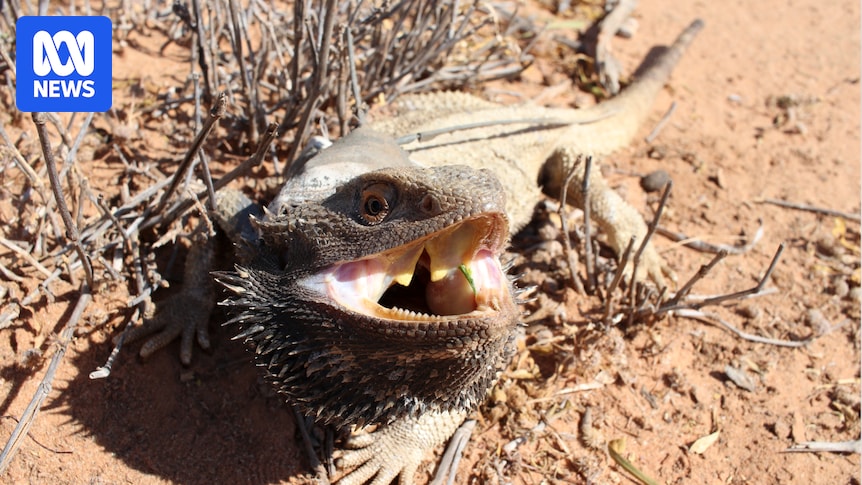
A PhD study tracked Australian bearded dragons with tiny backpacks containing GPS and sensors, revealing that faster lizards were more likely to die young, contrary to expectations. The research highlights complex survival strategies and the challenges of tracking small animals in the wild.
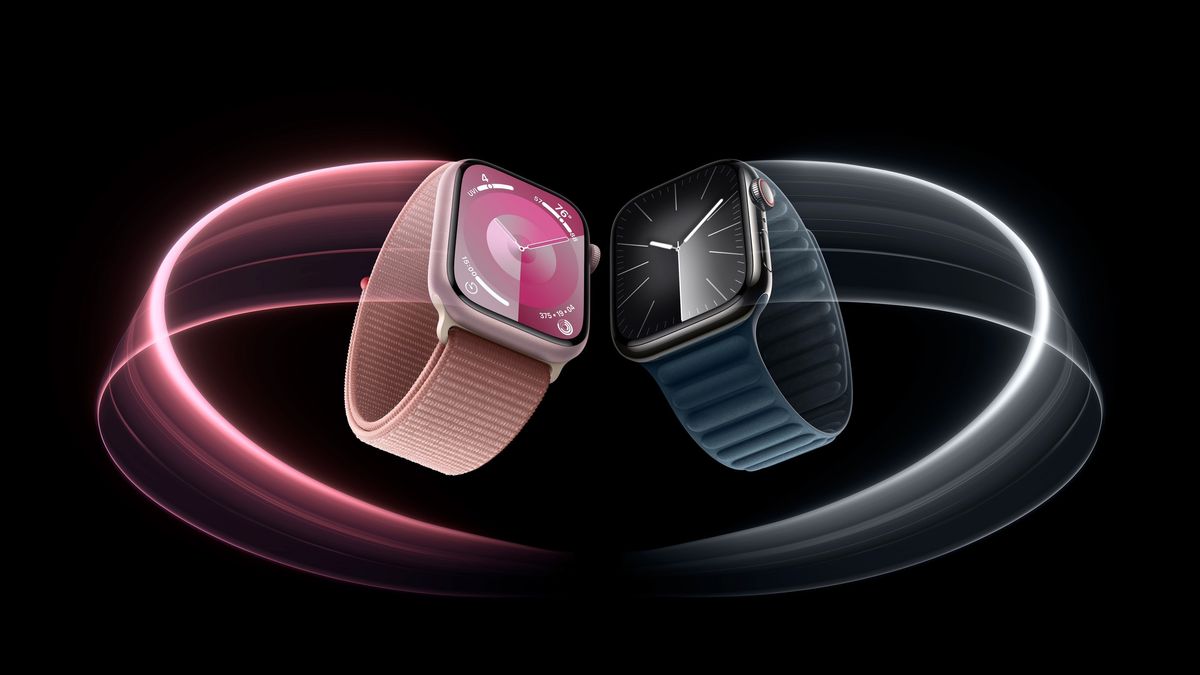
The Apple Watch Series 9 disappoints by not including dual-frequency GPS, a feature that would provide more accurate location tracking. While many fitness brands have already incorporated this technology into their watches, the Series 9 only offers GPS-only tracking, which can be unreliable and result in diverging mileage. The addition of dual-frequency GPS would not only improve accuracy but also put pressure on other smartwatch makers to follow suit. Location accuracy should be the norm rather than a niche tool in mainstream smartwatches.
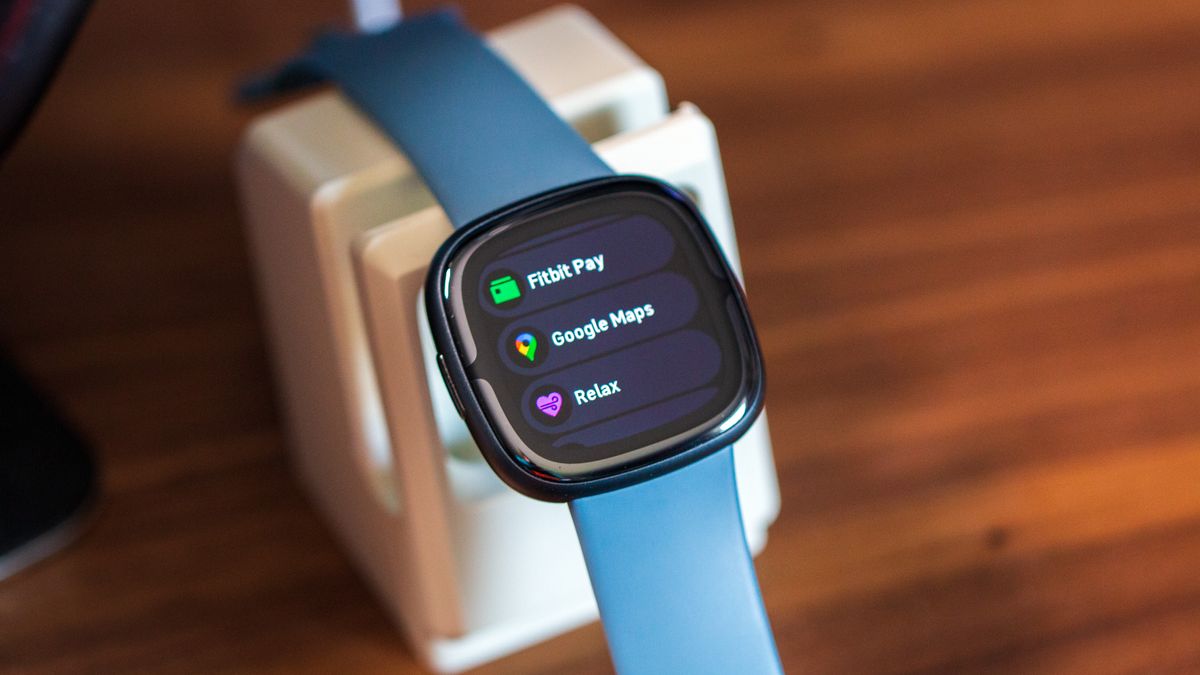
Fitbit's latest update for the Sense 2 and Versa 4 introduces a new "dynamic GPS" feature that uses a user's phone to track movements instead of the smartwatch's built-in sensors, helping to preserve battery life. The update also includes additional features such as daily readiness scores and menstrual cycle tile information, new watch faces, and bug fixes and improvements.
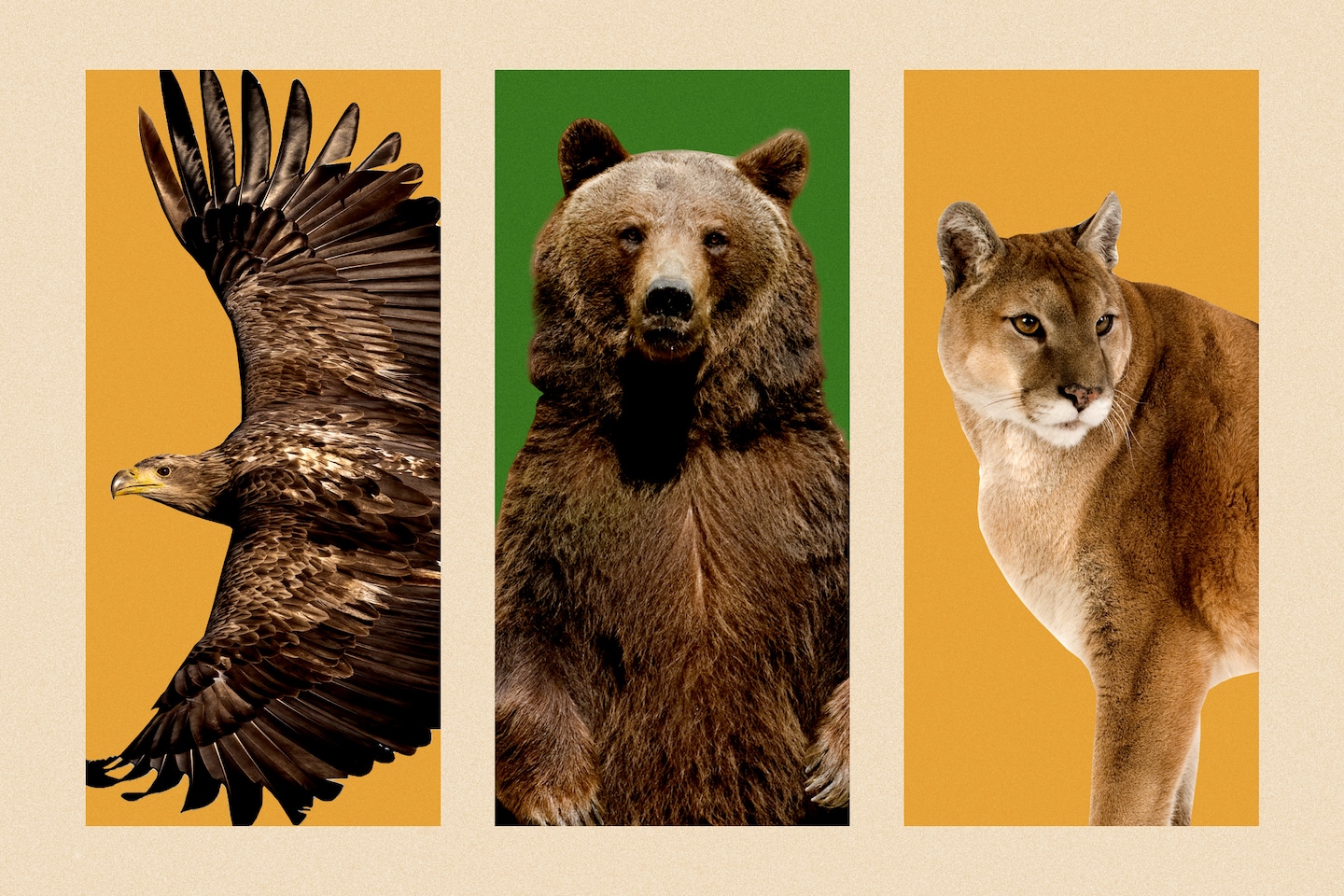
A study of GPS tracking data on land animals during Covid-19 closures showed they roamed farther and appeared more relaxed without humans around to bother them. The study involved 175 wildlife researchers and tracked 2,300 terrestrial mammals, including bears, deer, elephants, and giraffes. The research suggests that even small changes in human behavior could be quite beneficial for wildlife. The anthropause allowed ecologists to show how perceptive other creatures are to the presence of humans and how quickly they can alter their behavior when we aren’t bothering them.
The anonymous client who hired a detective to track Reno's mayor with a GPS device is arguing in Nevada's Supreme Court that he has a First Amendment right to remain anonymous. The client's lawyers argue that the First Amendment protects anonymous political activity and that the use of private investigators to investigate elected officials is just politics as usual. The client is seeking to overturn a Washoe County judge's order that he name the person who hired him to keep tabs on Reno Mayor Hillary Schieve and a county commissioner before the November election.
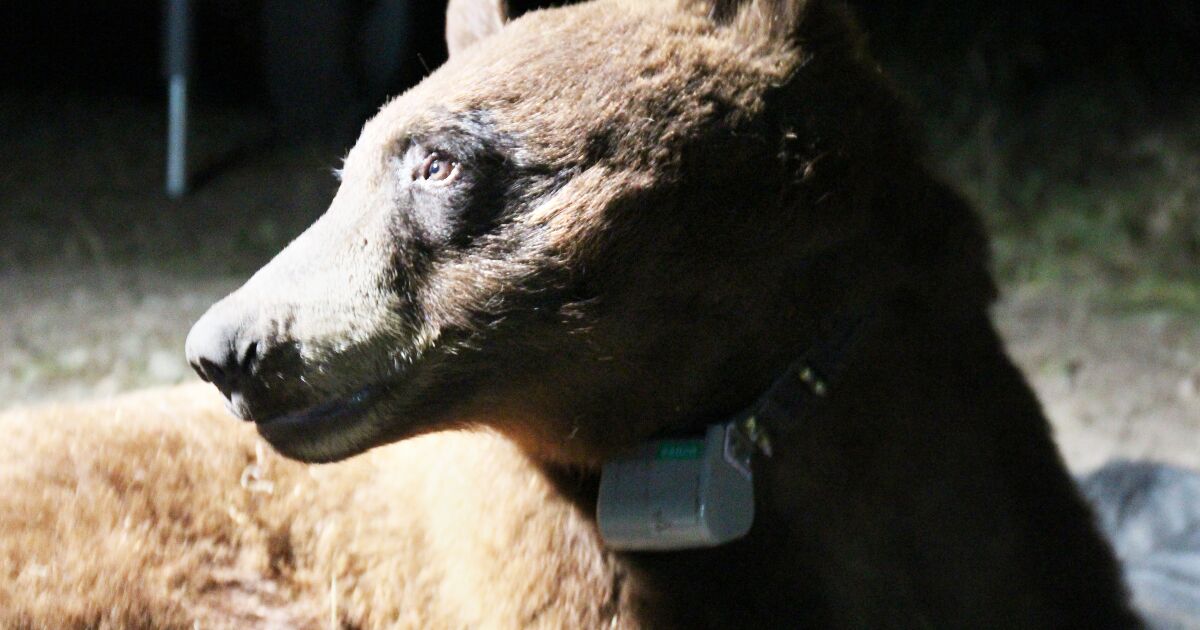
A rare black bear, the first to make its home in the Santa Monica Mountains in decades, has been tagged for research by National Park Service biologists. The male bear, estimated to be 3 or 4 years old, was captured and fitted with an ear tag and GPS radio collar. Biologists think the bear could be the cub that made headlines in July 2021 wandering through a Thousand Oaks neighborhood. The Santa Monica Mountains haven’t had a resident bear population since the late 1800s, when grizzly bears last inhabited the region before they were hunted to extinction in California.
New York City will distribute 500 free Apple AirTags to residents to combat the rise in car thefts, with a focus on precincts with the highest number of grand larceny auto thefts. The GPS tracking devices can be hidden in a vehicle and will automatically trace it if it is stolen. The AirTags were donated by a local nonprofit, and the NYPD’s Crime Prevention Unit is working on a plan for equitable distribution. Car thefts in the city have risen by over 13% this year, with the 43rd Precinct in The Bronx hit particularly hard.
The United States Drug Enforcement Agency used an AirTag to track illegal drug making paraphernalia sent from China to a narcotics manufacturer in the U.S. The DEA opted to stick an AirTag inside the package to track its movements, which appears to be the first time an AirTag has been used in such a way. The recipient of the package was ultimately not charged in federal court, but he did end up being charged by the state of Massachusetts where the package was delivered.