Scientists warn Earth is approaching multiple tipping points in climate systems—including the Greenland and West Antarctic ice sheets, boreal permafrost, and the Amazon—raising the risk of a ‘hothouse Earth’ with about 9°F of warming; current climate commitments are insufficient, and entrenched power structures complicate a just, effective transition.
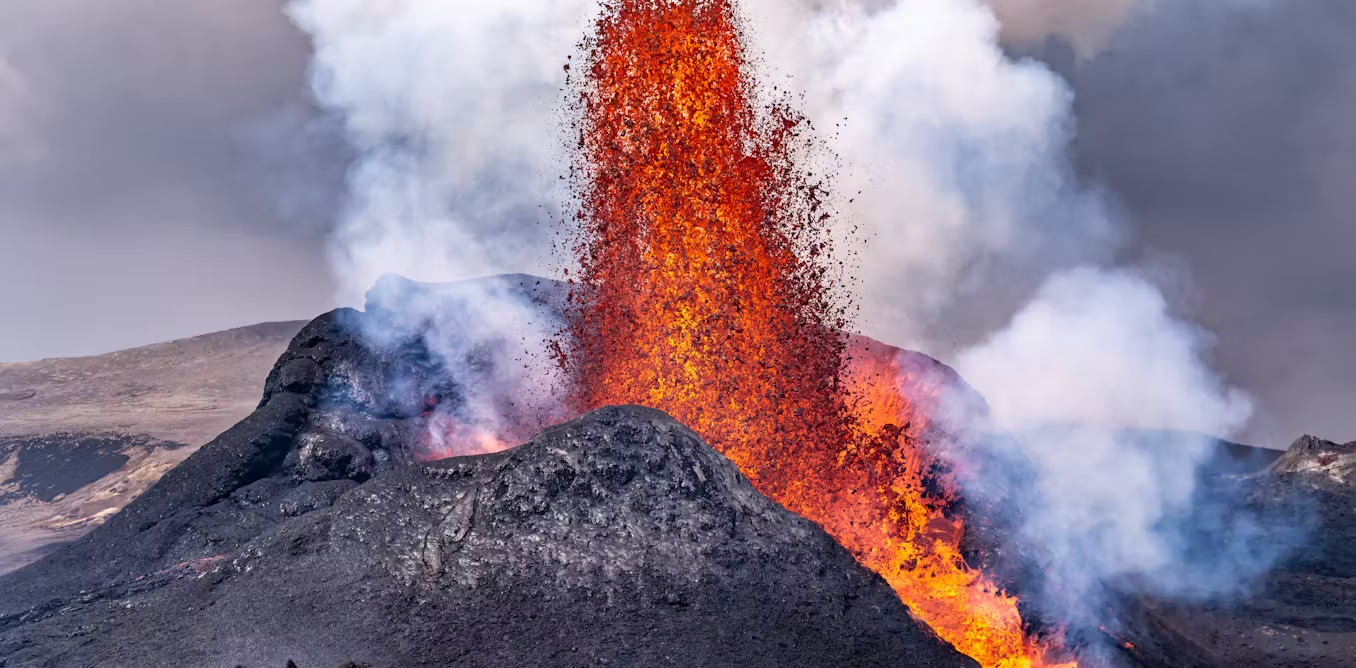
New research suggests that a platinum spike found in Greenland's ice core around 12,800 years ago, previously thought to indicate a meteorite impact, was likely caused by a volcanic fissure eruption in Iceland, which may have contributed to the climate cooling during the Younger Dryas period, rather than an extraterrestrial impact.
New research suggests that a platinum spike found in Greenland's ice core around 12,800 years ago, previously thought to indicate a meteorite impact, was likely caused by a volcanic fissure eruption in Iceland, which may have contributed to the onset of the Younger Dryas cold period by releasing sulfur and heavy metals into the atmosphere. This finding challenges the impact hypothesis and highlights the role of volcanic activity in past climate shifts, emphasizing the importance of understanding such events for future climate predictions.
A recent study confirms that climate projections from the mid-1990s accurately predicted global sea-level rise over the past three decades, though they underestimated ice melt contributions. Satellite data has been crucial in tracking these changes, revealing that sea levels are rising faster than initially thought, with regional variability influenced by ice sheet dynamics. The findings underscore the importance of refining localized forecasts to better prepare vulnerable regions for future sea-level rise.
A study shows that sea-level projections from the 1990s were remarkably accurate when compared to over 30 years of satellite data, confirming the understanding of human-induced climate change and highlighting the importance of regional monitoring for coastal decision-making.
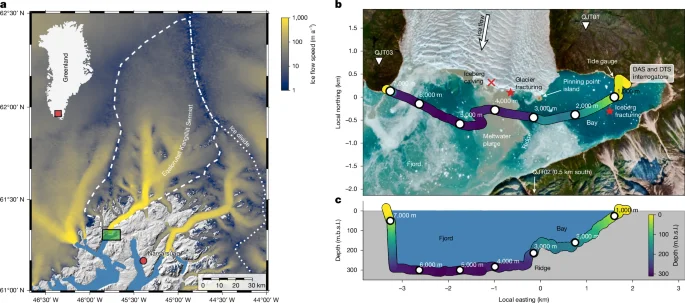
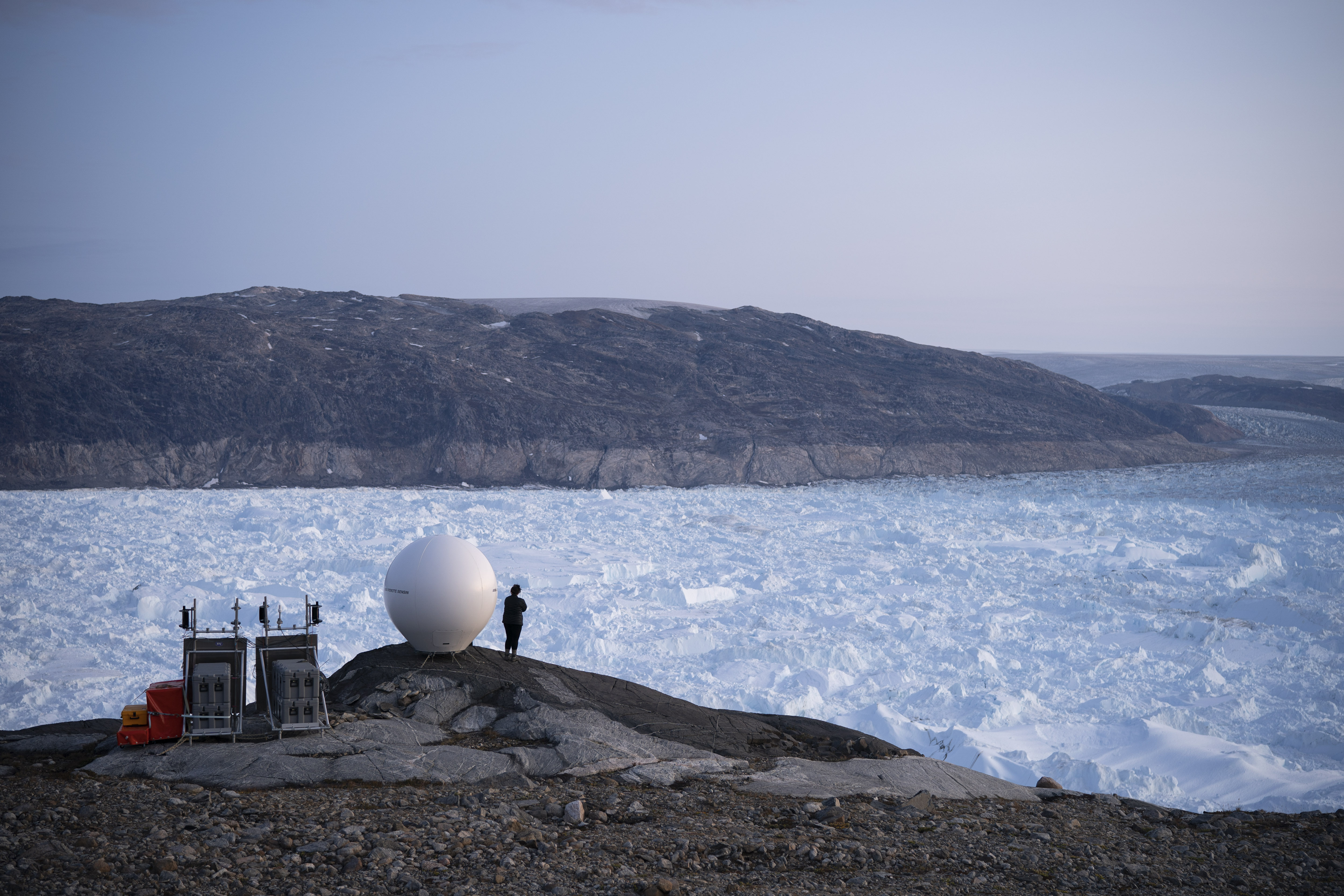
The article discusses how seafloor fibre sensing technology, specifically DAS and DTS, is used to study calving-driven fjord dynamics and ice-ocean interactions at Greenland's glaciers, revealing detailed processes such as fracturing, iceberg detachment, tsunamis, internal waves, and seafloor currents, which are crucial for understanding and modeling glacier mass loss and sea level rise.
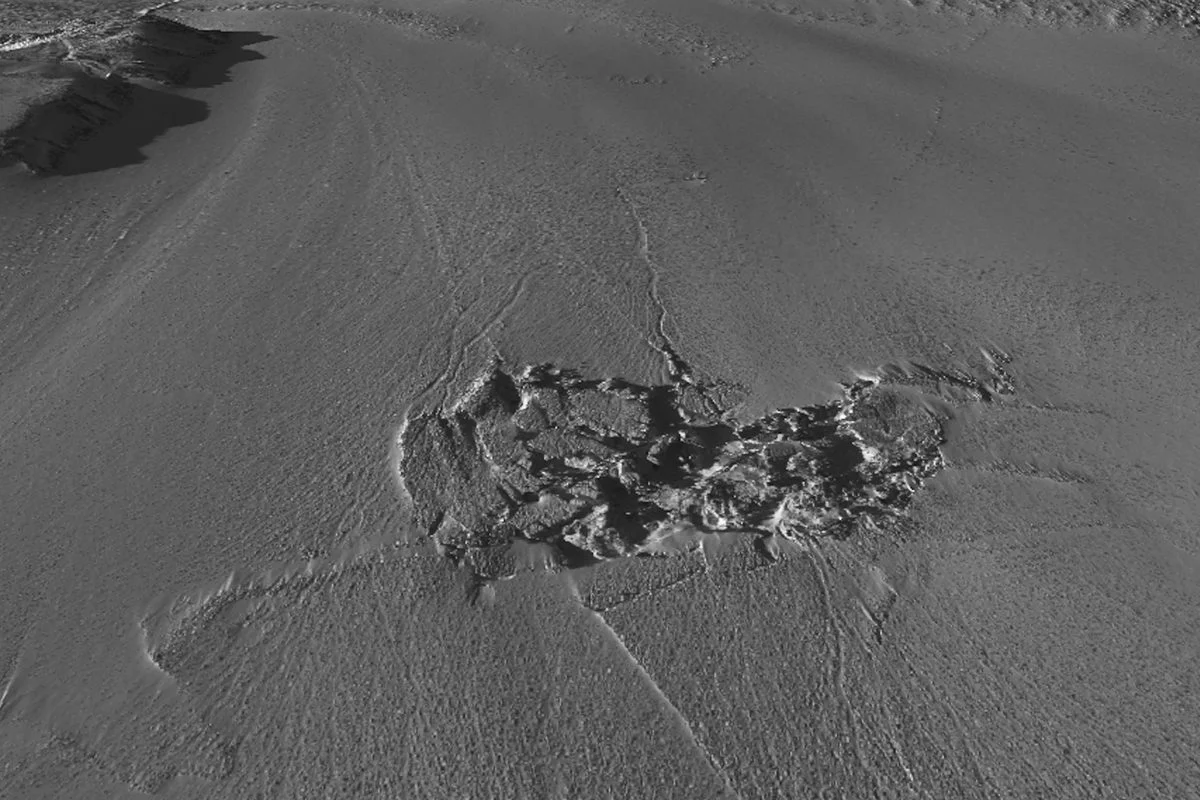
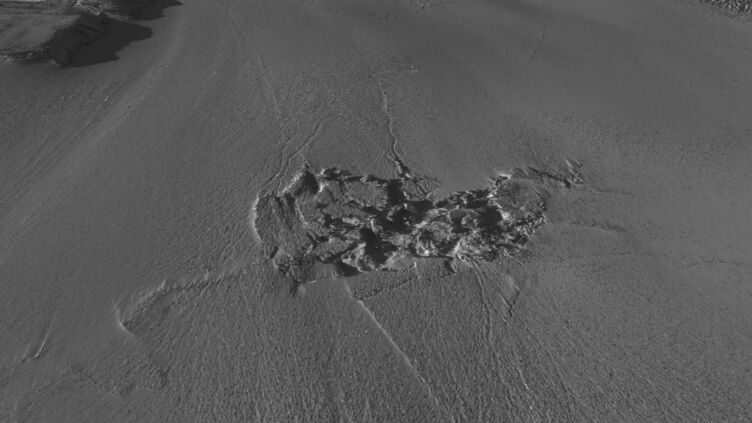
Satellites revealed a massive 2014 flood beneath Greenland's ice sheet caused by a hidden subglacial lake, which fractured the ice surface and created a large crater, highlighting new insights into ice sheet dynamics and potential impacts of climate change.
A massive 2014 flood beneath Greenland's ice caused significant ice fracturing and scouring, revealing new insights into ice sheet responses to extreme meltwater events, which may be more common with climate change, challenging existing models.
Scientists discovered a massive flood under Greenland's ice sheet in 2014, where 90 billion liters of meltwater burst through nearly 300 feet of ice, creating a crater and fracturing the ice, challenging previous understanding of ice sheet dynamics and highlighting the complex impact of meltwater on ice stability.
Researchers from UC Irvine and the University of Michigan have identified that a commonly used climate model overestimates the albedo of ice by about 5%, leading to underestimations of ice melt. By incorporating more accurate ice reflectivity data, the model now shows the Greenland Ice Sheet melting at a rate of six gigatons more than previously estimated. This finding highlights the importance of accounting for microphysical properties of ice, such as the effects of algae and dust, in climate models.
Recent research suggests that while Greenland's ice loss is significant, it is unlikely to continue long enough to shut down the Atlantic Ocean circulation system in the coming decades. Historical evidence shows that icebergs, which are more effective at disrupting ocean currents, are less likely to form in the future due to the receding ice sheet. Although the Atlantic Meridional Overturning Circulation (AMOC) is projected to decline, the risk of an imminent collapse is lower than some fear, but climate change mitigation remains crucial.
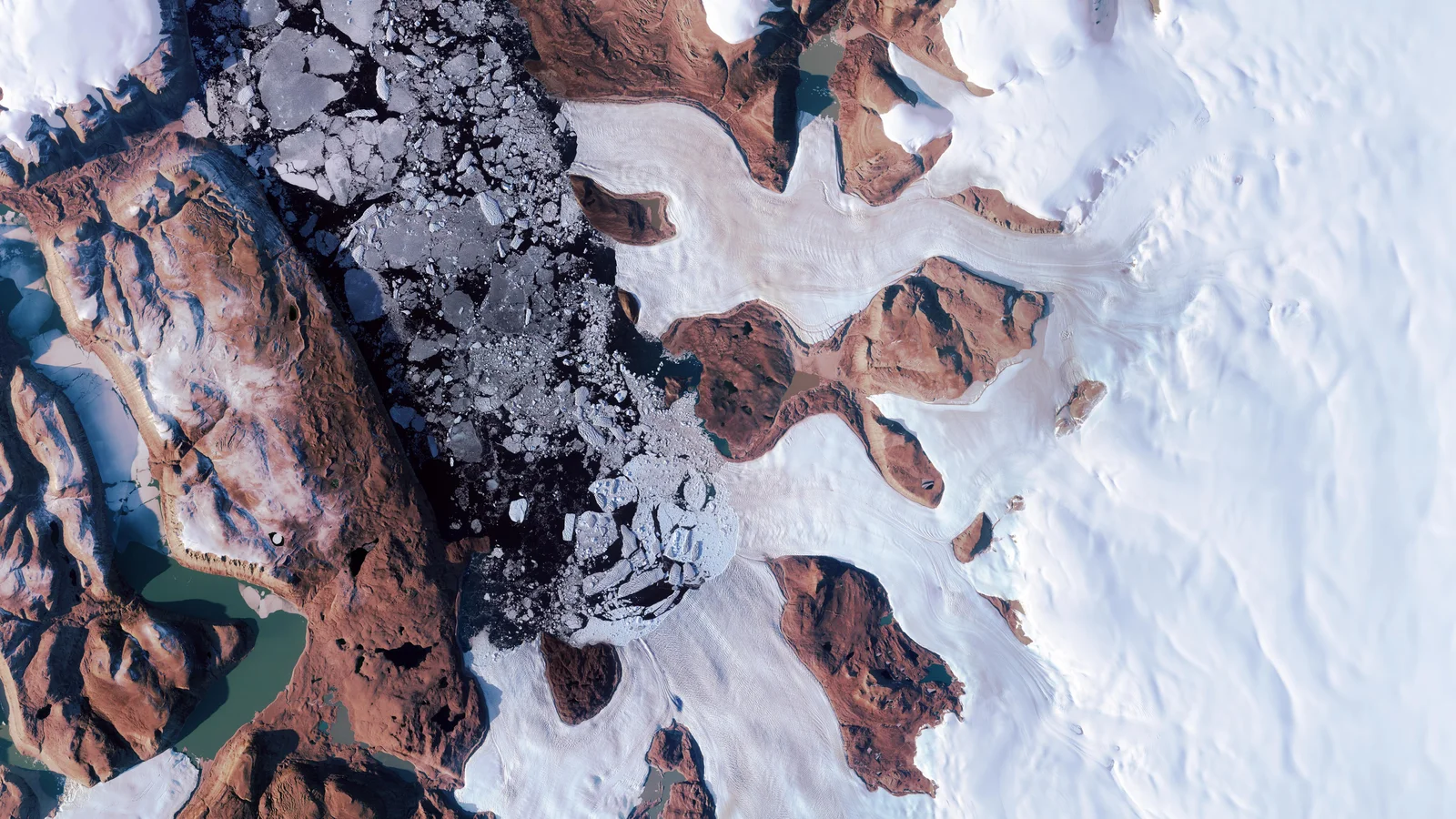
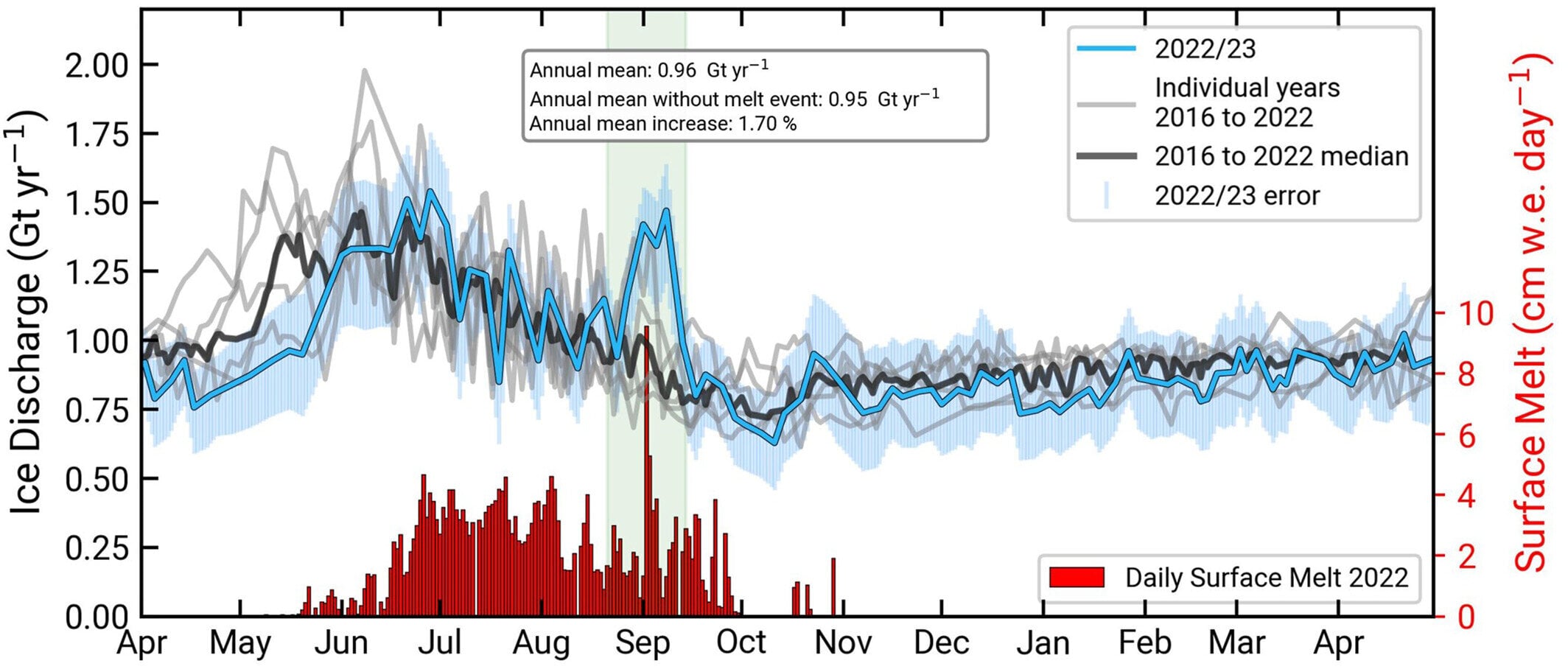
A study published in Geophysical Research Letters found that late-season melting events on the Greenland Ice Sheet have minimal impact on its annual motion, despite causing temporary accelerations in ice flow. The research, led by Ryan Ing and colleagues, used satellite imagery and meteorological data to analyze the effects of intense melting events in 2022. While these events led to short-lived increases in ice motion, they did not significantly affect the overall annual ice discharge. However, the study highlighted the significant role of late-season melt events in intensifying surface melting and increasing annual meltwater runoff, which could have broader implications for ice sheet mass loss as Earth's climate continues to warm.
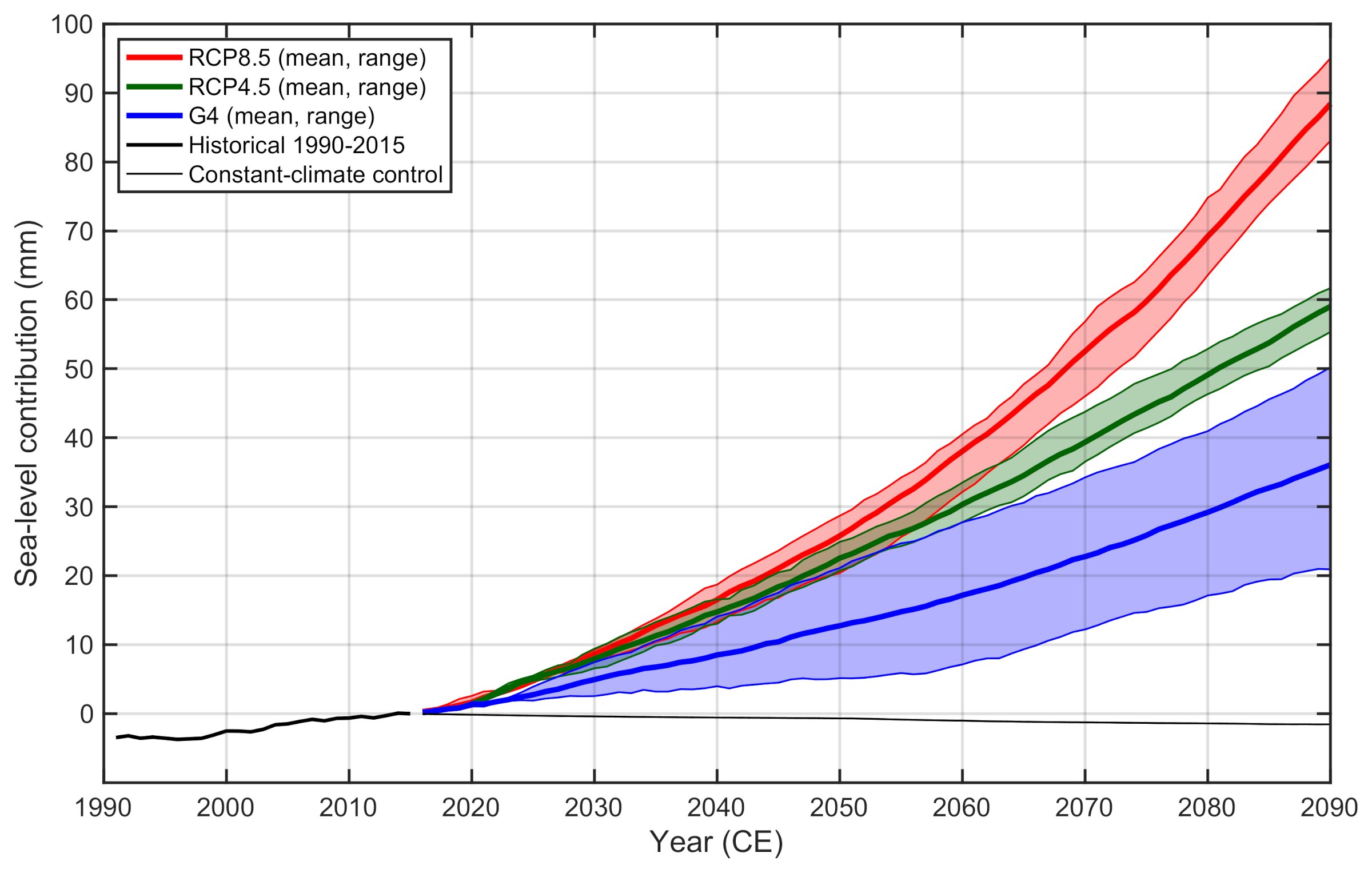
A modeling study led by an international team of researchers has found that a geoengineering technique called stratospheric aerosol injection (SAI) could potentially slow down the loss of the Greenland Ice Sheet. The study simulated the effects of SAI on ice sheet melting and found that under the scenario involving SAI, ice loss from the Greenland Ice Sheet would be limited, potentially reducing sea-level rise. However, the researchers caution that geoengineering is a highly contentious topic and may only address the symptoms of global warming without tackling the root causes, with unpredictable positive and negative outcomes.
A new scientific report warns that continued global warming could trigger catastrophic tipping points in the Earth's climate system, leading to irreversible consequences. The collapse of the Greenland ice sheet, unstoppable ice loss in West Antarctica, permafrost thawing, coral die-offs, and the collapse of ocean currents are among the potential tipping points. The report emphasizes the urgent need for a rapid phase-out of greenhouse gas emissions and a global commitment to reach net-zero emissions by 2050. It also calls for strengthening global frameworks for adapting to climate impacts, investing in scientific research on tipping points, and triggering positive tipping points through low-carbon transitions.
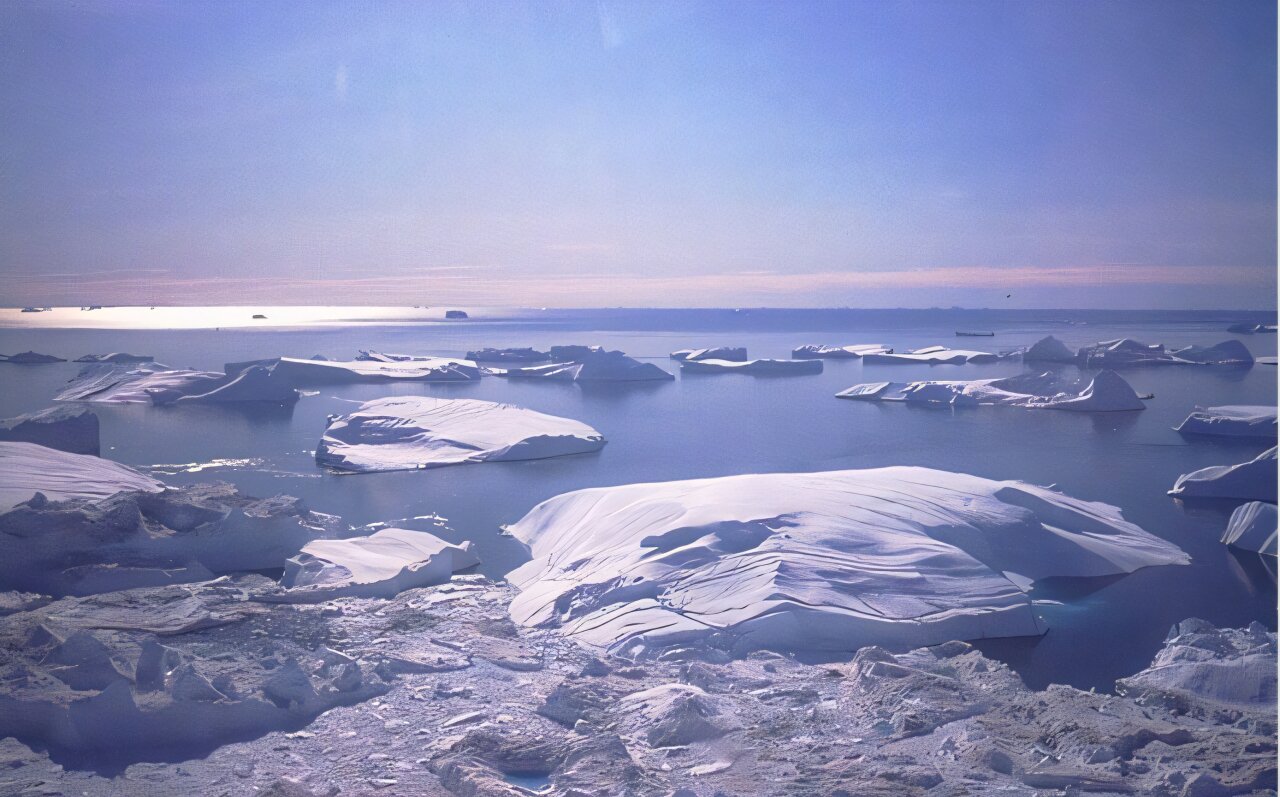
New research suggests that the Greenland ice sheet is approaching a critical threshold that could trigger runaway melting, but there is still a chance to save it by limiting global warming to 1.5 degrees Celsius. Crossing the threshold temporarily would lead to significant sea level rise, but it may still be possible to stabilize the ice sheet if temperatures are reversed quickly. The size of the ice sheet provides humanity with some time to take action. However, world leaders are falling behind in their efforts to cut fossil fuel emissions, and the planet is on track to warm about 2.8 degrees Celsius by 2100. Despite this, even incremental reductions in greenhouse gas emissions remain crucial in mitigating the impacts of climate change. Sea level rise caused by the melting ice sheet will have severe consequences, including coastal erosion and flooding, emphasizing the urgency for immediate action.