A study links 20% of urinary tract infections to foodborne E. coli from raw meat, especially poultry, highlighting the importance of proper kitchen hygiene and food safety practices to prevent infections, with a higher risk observed in low-income areas.
The CDC has reduced its FoodNet foodborne illness surveillance program to focus only on salmonella and STEC, dropping monitoring for six other pathogens due to funding constraints, raising concerns among experts about the potential impact on outbreak detection and public health response.
Wegmans has recalled several cheese products due to potential listeria contamination, including medium camembert, cheese flight, grilled camembert, and caramel apple pecan brie, sold between July 1 and August 12 across multiple states. No illnesses have been reported, but consumers are advised to return the products for a full refund to prevent serious health risks, especially for vulnerable populations.
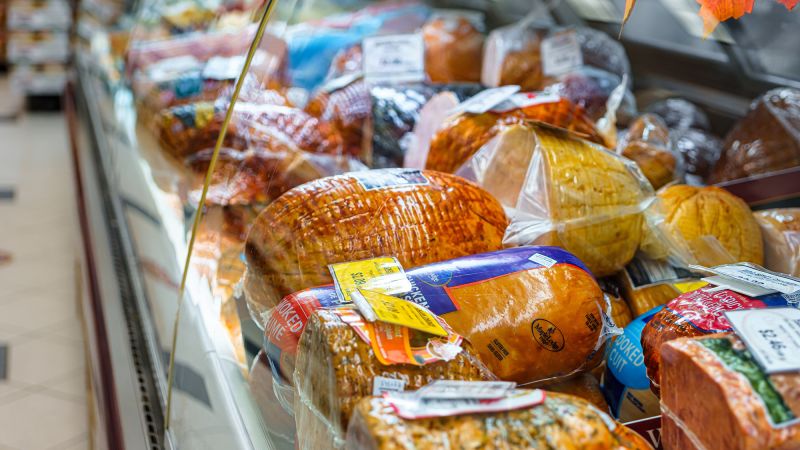
Food recalls are common and can be due to various reasons, including potential pathogens or allergens. Despite recent recalls, food safety expert Dr. Donald Schaffner suggests that outbreaks are random and not necessarily more frequent. Advances in technology, like whole genome sequencing, have improved outbreak detection. The Food Safety Modernization Act has enhanced food safety, but implementation takes time. Consumers can stay informed by subscribing to recall alerts from the FDA and USDA.
The Wisconsin Department of Health has launched an online tool for reporting suspected food or waterborne illnesses, aiming to make it easier for people to report symptoms and potential sources of contamination. The questionnaire allows individuals to provide details about their illness, recent food consumption, and places visited before falling ill. Officials hope this will help identify sources of contamination and combat underreported cases, particularly for norovirus, which tends to spike in the winter. The department also offers tips for preventing food poisoning and emphasizes that the tool is not a substitute for seeking medical care.
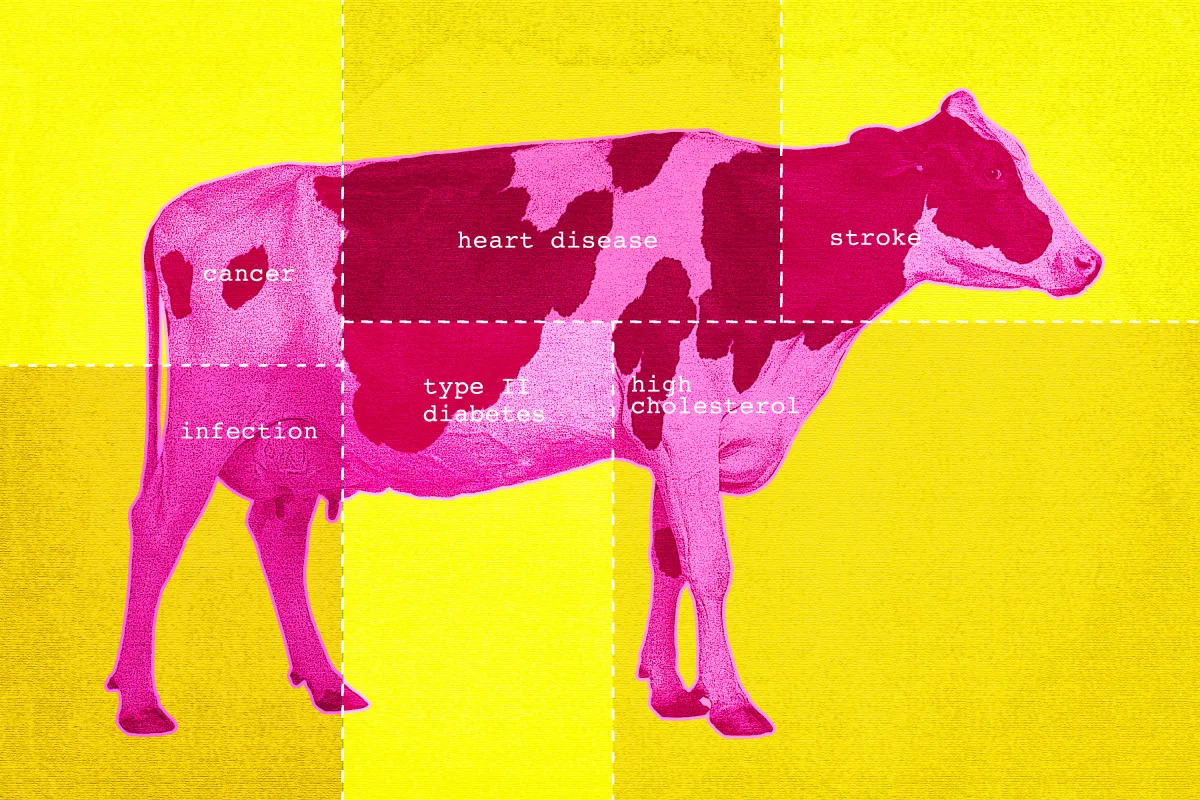
Red meat consumption has been linked to various health issues, including type 2 diabetes, heart disease, and an increased risk of certain cancers. Recent research suggests that substituting plant-based proteins for meat can reduce the risk of type 2 diabetes. Experts recommend limiting red meat intake, opting for leaner cuts, and incorporating more fiber, fruits, and vegetables into the diet. It is also important to cook meat thoroughly and practice safe food handling to prevent foodborne illnesses. While completely eliminating red meat may not be necessary, it is advised to prioritize a balanced diet and consider other protein sources.
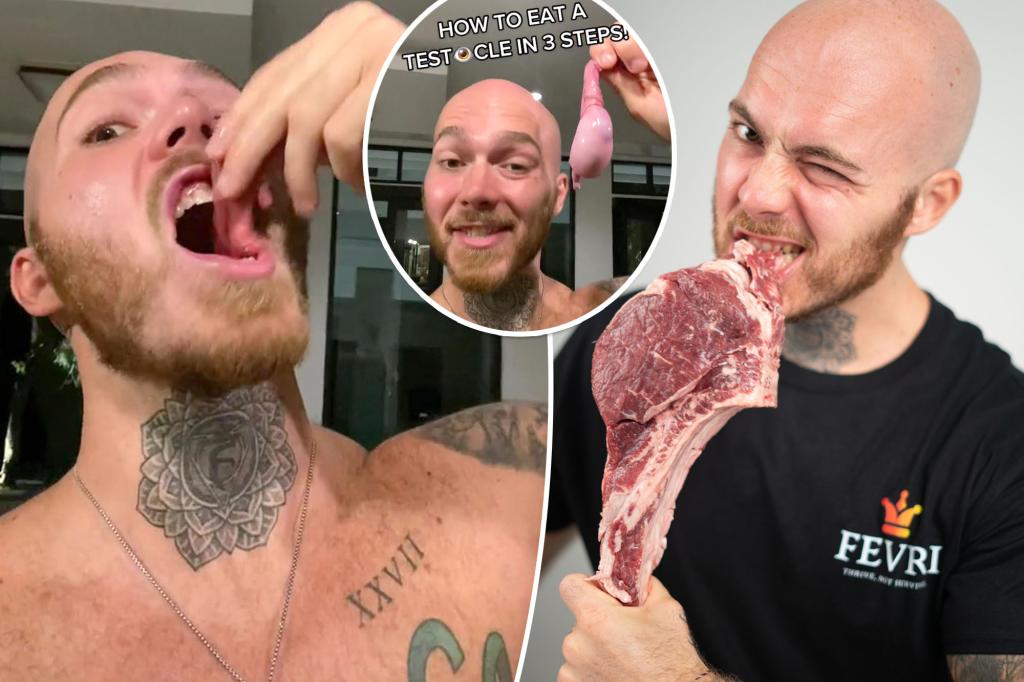
Pauly Long, also known as the "Testicle King," claims to have felt great after eating raw steak for 100 consecutive days. Despite warnings from health authorities about the risks of consuming uncooked meat, Long insists he has experienced no complications and has noticed positive changes in his digestion, energy levels, and overall mood. While he typically includes both raw and cooked foods in his diet, Long believes he feels his best when eating raw. He encourages others to do their own research but brushes off criticism and believes humans can "thrive" on a completely raw diet.