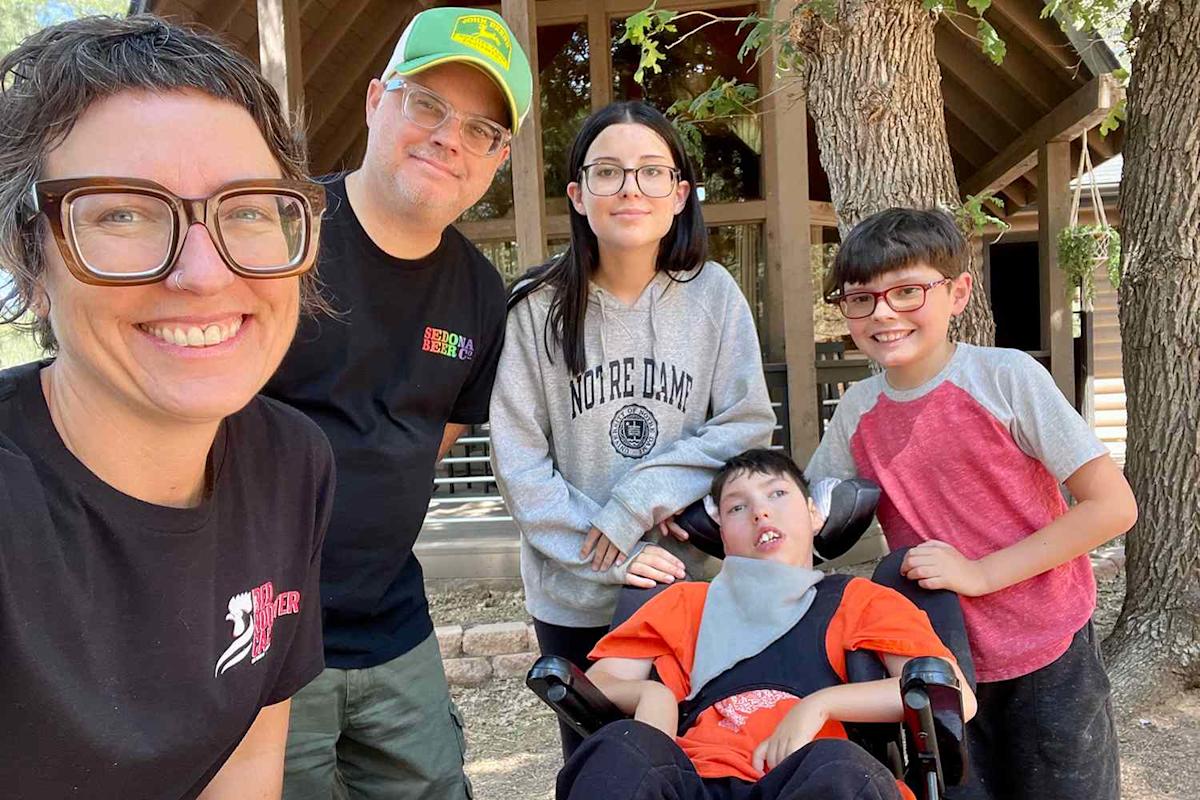
A family in Arizona highlights the importance of respite facilities like Ryan House, which provide short-term caregiving for children with complex medical needs, allowing families to rest, recharge, and maintain their mental health, while also supporting family relationships and caregiver well-being.
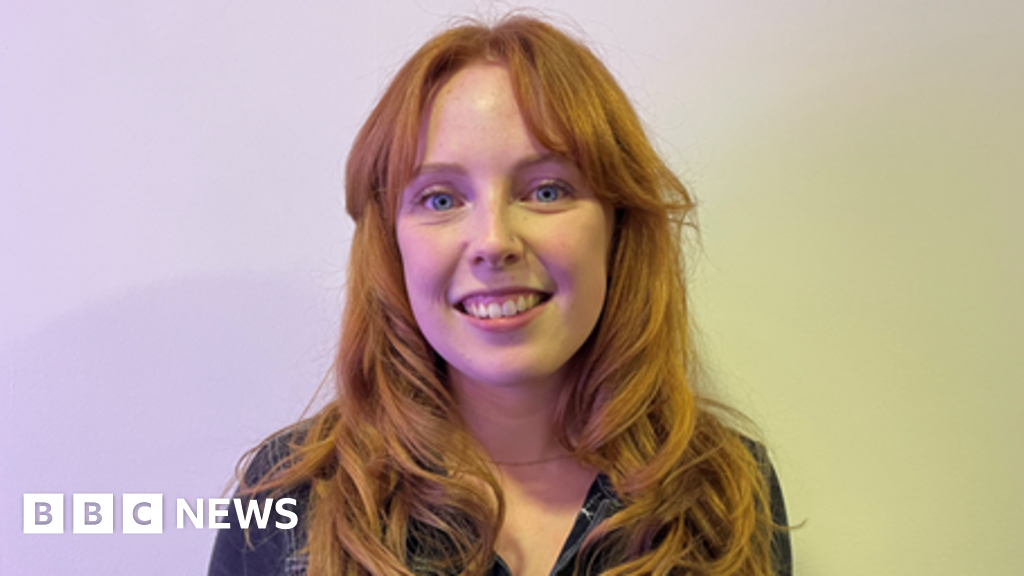
Liv Heeney from Birmingham, at risk of early onset dementia due to a faulty gene inherited from her mother Bernie, is using genetic testing and IVF to prevent passing the gene to her children, while raising awareness and funds for dementia research.
Erin Bates, star of 'Bringing Up Bates,' is in critical condition in ICU after suffering a severe seizure caused by septic shock following childbirth, highlighting ongoing health struggles and family concerns.
Taylor Swift's father, Scott Swift, is recovering well after undergoing quintuple bypass surgery over a month ago, with Taylor, her brother, and mother by his side during his recovery process.
The author’s sister Lindsey decides to get tested for Huntington’s disease during a visit, highlighting the complex emotional and ethical considerations involved in genetic testing for incurable diseases.
The article discusses how weight loss medications like Ozempic not only affect individuals but also have contagious effects on their families, leading to healthier eating habits and increased activity among family members who are not taking the drugs, which can positively transform family dynamics but also pose risks for children.
A man from St. George is the latest in his family to suffer from kidney failure caused by a rare genetic condition, highlighting a hereditary health issue affecting multiple family members.
Identical twins with Marfan syndrome, a genetic condition affecting connective tissues, both needed open heart surgery to repair aortic aneurysms after their mother experienced a life-threatening aortic dissection. Following their decision to undergo surgery on the same day, the procedures were successful, and they are now focused on recovery and regaining their strength, grateful for the opportunity to live normal, active lives without the looming threat of a medical emergency.
Health care providers are urging relatives of cancer patients to undergo genetic testing in order to detect gene variations linked to cancer and take preventive measures. While gene testing used to be expensive and required appointments with genetic counselors, it has become more affordable and accessible through direct-to-consumer testing. Genetic testing can provide valuable information about increased cancer risk, allowing individuals to make lifestyle changes and undergo earlier detection. Additionally, gene testing for cancer patients can lead to more targeted treatment options and provide valuable information for their close relatives to detect and prevent cancer.
The BabySeq Project, the world's first comprehensive sequencing program for newborn infants, has published new findings on infants and families who have been followed for three to five years. Over 10% of the first 159 infants to undergo screening through DNA sequencing were discovered to have unanticipated mutations in disease-associated genes, all of which were medically actionable, meaning that the child would likely benefit from early treatment or surveillance. The study indicates that conducting thorough genetic sequencing of newborns has the potential to significantly improve health outcomes for infants and their families.
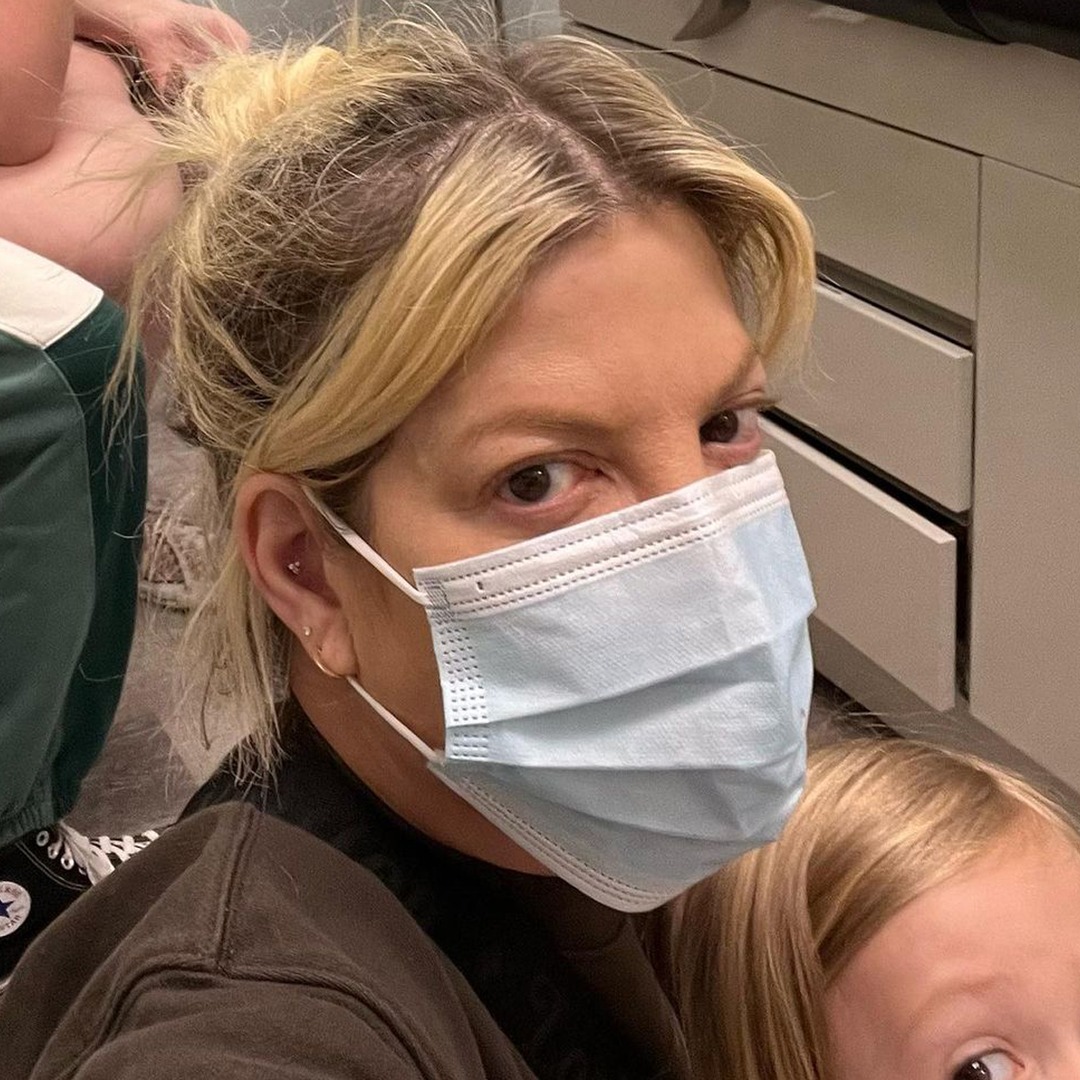
Tori Spelling's two youngest children fell ill with respiratory infections, exhaustion, dizziness, extreme allergy-like symptoms, and skin rashes for months. After visiting urgent care, mold was discovered in their home, causing the illnesses. The family will now vacate the home as soon as possible. Tori and her husband Dean McDermott share five children.