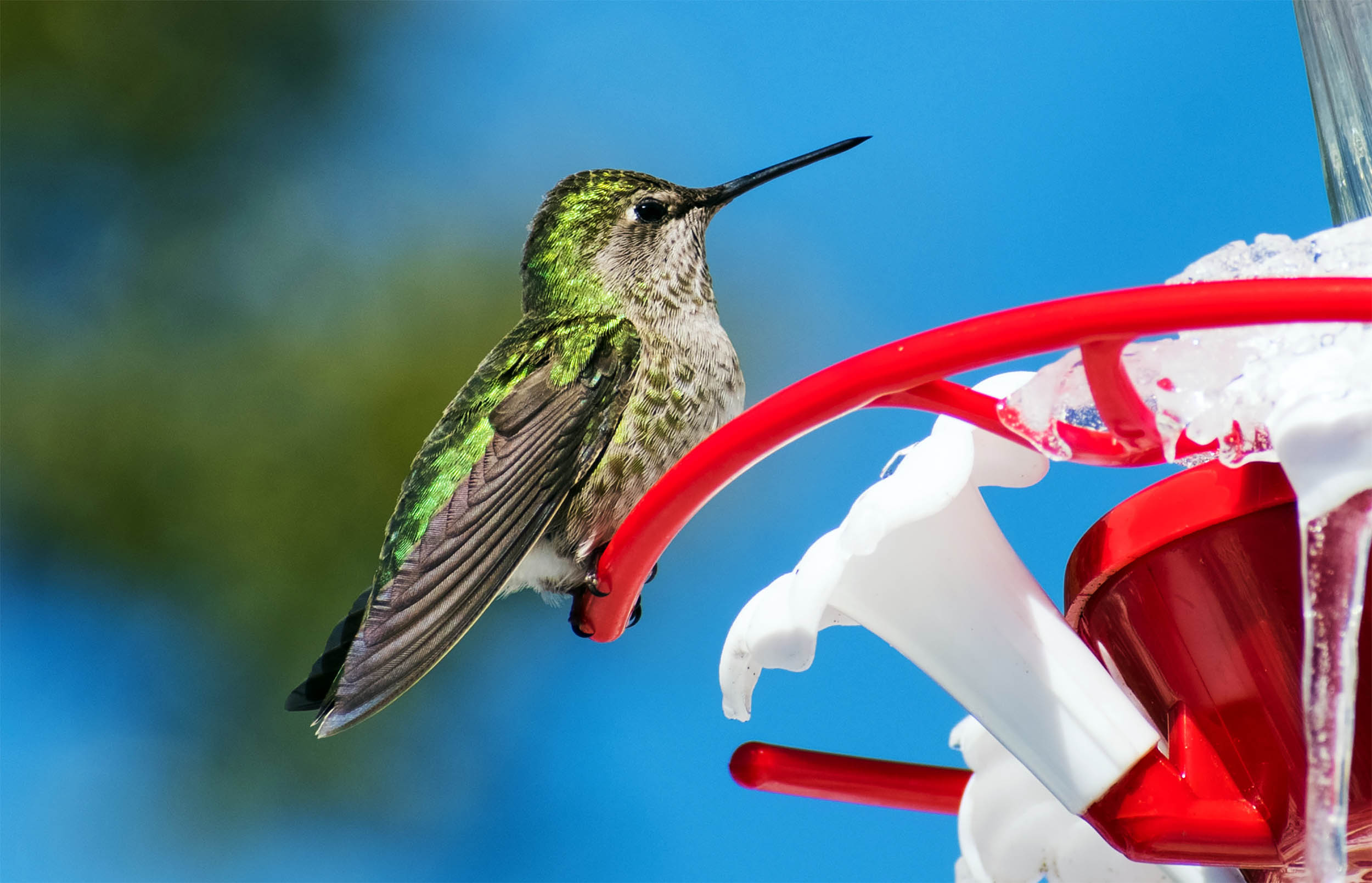
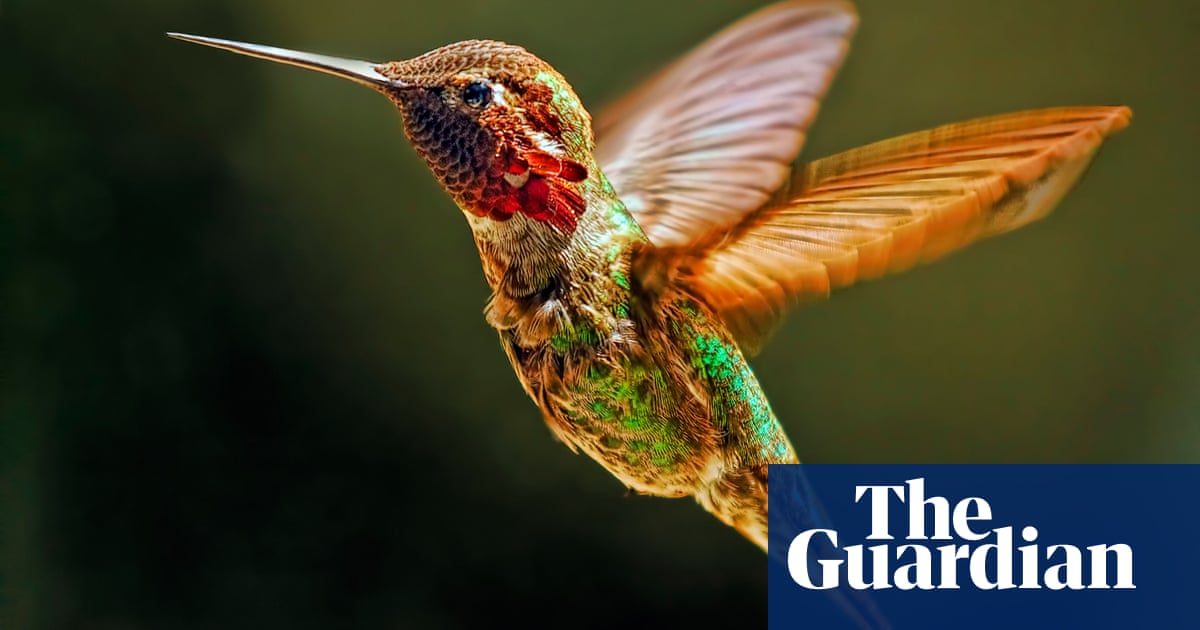
A study shows that human activities like feeding hummingbirds and planting non-native nectar sources have led to rapid evolutionary changes in Anna's hummingbirds, particularly in their bill shape, as they adapt to new environments and food sources over decades.
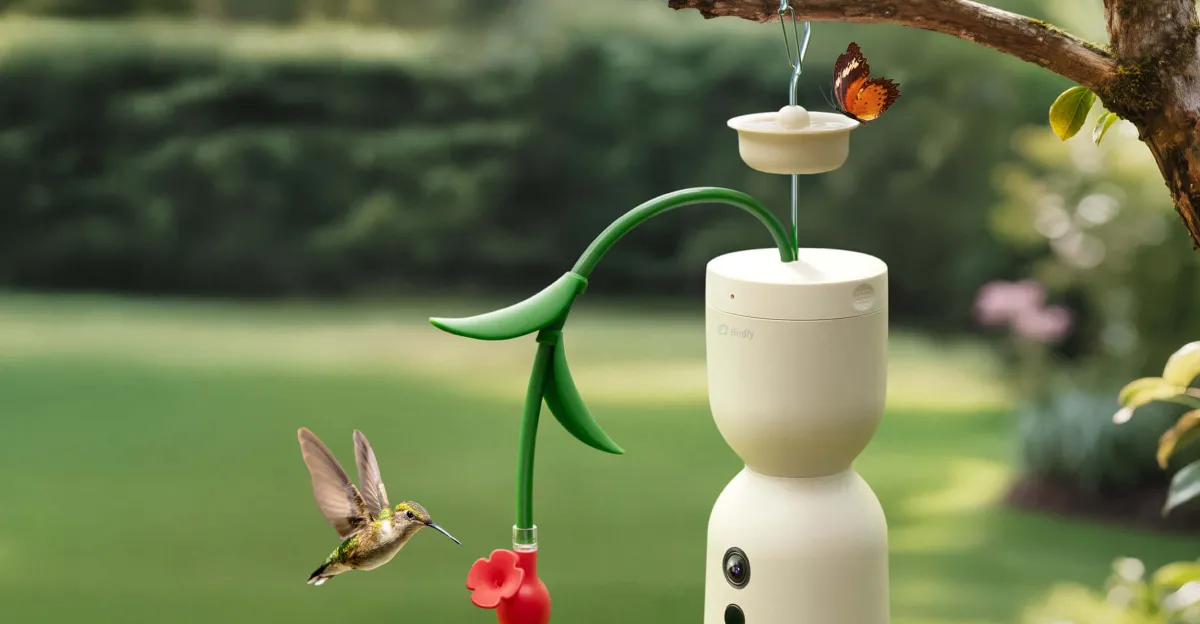
Birdfy has announced two new smart bird feeders, the Hum Bloom and Feeder Vista, equipped with high-speed cameras capable of capturing 120fps slow-motion footage of hummingbirds and other birds, featuring AI identification and innovative feeding mechanisms, expected to be available in Q2 2026.
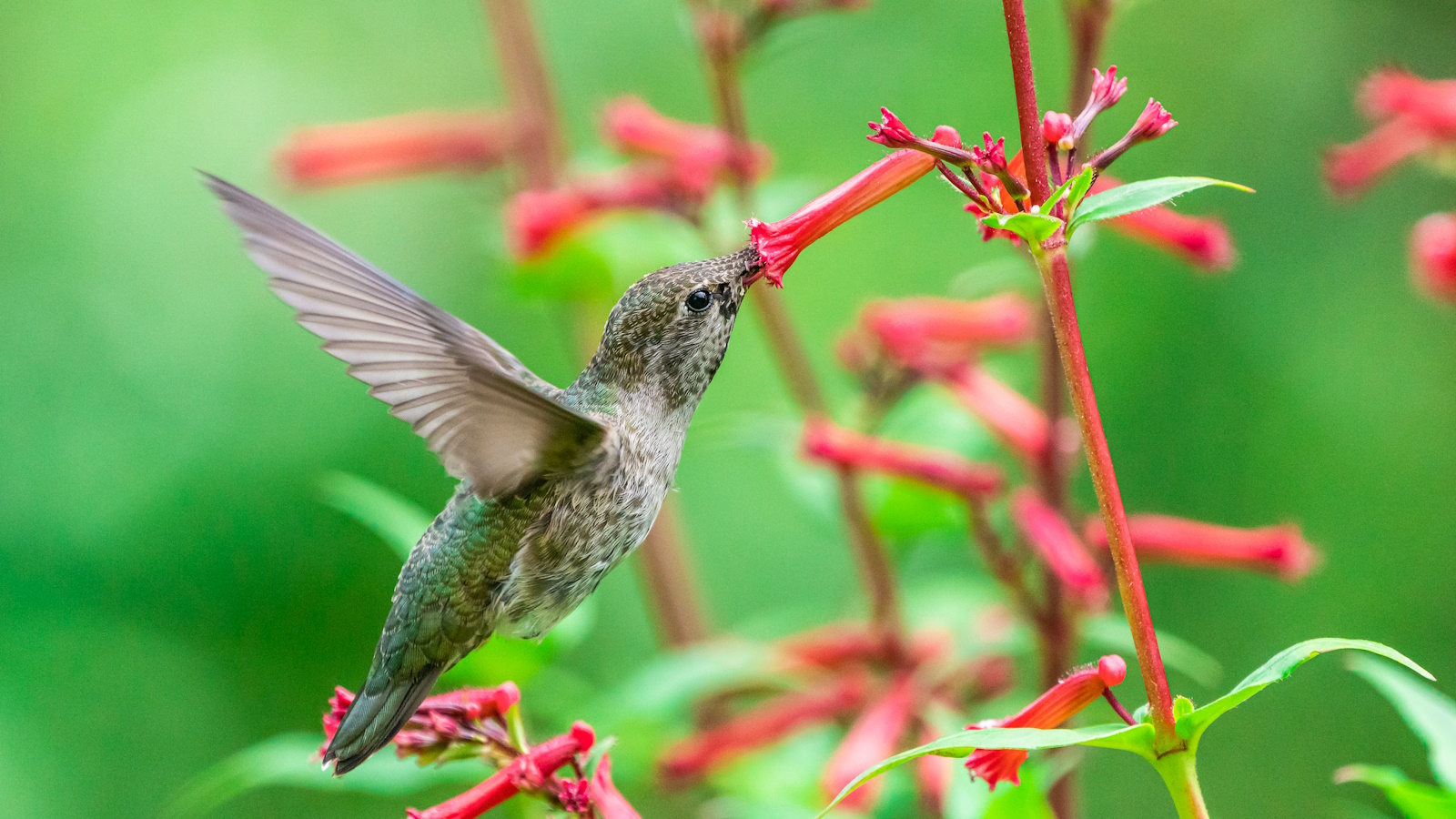
Planting late-season nectar-rich flowers like coral honeysuckle, valerian, ironweed, goldenrod, aster, pineapple sage, and milkweed in August can support migrating hummingbirds by providing essential energy sources during their southward journey. It's not too late to add these plants to your garden to help wildlife and enjoy their vibrant blooms.
Researchers are studying the flight mechanics of hummingbirds to enhance drone technology. By understanding how these birds achieve their agile and efficient flight, scientists aim to develop drones that can maneuver more effectively in complex environments. This biomimicry approach could lead to significant advancements in drone design and functionality.
Hummingbirds need protein from insects in addition to nectar, and overripe bananas can attract fruit flies, a staple in their diet. Hanging banana peels near feeders creates a natural magnet for fruit flies, drawing hummingbirds to your garden. Providing overripe bananas near existing feeders or using a banana-specific feeder can help attract hummingbirds, while ensuring the feeder is cleaned regularly and nectar is replaced.
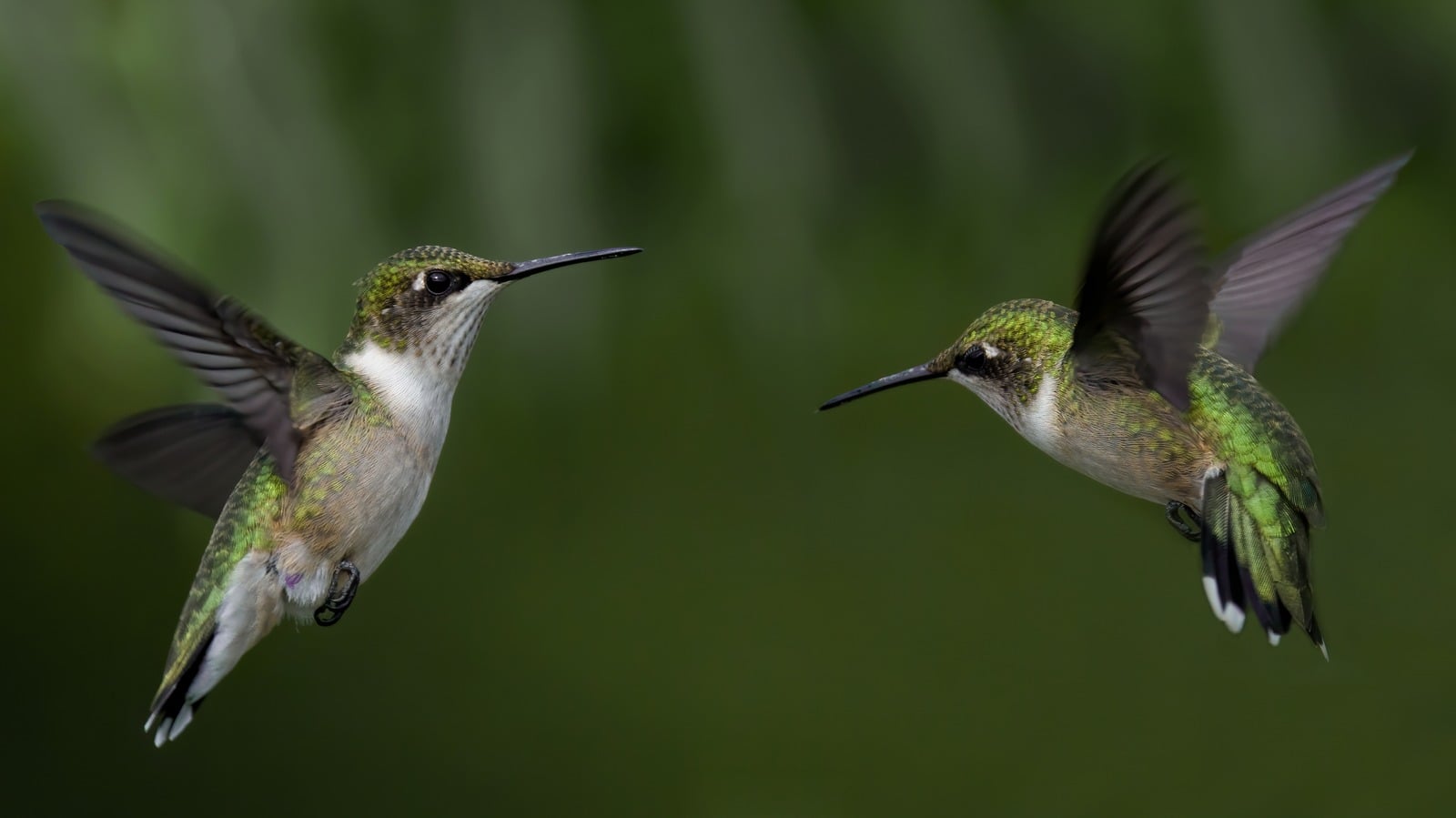
Hummingbirds are able to fly through spaces smaller than their wingspan due to their unique wing morphology and specialized flight capabilities. Researchers have found that hummingbirds can rotate their wings in a figure-eight pattern, allowing them to generate lift on both the forward and backward strokes. This remarkable ability enables them to maneuver through intricate environments with precision and agility, showcasing the fascinating aerodynamics and adaptability of these tiny avian creatures.
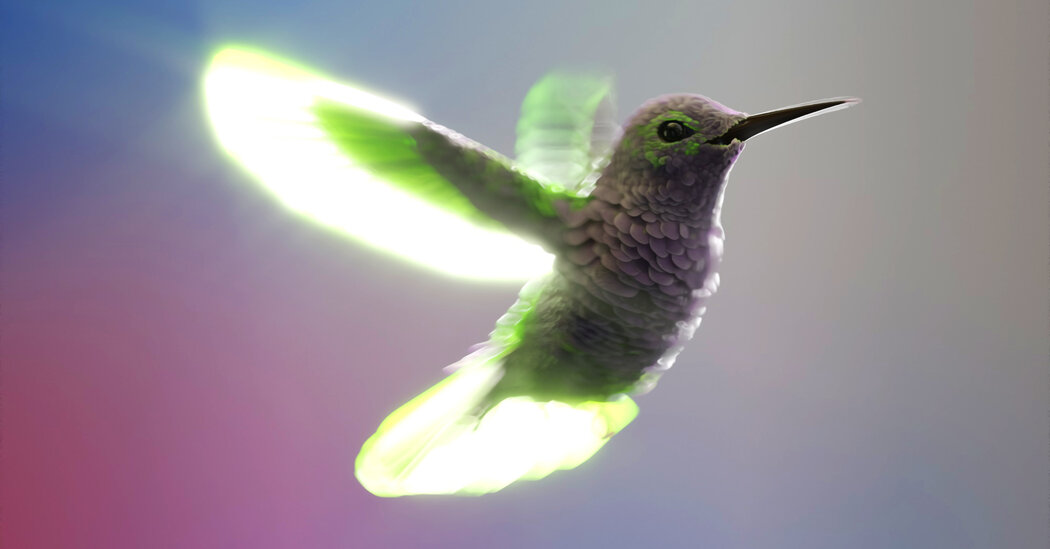
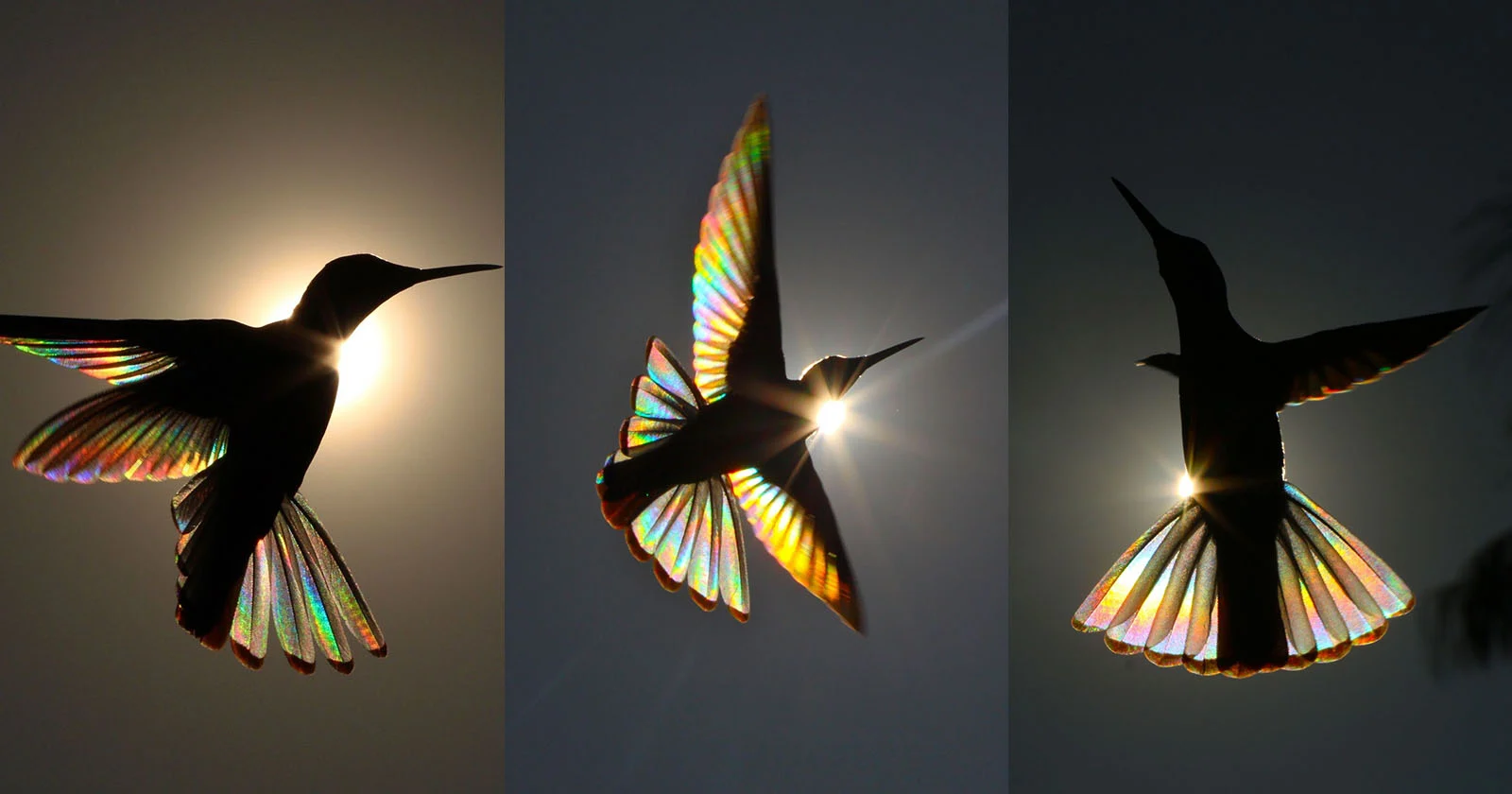
Science explores the phenomenon of rainbows appearing in the wings of hummingbirds, as captured by photographer Christian Spencer. The wings of hummingbirds act as a diffraction grating, causing a prism-like effect when sunlight passes through them. This creates rainbow colors, which Spencer has successfully captured in his photographs. The Physics Teacher featured one of his photos on its front cover and published an article discussing the science behind this optical phenomenon.
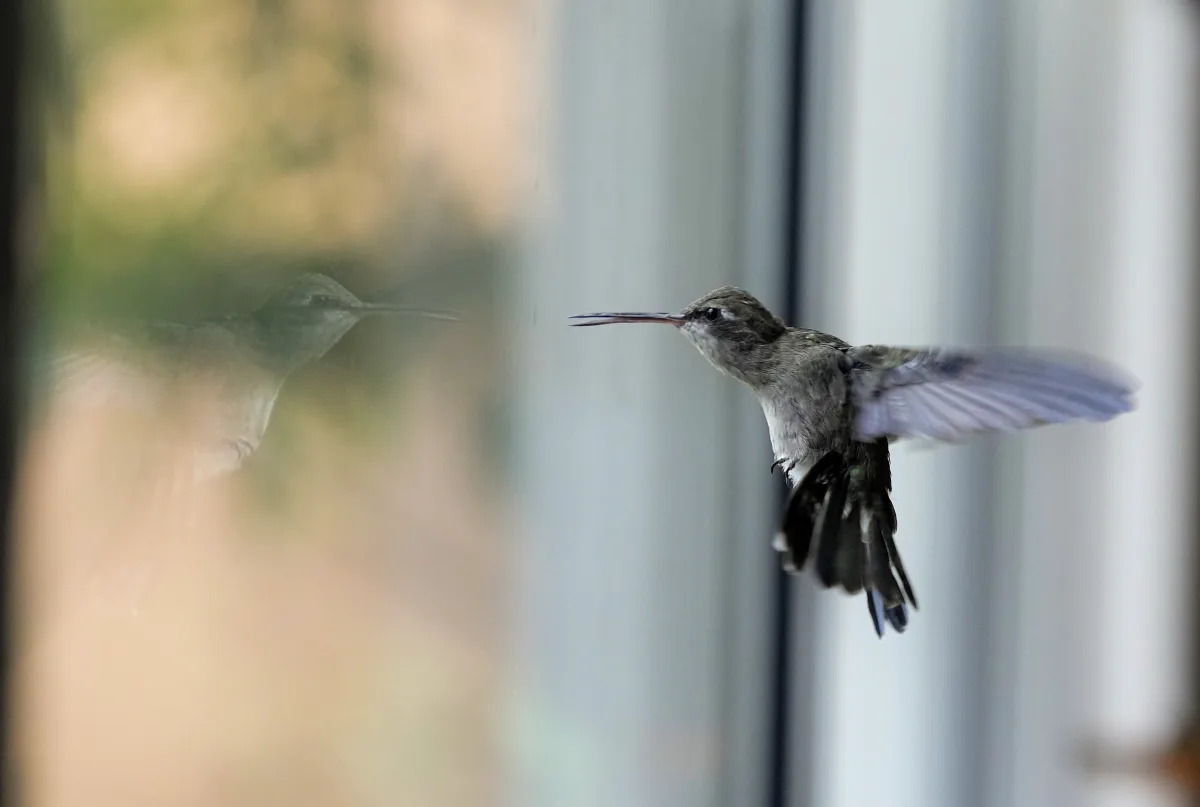
Scientists have discovered that hummingbirds have two different strategies to navigate through gaps smaller than their wingspan. Using video recordings, researchers observed that hummingbirds either swept back their wings against their body and paused their flapping to rapidly pass through the aperture like a bullet, or they took a slower approach by rolling their body and turning their head to pass sideways through the hole while continuing to flap. The birds tended to use the bullet approach more often, regardless of the size and shape of the aperture. This research sheds light on how hummingbirds can adjust their posture and fly through tiny spaces, showcasing their remarkable aerial agility.
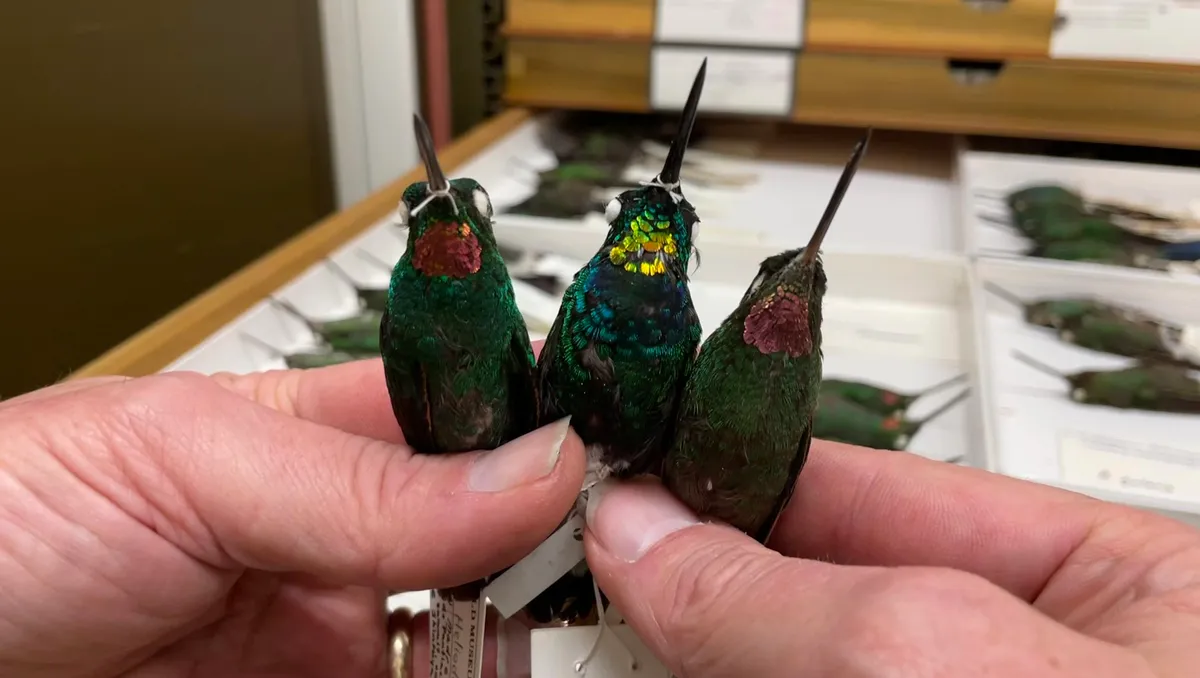
Scientists have discovered a never-before-documented hybrid hummingbird with glittering gold feathers in the Peruvian Andes. The bird is a combination of two different species, the Pink-throated Brilliant hummingbird and the Rufous-webbed Brilliant hummingbird. Hybrids like this one might contribute to the diversity of structural colors found across the hummingbird family tree. The discovery raises questions about how hummingbirds evolve and the complex ways in which iridescent feather colors are determined. Feathers get their base color from pigment, but hummingbirds' iridescence depends on how light is bent and filtered as it hits the feather cells at different angles.
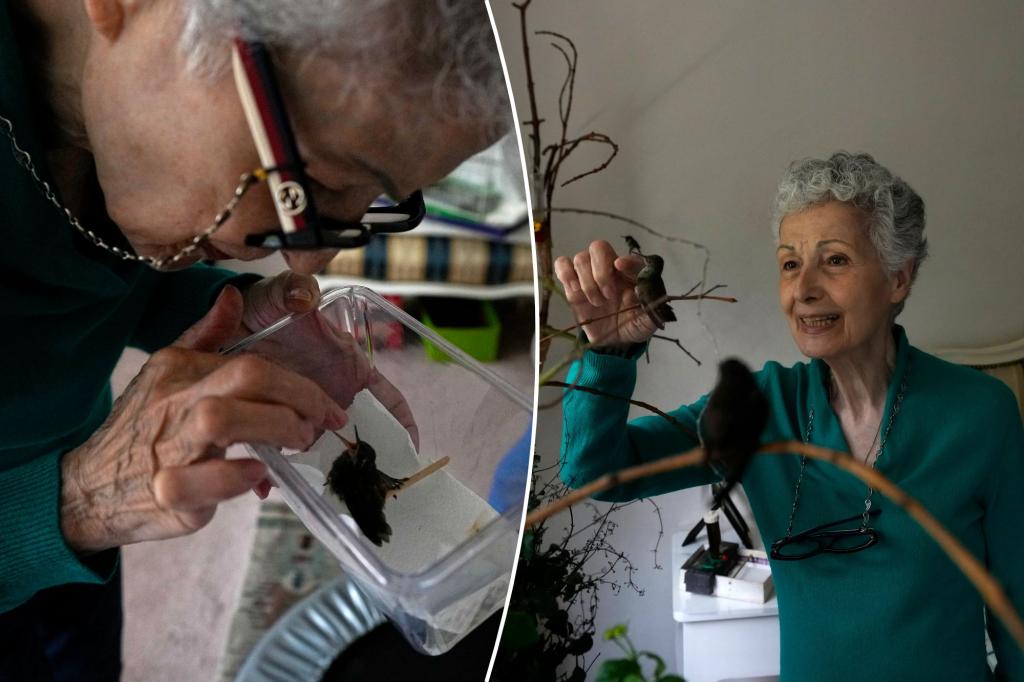
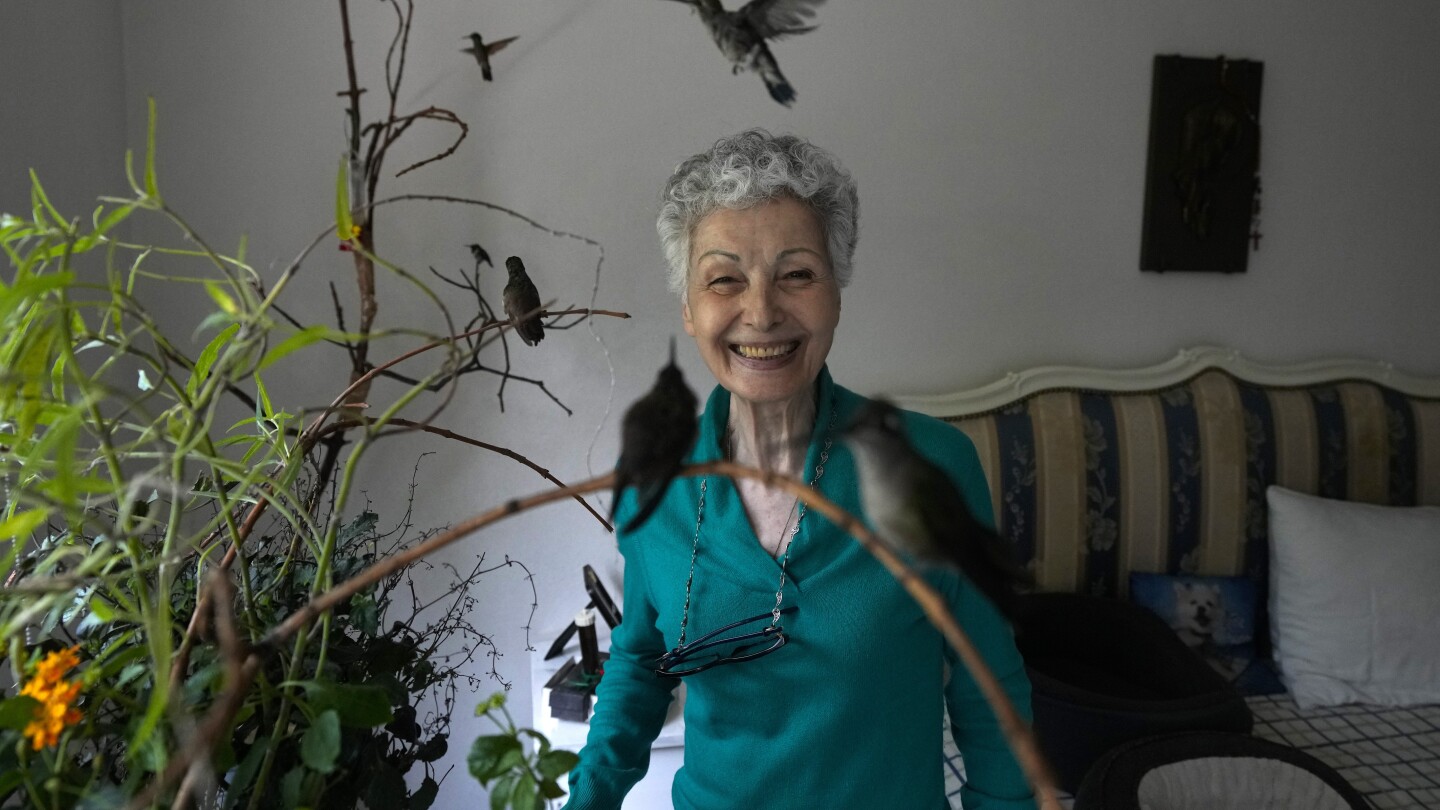
Catia Lattouf, a 73-year-old woman in Mexico City, has transformed her apartment into a clinic for sick, injured, and infant hummingbirds. Over the past decade, she has nursed hundreds of these tiny birds back to health, becoming a reference source for bird lovers across Mexico and Latin America. Lattouf's improvised clinic supports formal institutions and provides care for hummingbirds that have been injured or orphaned. Despite the threats hummingbirds face in the city, Lattouf remains optimistic and continues her mission to save and rehabilitate these delicate creatures.
Catia Lattouf, a 73-year-old woman in Mexico City, has transformed her apartment into a clinic for sick, injured, or infant hummingbirds. Over the past decade, she has nursed hundreds of these tiny birds back to health, becoming a reference source for bird lovers across Mexico and Latin America. Lattouf's improvised clinic supports formal institutions that lack resources, and she has become an advocate for hummingbird conservation in the face of threats such as habitat loss and predation. Her work has brought her healing and purpose after surviving colon cancer, and she continues to care for these delicate creatures, believing that every life is worth saving.
Catia Lattouf, a 73-year-old woman in Mexico City, has transformed her apartment into a makeshift clinic for sick, injured, and infant hummingbirds. Over the past decade, she has nursed hundreds of these tiny birds back to health, becoming a reference source for bird lovers across Mexico and Latin America. Lattouf's clinic supports formal institutions like Mexico's National Autonomous University, and she never turns away a bird in need. Her work has gained attention on social media, leading to an increase in demand for her services.