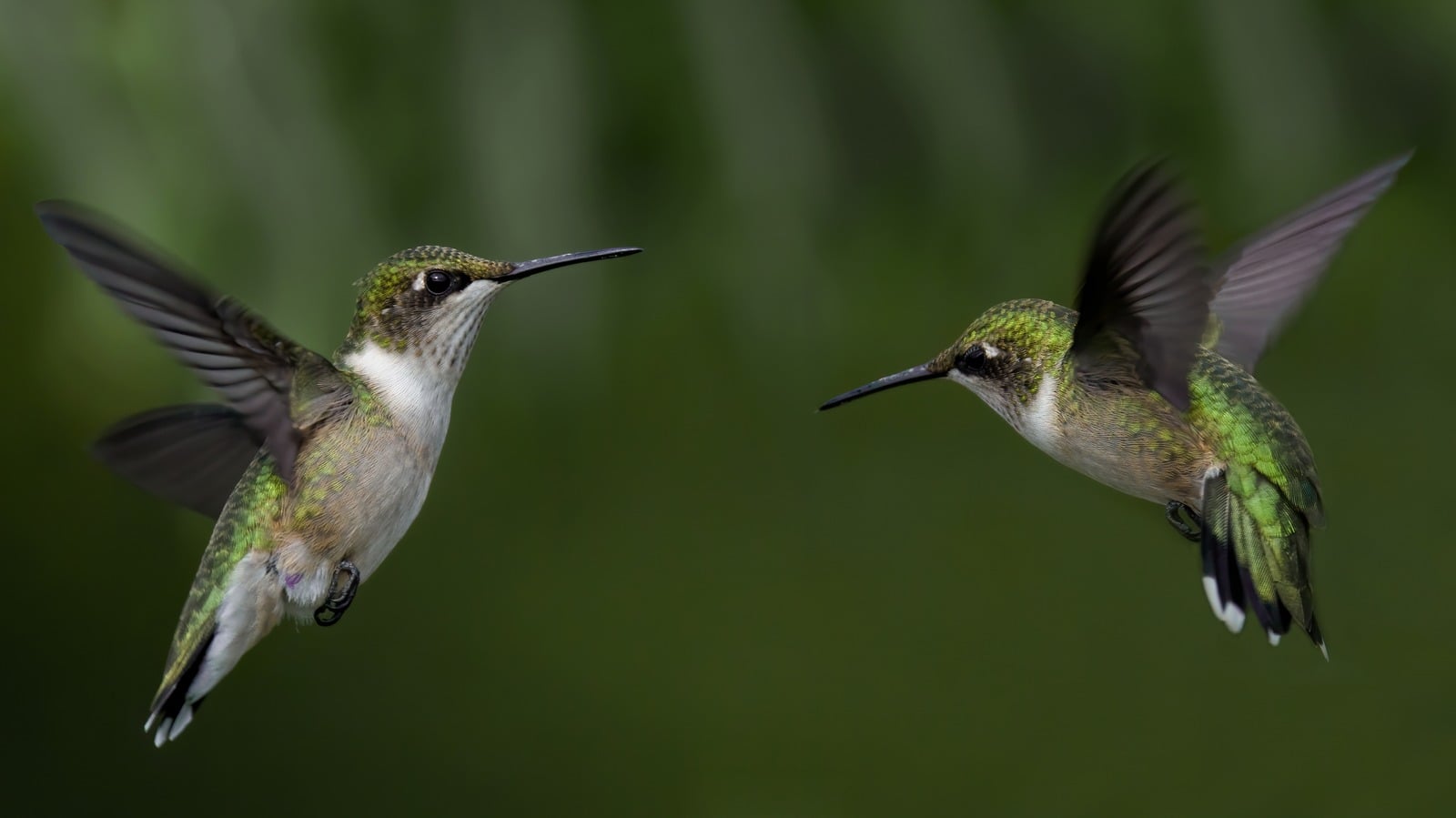
Hummingbirds need protein from insects in addition to nectar, and overripe bananas can attract fruit flies, a staple in their diet. Hanging banana peels near feeders creates a natural magnet for fruit flies, drawing hummingbirds to your garden. Providing overripe bananas near existing feeders or using a banana-specific feeder can help attract hummingbirds, while ensuring the feeder is cleaned regularly and nectar is replaced.
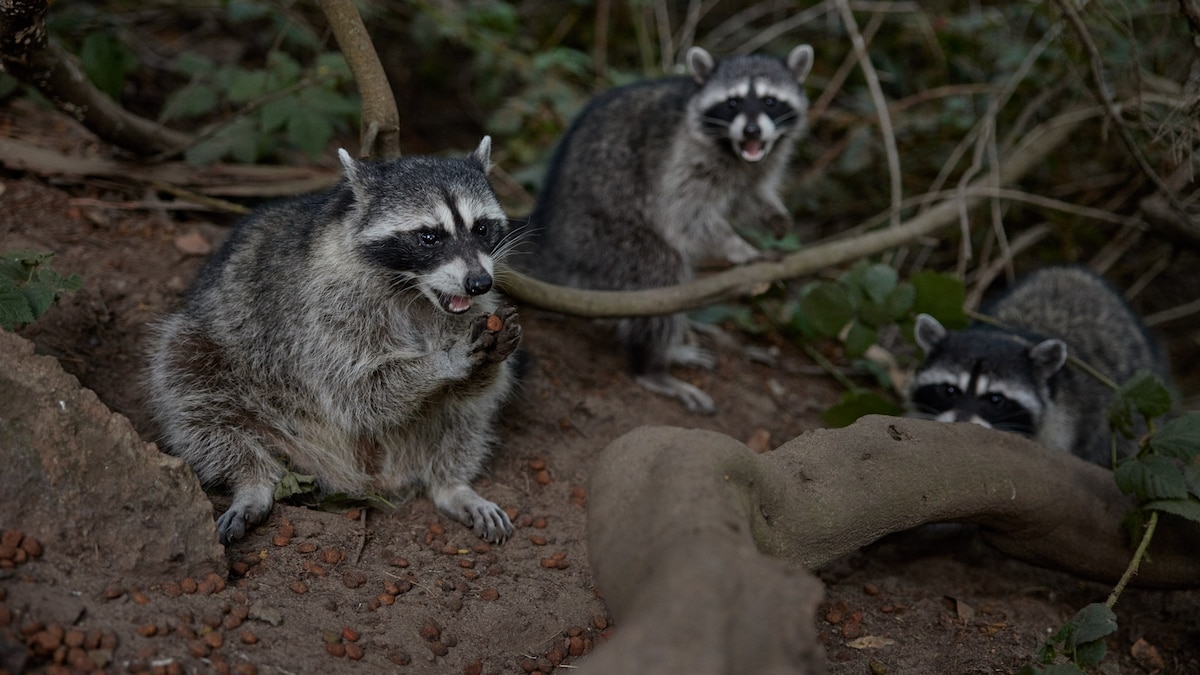
Experts warn against feeding wild raccoons, as it can lead to habituation and aggressive behavior. Raccoons carry diseases such as rabies, parvovirus, distemper, roundworm, and leptospirosis, which can be transmitted to humans and pets. Feeding wildlife also increases the risk of spreading infectious diseases among animals and can lead to aggression and injuries. Despite good intentions, feeding raccoons can do more harm than good, as they are built for survival and do not need human assistance. In cases of scratches or bites, euthanizing the animal is often necessary to determine if it has rabies.
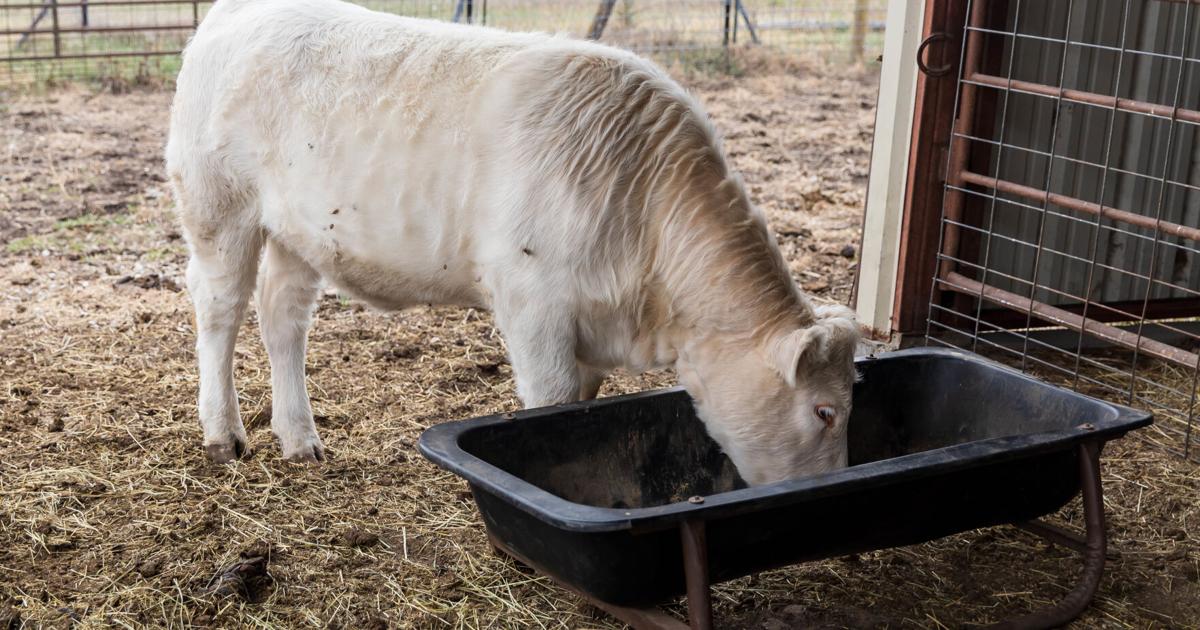
Experts at Kansas State University's Beef Cattle Institute recommend adding long-stem hay to the feed of newly weaned calves to help them adjust to eating from a feedbunk. They also suggest starting with high-quality hay and offer pros and cons for delivering hay from a round bale feeder or grinding it and mixing it with other feedstuffs. Grinding the hay allows for better portion control, but it comes with the cost of equipment and labor. Overall, adding chopped hay to the ration can improve feed efficiency for calves.
A new study by the University of Surrey suggests that friends and family may be the hurdle to weight loss goals. Researchers identified three main ways that the people closest to you can have a big effect on one’s health goals: “sabotage,” “collusion” and “feeding.” Sabotage applies to those who are directly trying to stop weight loss efforts, feeding is overfeeding even when the dieter says they are not hungry, and collusion is when family, friends, and partners collude with those trying to lose weight through “going along” with their behavior when it is not in line with their weight loss goals. The study suggests that support from friends and family can be an invaluable tool in helping people achieve their goals, but sometimes those closest to them thwart their efforts by tempting them with unhealthy food or acting as a barrier in helping them adopt a healthier lifestyle.
Friends and family may be unconsciously or deliberately sabotaging our weight loss efforts by discouraging us from attending weight loss support groups or from eating healthily, perhaps by tempting us with sugary treats. They may also be colluding with us to stay in and watch a film on the sofa after work, rather than going out for a walk or going to the gym. Lastly, feeding behavior is the explicit over-feeding of us even when we're not hungry, or when we're making an effort to eat less. The three types of 'negative social support' are unintentional and people don't know the damage they're having on their loved-one's weight loss efforts.
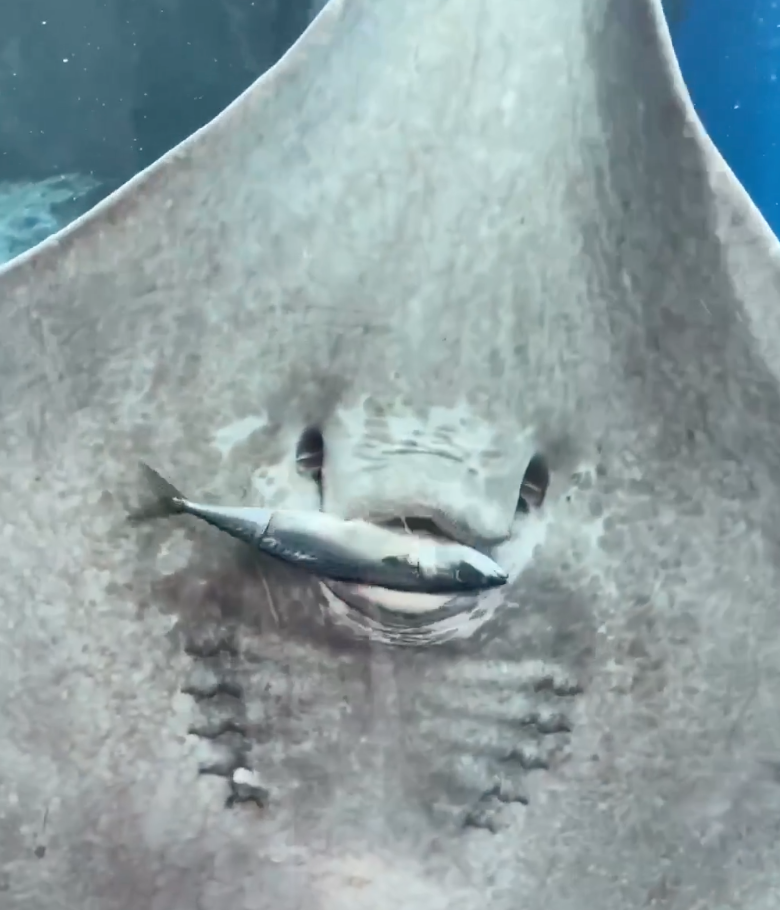
A stingray at an aquarium in China was caught on camera gobbling down fish in front of a crowd, with its unique appearance resembling a cartoon character. The feeding was part of a daily show at the aquarium, where visitors can watch the stingrays being fed by staff.