A study reveals that herpes simplex virus type 1 (HSV-1) can rapidly reshape human DNA within an hour of infection by altering the 3D genome structure, which helps the virus replicate. Blocking the host enzyme TOP1 can prevent this DNA reorganization, offering a potential target for new treatments against HSV-1, which infects a large portion of the population and remains in the body for life.

Research suggests that the herpes simplex virus type 1, which causes cold sores, may play a significant role in the development of Alzheimer's disease by reactivating in the brain and causing damage, especially in individuals with certain genetic risk factors. Preventative measures like vaccines and antiviral treatments could potentially reduce the risk of Alzheimer's.
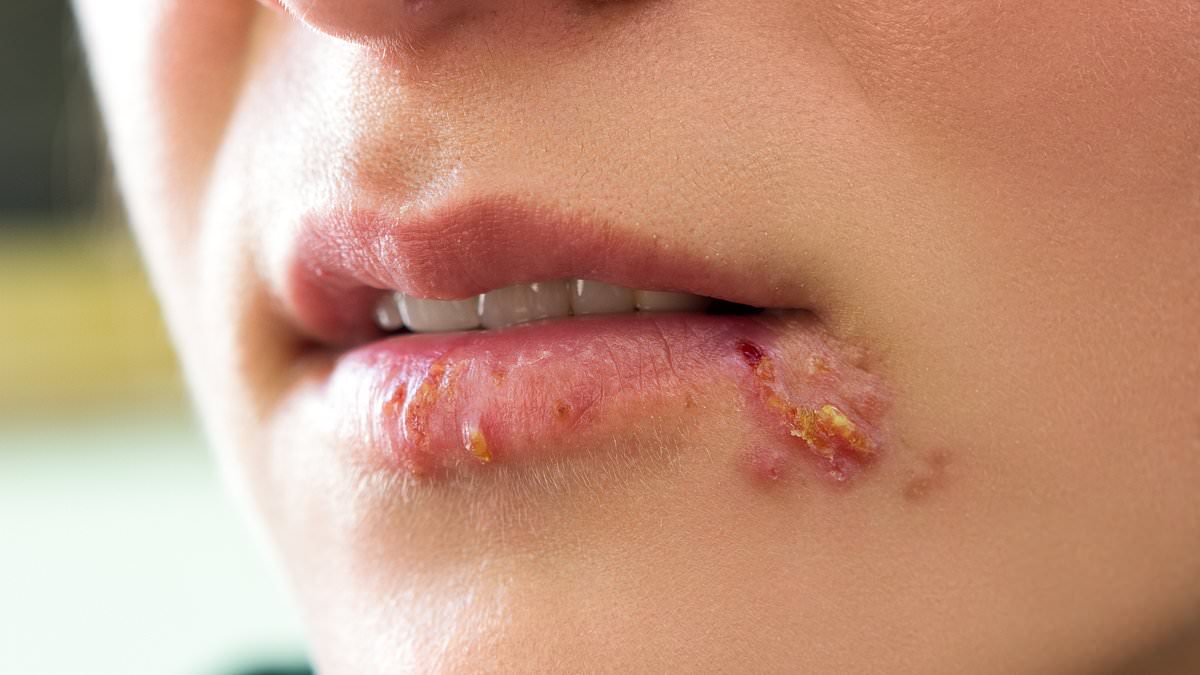
Up to 80% of American adults have the herpes simplex virus (HSV-1), which can cause cold sores, and experts recommend treating them right away with over-the-counter antiviral ointments or creams, considering home remedies like apple cider vinegar, aloe vera, and honey, building up the immune system with vitamin C and L-Lysine, seeing a doctor for prescription antiviral medication if necessary, and following best practices such as avoiding touching or picking at the sore, keeping lips moisturized, and avoiding acidic foods and sun exposure.
A reader is concerned about contracting herpes simplex virus (HSV-1) after a sexual encounter with a partner who is on antiviral medication. Dr. Keith Roach explains that the risk of transmission is reduced but not eliminated by the medication and brief exposure, and recommends using condoms. He also addresses concerns about artificial sweeteners for people with Type 2 diabetes, noting that there is no clear benefit of using natural sweeteners over synthetic ones. Additionally, he shares a success story of diagnosing takotsubo cardiomyopathy in a reader and provides advice on various personal issues in his column.
A study from Uppsala University suggests that individuals prone to cold sores may have double the risk of developing dementia later in life, possibly due to the herpes simplex virus triggering the creation of amyloid-beta plaques and tau in the brain. Between 50 and 80 percent of US adults are thought to have the virus, which stays dormant in the body and can be activated during times of low immune system, stress, or illness. The observational study, involving over 1,000 70-year-old Swedes, found that having the virus doubled the risk of dementia, aligning with previous findings. Dementia is a group of conditions associated with memory loss, language, and judgment, with Alzheimer's being the most common form.
A new study from Uppsala University confirms that people who have had the herpes virus are twice as likely to develop dementia compared to those who have never been infected. The research, published in the Journal of Alzheimer's Disease, followed 1,000 70-year-olds over 15 years and found that herpes simplex virus infection doubles the risk of dementia. The study suggests the need for further investigation into whether existing anti-herpes virus drugs can reduce dementia risk and the potential development of new vaccines.
Cold sores, caused by the herpes simplex virus, can be treated with over-the-counter medication, oral antiviral medication like valacyclovir, or intravenous antiviral medicine. Valacyclovir works by suppressing viral replication, making it harder for the virus to manifest into a cold sore. It can be taken when exposed to triggers or at the onset of prodromal symptoms. Leaving a cold sore untreated usually lasts about two weeks, but taking valacyclovir can shorten the duration by a few days. Cold sores are common and nothing to be ashamed of, and treatment can help regain confidence.
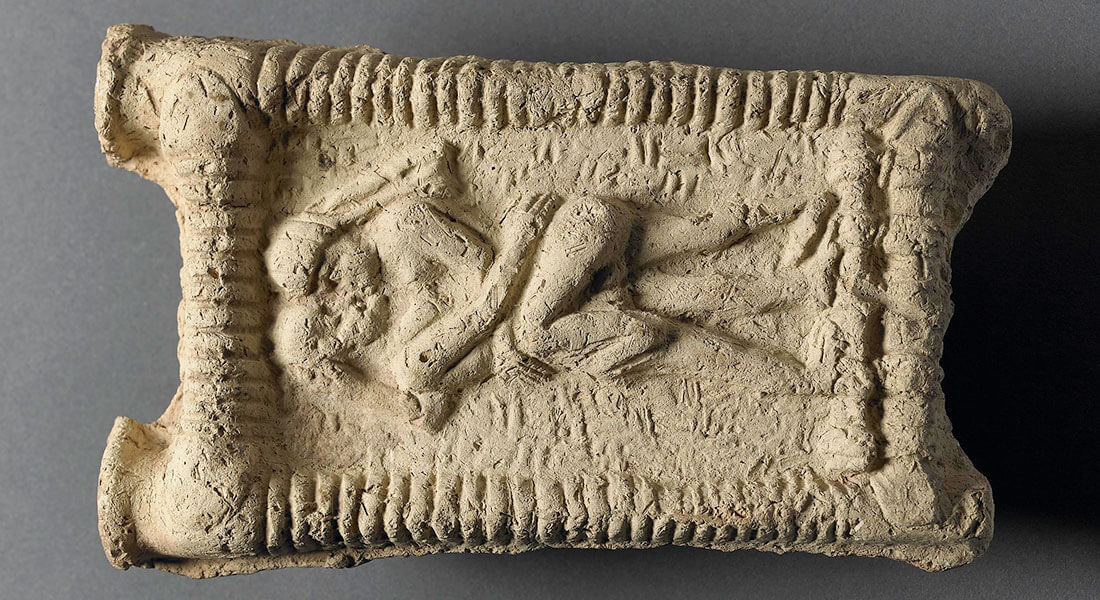
Researchers from the University of Oxford and the University of Copenhagen have discovered that kissing was a cultural practice in the ancient Middle East at least 4,500 years ago, based on various written sources from the earliest Mesopotamian societies. The findings push back the earliest recorded evidence of kissing by 1,000 years compared to the timeline previously accepted by the scientific community. The researchers postulate that besides its social and sexual significance, the act of kissing may have unintentionally facilitated the transmission of microorganisms, leading to the potential spread of viruses among humans.
Common infections, including herpes simplex virus type 1 and chickenpox virus, can worsen cognitive performance and increase the risk of developing Alzheimer’s disease in middle-aged and older adults, according to a study by researchers at Johns Hopkins Bloomberg School of Public Health. The study found that elevated antibodies to either herpes simplex virus type 1 or cytomegalovirus were individually associated with worse performance on a global cognitive test. The researchers examined antibody levels to five common pathogens in 575 adults, ages 41 to 97, and compared participants’ blood test results to their performance on cognitive tests.