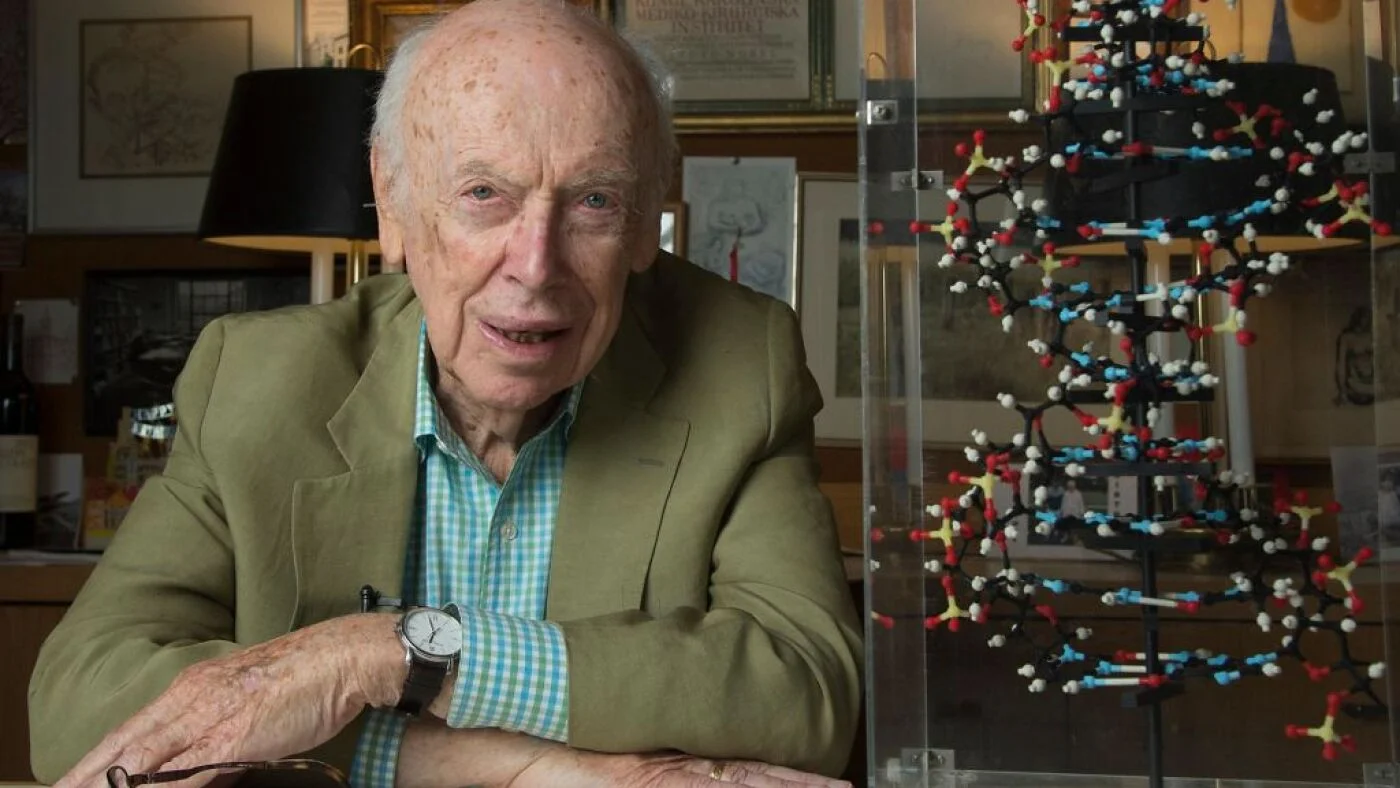
James Watson, the co-discoverer of the DNA double helix, died at 97. His groundbreaking work transformed biology, but his later years were marred by controversial and unfounded remarks on race and gender, leading to his fall from grace and the revocation of his honors.
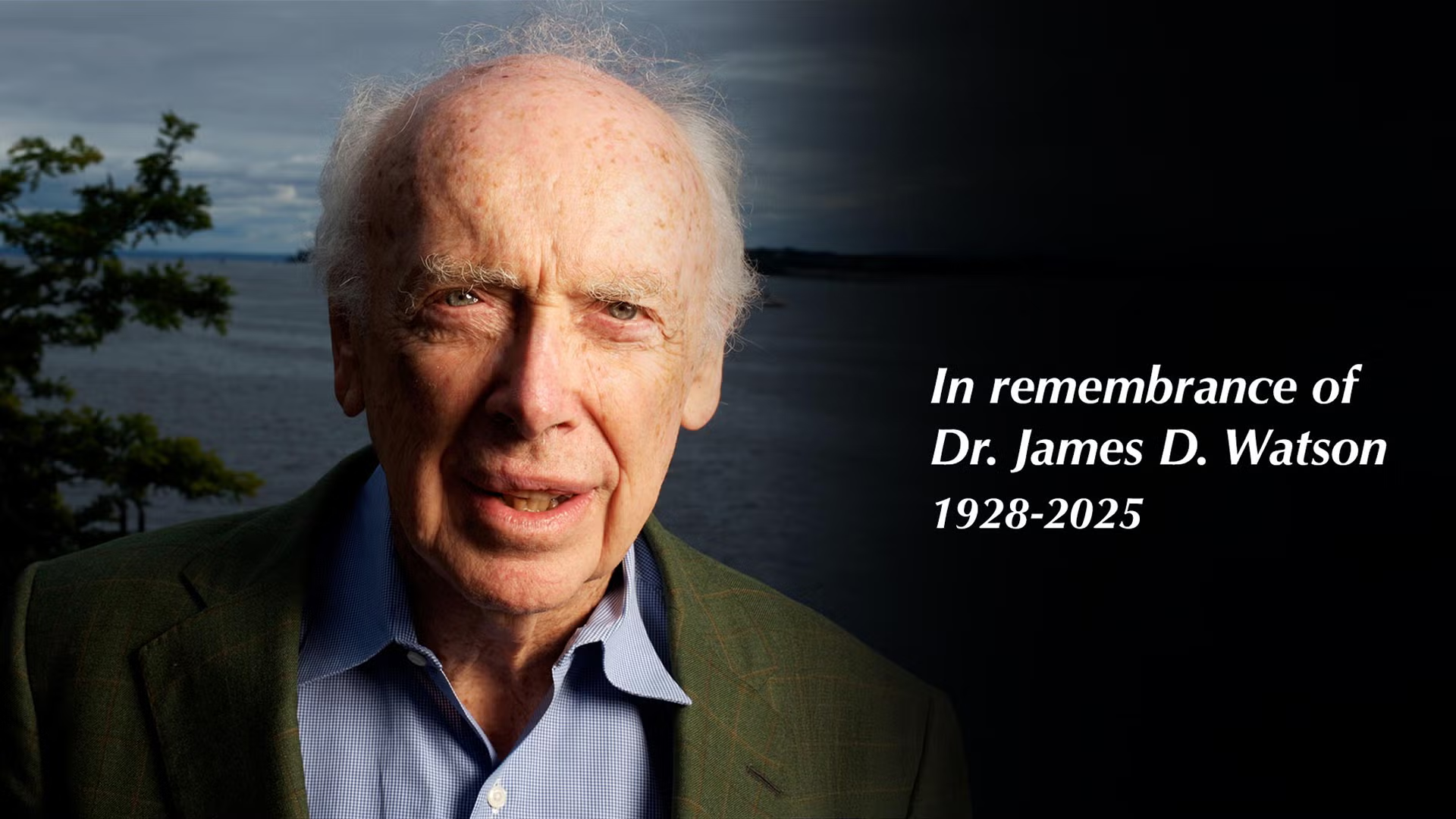
Dr. James D. Watson was a pioneering scientist known for co-discovering the structure of DNA, leading Cold Spring Harbor Laboratory, and advancing genetic research and education, though his later controversial remarks led to his separation from the institution.
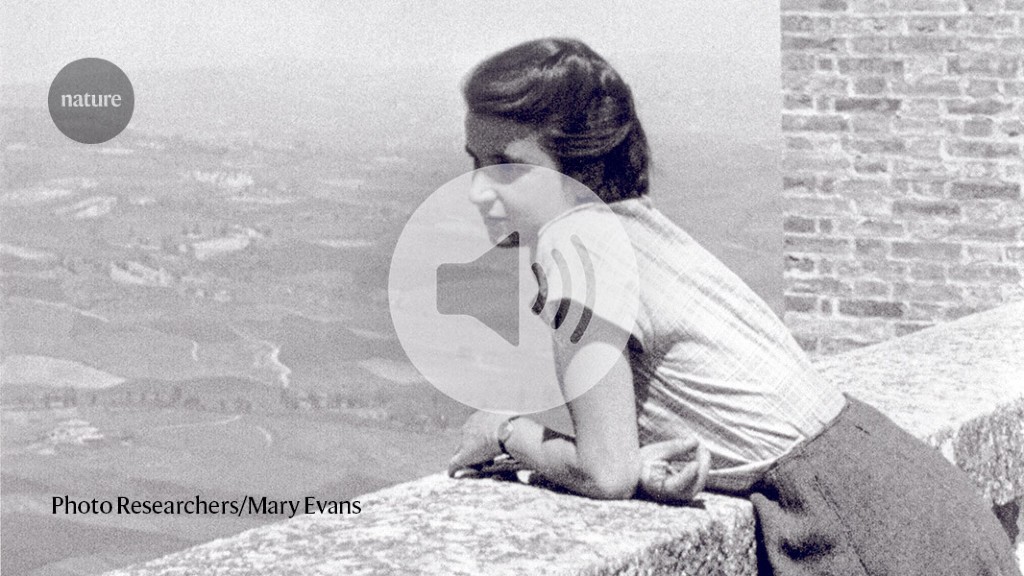
James Watson, renowned for co-discovering the structure of DNA, exemplified both groundbreaking scientific achievement and problematic behavior, including sexism and lack of acknowledgment for Rosalind Franklin's crucial contributions. His legacy is complex, marked by scientific brilliance and ethical controversies, reflecting the evolving nature of scientific collaboration and integrity.
Researchers have discovered that herpes simplex virus-1 (HSV-1) hijacks the 3D structure of human DNA to facilitate its replication, but blocking a key enzyme, topoisomerase I, can prevent the virus from replicating, offering a promising new target for antiviral treatments.
Newly discovered documents reveal that Rosalind Franklin was not a "wronged heroine" in the discovery of DNA's structure, but an equal contributor. A study shows that multisensory experiences can create direct neural circuits between memory regions involved with different senses, increasing memory strength in fruit flies. The Nature Briefing highlights how video calls could help parrots feel less isolated and a new method for recycling wind turbine blades.