
Unveiling the Unexpected Origins and Potential Medical Applications of Caterpillar Venom
TL;DR Summary
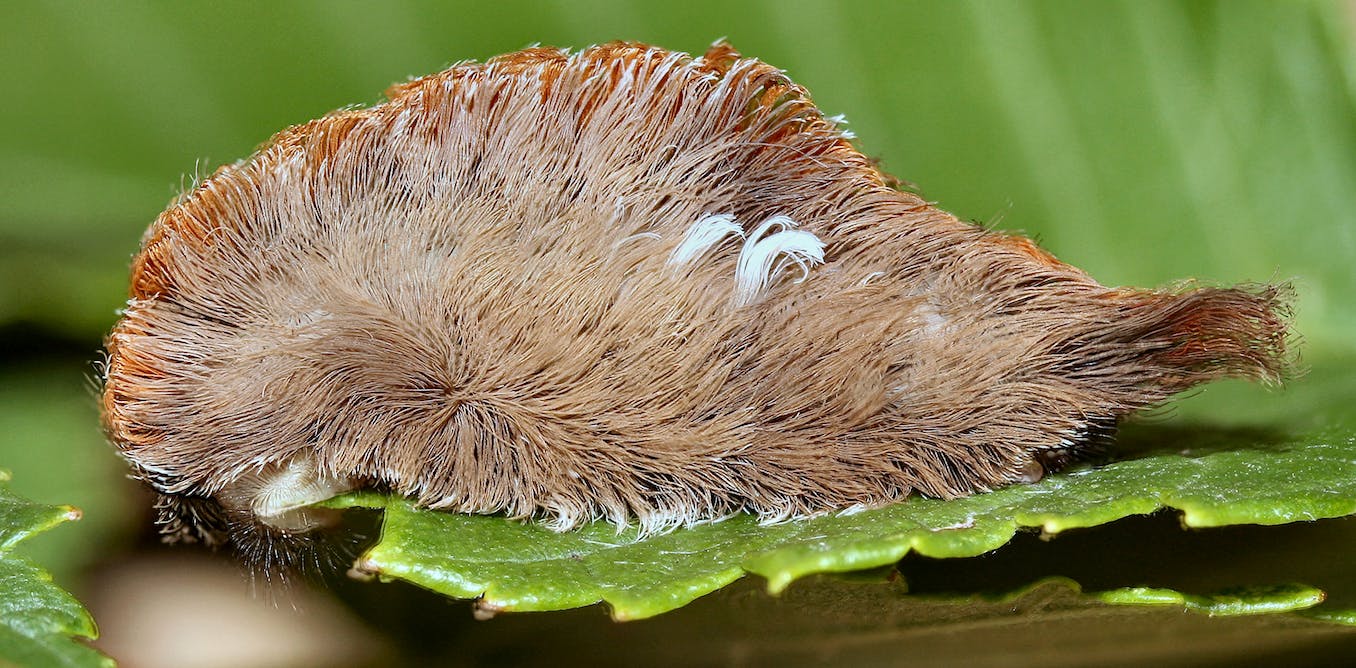
Researchers at the University of Queensland have discovered that the venom of asp caterpillars, known for causing excruciating pain, contains toxins belonging to a family of molecules usually found in disease-causing bacteria. The study revealed that a gene responsible for this type of toxin was transferred from bacteria to the ancestors of moths and butterflies millions of years ago through horizontal gene transfer. This finding highlights the complexity of evolution and opens up possibilities for harnessing venom toxins for medical applications, such as drug delivery and targeted cancer treatments.
Topics:science#caterpillars#horizontal-gene-transfer#medical-research#science-and-technology#toxins#venom
- The furry puss caterpillar's venom packs a painful punch. Now new research shows it came from an unlikely source The Conversation
- Fuzzy caterpillar has sting 'like being hit with a baseball bat," and now we know why Livescience.com
- Caterpillar venom study reveals toxins borrowed from bacteria Institute for Molecular Bioscience
- Surprising ancestry of caterpillar venom could be key to delivery of lifesaving drugs News-Medical.Net
- Caterpillar venom could be an effective cancer treatment Blue Mountains Gazette
Reading Insights
Total Reads
0
Unique Readers
1
Time Saved
4 min
vs 4 min read
Condensed
89%
801 → 89 words
Want the full story? Read the original article
Read on The Conversation