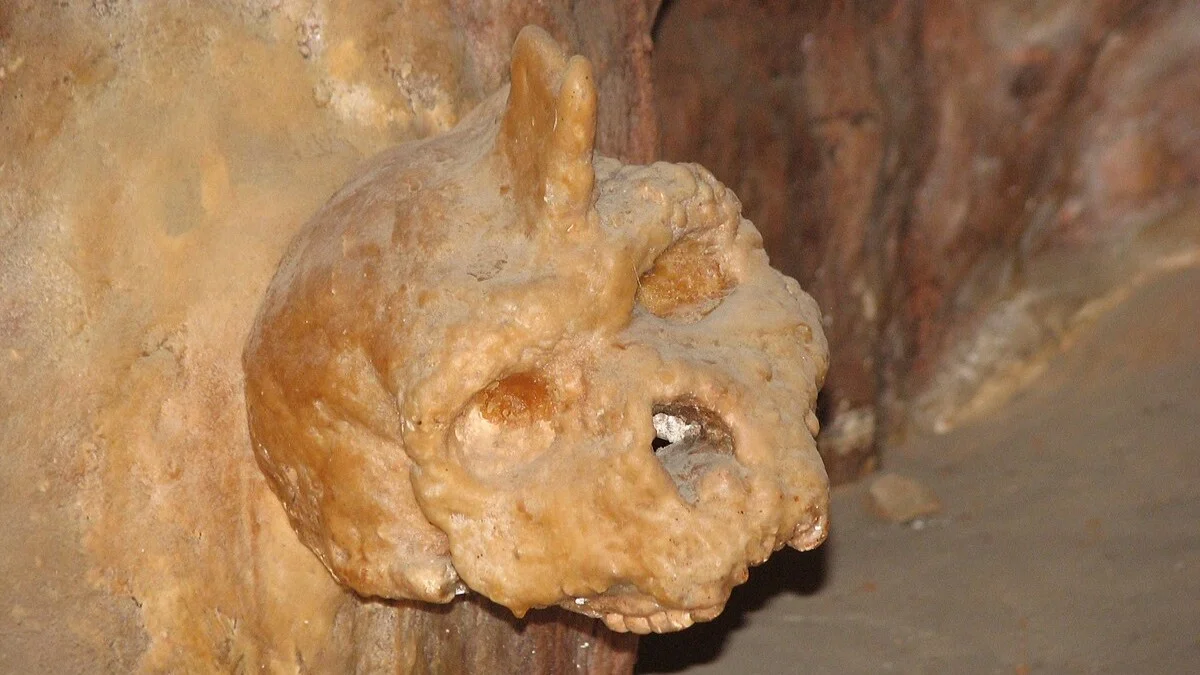
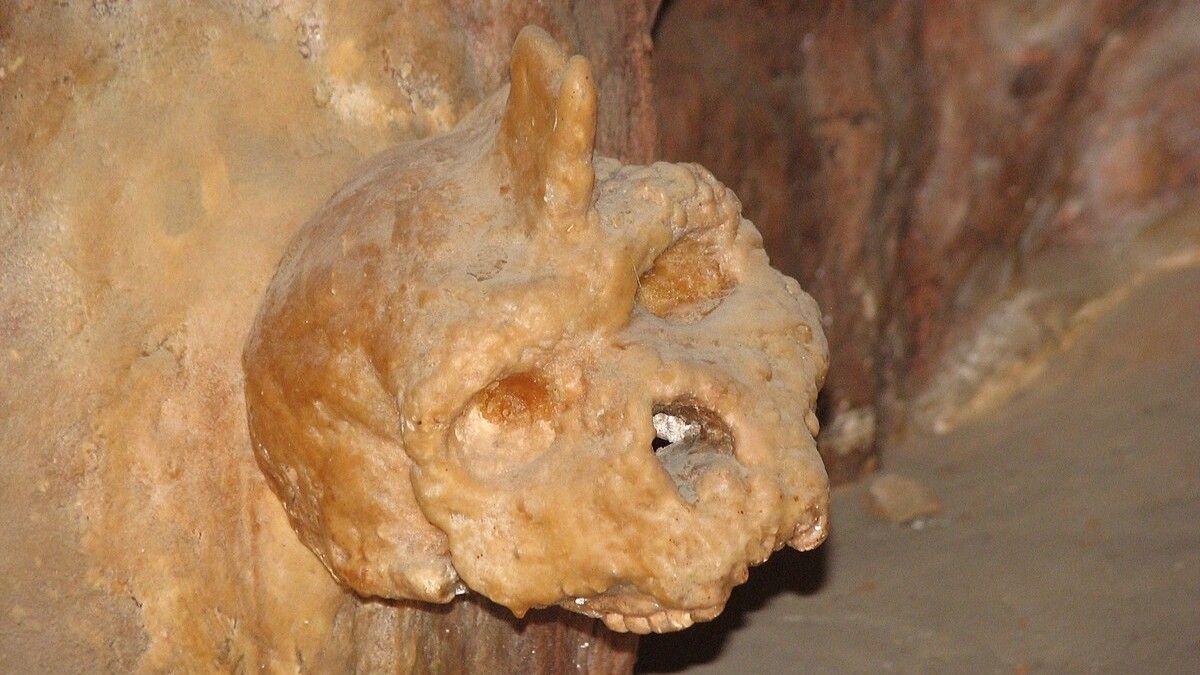
A 300,000-year-old skull found in Greece, neither human nor Neanderthal, has been dated using calcite growth to support its classification as Homo heidelbergensis, highlighting its coexistence with Neanderthals in Pleistocene Europe.
A 300,000-year-old skull found in Greece, previously debated in its classification, has been confirmed through calcite dating to be neither human nor Neanderthal but likely belongs to Homo heidelbergensis, providing new insights into human evolution in Europe.
AI analysis suggests the Dead Sea Scrolls may be older than previously thought, using handwriting pattern recognition to date manuscripts, though some experts remain skeptical about the significance of these findings and the capabilities of AI in this context.
Researchers have dated ancient human footprints found in White Sands National Park, New Mexico, to at least 20,000 years ago, challenging the previous belief that humans arrived in the Americas around 14,000 years ago. Some scientists were skeptical of the footprints' age and the dating methods used. However, new evidence, including radiocarbon dating of pollen grains and optically stimulated luminescence dating of sediment, supports the original date of the footprints. The data strongly indicate human presence in the Americas around 20,000 years ago, but some experts still require further evidence to accept the footprints' age.
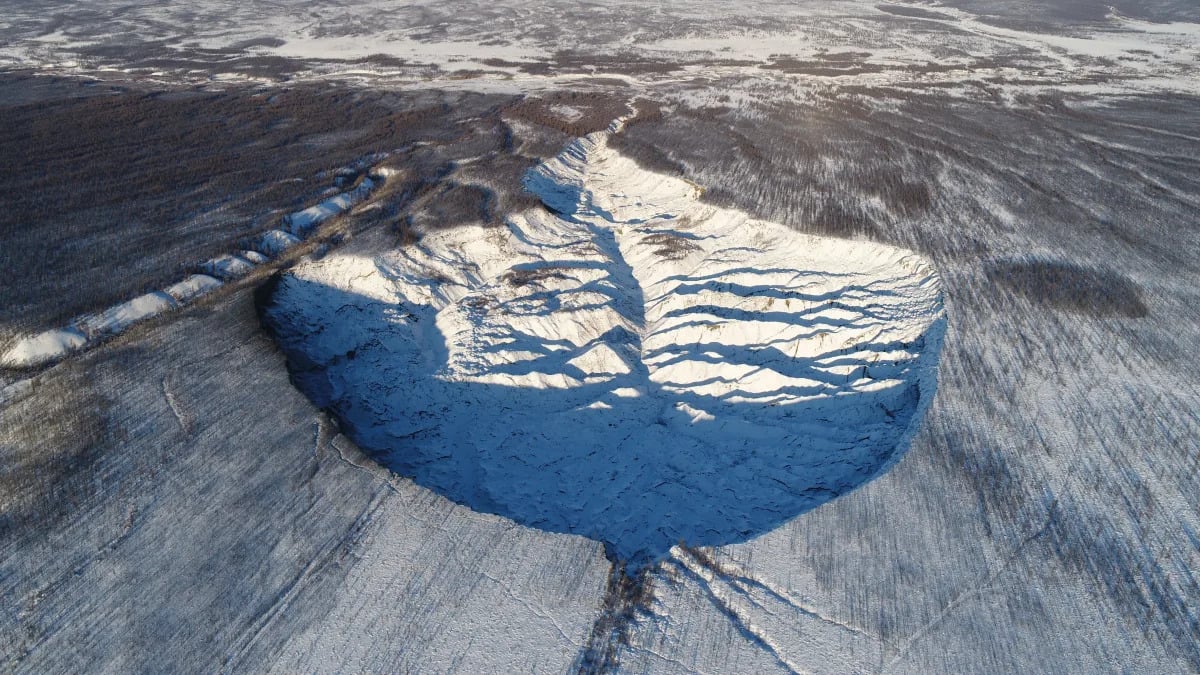
Scientists have discovered the second-oldest permafrost on Earth in Siberia's Batagay megaslump, which has been frozen for 650,000 years. The slump is the largest megaslump on Earth, covering 0.3 square miles, and is known as the "gateway to the underworld." The permafrost in this region is 80% ice, and increased seasonal melting caused the sediment in the hillside to collapse. Studying the permafrost provides a window into the past and the future by showing how it responded to previous climate change events. The researchers used three dating methods to reveal the age of the permafrost layers, which can provide dates on materials going back 500,000 to 1 million years.
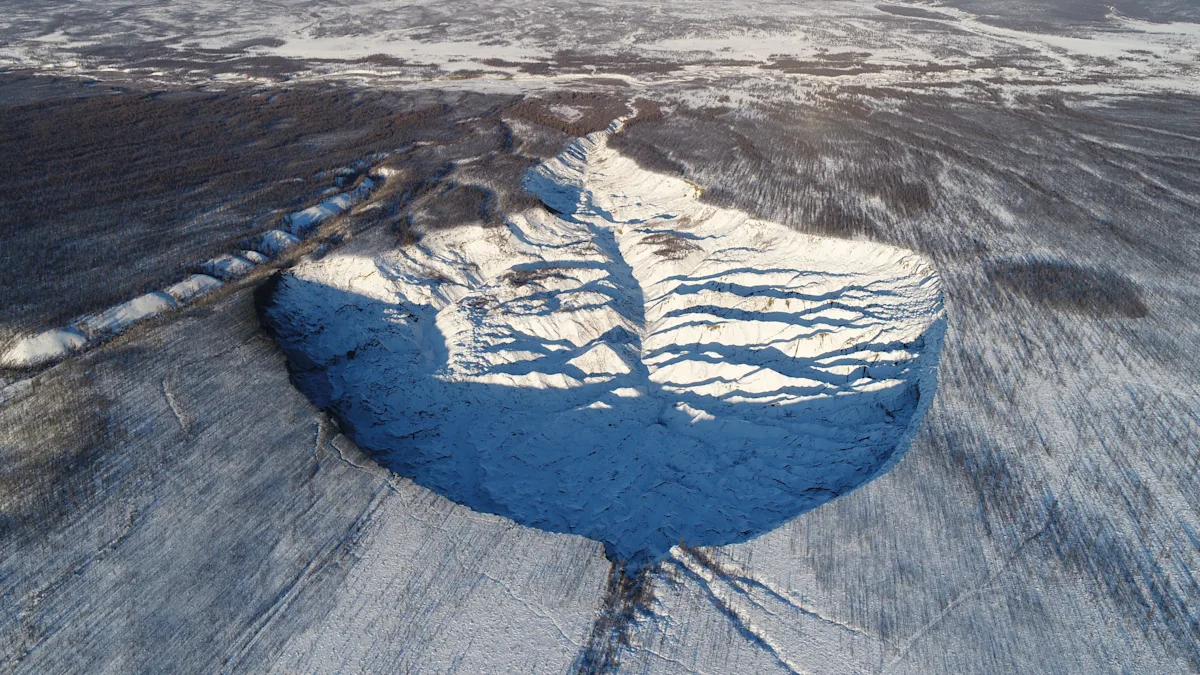
Scientists have discovered the second-oldest permafrost on Earth in Siberia's Batagay megaslump, which has been frozen for 650,000 years. The slump is the largest megaslump on Earth, covering 0.3 square miles, and is known as the "gateway to the underworld." The permafrost in this region is 80% ice, and deforestation has led to erosion, causing increased seasonal melting. Studying the permafrost provides a window into the past and future by showing how it responded to previous climate change events. The researchers used three dating methods to reveal the age of the permafrost layers and hope to predict how permafrost could react to climate change in the future.