A new study reveals that the first settlers of Rapa Nui, also known as Easter Island, had regular contact with South Americans 1,000 years ago, as evidenced by starch grains found on obsidian blades at the archaeological site of Anakena. The findings suggest that the early Polynesians had a fusion cuisine of plants native to Polynesia and South America, indicating sustained interaction between the two populations nearly a millennium ago. This research contributes new information to the ongoing discussion of Rapa Nui prehistory, shedding light on the island's early settlement and its connections to South America.

A new study reveals that the first settlers of Rapa Nui, also known as Easter Island, had regular contact with South Americans 1,000 years ago, as evidenced by food remnants found on obsidian blades at the archaeological site of Anakena. The findings suggest that the early Polynesians had interactions with South American peoples and brought back crops from the continent, shedding light on the island's prehistory and the origins of its settlers.
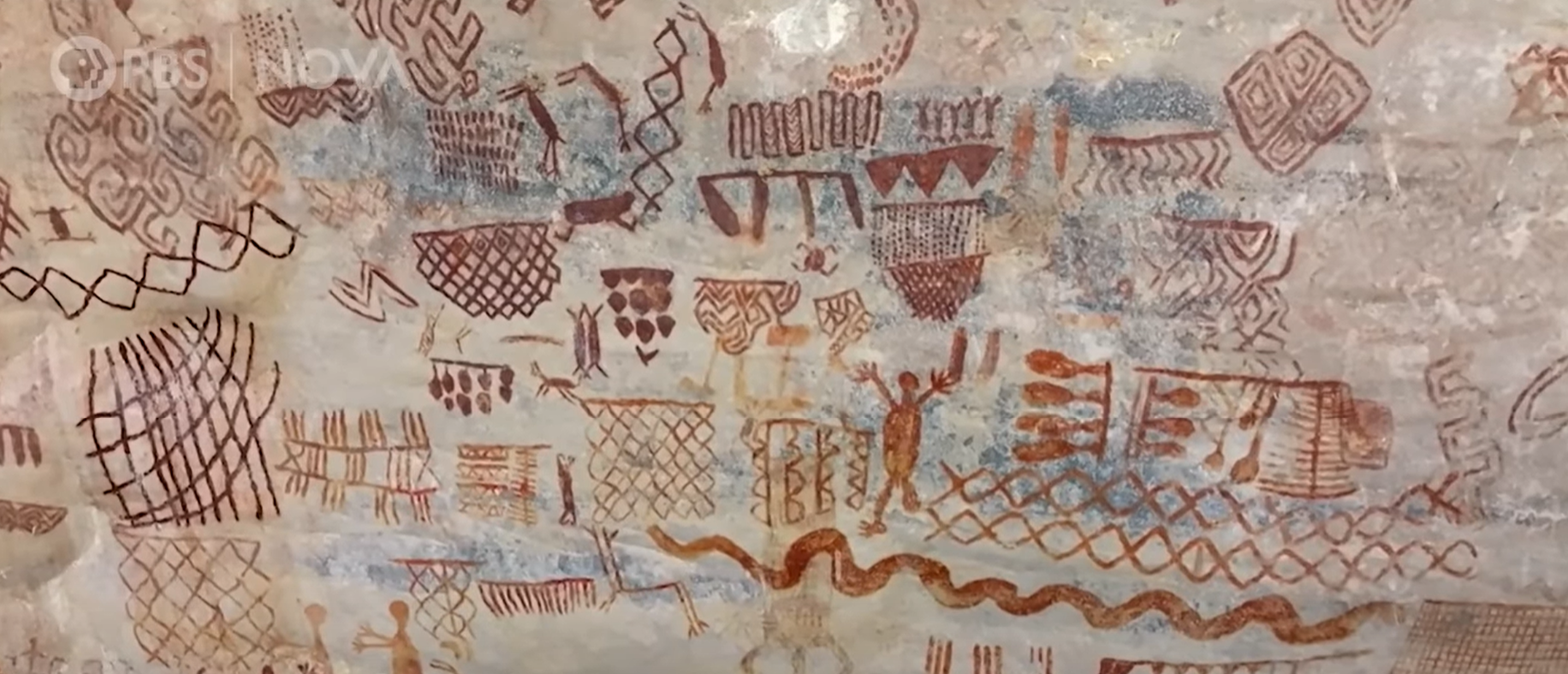
New evidence from rock art in the Serranía de la Lindosa caves of Colombia suggests that humans settled in the Amazon lowlands around 13,000 years ago, challenging previous understanding of the region's habitation history. The findings hint at a much earlier arrival of settlers in the Americas, potentially upending established theories about human migration and development. The study sheds light on the challenges of researching ancient settlements in dense rainforests and acidic soils, while also raising questions about the possibility of advanced human development prior to the end of the last glacial period.
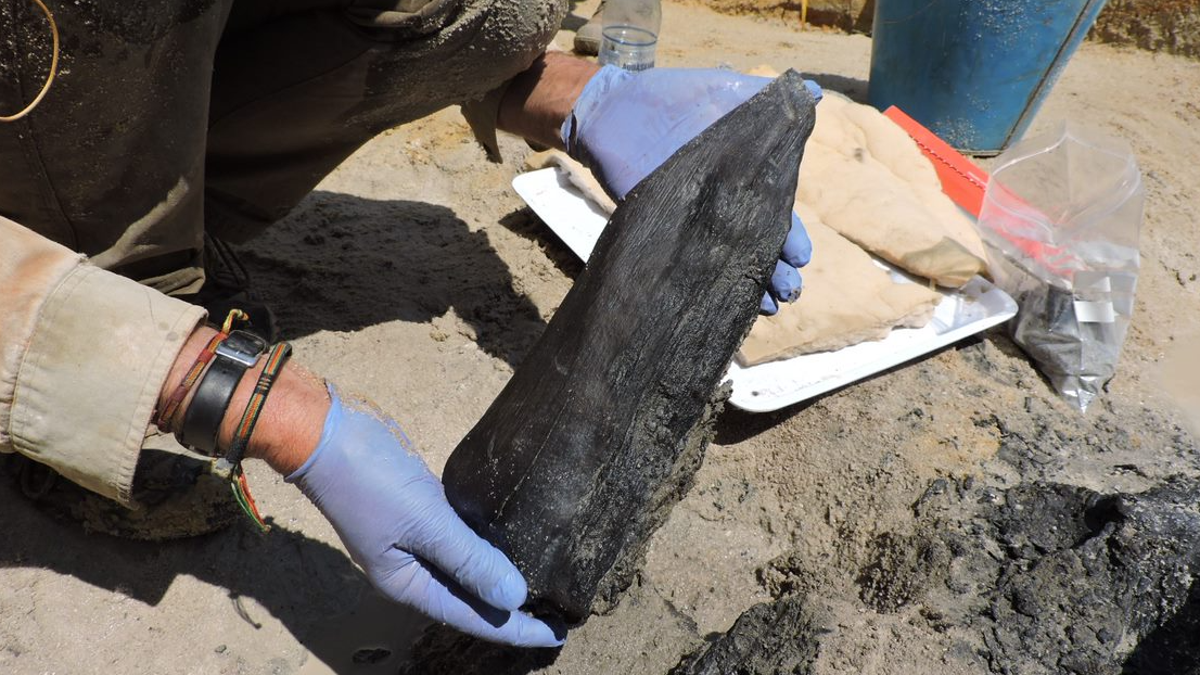
Archaeologists have discovered the oldest suspected wooden structure near Zambia's Kalambo Falls, dating back to nearly half a million years ago, before the appearance of Homo sapiens. The site contains four wooden tools, including a notched branch and a cut log, indicating the use of intelligence and skills to create something new. The construction material was preserved due to waterlogging. The findings push back the timeline of human construction and provide insights into human evolution.
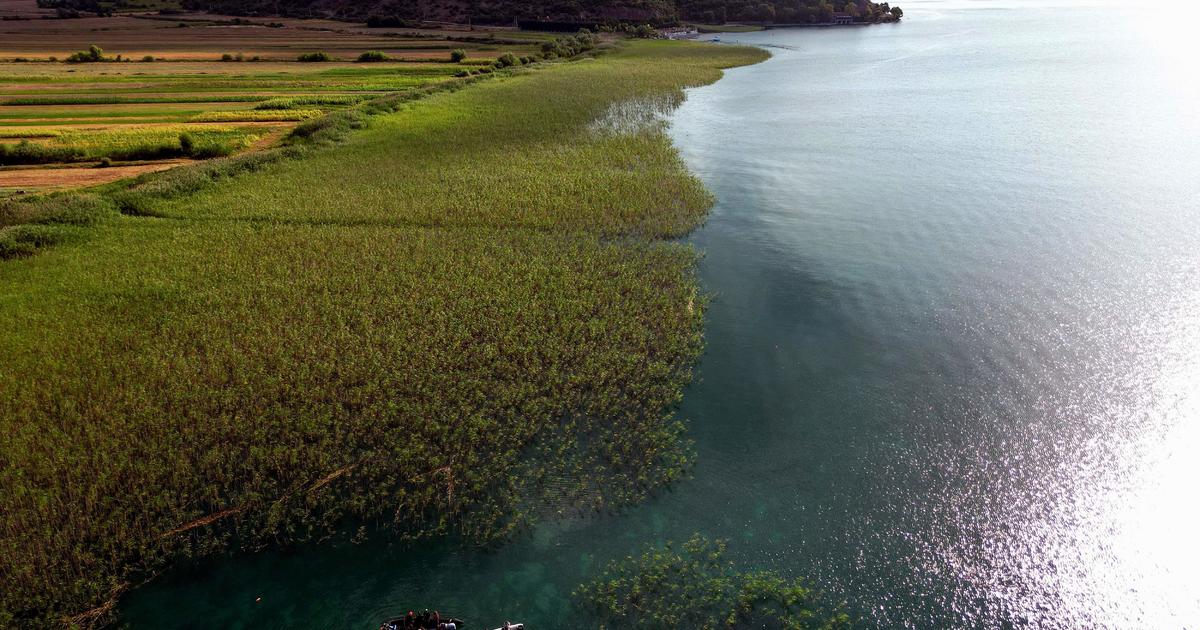
Archaeologists have discovered what may be Europe's oldest lakeside village underwater in Lake Ohrid, Albania. The settlement, dating back 8,000 years, is believed to be older than any other known lakeside village in Europe. The site is revealing fascinating secrets, including evidence of defensive fortifications made of spiked planks. Researchers estimate that around 100,000 spikes were driven into the lake's bottom. The village, home to 200-500 people, was built on stilts above the lake's surface or in flood-prone areas. The excavations are providing valuable insights into the daily life and environmental conditions of the ancient community.