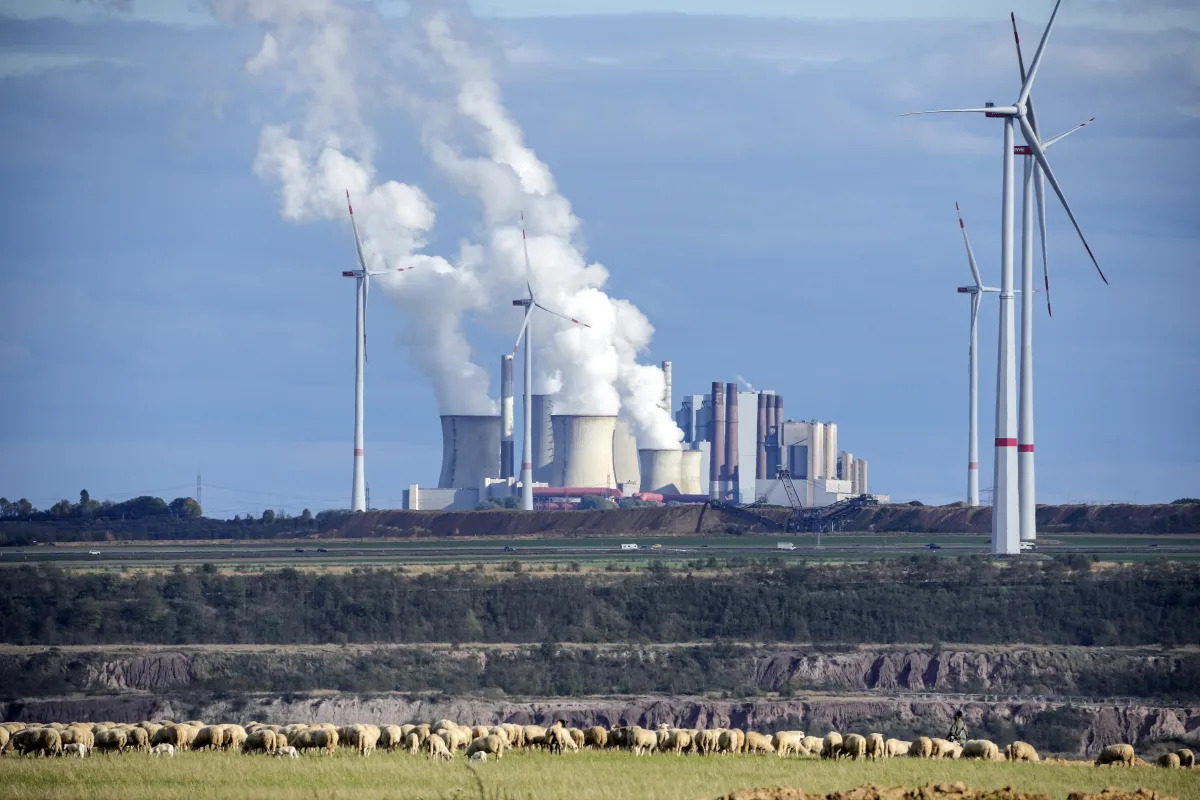
A study published in Nature links the world's 180 largest fossil fuel and cement producers to about half of the increased intensity of recent heat waves, highlighting their significant role in climate change and the growing legal and policy implications for accountability and fossil fuel phase-out.
A new report reveals that just 57 companies are responsible for 80 percent of global carbon dioxide emissions, with state-owned entities and investor-owned companies contributing significantly. Despite commitments made in the 2015 Paris Agreement, many of these companies have increased their production, leading to a record high in coal consumption. The report highlights the urgent need for governments to hold these companies accountable and calls for international cooperation through a Fossil Fuel Treaty to end the expansion of fossil fuels and ensure a just transition.
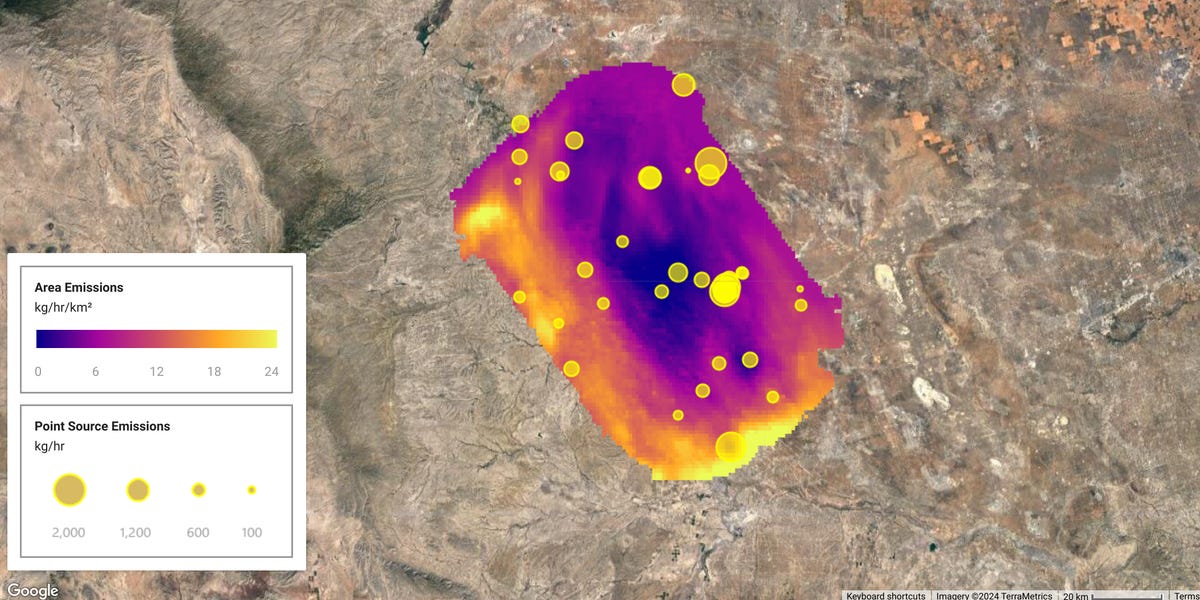
Google is partnering with the Environmental Defense Fund to launch a satellite called MethaneSAT, which will use satellite data and AI technology to map methane emissions from oil, gas, and coal operations around the world. Methane is a potent greenhouse gas responsible for nearly a third of global warming, and the initiative aims to provide real-time tracking of methane leaks, with the data being made available to the public later this year. This comes as countries and oil and gas companies pledge to drastically reduce methane emissions by 2030 to tackle the climate crisis.
California has passed a groundbreaking law that will require large companies, including major global corporations, to disclose their carbon emissions. This is the first law of its kind in the United States and could serve as a blueprint for national climate accountability. The law will apply to companies with annual revenues exceeding $1 billion and will require them to publicly disclose their carbon emissions by 2026, including emissions from their supply chains and customers. The law also includes provisions for disclosing climate-related financial risks. While the law has faced opposition from business interests, including the fossil fuel industry, supporters believe it will provide transparency and make it harder for companies to "greenwash" their environmental impact.
The Pacific Island nation of Vanuatu is set to win a historic vote at the United Nations, calling on the world’s highest court to issue an unprecedented legal opinion on the obligation countries have to address the climate crisis. The resolution for an advisory opinion is likely to pass, with around 120 countries backing it. If it passes, it would be the first time the highest international court is called on to address the climate crisis. Although an advisory opinion would be non-binding, it would carry significant weight and authority and could inform climate negotiations as well as future climate lawsuits around the world.