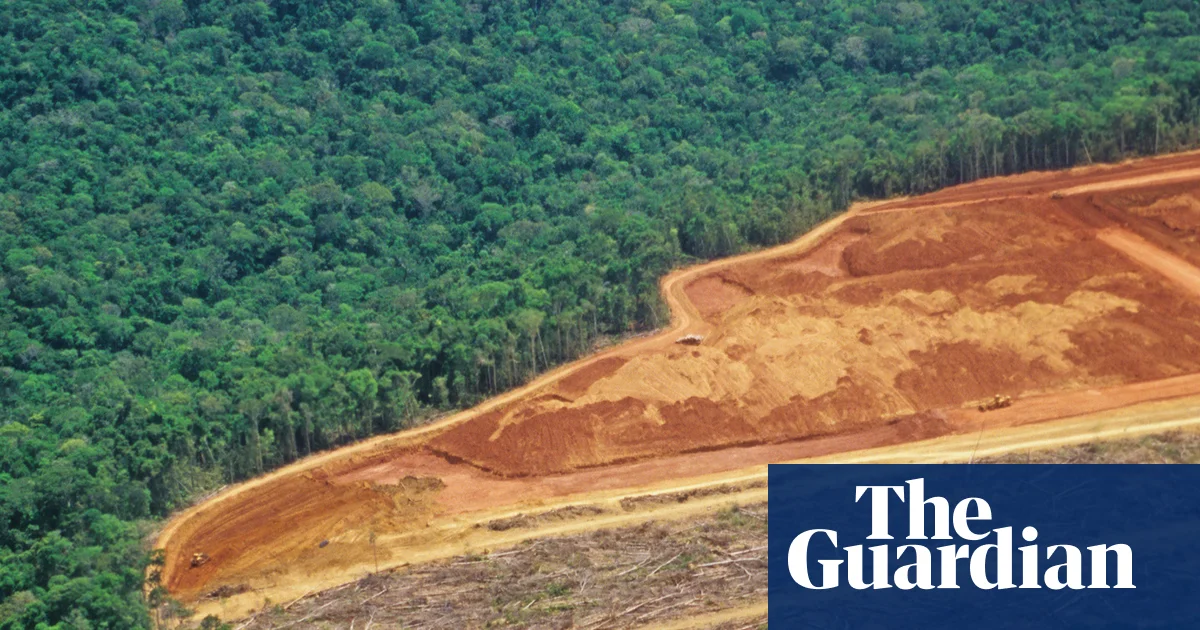
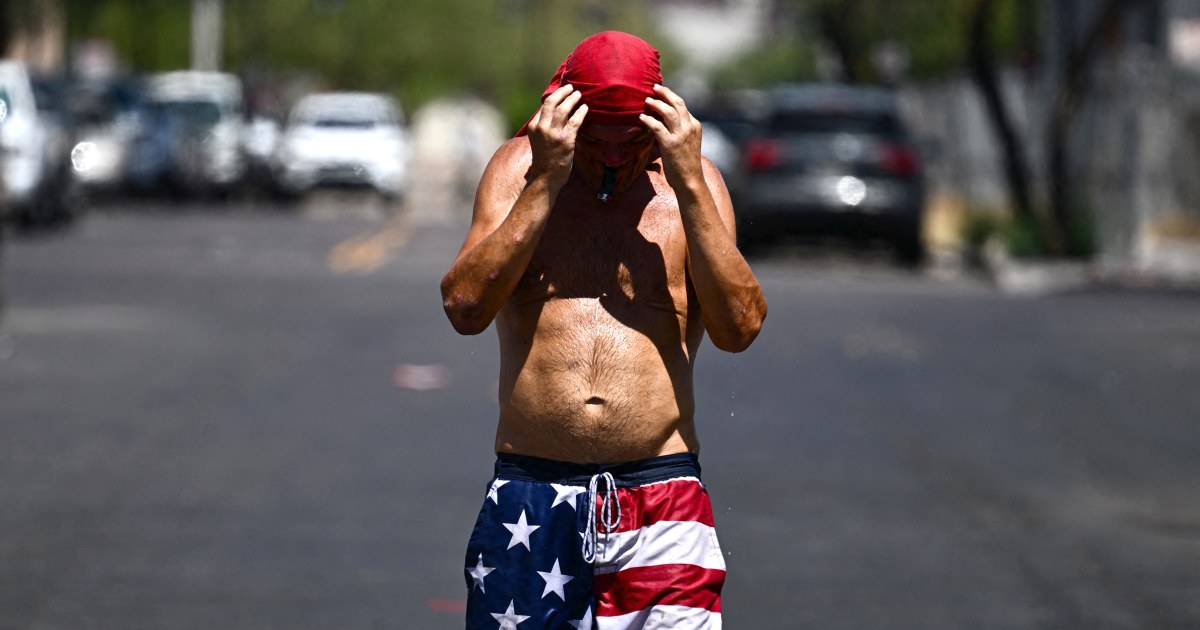
A study finds that deforestation in the tropics over the past 20 years has caused over half a million deaths due to heat-related illnesses, highlighting the direct human toll of forest loss and its contribution to regional warming and climate disruption.
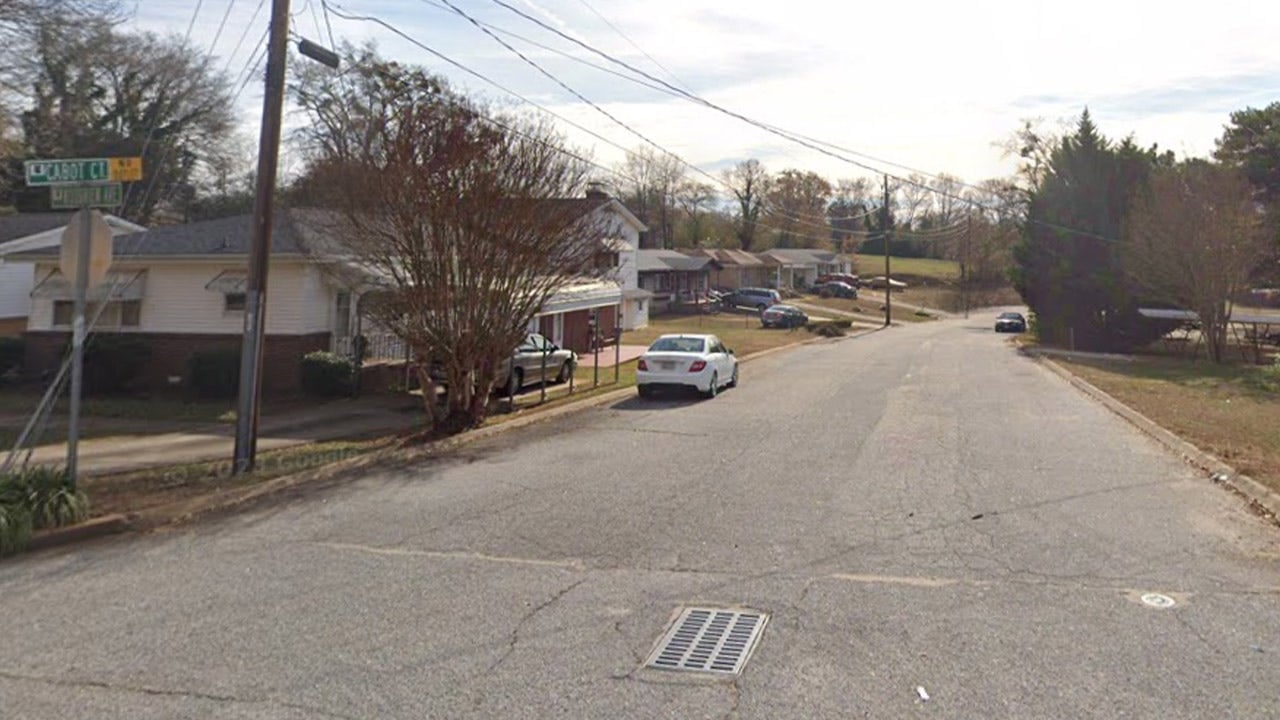
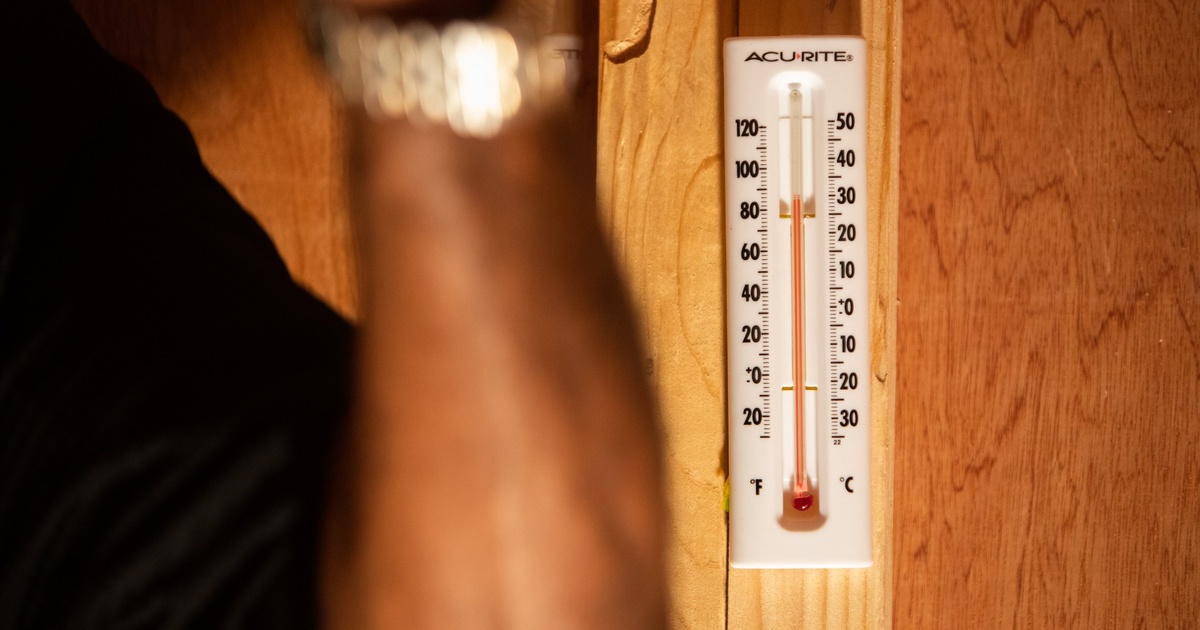
An elderly couple in South Carolina was found dead in their Spartanburg home, which had reached a temperature of 120 degrees. The couple, identified as 84-year-old Joan Littlejohn and 82-year-old Glennwood Fowler, were discovered after a wellness check prompted by concerns about the home being too cold. The coroner ruled out foul play but expressed concern over the high temperature, prompting further investigation into the cause of the extreme heat.
A new report published in the Lancet warns that rising temperatures caused by the use of dirty energy sources could lead to a 370% increase in heat-related deaths annually. The study also highlights the significant increase in drought-affected lands, putting millions of people at risk of food insecurity. The report emphasizes the need for health professionals to be involved in climate discussions. Efforts are being made by countries, local governments, and companies to reduce reliance on fossil fuels and transition to clean energy. The United Nations Climate Change Conference is holding its first "Day of Health" to address the intersection between climate and health.
A new study from the University of Pennsylvania warns that the number of cardiovascular-related deaths due to extreme heat could increase by 162 to 233 percent by the middle of this century in the United States. The study analyzed mortality and temperature data patterns from 2008 to 2019 and modeled future trends based on different emission scenarios. The research highlights the impact of climate change on human health and emphasizes the importance of implementing environmental policies to curb greenhouse gas emissions. Vulnerable populations, such as Black adults and the elderly, are most at risk from heat-related deaths.
A study from the American Heart Association warns that heart-related deaths from extreme heat could more than double in the next 13 to 47 years if greenhouse gas emissions are not reduced. Even with proposed emission-cutting policies, the number of deaths could still rise by up to 162% by the middle of the century. Demographics also play a role, with people over 65 and Black adults being at higher risk. The burning of fossil fuels, particulate pollution from wildfires, and lack of air conditioning and trees in urban heat islands contribute to the dangers of extreme heat.
A new report warns that heat-related cardiovascular deaths in the US could triple by the end of the century due to climate change, with Black adults, seniors, and urban dwellers being particularly vulnerable. The study projects that if fossil fuel development continues and minimal efforts are made to reduce pollution, there could be 80 days of extreme heat each summer, resulting in about 5,500 excess deaths annually. Even with climate change mitigation measures, there could still be 71 days of extreme heat per year and a 2.6 times increase in heart-related mortality. The heart is especially susceptible to heat, and longer exposures can lead to increased inflammation and blood clotting. The study emphasizes the need for targeted solutions to protect vulnerable populations and reduce health inequities.
Phoenix, Arizona, has broken another heat record with temperatures exceeding 110 degrees Fahrenheit (43.3 Celsius) for the 54th time this year, surpassing the previous record of 53 days set in 2020. The city has experienced its hottest summer ever recorded, with an average daily temperature of 97 F (36.1 C) in June, July, and August. The extreme heat warning remains in effect, and Maricopa County is on track to set a record for heat-associated deaths, with 194 confirmed deaths and 351 cases under investigation.
Phoenix, Arizona has broken its previous record for the most consecutive days at or above 110F, reaching 54 days of extreme heat. An excessive heat warning has been issued for the region, with temperatures expected to range between 108F and 114F. The National Weather Service has warned of the high risk of heat stress or illnesses and urged residents to stay hydrated, avoid sun exposure, and use air conditioning if available. This summer's heatwave has led to millions of residents being placed under extreme heat advisories and has contributed to wildfires and a significant increase in heat-related deaths.
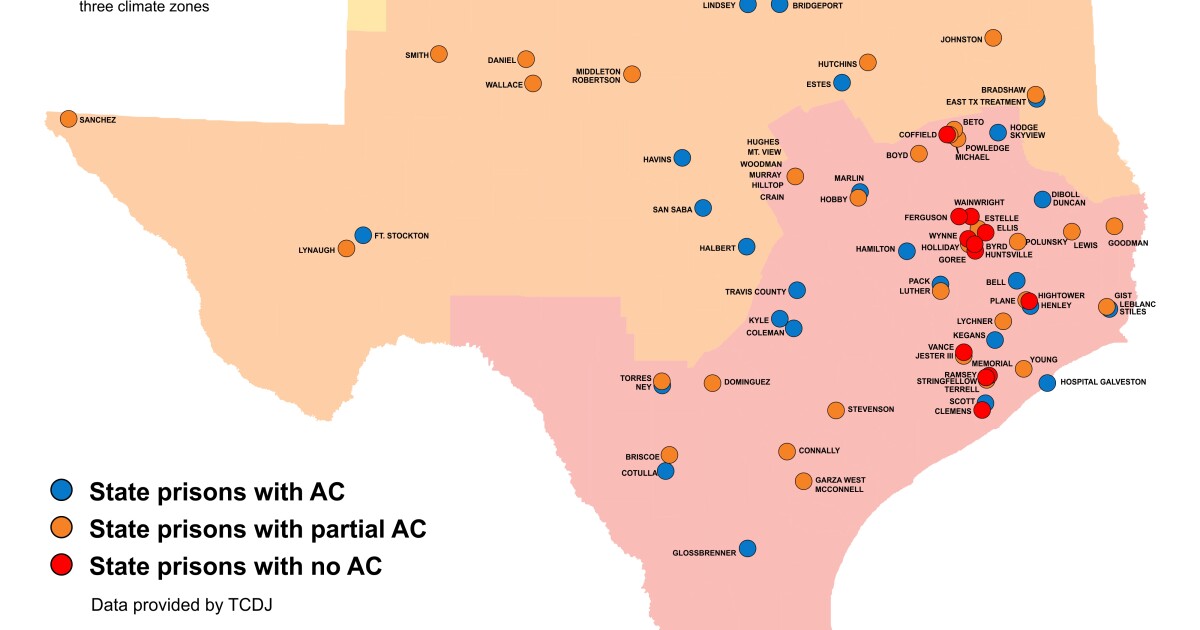
Texas prisons are facing criticism for the lack of air conditioning, with Democrats on the House Oversight Committee calling for an investigation into the state's failure to expand AC in its prisons. While officials plan to add 11,000 air conditioned beds by the end of next year, this leaves nearly 100,000 inmates without relief from the sweltering Texas heat. The state has been accused of slow progress, and a study published last year linked 271 deaths in Texas prisons between 2001 and 2019 to heat-related issues and a lack of air conditioning. The spike in deaths this year has raised concerns, with advocates calling for federal intervention to improve prison conditions.
Congressional Democrats on the U.S. House Committee on Oversight and Accountability have called for an investigation into the conditions of Texas prisons, where at least 41 people have died from heart-related or unknown causes during the state's scorching heat wave this summer. More than two-thirds of Texas' prisons lack air conditioning, leading to extreme temperatures inside the facilities. Relatives of the deceased and prison rights advocates argue that some deaths were caused by the heat, while the Texas Department of Criminal Justice claims no prisoner has died from the heat since 2012. The Democrats are urging the committee to address the issue of extreme weather in prisons and demand humane conditions nationwide.
Three people have died in Portland, Oregon, during a heatwave that brought triple-digit temperatures to the area. The deaths occurred on Monday, Tuesday, and Wednesday, with temperatures reaching as high as 106 degrees. The Multnomah County medical examiner is conducting further tests to confirm if heat was the cause of death. City and county officials declared a heat emergency and opened cooling centers to provide relief during the extreme heat. Last summer, five people died from heat exposure during a similar heatwave.
Scientists have determined that the maximum mix of heat and humidity a human body can survive is around 35 degrees Celsius (95 degrees Fahrenheit) when coupled with 100 percent humidity. At this point, sweat no longer evaporates off the skin, leading to heatstroke, organ failure, and death. While this critical limit has only been breached a few times, experts warn that as global temperatures rise, dangerous wet bulb events will become more common. The frequency of such events has already doubled in the last 40 years. Vulnerable populations, such as children and the elderly, are at higher risk, and those who work outside in extreme heat are particularly vulnerable.
Excessive heat warnings are in effect in Florida, with "feels like" temperatures reaching up to 115 degrees. The National Weather Service (NWS) has issued warnings and advisories across different regions of the state, urging people to stay in air-conditioned spaces, stay hydrated, and take precautions. Heat-related deaths have been on the rise in Florida, and the NWS uses heat index values to determine the severity of the heat. The heat index combines temperature and humidity levels to indicate what the temperature actually feels like outside. Additionally, the NWS also uses the Wet Bulb Globe Temperature (WBGT) to measure heat stress for outdoor workers and athletes.
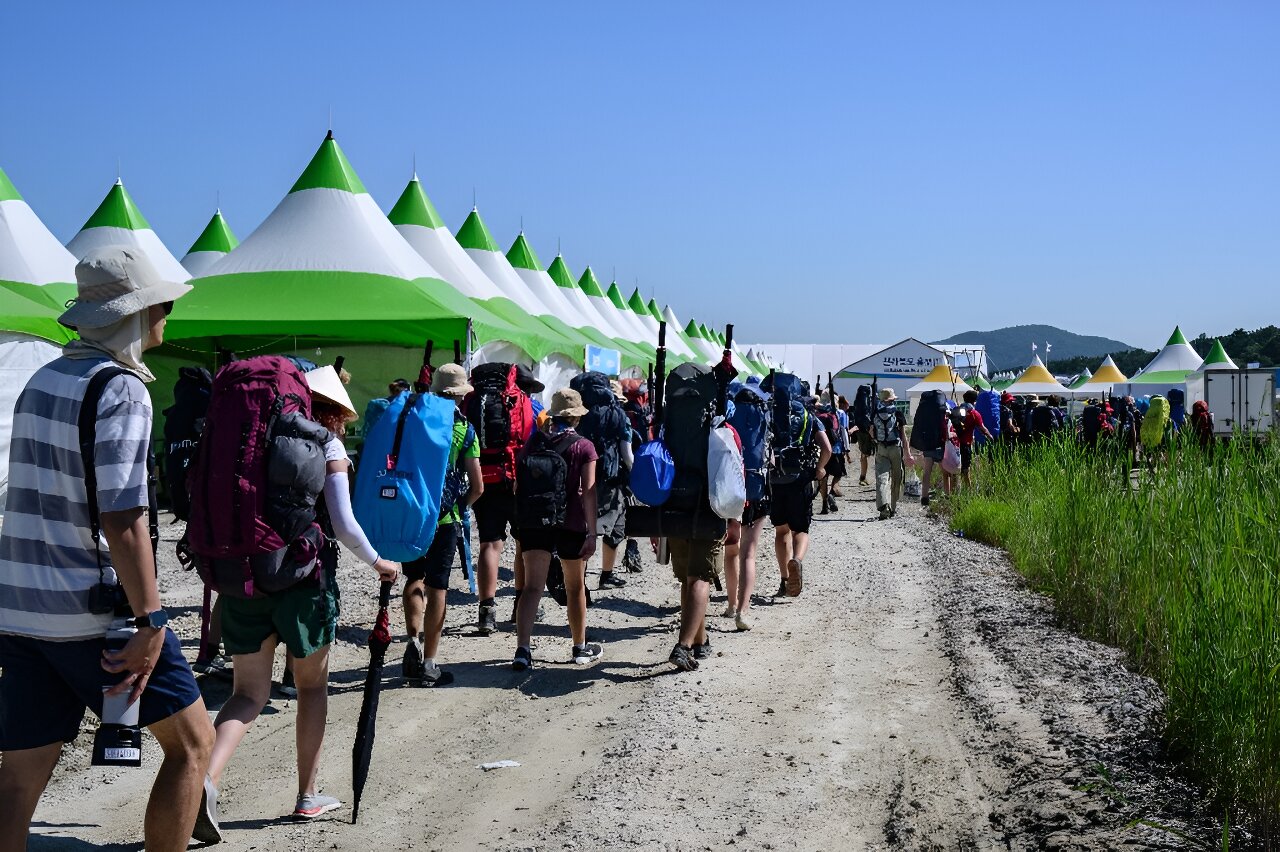
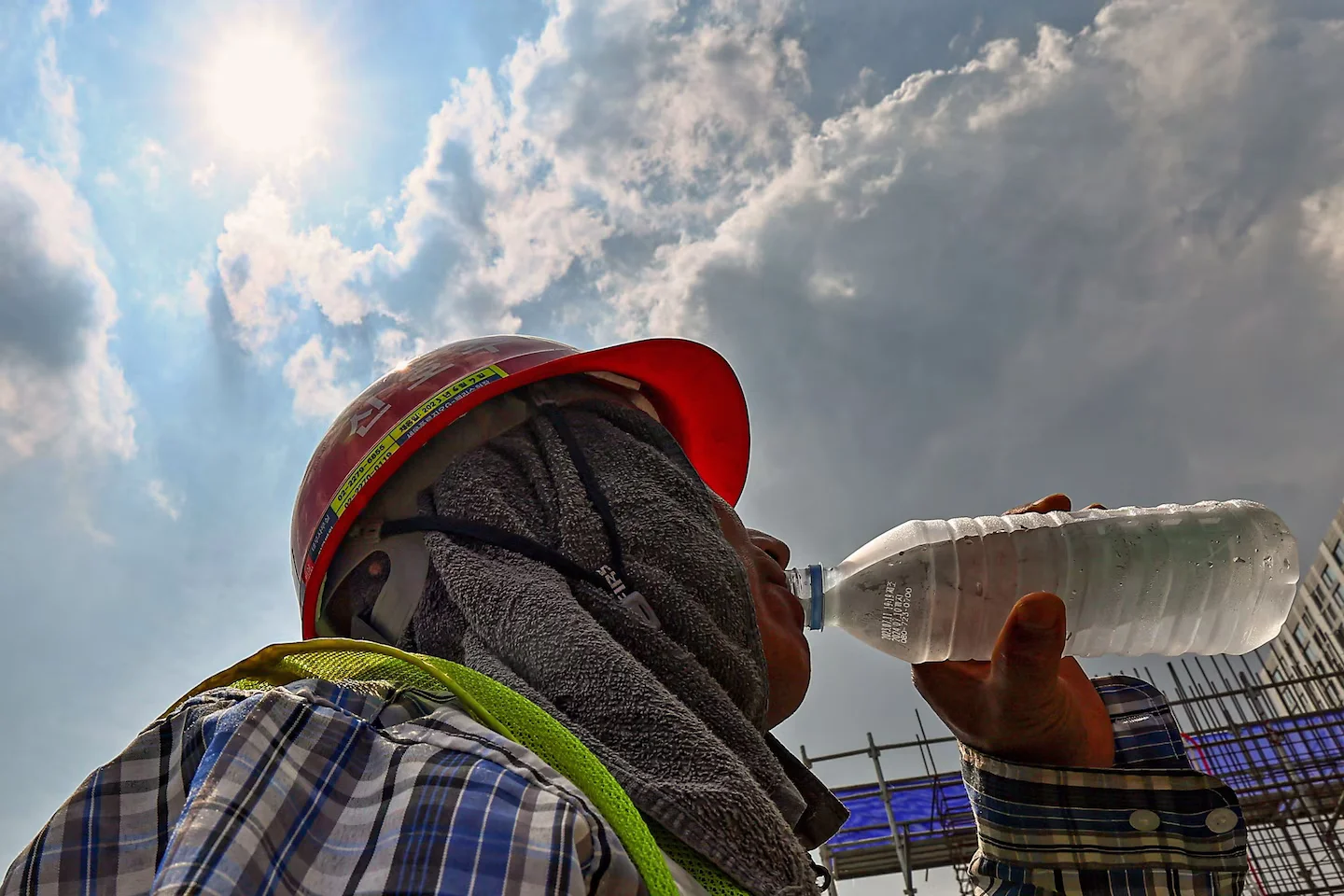
South Korea and Japan are experiencing extreme heat waves, resulting in a sharp rise in the death toll. Both countries have issued heat alerts as temperatures soar above 100 degrees Fahrenheit (38 Celsius). South Korea has reported at least 23 heat-related deaths since late May, more than three times higher than last year. Japan has recorded temperatures as high as 103.6 degrees (39.8C) and has issued a "special heatstroke alert" in 32 prefectures. The elderly are particularly vulnerable, highlighting the need for public health adaptation strategies in rapidly aging societies. Scientists attribute the increase in extreme weather events to global warming.
Phoenix's record-breaking streak of 31 consecutive days with temperatures above 110 degrees Fahrenheit came to an end, with temperatures reaching 108 degrees on Monday. The previous record was set in 1974 with 18 consecutive days above 110 degrees. Despite the end of the streak, high temperatures are expected to continue, with forecasts of temperatures above 110 degrees and even reaching above 115 degrees in the lower deserts. The heatwave in Arizona has been deadly, with 25 confirmed heat-related deaths in Maricopa County this season.