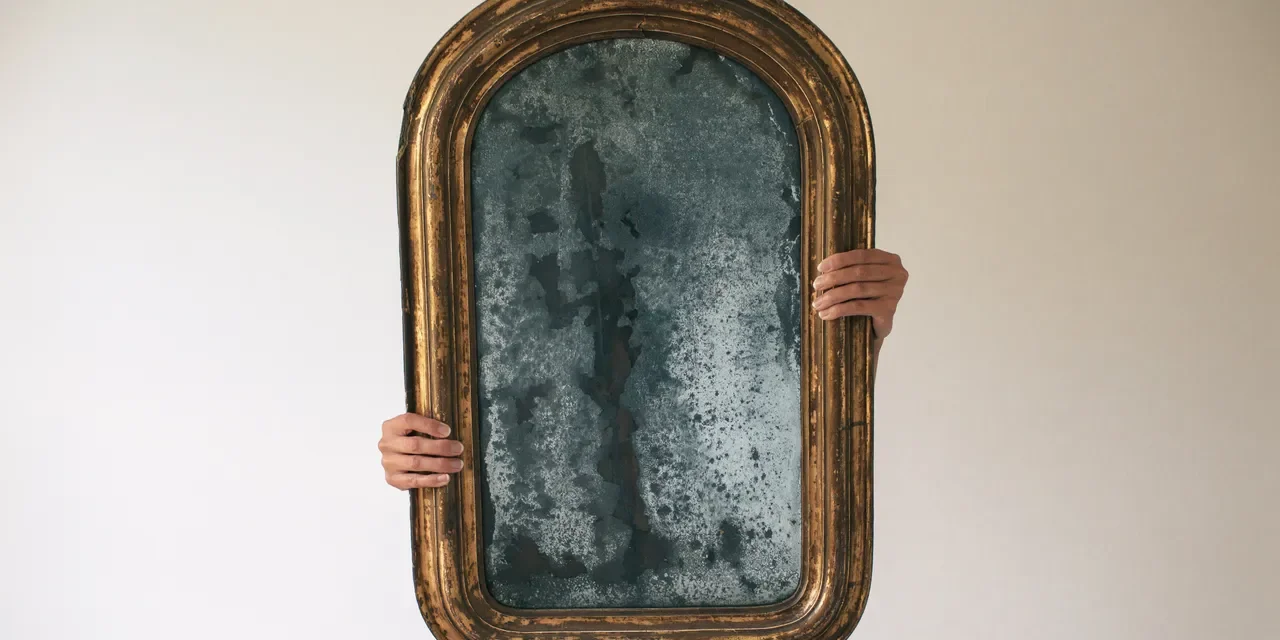
A workplace advice column discusses a boss with health anxiety who involves an employee in medical research, highlighting the importance of recognizing hypochondria and suggesting ways to set boundaries and encourage professional help. It also offers guidance for employees navigating job transitions and managing new job challenges, emphasizing patience, communication, and self-care.
Caroline Crampton, author of 'A Body Made of Glass: A Cultural History of Hypochondria,' explores the impact of hypochondria, now known as illness anxiety disorder, on individuals' lives. She discusses her personal experiences with health anxiety following a cancer diagnosis and highlights how the internet can exacerbate 'cyberchondria.' Crampton emphasizes the importance of seeking medical advice when necessary and shares how cognitive behavioral therapy has helped manage her anxiety. She also reflects on her newfound appreciation for the human body's complexities.
Eva Wiseman explores how health trackers and wellness technology can exacerbate health anxiety, turning minor or non-existent health issues into major concerns. She discusses the rise of personalized health apps and devices, their impact on mental health, and the illusion of control they offer. Wiseman argues that while these technologies are marketed to alleviate worries, they often create or worsen them, particularly among parents and the "worried well."
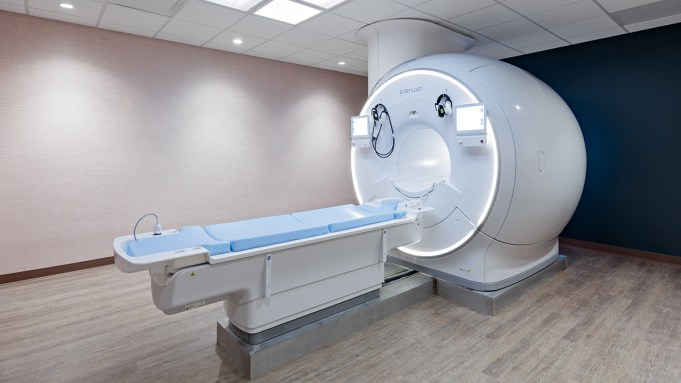
The Prenuvo scan offers a preventive full-body MRI that can detect developing diseases and provide a snapshot of one's physiological state, attracting attention from influencers and celebrities despite its high cost. The experience involves lying still for an hour in a confined space while the scan focuses on different body parts, and the results can bring a mix of relief and anxiety. While it can't answer life's ultimate questions, for some, the peace of mind it provides is priceless.
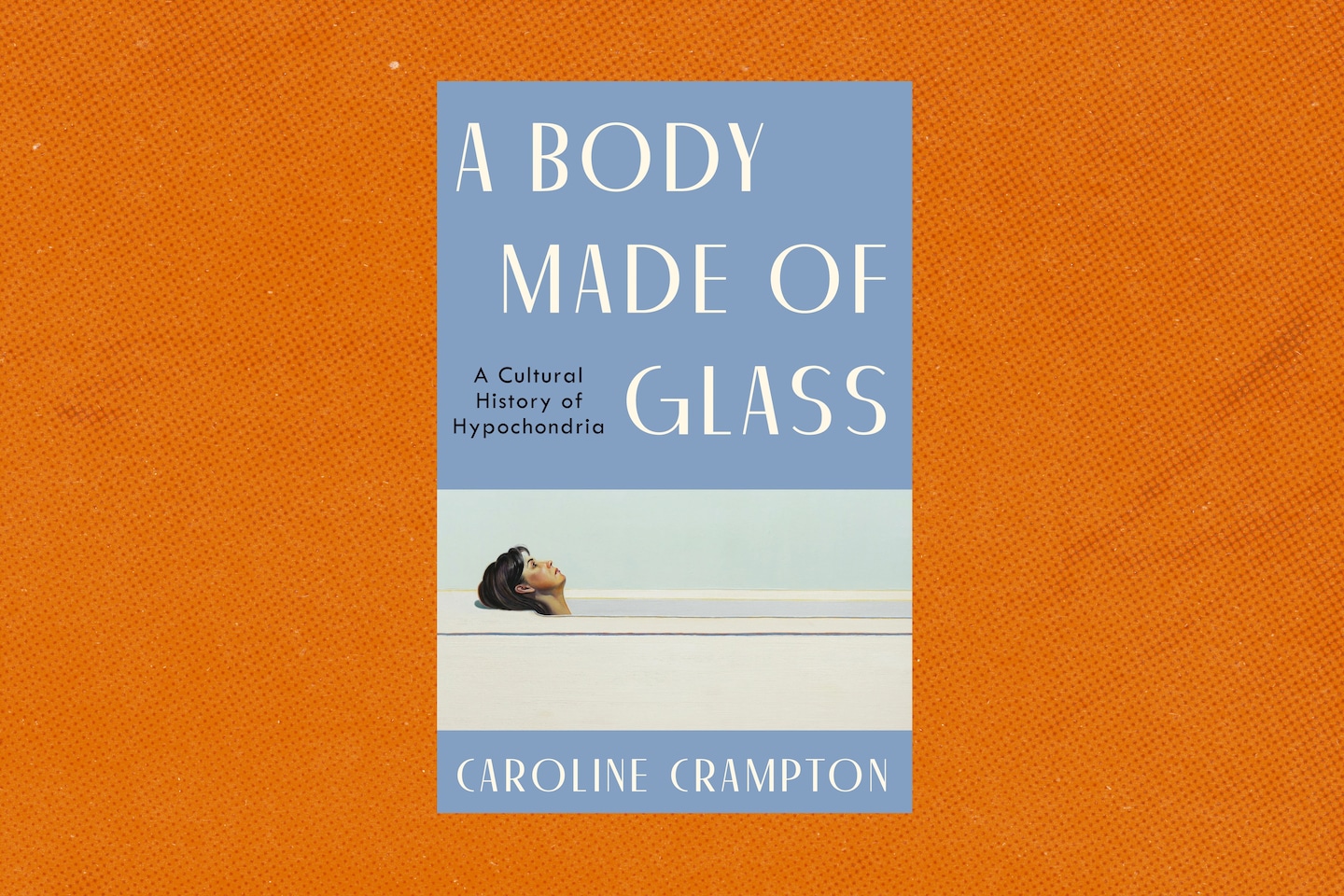
In "A Body Made of Glass: A Cultural History of Hypochondria," journalist Caroline Crampton explores her own hypochondria and its cultural context, tracing the shifting boundaries between hypochondria and verifiable sickness. She delves into the biases and challenges faced by hypochondriacs, the impact of chronic and autoimmune conditions, and the evolving understanding of illness. Crampton's book combines memoir, literary criticism, and historical micro-histories, offering fascinating insights into the human condition and the universal fear of mortality.
Caroline Crampton's book "A Body Made of Glass" is a biographical account of hypochondria, blending memoir and cultural history to explore the anxiety embedded in her psyche after being diagnosed with Hodgkin’s lymphoma at 17. The book delves into the experiences of hypochondria, the gendered nature of medical treatment, the rise of the "cyberchondriac," and the historical figures who believed their bodies were made of glass. Crampton's research is underscored by compassion and a bleak humor, offering a comprehensive historical account intertwined with her own experiences of health-related trauma.
Caroline Crampton's "A Body Made of Glass" is an intelligent and engaging cultural history of hypochondria, exploring the intersection of medical technologies, health anxiety, and the human longing to peer inside our bodies. Drawing from her own experience as a hypochondriac cancer survivor, Crampton delves into the complexities of health anxiety, the evolving terminology in psychiatry, and the historical origins of hypochondria. She challenges the conventional narrative of illness and cure, advocating for empathy and shared uncertainty between clinicians and patients.
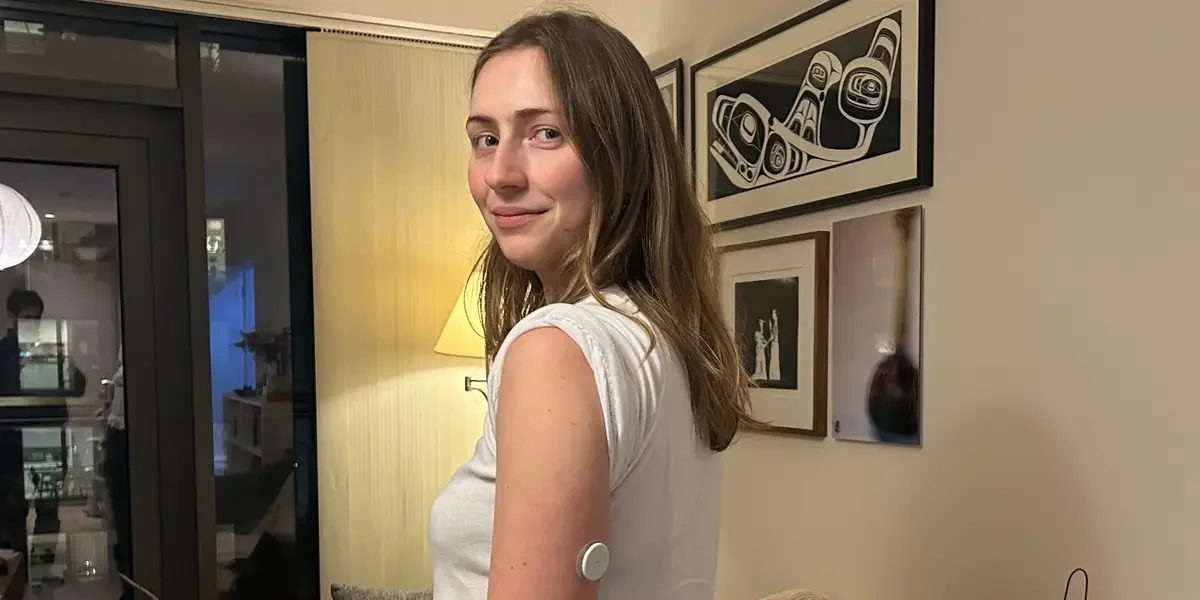
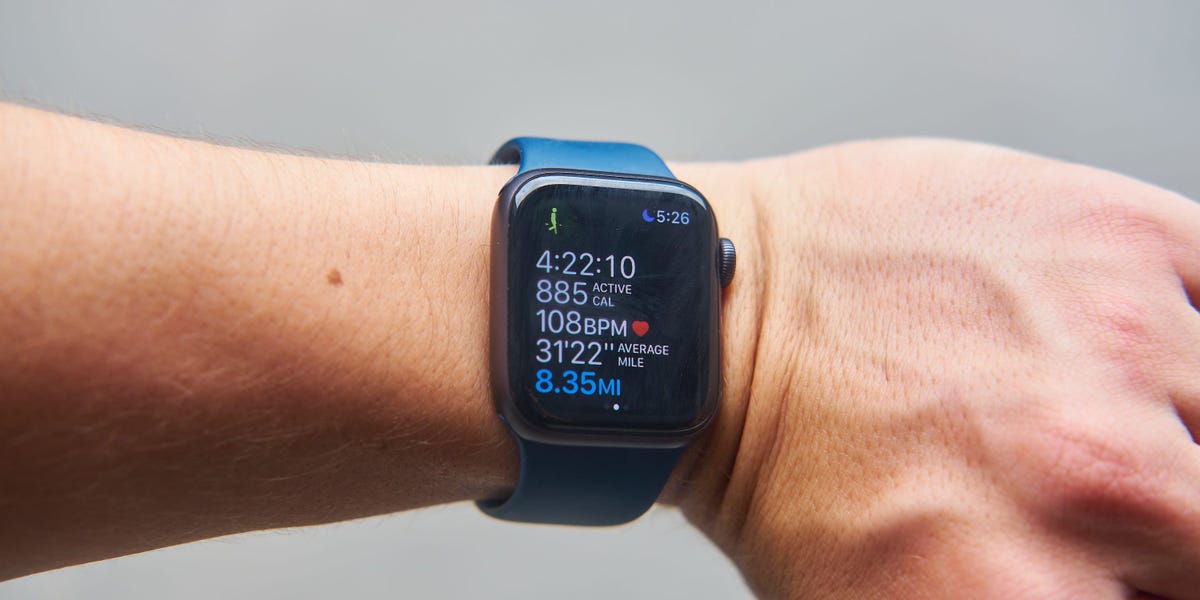
After seven years of relying on his Apple Watch for health tracking, a man found himself becoming obsessed with health metrics and experiencing severe health anxiety. This led to chronic fatigue and ultimately, he decided to give up the device. Six months later, he feels much happier and healthier, having reestablished a connection with his body and mind, and living a more peaceful and balanced life without the constant monitoring of wearable technology.
"Cyberchondria," a condition characterized by excessive searching for health information online, can lead to heightened anxiety and negatively impact a person's health. The prevalence of cyberchondria has increased, especially during the COVID-19 pandemic. Symptoms include spending excessive time searching for symptoms online, obsessive medical searches interfering with daily activities, and experiencing distress and anxiety when searching for symptoms. To address or prevent cyberchondria, it is important to set boundaries on online health searches, avoid worst-case scenario forums, consult with healthcare professionals, and consider telehealth visits. Trustworthy sources of health information include the CDC, NIH, Mayo Clinic, NYU Langone, and CIDRAP.