The death of Microsoft engineer Pratik Pandey at the company's campus has raised concerns about overwork and stress in the tech industry, prompting calls for companies to prioritize employee health and monitor late-night work habits to prevent similar tragedies.

'Quiet cracking' is a new, subtle form of burnout affecting millions of workers, characterized by disengagement and stagnation due to feeling unappreciated and lacking career growth, which can lead to significant economic costs; addressing it involves recognizing its causes and providing growth opportunities and open communication.
'Quiet cracking' is a rising workplace issue where employees silently struggle and disengage, showing signs similar to burnout but often going unnoticed, driven by economic uncertainty and job market conditions, with potential impacts on morale and productivity.
A workplace advice column discusses a boss with health anxiety who involves an employee in medical research, highlighting the importance of recognizing hypochondria and suggesting ways to set boundaries and encourage professional help. It also offers guidance for employees navigating job transitions and managing new job challenges, emphasizing patience, communication, and self-care.
A Pixar executive shares that Steve Jobs frequently called employees at all hours, including late at night and during vacations, highlighting a leadership style driven by passion but also a red flag he wouldn’t want to emulate. Despite his intense work habits, Jobs was highly respectful of creative autonomy and problem-solving skills, which contributed to Pixar's success. The article contrasts Jobs' approach with other high-performance cultures like Tesla and Amazon, where being 'always on' is expected, raising questions about work-life balance.
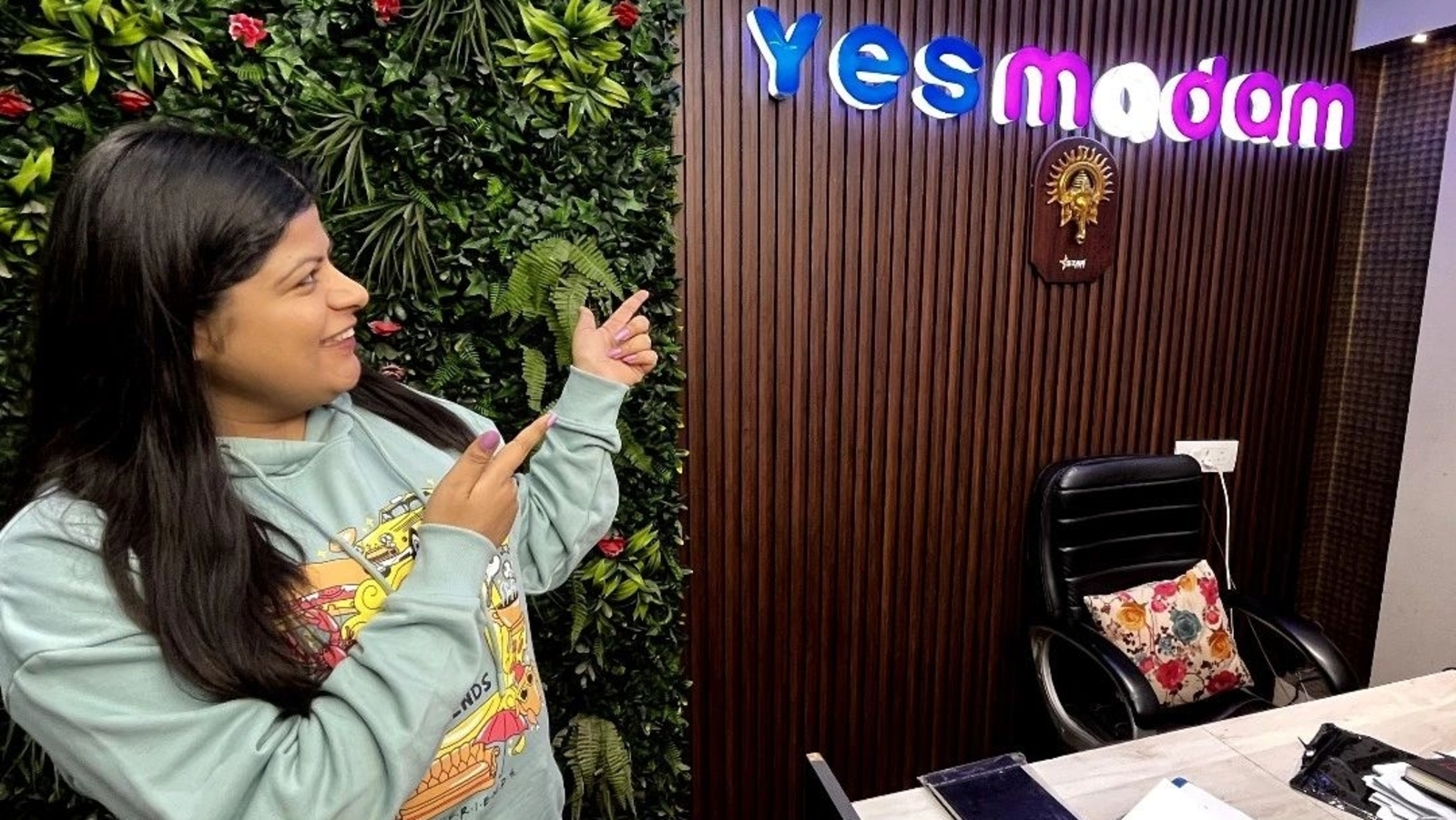
Anushka Dutta, a YesMadam employee, clarified that the viral email about her alleged layoff was part of a planned initiative to highlight workplace stress and not an actual firing. YesMadam, an at-home beauty services startup, faced backlash on social media for what was perceived as an insensitive move. The company explained that the email was part of a program to promote employee well-being by offering 'De-Stress Leaves.' Despite the clarification, many criticized the initiative as a poorly executed PR stunt.
A KPMG survey reveals that 30% of CEOs at major US companies are considering implementing a shorter workweek, such as four or four-and-a-half days, to combat employee burnout amid the ongoing labor shortage. Other popular initiatives to address burnout include mental well-being programs, use of AI tools to lighten workloads, strengthening personal relationships among colleagues, and training for managers to effectively address burnout.
A study in the United Kingdom found that after one year of implementing a four-day workweek, 89% of participating companies continued the structure, with 51% making it permanent. The study reported increased efficiency, happier employees, and lower turnover rates. Both managers and staff members noted positive impacts on well-being, work-life balance, and general life satisfaction. Internationally, the four-day workweek has gained traction, with countries like Spain, Iceland, and South Africa implementing trials, and U.S. lawmakers considering similar legislation.
A study conducted in Norway found that approximately 13% of employees are at high risk of burnout, emphasizing the need for early intervention to prevent long-term consequences. Researchers have developed the Burnout Assessment Tool (BAT) to identify individuals at risk by measuring exhaustion, mental distancing, cognitive and emotional impairment. The tool is being tested in over 30 countries and aims to facilitate early intervention and prevent the physical and psychological effects of burnout. It is important to address high demands and limited resources in the workplace to safeguard employee health.
A survey by BetterUp found that employees mandated to return to the office experienced higher burnout, stress, and turnover intentions, as well as lower trust, engagement, and productivity levels. The return-to-office transition, if not handled with empathy, can negatively impact workplace culture and employees' sense of belonging. The main challenges of returning to the office include the commute and loss of flexibility, with employees spending an average of $561 per month on transportation and additional expenses. The article suggests maximizing the benefits of in-person collaboration, considering the opportunity for better work-life balance, and asking for necessary support while returning to the office.
The rise of remote work has normalized working while sick, as the current surge in illnesses blurs the lines between productivity and well-being. With technology enabling work from home, the dilemma of taking sick days becomes challenging, leading to concerns about the impact on employee well-being and stress levels. As the new year prompts goal-setting, there is a call to reconsider priorities and take genuine days off when unwell, highlighting the need to reevaluate the work culture and its impact on employee health.
A report and survey of 5,000 workers conducted by Gympass and Northwell Health highlights the importance of choice in work arrangements for employee well-being and productivity. The study found that workers who had the opportunity to choose their preferred work setting were more productive, less stressed, better-rested, and happier with their employer. However, many companies are still mandating office returns, creating a gap in workplace well-being. The report emphasizes that the push for work-life balance is flawed and that employers should prioritize flexibility and strong wellness benefits to satisfy evolving employee needs. Workers now prioritize their well-being as much as their salary and are more likely to consider leaving a job that doesn't prioritize their well-being. Companies that prioritize employee well-being and mental health will be the most successful in the future.
More retailers are choosing to close their stores on Thanksgiving Day, reflecting a shift in consumer habits and a desire to prioritize employee well-being. Major retailers such as Simon Properties, Best Buy, J.C. Penney, Kohl's, and Walmart have announced closure plans for Thanksgiving, with some grocery stores also reducing their operating hours. The change is attributed to the evolving nature of the holiday shopping season, as retailers now start their Black Friday sales earlier and focus on both online and in-store sales. Closing on Thanksgiving can benefit retailers' public image and align with consumers' desire to support brands that prioritize their employees' well-being.
Experts emphasize the importance of taking mental health breaks during the workday to improve mood, increase productivity, and reduce stress. Despite the benefits, only 1 in 3 employees regularly take breaks. Employers have a shared responsibility to encourage mindful breaks and create a positive working environment. Micro-breaks of 2-3 throughout the day, even as short as five minutes, can positively impact the nervous system. Examples of mental health breaks include deep breathing, taking a walk outside, avoiding screens, and engaging in mindfulness activities like prayer. Overscheduling and a hustle culture are detrimental to well-being, and breaks are essential for maintaining productivity and overall health.
Burnout is affecting both leaders and employees, and contributing to a talent shortage that’s challenging and costly to navigate. When an employee comes to you expressing burnout concerns, it can be challenging to know whether or how to deal with it. The author offers five steps to take when an employee comes to you expressing burnout: 1) Treat their concerns seriously; 2) Understand their experience of burnout; 3) Identify its root causes; 4) Consider short- and long-term solutions; and 5) Create a monitoring plan.