Tag

Hypochondria

All articles tagged with #hypochondria

work6 months ago

Work Advice: When Your Boss Asks You to Examine His Moles

A workplace advice column discusses a boss with health anxiety who involves an employee in medical research, highlighting the importance of recognizing hypochondria and suggesting ways to set boundaries and encourage professional help. It also offers guidance for employees navigating job transitions and managing new job challenges, emphasizing patience, communication, and self-care.

health1 year ago

Navigating Hypochondria: Why Dr. Google Isn't the Answer

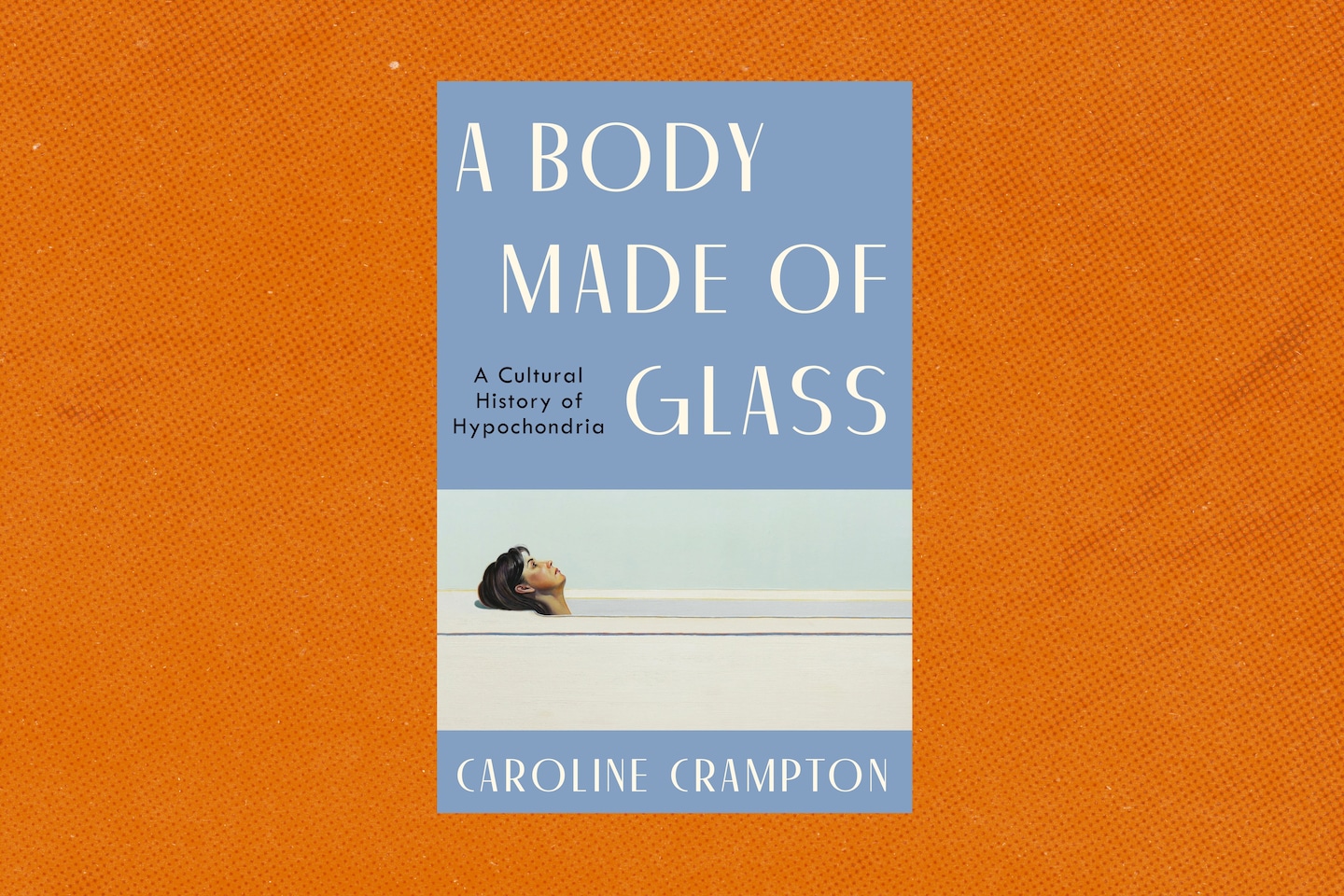
Caroline Crampton, author of 'A Body Made of Glass: A Cultural History of Hypochondria,' explores the impact of hypochondria, now known as illness anxiety disorder, on individuals' lives. She discusses her personal experiences with health anxiety following a cancer diagnosis and highlights how the internet can exacerbate 'cyberchondria.' Crampton emphasizes the importance of seeking medical advice when necessary and shares how cognitive behavioral therapy has helped manage her anxiety. She also reflects on her newfound appreciation for the human body's complexities.

health-and-wellness1 year ago

"How Health Trackers Might Derail Your Wellness Journey"

Eva Wiseman explores how health trackers and wellness technology can exacerbate health anxiety, turning minor or non-existent health issues into major concerns. She discusses the rise of personalized health apps and devices, their impact on mental health, and the illusion of control they offer. Wiseman argues that while these technologies are marketed to alleviate worries, they often create or worsen them, particularly among parents and the "worried well."

health-and-wellness1 year ago

"The Hidden History of Hypochondria: A Body Made of Glass"

In "A Body Made of Glass: A Cultural History of Hypochondria," journalist Caroline Crampton explores her own hypochondria and its cultural context, tracing the shifting boundaries between hypochondria and verifiable sickness. She delves into the biases and challenges faced by hypochondriacs, the impact of chronic and autoimmune conditions, and the evolving understanding of illness. Crampton's book combines memoir, literary criticism, and historical micro-histories, offering fascinating insights into the human condition and the universal fear of mortality.

book-review1 year ago

"The Unveiled History of Hypochondria: A Review of 'A Body Made of Glass' by Caroline Crampton"

Caroline Crampton's book "A Body Made of Glass" is a biographical account of hypochondria, blending memoir and cultural history to explore the anxiety embedded in her psyche after being diagnosed with Hodgkin’s lymphoma at 17. The book delves into the experiences of hypochondria, the gendered nature of medical treatment, the rise of the "cyberchondriac," and the historical figures who believed their bodies were made of glass. Crampton's research is underscored by compassion and a bleak humor, offering a comprehensive historical account intertwined with her own experiences of health-related trauma.

book-review1 year ago

"The Intelligent History of Hypochondria: A Review"

Caroline Crampton's "A Body Made of Glass" is an intelligent and engaging cultural history of hypochondria, exploring the intersection of medical technologies, health anxiety, and the human longing to peer inside our bodies. Drawing from her own experience as a hypochondriac cancer survivor, Crampton delves into the complexities of health anxiety, the evolving terminology in psychiatry, and the historical origins of hypochondria. She challenges the conventional narrative of illness and cure, advocating for empathy and shared uncertainty between clinicians and patients.

health2 years ago

"The Serious Impact of Hypochondria on Longevity"

A recent Swedish study found that people with illness anxiety disorder may die earlier than others, with those diagnosed with the disorder being 84% more likely to die in the study period and dying an average of five years younger than those without the diagnosis. The disorder is severely under-diagnosed and under-treated, highlighting the need for improved diagnosis and communication between physicians and psychotherapists. Treatment, particularly cognitive behavioral therapy, is highly effective, and experts emphasize the importance of taking stress and anxiety seriously.

health2 years ago

The Deadly Consequence of Hypochondria: Shorter Lives for Worriers

A recent study from Sweden found that individuals with illness anxiety disorder (IAD), formerly known as hypochondria, tend to have shorter lifespans compared to those who worry less about their health. The study tracked over 42,000 people, of whom 1,000 had IAD, over a span of two decades. The results showed that individuals with IAD had an increased risk of death, both from natural and unnatural causes. The principal cause of unnatural death in the IAD group was suicide, with at least a fourfold increase compared to those without IAD. The increased risk of death from natural causes may be attributed to lifestyle factors such as alcohol, smoking, and drug use, which are more common in anxious individuals. Additionally, IAD is associated with psychiatric disorders, which can contribute to anxiety and depression, potentially leading to suicide.

health2 years ago

The Deadly Link Between Hypochondria and Mortality

A Swedish study has found that individuals diagnosed with hypochondria, now known as illness anxiety disorder, have a higher death rate compared to those who do not excessively worry about their health. The study revealed that people with the disorder have an increased risk of death from both natural and unnatural causes, particularly suicide. The researchers suggest that chronic stress may contribute to this higher mortality rate. Treatment options for hypochondria include cognitive behavioral therapy, relaxation techniques, education, and sometimes antidepressant medication.

health2 years ago

"Fear of Serious Illness Linked to Higher Death Rate, Swedish Study Reveals"

A large Swedish study has found that individuals diagnosed with hypochondria, now known as illness anxiety disorder, have a higher risk of death compared to those who do not excessively worry about their health. The study, published in JAMA Psychiatry, revealed that people with the disorder have an increased risk of death from both natural and unnatural causes, particularly suicide. The researchers suggest that chronic stress may contribute to this higher mortality rate. Treatment options for hypochondria include cognitive behavioral therapy, relaxation techniques, education, and sometimes antidepressant medication.