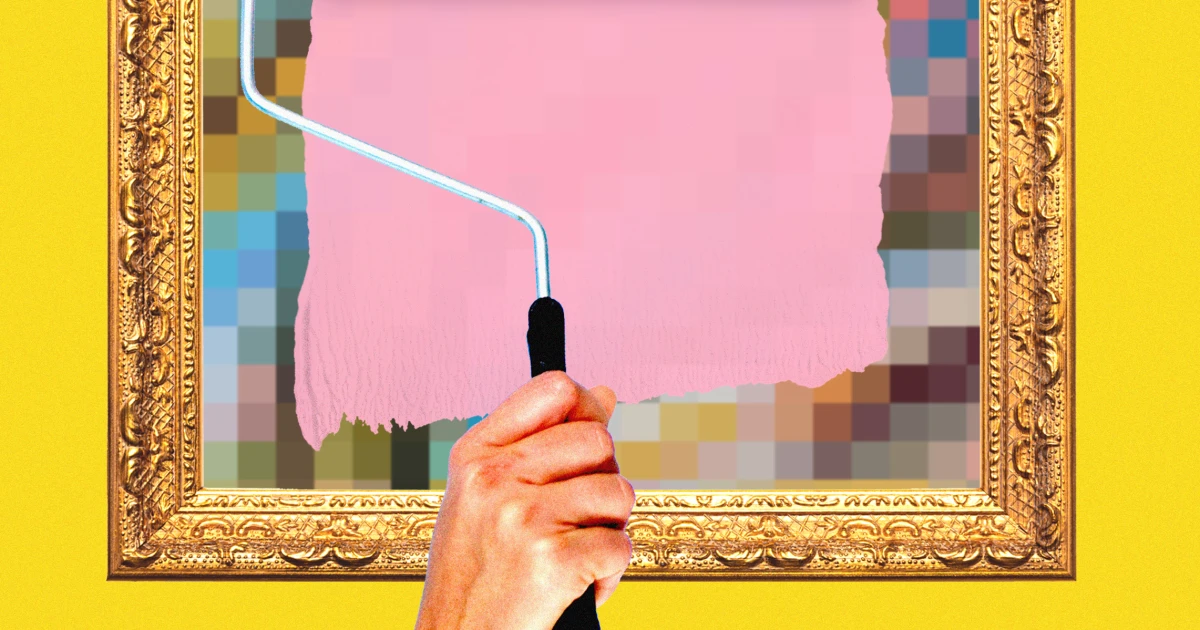
As AI-generated content often requires human correction due to imperfections, freelancers in creative and technical fields are increasingly hired to fix or enhance AI outputs, highlighting a new niche driven by AI's current limitations and the ongoing demand for authentic human input.
Leo Humphries experienced a frustrating and viral encounter when his job interview was conducted by an AI system that malfunctioned, highlighting the growing reliance on automation in recruitment and its potential pitfalls, including technical glitches, misidentification, and the loss of human connection in hiring processes.
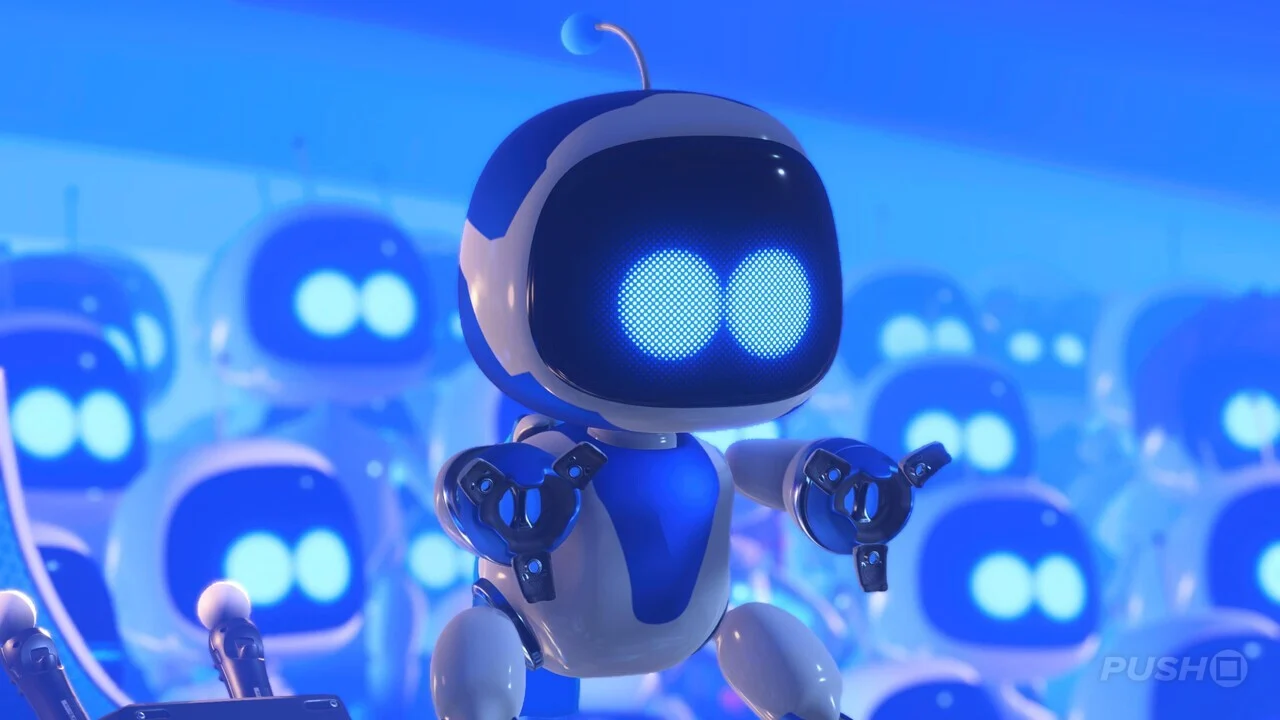
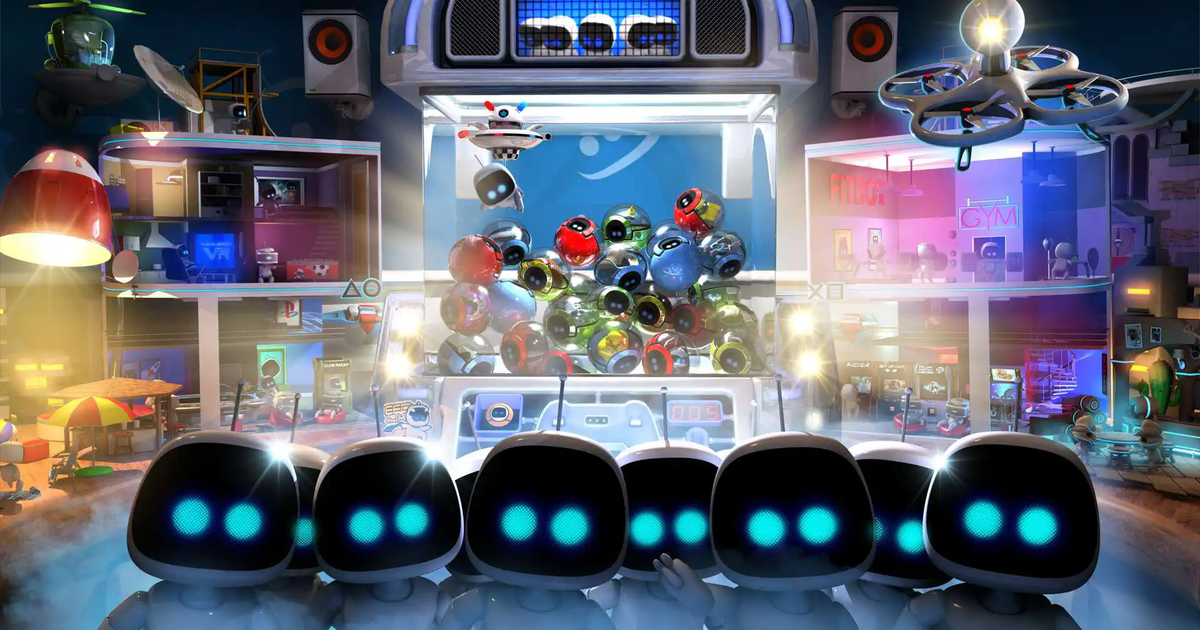
PlayStation co-CEO Hermen Hulst discussed the impact of AI on game development, emphasizing that while AI could revolutionize the industry by handling time-consuming tasks, it will not replace the essential 'human touch' in creating games. Hulst believes that a balance between AI-driven innovation and handcrafted content is crucial, as AI could potentially threaten jobs in creative fields. Despite these concerns, Hulst remains optimistic about the future role of human developers in the gaming industry.
PlayStation co-CEO Hermen Hulst emphasized the transformative potential of AI in gaming while underscoring the importance of maintaining a "human touch" in game development. He predicts a dual demand for AI-driven experiences and handcrafted content, highlighting the need for balance. This sentiment echoes previous statements from industry leaders, including PlayStation Studios' Asad Qizilbash and Nintendo's Shuntaro Furukawa, who recognize AI's role in enhancing personalization and creativity but stress the enduring value of human expertise. A Unity report indicates widespread AI use in game development, though ethical concerns persist.
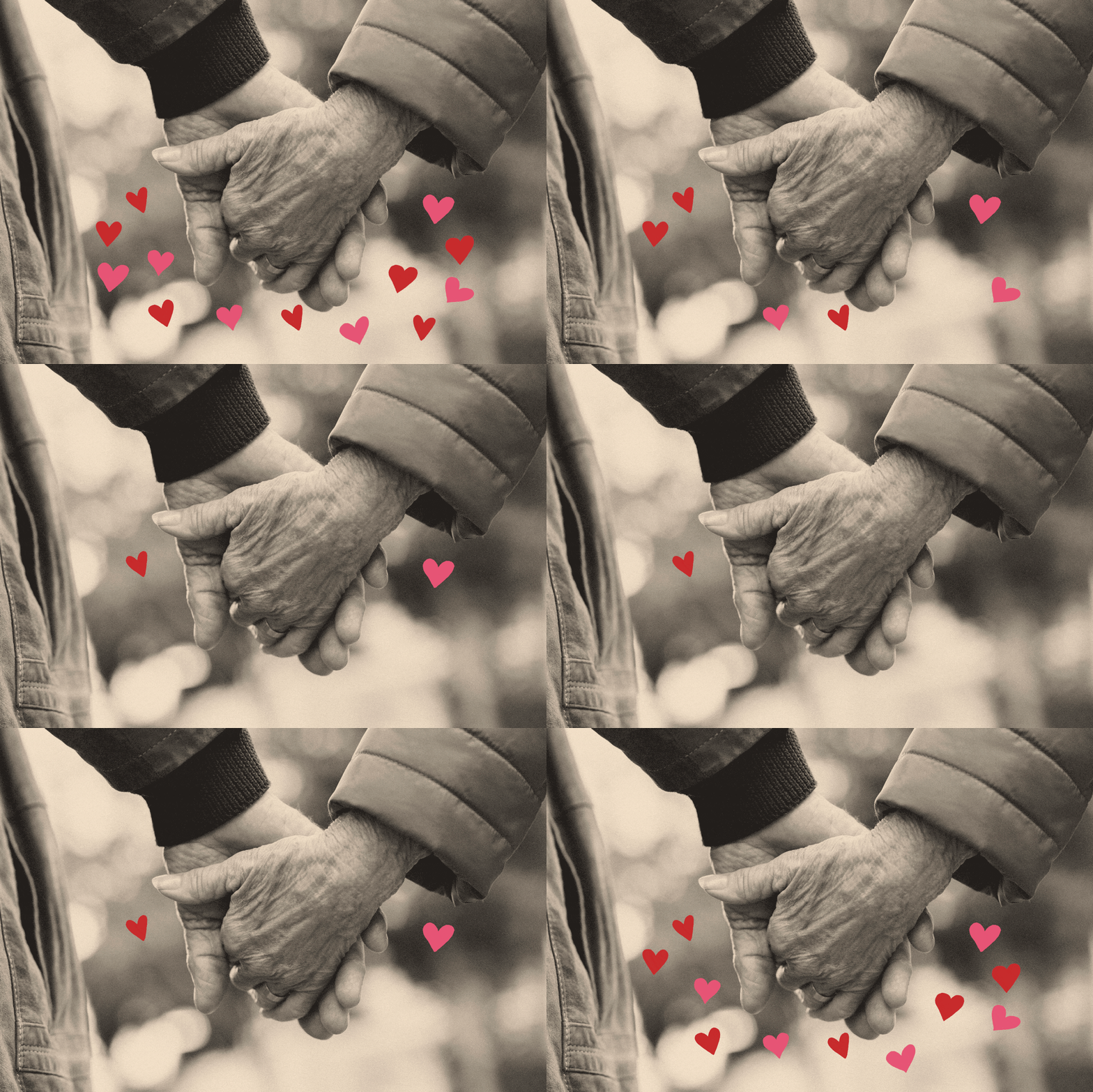
Holding hands with a loved one has remarkable effects on our emotional state, including lowering blood pressure, reducing pain, and buffering stressful experiences. Research suggests that the simple gesture can limit the impact of stress on our autonomic nervous system and calm parts of the brain responsible for vigilance and emotional response. Studies show that holding hands helps the brain offload the work of confronting stress, and it's a fundamental aspect of human connection. The human brain expects access to relationships and interdependence, and feeling alone is perceived as a problem. Our hands play a crucial role in how we explore and understand the world, with high nerve density and the ability to communicate emotions through touch. The pandemic highlighted the deep need for physical touch, and offering a hand to someone who is struggling is a natural and comforting response.
Booths, a supermarket chain in northern England, is removing self-checkout kiosks from the majority of its stores after realizing that customers and executives alike dislike the impersonal and unreliable experience. The chain believes that having human cashiers provides a better customer experience, especially for customers who struggle with loose items and age-restricted purchases. While many businesses have embraced self-checkout for cost savings, Booths values the human touch and personal care they can offer. The move has received mixed responses, with some praising the decision and others preferring the convenience of self-checkout. Booths will remove self-checkout from all but two of its 28 stores.
Scientists from Imperial College London have discovered that hair follicles have touch-sensitive receptors, in addition to nerve endings in the skin. Using RNA sequencing, the researchers found that cells in the outer root sheath of hair follicles had a higher percentage of touch-sensitive receptors. When these cells were mechanically stimulated, sensory nerves were activated, indicating that touch had been registered. The experiments also revealed the release of neurotransmitters serotonin and histamine by the hair follicle cells, potentially opening up new avenues for research into skin diseases such as eczema. The findings shed light on the intricate biological interaction between hair follicle cells and low-threshold mechanoreceptors, raising questions about the specific role of hair follicles in processing light touch.