Scientists have discovered a new early human species, Australopithecus deyiremeda, in Ethiopia's Afar Rift, living around the same time as Lucy, which suggests that human evolution was more complex and involved multiple species coexisting rather than a linear progression.
Fifty years after the discovery of Lucy, a 3.2 million-year-old fossil, scientists have gained extensive insights into her life, death, and the evolution of early humans, revealing her species' adaptability, social behavior, and the challenges faced by our ancestors.
Scientists have discovered a new early human species, Australopithecus deyiremeda, in Ethiopia's Afar Rift, living around the same time as Lucy, challenging the idea of a single dominant ancestor and suggesting a more complex, branching evolution of early humans.
Recent research questions Lucy's status as the direct ancestor of humans, suggesting other species like A. deyiremeda or A. africanus might be closer to our lineage, sparking debate among scientists about human evolutionary origins.
Lucy from Cyberpunk: Edgerunners is joining Guilty Gear Strive as the final Season 4 character on August 21, 2025. A starter guide video details her gameplay, highlighting her strong neutral, high mobility, unique Monowire whip attacks, ability to apply debuffs, and a powerful Overdrive transition, making her a versatile and strategic fighter.
Guilty Gear Strive's producer discussed the upcoming version 2.0 update, set for 2026, which will include new content such as the character Lucy and potentially more characters hinted at in recent teasers, with more details to be revealed soon.
Guilty Gear Strive continues to evolve with the upcoming release of Lucy from Cyberpunk, a new chapter 2.00 announced at Evo 2025 featuring returning characters Robo-Ky and Jam Kuradoberi, and planned balance updates to improve gameplay. The developers are also working on new features like ranked mode and are open to expanding the franchise into different genres in the future.
Lucy from Cyberpunk: Edgerunners joins Guilty Gear Strive as a DLC character, with her story and gameplay reflecting her anime origins, including her hacking abilities and her quest to return home, debuting on August 21.
Arc System Works will release Guilty Gear Strive 2.00 in 2026, featuring new characters teased after EVO 2025, while a special character, Lucy from Cyberpunk: Edgerunners, will be available on August 21st, showcasing impressive animations and cyberpunk-inspired moves.
NASA's Lucy spacecraft will perform its second gravity assist around Earth tonight to gain speed for its 12-year mission to study the Trojan asteroids, which could provide insights into the solar system's origins. The flyby will occur at 11:15 p.m. Eastern Time, with Lucy traveling at over 33,000 mph. Observers in western Africa or eastern South America may catch a glimpse of the spacecraft, while a live feed will be available online. This maneuver will increase Lucy's speed by over 16,000 mph, setting it on course for its next encounter with the asteroid Donaldjohanson in 2025.
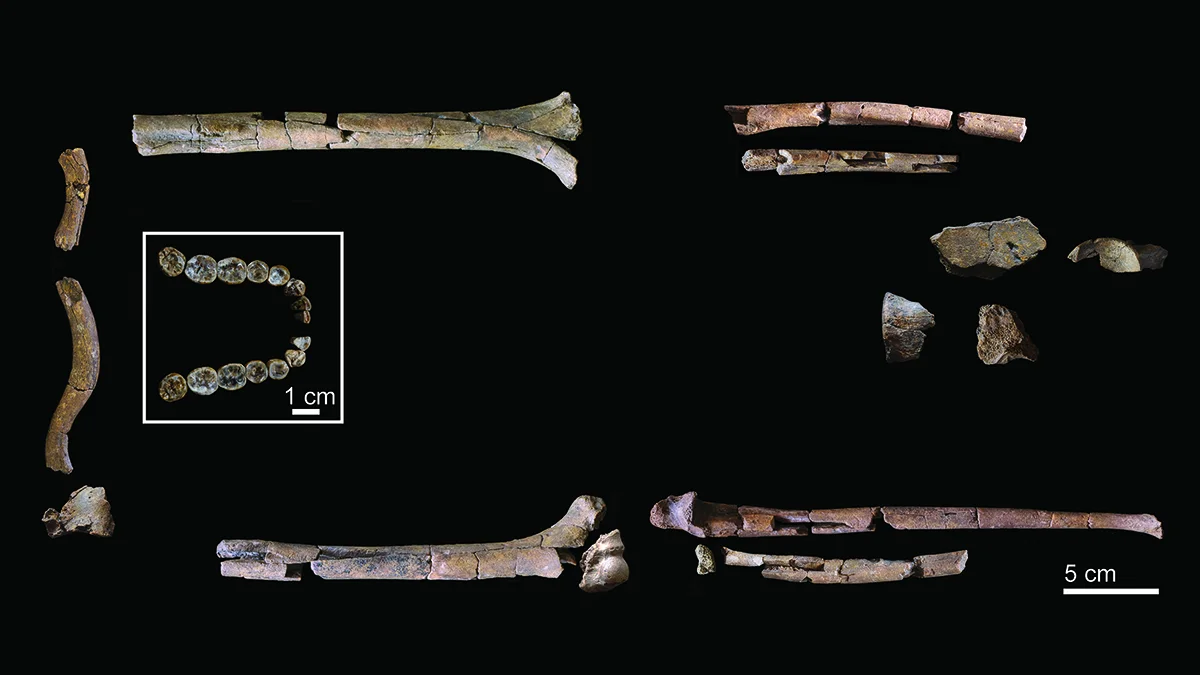
Lucy, a 3.2-million-year-old Australopithecus afarensis fossil discovered in Ethiopia in 1974, became a global icon in human evolution due to her completeness and age, confirming early upright walking in human ancestors. Her fame was propelled by her catchy nickname, the public engagement efforts of her discoverer Donald Johanson, and her role in advancing the study of human origins. Despite newer discoveries, Lucy remains a benchmark in paleoanthropology.
The discovery of Lucy, a 3.18-million-year-old Australopithecus afarensis skeleton found in Ethiopia in 1974, significantly advanced the understanding of human evolution. Lucy's remains, which are about 40% complete, revealed that human ancestors existed over three million years ago and provided a framework for interpreting other fossil finds. While initially considered a direct ancestor, newer discoveries suggest Lucy might be more of a distant relative. Ongoing research continues to explore her life and the broader implications for human ancestry.
A leading Ethiopian fossil expert calls for the decolonization of paleoanthropology, fifty years after the discovery of the famous fossil Lucy. The expert emphasizes the importance of amplifying local scholars' voices in the field to combat misinformation and promote fact-based research. This call to action is part of a broader effort to ensure that the contributions and perspectives of scholars from regions where significant discoveries are made are recognized and valued.
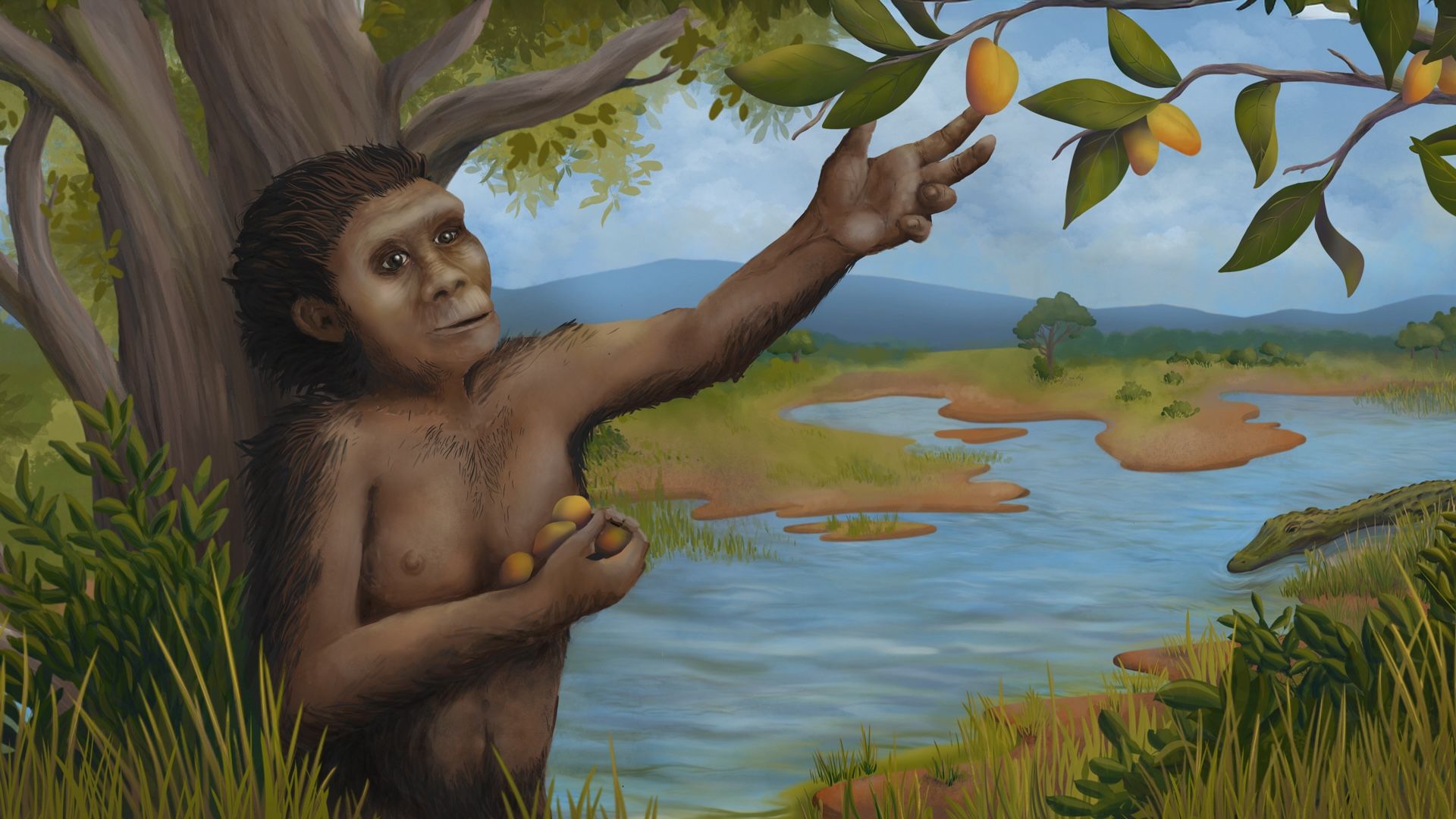
The discovery of the 3.2 million-year-old Australopithecus afarensis fossil, known as "Lucy," revolutionized our understanding of human evolution. However, recent findings suggest that Lucy's species coexisted with at least four other proto-human species in Africa during the middle Pliocene epoch. These include Australopithecus bahrelghazali, Australopithecus deyiremeda, and Kenyanthropus platyops, each with distinct anatomical features. While evidence of interbreeding among these species is limited, ongoing research aims to uncover more about their interactions and evolutionary relationships.
The discovery of "Lucy," an Australopithecus afarensis fossil found in Ethiopia in 1974, revolutionized the understanding of human evolution by showing that bipedalism preceded the development of large brains. Lucy's remains, dated to 3.2 million years ago, demonstrated that early human ancestors walked upright, challenging previous beliefs that large brains evolved first. Her discovery has significantly influenced paleoanthropological research and remains a cornerstone in the study of human origins.