Oklo, a nuclear startup valued over $15 billion with no revenues yet, reported a larger-than-expected Q3 loss but announced significant progress on major projects, including a DOE-approved facility and a prototype reactor expected by July 2026. Its shares surged, driven by optimism about nuclear energy's role in powering data centers and government backing, making it a standout performer among nuclear stocks. Meanwhile, retail investors are shifting focus from meme stocks to gold, with increased trading activity in gold ETFs.

Yorkshire's gaming industry is experiencing significant growth, driven by major studios like Rockstar Leeds and a vibrant local scene, with government initiatives supporting the sector's expansion and efforts to retain talent in the region.
IonQ stock experienced volatility after a surge linked to a major investment announcement, but renewed interest was sparked by potential government involvement in quantum technology, positioning IonQ as a leading candidate to benefit from increased federal support, according to top investor insights. However, the investment remains speculative due to inherent risks and uncertain government actions.
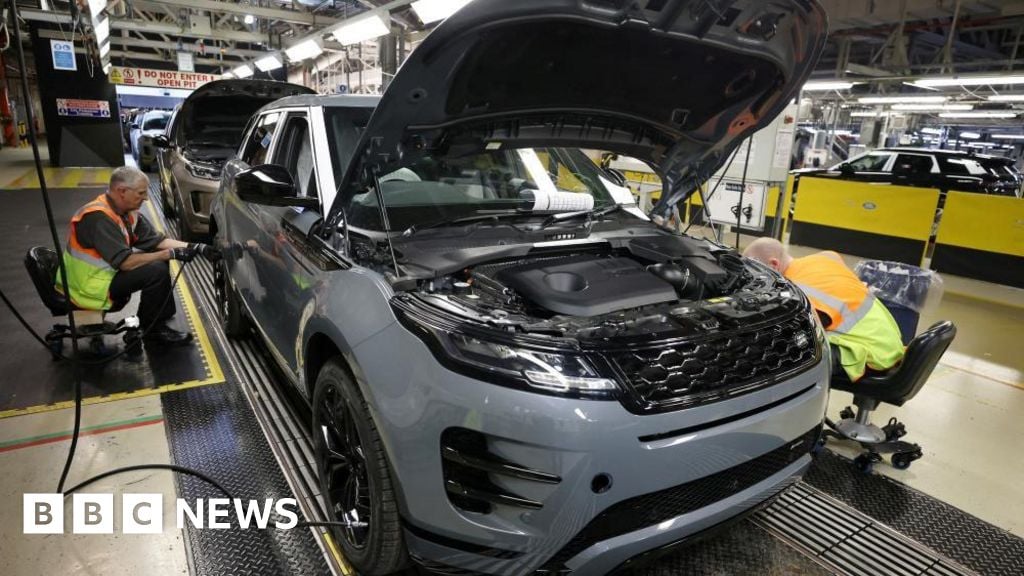
A UK MP suggests that additional government aid may be necessary for Jaguar Land Rover and its supply chain following a cyber-attack that halted production and threatened suppliers, with discussions ongoing about further financial support and the need for improved cybersecurity measures.
The UK government is considering financial support options for Jaguar Land Rover's supply chain firms affected by a cyber attack that halted production, including purchasing parts or providing loans, to prevent supplier bankruptcies while JLR's factories remain shut.
The US legislation known as the 'One Big Beautiful Bill' signed by President Trump reduces government support for electric vehicles, creating uncertainty for the auto industry, but experts offer advice for EV buyers navigating this challenging environment.
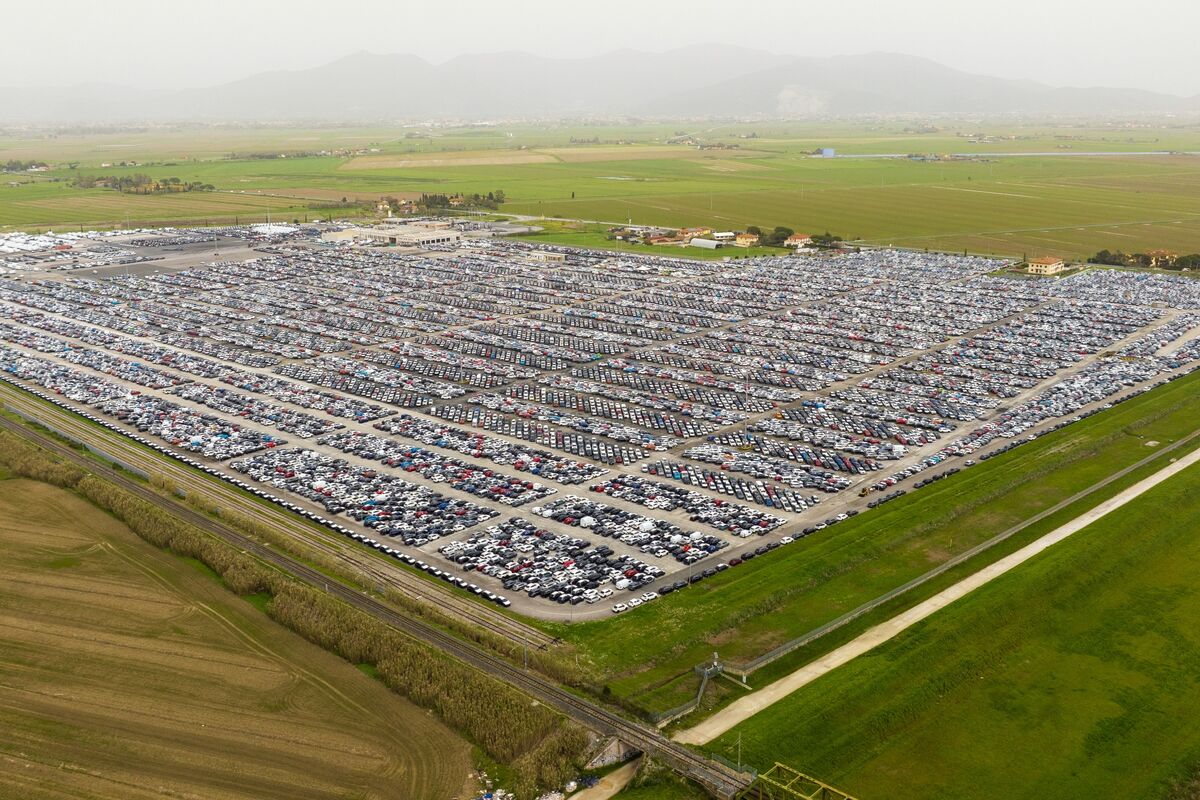
Declining electric vehicle sales in Europe indicate the market's inability to sustain itself, prompting the need for continued government support until affordable EVs are viable. The surplus of EVs is causing logistical issues and production cuts, posing a threat to the region's climate goals and potentially leading to further job cuts in the industry.
BHP, the world's largest mining company, has expressed doubts about the Australian government's support being enough to save the country's struggling nickel industry. Despite the government's efforts to aid the industry, BHP believes that additional measures may be necessary to ensure the sustainability of nickel mining in Australia.
IMF managing director Kristalina Georgieva warned European governments against giving in to the demands of protesting farmers for greater financial support, cautioning that it could lead to regret in the future. She emphasized the importance of fiscal consolidation and rebuilding fiscal buffers depleted by the Covid-19 pandemic, urging governments to assess the quality of existing public spending and close tax loopholes.
China's consumer prices have experienced their longest period of decline since 2009, with the consumer price index slipping 0.3% in December and factory-gate costs dropping 2.7% due to lower commodity prices and weak demand. This deflationary trend, coupled with the first annual decline in exports in seven years, is putting pressure on the People's Bank of China (PBOC) to provide more government support to reverse the trend.
China's property market is in need of more government support to prevent further deterioration, as existing home prices fell in October by the most since 2014 and outstanding property loans fell for the first time in history. The government's focus on boosting demand has not addressed the credit risk related to developers, which could lead to a self-fulfilled confidence crisis. Real estate and related sectors currently account for about 22% of China's GDP. Recent data suggests that the property sector troubles are worsening, with larger cities experiencing declines in home prices. Policymakers have signaled more support, including allowing lending to real estate developers and emphasizing the development of affordable housing. However, more support is still needed to boost private sentiment.
Up to 3.2 million children in the U.S. could lose access to child care as federal funding of $24 billion expires this week, leading to potential closures of up to 70,000 child care centers nationwide. The "child care cliff" would have far-reaching consequences, forcing many parents to reduce their working hours or quit their jobs, resulting in an estimated loss of $9 billion in earnings per year. Women, who make up a significant portion of the workforce, would be disproportionately affected. The closure of child care programs would also lead to the loss of 232,000 child care positions and increased costs for parents. While some politicians have introduced legislation to provide funding, it faces challenges without Republican support, and the child care system in the U.S. requires a comprehensive overhaul involving both government and private sector support.
More than half of Americans turning 65 will require some form of long-term care, but the rising costs of personal care make it unaffordable for many. Medicare only covers short-term services, and Medicaid is limited to qualifying individuals, leaving those ineligible to rely on out-of-pocket payments or support from family members. Long-term care insurance, which is a niche market, is not widely adopted due to its complexity and cost. The increasing expenses of long-term care services, driven by inflation and staffing shortages, have led to insurers exiting the market. Low-income older adults face higher premium costs and are more likely to need long-term support, but they may not qualify for government services. The financial burden of long-term care falls heavily on individuals and their families, with out-of-pocket costs projected to be significant. Advocates call for a reevaluation of government involvement and the implementation of multi-sectoral strategies to address the issue. Some states, like Washington, have introduced their own long-term care services, offering potential solutions for residents.
Canada has released a framework to phase out inefficient fossil fuel subsidies, becoming the first G20 country to fulfill a 2009 commitment. While the framework is seen as a positive step, critics argue that it falls short by allowing government support for oil and gas projects that aim to reduce emissions through technologies like carbon capture and storage (CCS). The framework applies to existing tax and non-tax measures but does not cancel ongoing subsidy agreements. Fossil fuel activities will be exempt if they fall into specific categories, such as enabling significant emissions reductions or supporting clean energy. The move is part of a deal between Prime Minister Justin Trudeau's Liberal Party and the New Democratic Party. However, critics argue that the framework does not meet the urgency of the climate crisis and fails to address public financing of fossil fuel projects.
Chinese property giant Country Garden, one of the country's largest developers, experienced a sharp fall in shares and bonds as it moved to refinance part of a 2019 loan facility. The company's troubles add to the pressure for Beijing to provide additional support to the struggling property sector, which has been on a downward trend accelerated by the COVID pandemic. The sector is facing $12.8 billion of dollar-denominated bond repayments before the end of the year, and analysts estimate that another $9 billion of defaults may occur. Country Garden, with over $40 billion of debt, is likely to require government assistance.