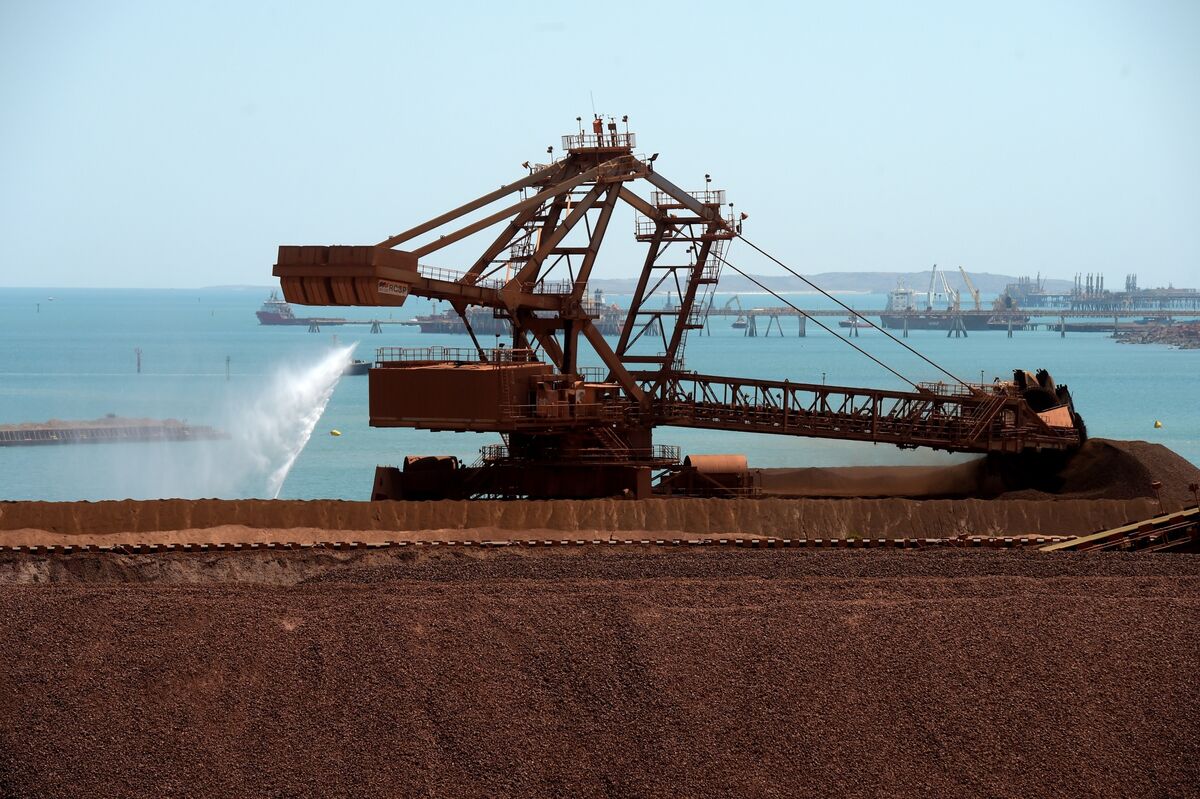
China has ordered its state-run iron ore buyer to halt new purchases of BHP cargoes, escalating a pricing dispute and signaling China's increased influence over global iron ore markets amid moderating steel demand and new supply sources.
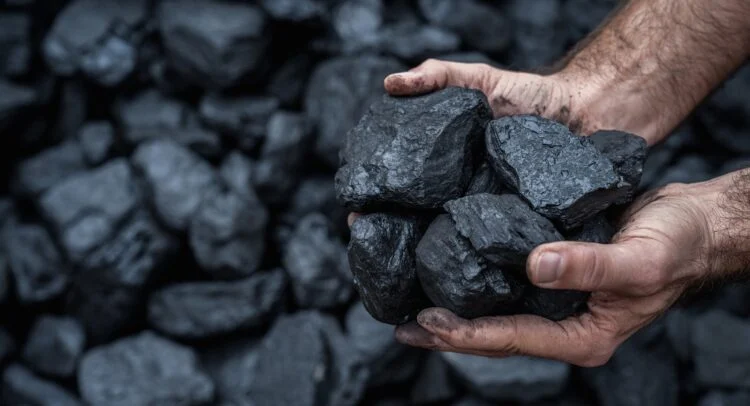
The Trump administration is preparing a plan to increase coal production, involving companies like TECK, BHP, and CLE, as part of its broader energy and economic policies.
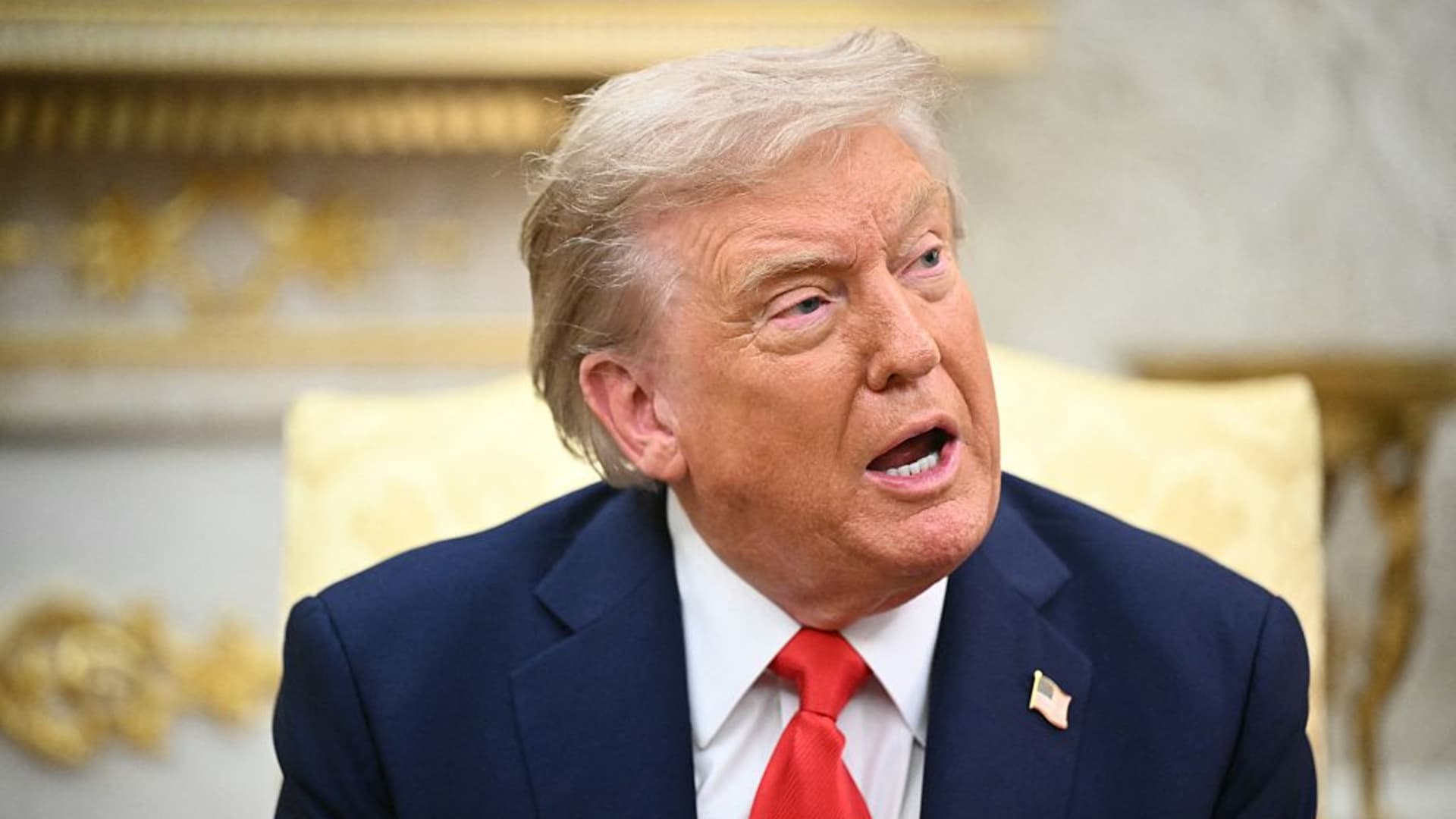
U.S. President Donald Trump criticized a court decision that temporarily blocks the land transfer for the Resolution Copper mine in Arizona, a project vital for domestic copper supply and economic growth, amid legal challenges from Native American tribes and environmental groups. The project, owned by Rio Tinto and BHP, faces delays despite its potential to significantly boost U.S. copper production and meet rising global demand, especially as copper is crucial for renewable energy and technology infrastructure.
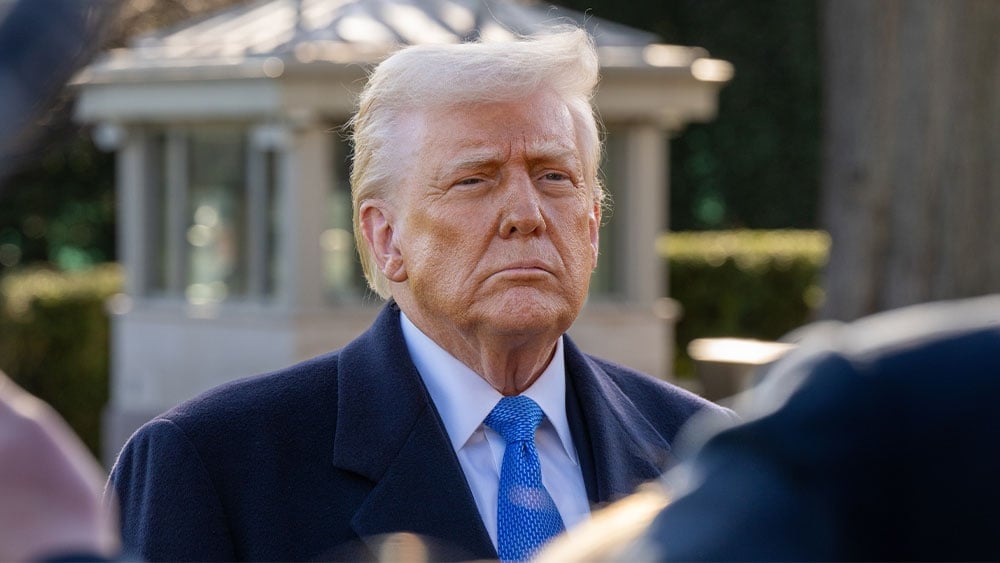
Copper prices plummeted after President Trump announced tariffs on copper imports, leading to significant declines in mining stocks like Rio Tinto and BHP, with futures dropping 20% and ETFs tracking copper futures falling nearly 20%.
BHP's failed attempt to acquire Anglo American's copper operations highlights the growing scarcity of copper. Despite record-high prices and increasing demand driven by energy transitions, AI development, and defense spending, new copper supply investments remain weak. The market is currently in surplus, but future deficits are expected due to declining ore grades and regulatory challenges. Miners are hesitant to invest heavily in new mines, preferring acquisitions to grow revenue.
The $49.2 billion acquisition deal between BHP and Anglo American is at risk after Anglo denied BHP's request for a deadline extension, citing concerns over the complex structure of the proposal. Analysts suggest the deal may be cancelled, and BHP must wait six months before making another bid. The acquisition aimed to boost BHP's copper production, but disagreements over the spinoff of South African assets and compensation for shareholders remain unresolved.
BHP's $49.2-billion acquisition attempt of Anglo American has failed after five weeks of negotiations due to the complex nature of the deal, particularly concerning Anglo's South African assets. Despite multiple bids and an extension, Anglo's board remained unconvinced, and regulatory and socio-economic issues in South Africa further complicated the transaction. BHP is now barred from making another bid for six months unless a competing offer emerges.
BHP Group has abandoned its $49 billion bid to acquire Anglo American after the latter rejected a request for more time to finalize the deal. The proposed acquisition faced significant hurdles, including the need to unbundle Anglo's South African platinum and iron ore businesses, which contributed to its collapse. Anglo's shareholders and regulatory risks in South Africa were major concerns. BHP cannot make another offer for at least six months under UK rules.
Mining giant BHP has withdrawn from its £38.6bn takeover bid for rival Anglo American after failing to reach an agreement on regulatory risks and costs in South Africa. Despite multiple offers and negotiations, Anglo American rejected BHP's proposals, citing concerns over the deal's structure and its impact on South African operations. Anglo American plans to focus on its core assets, including copper, premium iron ore, and crop nutrients, while BHP expressed disappointment over the failed merger.
BHP Group has abandoned its bid to take over Anglo American after the latter rejected an extension for takeover talks. BHP CEO Mike Henry cited disagreements over South African regulatory risks and the inability to access key information from Anglo American as reasons for the decision. Despite BHP's proposal being valued at £38.6 billion and including socioeconomic measures, Anglo American's board unanimously concluded there was no basis for further extension. This move ends BHP's effort to create a major copper mining entity amid rising demand for the metal.
BHP, the world's largest mining company, has expressed doubts about the Australian government's support being enough to save the country's struggling nickel industry. Despite the government's efforts to aid the industry, BHP believes that additional measures may be necessary to ensure the sustainability of nickel mining in Australia.
BHP and Vale have been ordered to pay $9.7 billion in a legal settlement over the 2015 Brazilian dam collapse, which resulted in one of the country's worst environmental disasters. The collapse released a wave of mining waste that killed 19 people and polluted hundreds of miles of rivers. The settlement is one of the largest ever in Brazil and is intended to compensate for social, environmental, and economic damage.
Mining company BHP expects a surge in Indian steelmaking to drive its coal business, as the country's steel industry expands and demands more raw materials. BHP is optimistic about the long-term prospects of the coal market, particularly in India, and plans to capitalize on this growth by increasing its coal production.