China has lifted export controls on Nexperia chips used in car manufacturing, easing supply chain concerns amid previous restrictions linked to Dutch ownership and Chinese export bans, which threatened global auto industry supply chains.

Porsche's operating profit plummeted 99% in the first nine months of 2025 due to market challenges, tariffs, and strategic product realignment. The current gas-powered Macan will end production in mid-2026, with a new hybrid and electric model planned. Despite financial struggles, Porsche maintains strong cash flow and is adjusting pricing strategies to offset tariff impacts.
The UK government is considering financial support options for Jaguar Land Rover's supply chain firms affected by a cyber attack that halted production, including purchasing parts or providing loans, to prevent supplier bankruptcies while JLR's factories remain shut.
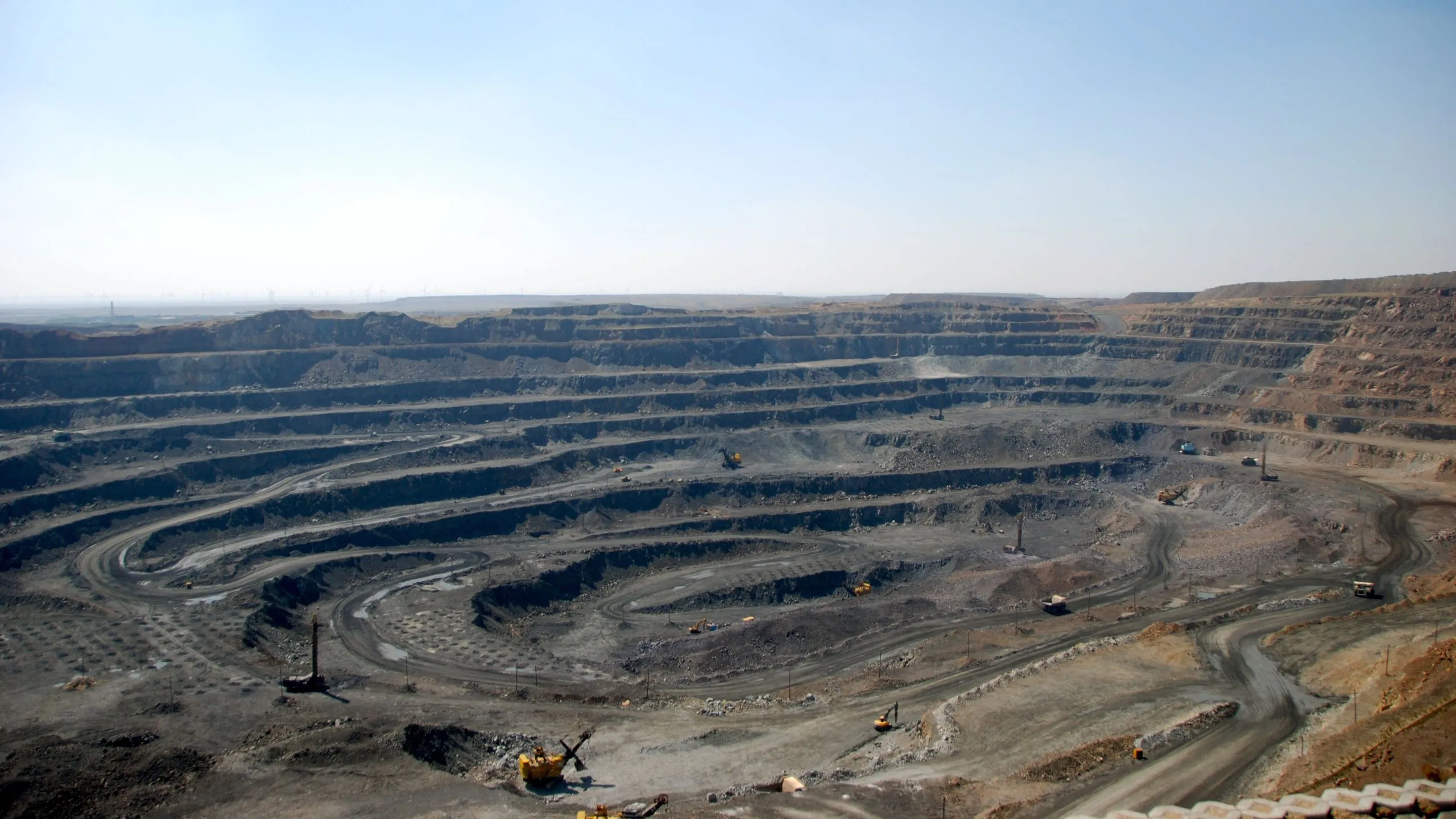
The upcoming car production crisis may be triggered by a shortage of magnets, crucial for manufacturing, due to export restrictions from China on rare-earth minerals. Automakers and suppliers warn that unresolved trade issues could lead to significant disruptions, including reduced production or shutdowns, as most of these materials are sourced from China, with limited alternatives available. The situation remains unresolved, raising concerns about future automotive supply chain stability.
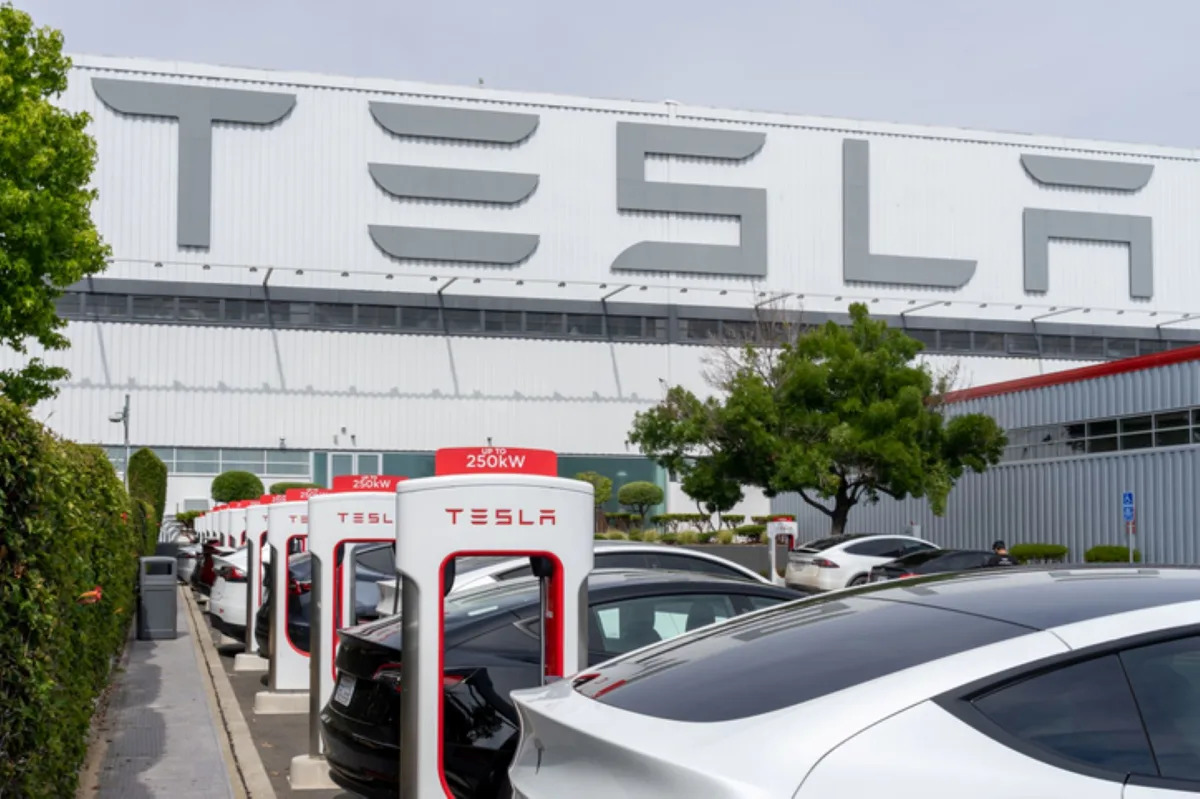
Tesla is exploring the use of "gigapresses," large clamping devices that can die-cast the entire underbody of a car in one piece, in an effort to simplify and cut production costs. While this method has the potential to revolutionize car manufacturing, it also presents challenges such as fixing design flaws and adapting to different vehicle types. Despite Tesla's history of flaws, the company's track record for customer satisfaction and profitability may give it an advantage in implementing this new design process.