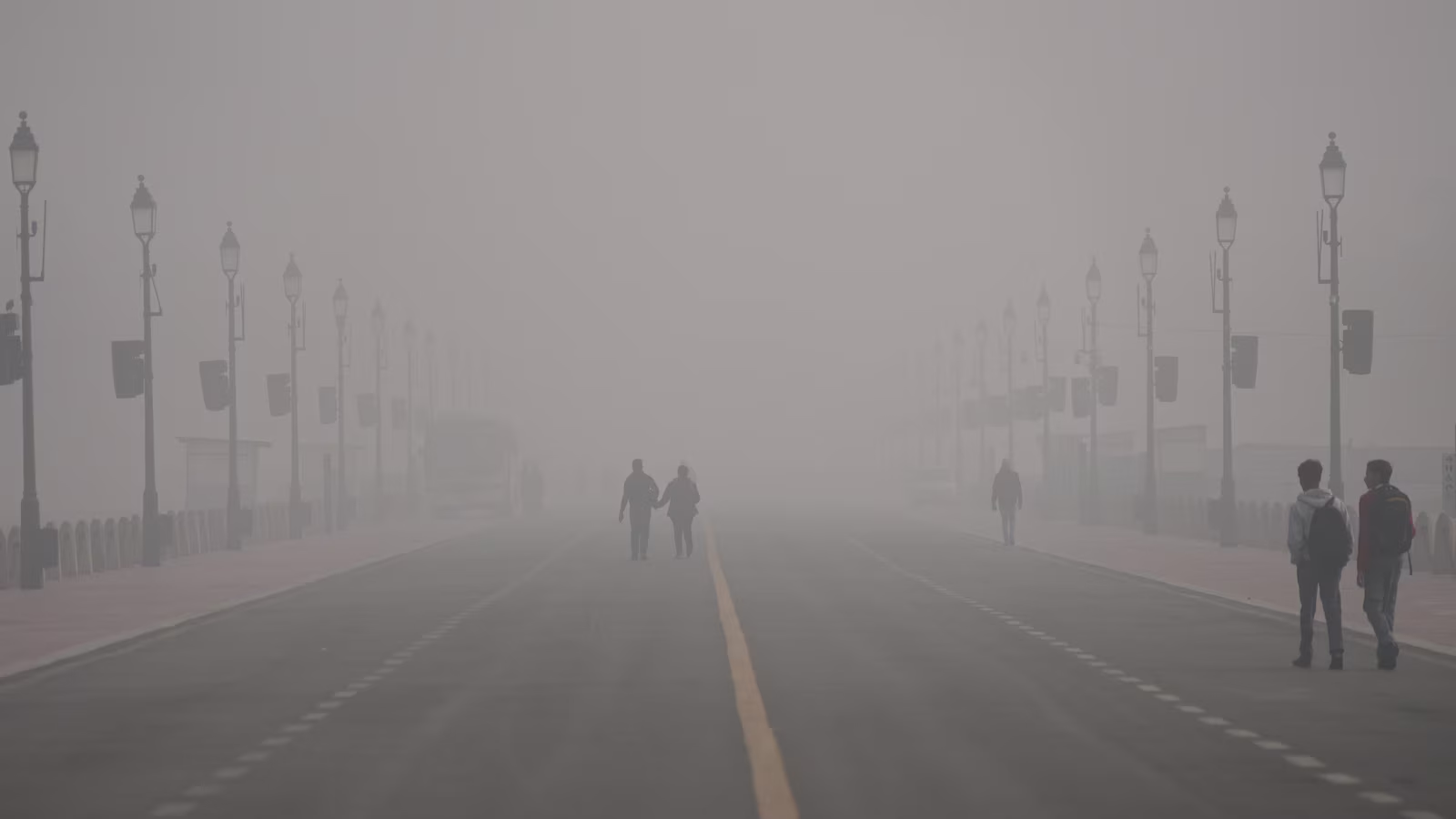
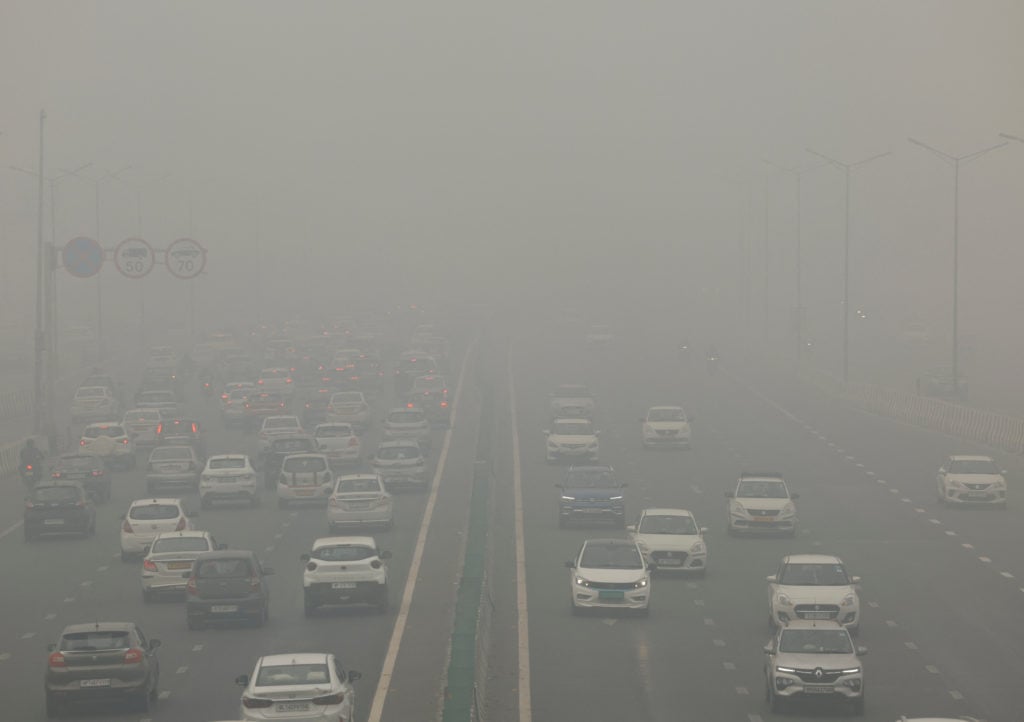
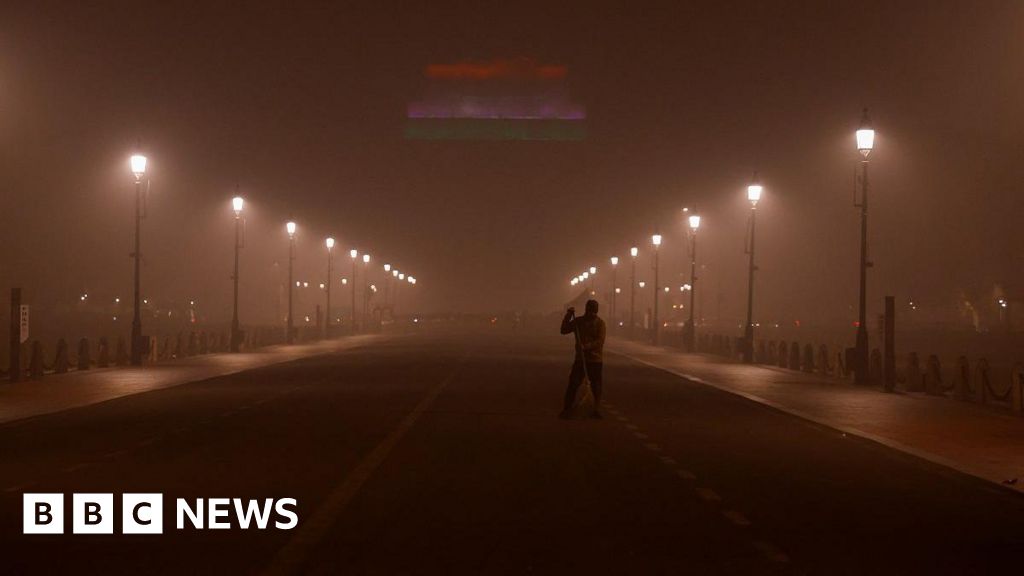
Dense toxic smog has severely impacted New Delhi, causing travel disruptions, health issues, and prompting strict containment measures, while environmentalists call for long-term solutions to the persistent pollution crisis.
New Delhi is experiencing severe air pollution, with levels 50 times higher than the WHO's safe limit, prompting authorities to close schools, halt construction, and ban non-essential trucks. The pollution, exacerbated by crop burning and industrial emissions, has led to hazardous air quality, causing health issues among residents and sparking public outrage. Authorities have implemented stage 4 of a graded response action plan, but critics call for long-term solutions to address the recurring crisis.
Delhi's air pollution has reached 'severe plus' levels, with AQI readings hitting 1,500, far exceeding the WHO's safe breathing threshold. The toxic smog has led to school closures, flight disruptions, and a ban on construction work. Authorities have also restricted non-essential truck entry and urged remote work for 50% of office staff. The crisis, exacerbated by stubble burning in neighboring states, has sparked political blame between the AAP and BJP, while residents suffer from hazardous air quality.
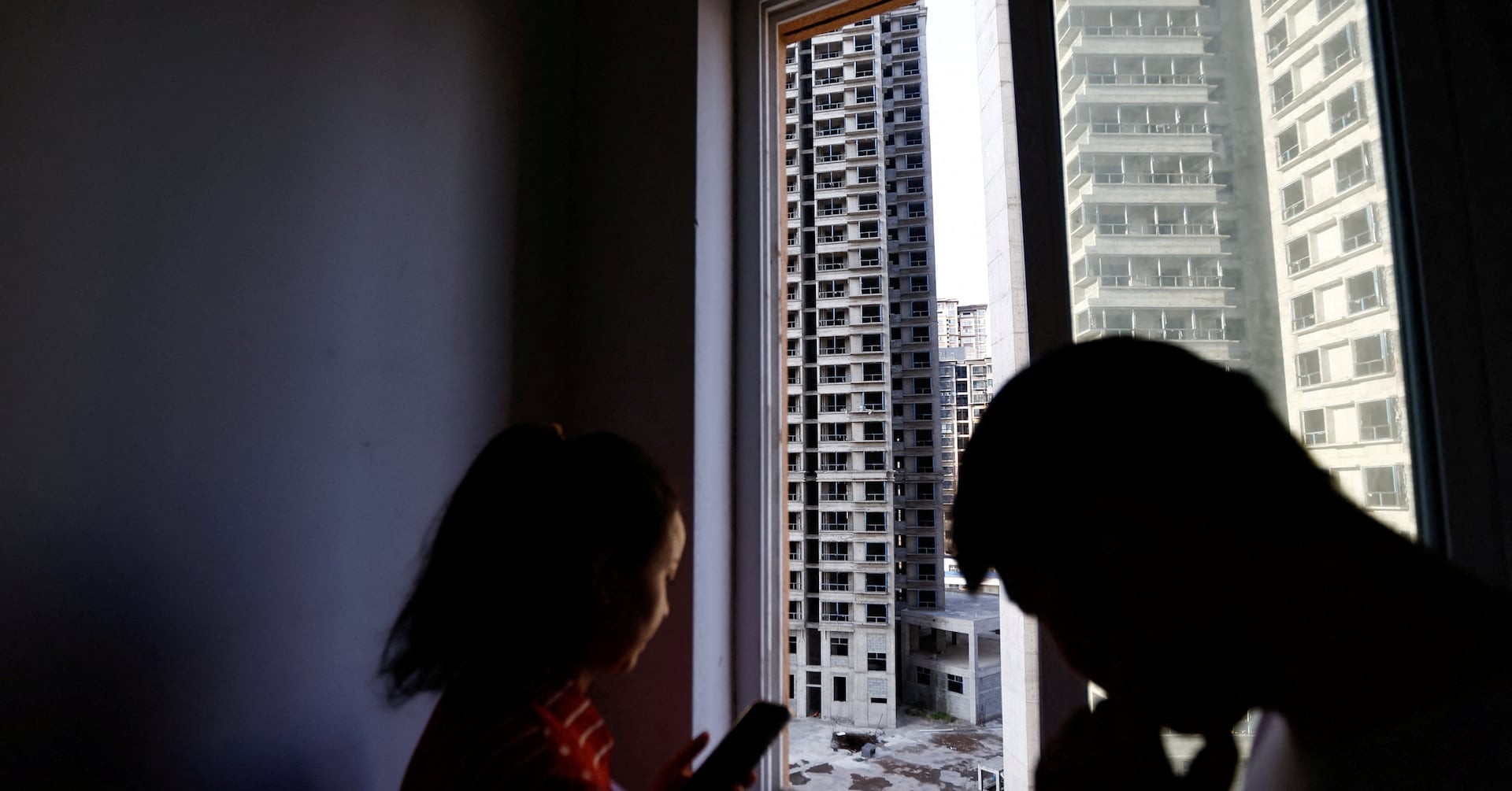
China's new home prices continued to decline for an eighth consecutive month in February, with prices falling 0.3% month-on-month and 1.4% year-on-year, despite government measures to support the property market. The ongoing price declines are attributed to a slow season and disruptions caused by the Lunar New Year break. Analysts expect demand, home buyers' income, and confidence to take time to recover, and further supportive policies may be needed to stabilize the property sector. Premier Li Qiang has vowed to stabilize the property sector with targeted measures and financing for "justified" projects.
Japan's birthrate has hit a record low, with 758,631 babies born in 2023, marking an 8th consecutive year of decline. The number of marriages also fell below half a million for the first time in 90 years. Younger Japanese are discouraged by job prospects, high living costs, and corporate cultures incompatible with parenting, leading to reluctance in starting families. Government officials warn of a "critical state" and propose measures, but experts doubt their effectiveness. Japan's population decline has significant implications for the economy and national security.
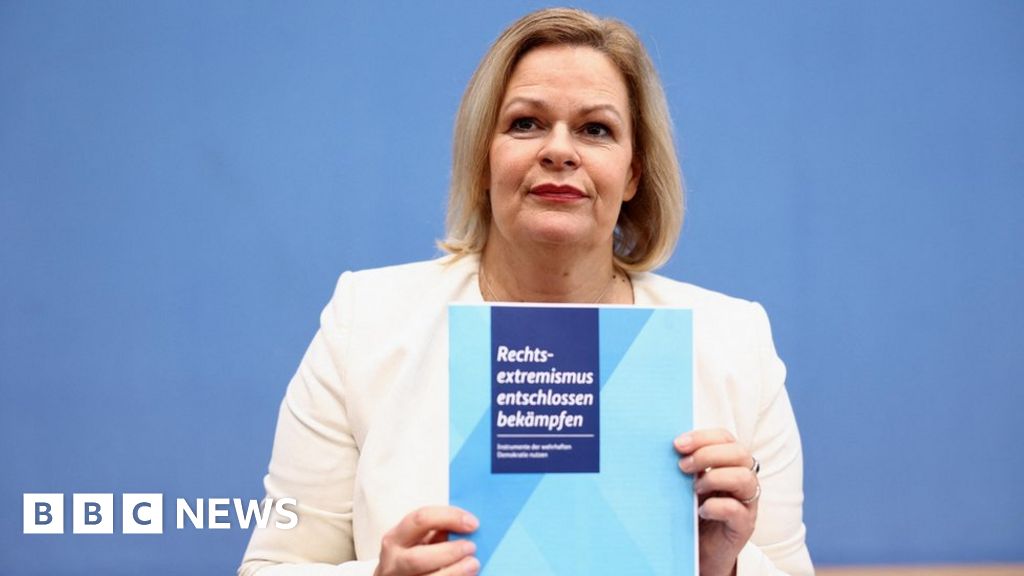
The German government has unveiled a package of legal measures to combat right-wing extremism following mass demonstrations against the far-right. The 13-point plan includes freezing bank accounts, cutting funding for extremists, tightening gun laws, and dismissing state employees found guilty of extremism. With around 20,000 far-right crimes and attacks registered annually, the government aims to break up right-wing extremist networks and prevent their growth. Despite ongoing protests, the far-right Alternative for Germany (AfD) party continues to perform well in polls, raising concerns about its potential success in upcoming regional elections.
France's two major farmers unions have decided to lift country-wide blockades after the prime minister introduced new measures aimed at protecting their livelihoods, including tens of millions of euros in aid, tax breaks, and a promise not to ban pesticides in France that are allowed elsewhere in Europe. The unions will closely monitor the government's implementation of these promises, and thousands of French farmers have been demonstrating for weeks over low earnings, heavy regulation, and unfair competition from abroad. The government also announced a 2 billion euro package to make loans for those setting up as farmers and doubled the number of controls to sanction food industrial groups and supermarkets that don't comply with a 2018 law meant to pay a fair price to farmers.
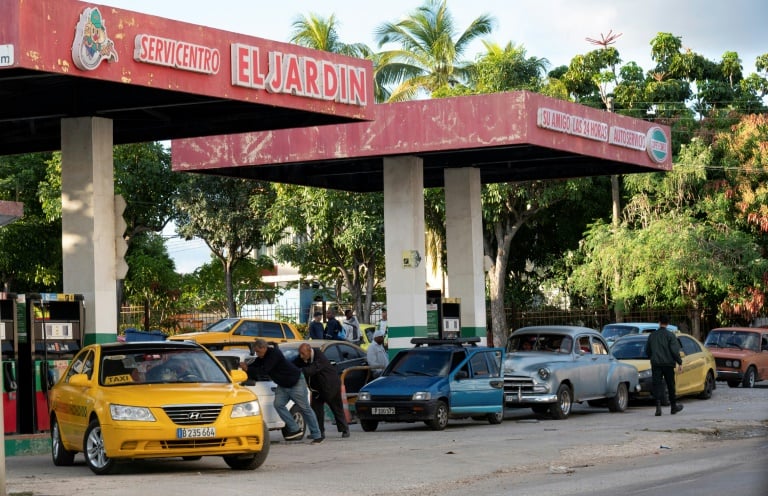
Cuba's government has postponed a planned 500 percent increase in fuel prices due to a "cybersecurity incident" caused by a foreign virus, as the nation grapples with its worst economic crisis in decades. The delay comes amid a series of measures aimed at reducing the budget deficit, including a 25 percent increase in electricity prices scheduled for March 1. The Cuban economy shrank by two percent in 2023, with inflation reaching 30 percent, and the government is facing challenges in providing basic services and goods to its citizens.
After a horrific rape case involving two young girls in Naples, Father Maurizio Patriciello, a pastor in the area, has praised the government's efforts to combat youth crime but expressed concern over the lack of restrictions on minors' access to pornography. The alleged rapes, carried out by a group of teenage boys, have sparked public outrage and demands for action. While the government introduced measures to address youth crime, including investments in urban improvements and stricter punishments, restrictions on access to pornographic sites for minors were not included in the final draft of the law. Patriciello emphasized the need for comprehensive solutions and support for children in vulnerable situations.
The Chinese government has outlined a series of measures aimed at stimulating consumer spending, including subsidies for trading in older cars, home renovation materials, and reduced entrance fees at tourist sites. The government did not specify how much national government spending would be allocated to support these measures, potentially burdening local budgets. Economists have expressed skepticism about the effectiveness of these policies, while consumer confidence remains low due to factors such as falling real estate prices and high youth unemployment. China's approach differs from Western countries by focusing on incentivizing the purchase of domestically produced goods and services rather than direct cash assistance.