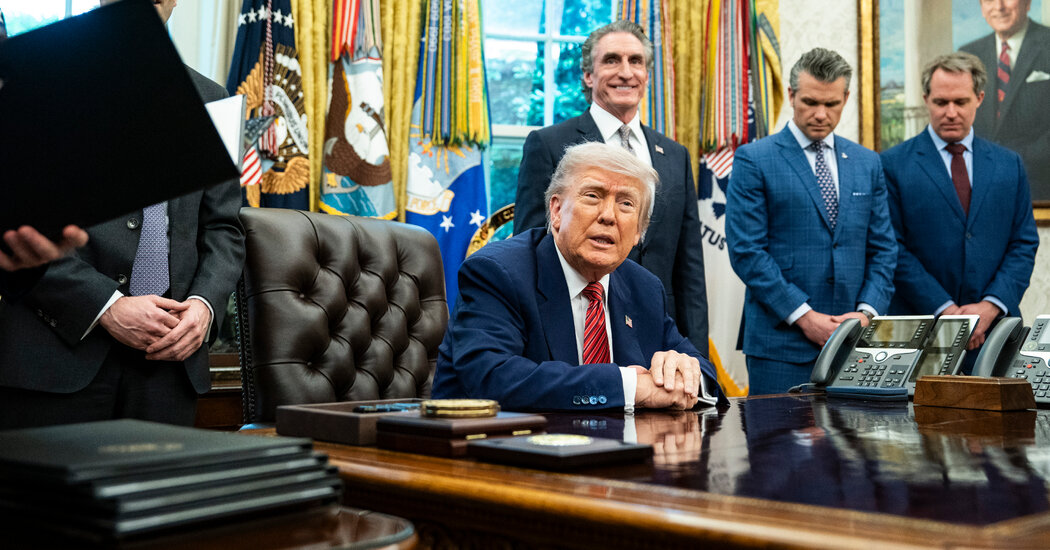
The Trump administration is considering selling shares of Fannie Mae and Freddie Mac on the stock market to reduce government control, potentially raising billions and allowing private investment, while discussions about maintaining government oversight continue.
Russia is implementing a comprehensive and long-term strategy to control and isolate its internet from the global network, including blocking websites, restricting access, monitoring online activity, and promoting domestic alternatives, raising concerns about digital freedom and censorship.
The U.S. government is considering the use of 'golden shares' to exert greater control over strategic companies like U.S. Steel, marking a significant shift in government involvement in American industry beyond traditional security reviews.
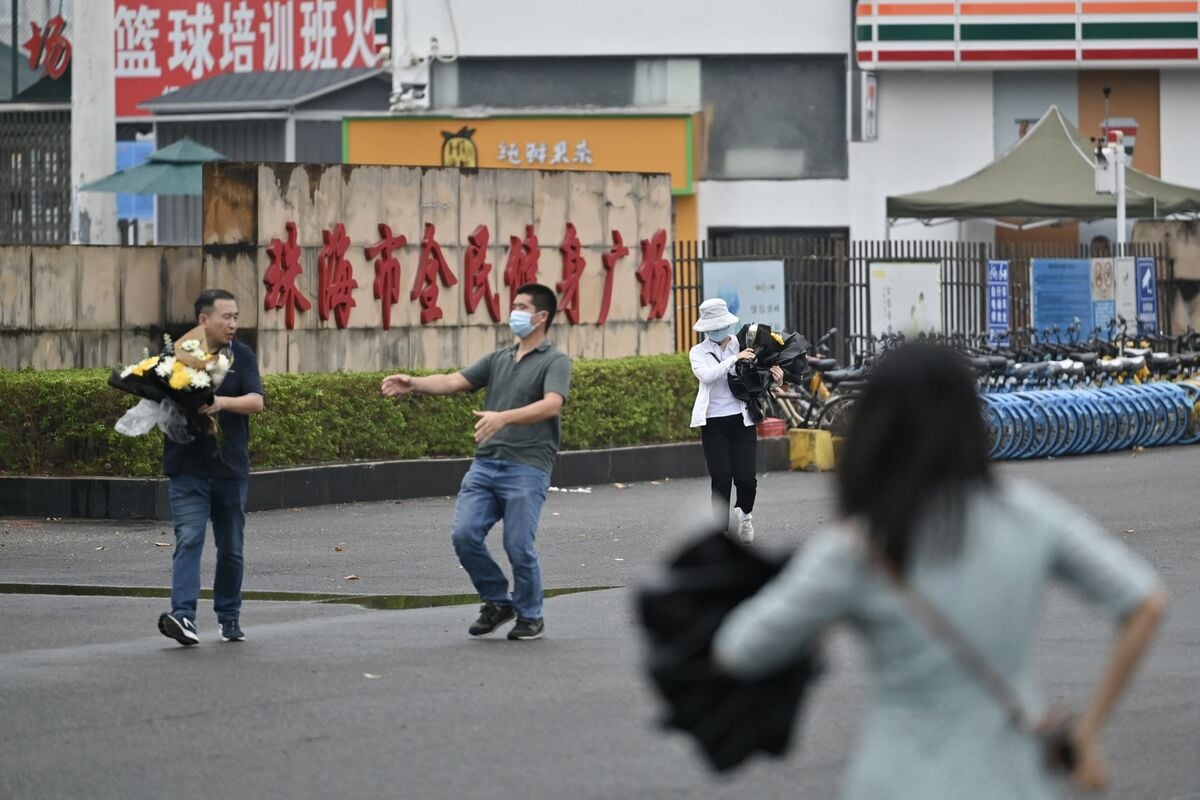
In the aftermath of a deadly car attack in Zhuhai, China, where 35 people were killed, authorities are actively removing memorials and signs of mourning to suppress public expression and maintain control. This incident highlights the Chinese government's efforts to tighten its grip on society and manage the narrative around acts of violence.
The UK plans to ban foreign governments from owning newspapers and magazines in the country, citing concerns over overseas influence on traditional media and social platforms. The decision comes amid worries about a proposed takeover of The Telegraph and The Spectator by a United Arab Emirates-linked firm. This move reflects a global trend, with more governments considering similar bans on foreign firms operating media operations within their borders. Critics argue that such regulations can be abused by authoritarian leaders to stifle independent journalism and that Western democracies' efforts to control media ownership reveal concerns about weakening democratic systems in the face of misinformation and foreign interference.
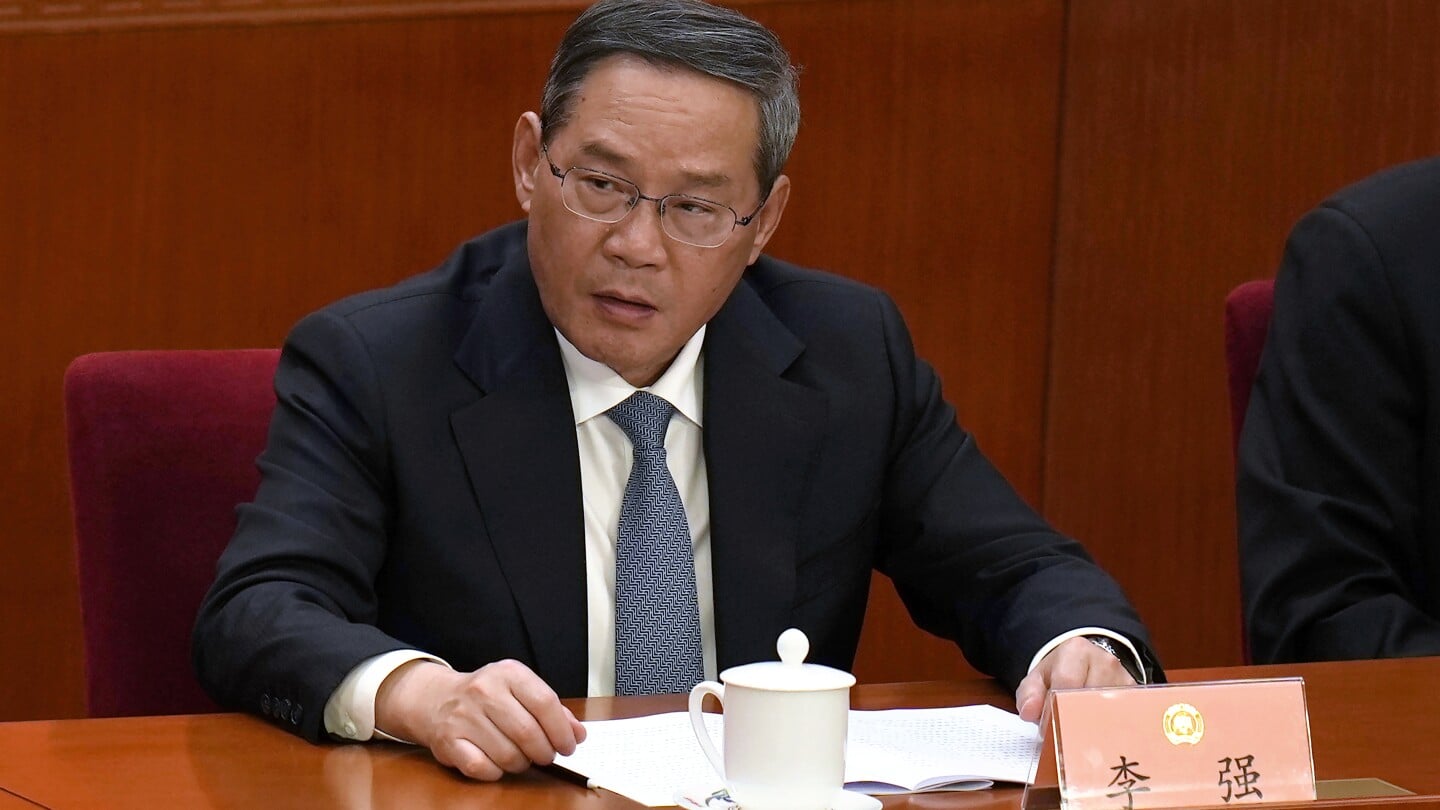
China's government has announced the elimination of the annual news conference by Premier Li Qiang, a rare opportunity for journalists to question top Chinese leaders, signaling a diminishing of the premier's power and government bureaucracy as the Communist Party centralizes control. The move comes ahead of the opening of the National People's Congress, where the government is expected to reveal its economic growth target for 2024. The spokesperson reassured that China remains open to foreign business and investment, rejecting concerns about recent changes to national security laws and expressing confidence in overcoming technology access restrictions. Additionally, the spokesperson declined to comment on the U.S. presidential election's impact on China's relations with the United States and criticized American lawmakers' actions regarding Taiwan. Military spending growth is expected to be revealed at the congress, with analysts anticipating a 6-7% increase reflecting China's concern about its international environment and prioritizing military modernization alongside economic goals.
Former President Donald Trump pledged to prevent the creation of a U.S. central bank digital currency (CBDC) if reelected, citing it as a threat to freedom and government control over individuals' money. This marks a shift from his previous skepticism towards cryptocurrencies as he seeks to attract pro-crypto voters, and aligns with the views of other Republican candidates, including Florida Governor Ron DeSantis, who has pledged to "end Biden's war on Bitcoin" and banned CBDCs in the state.
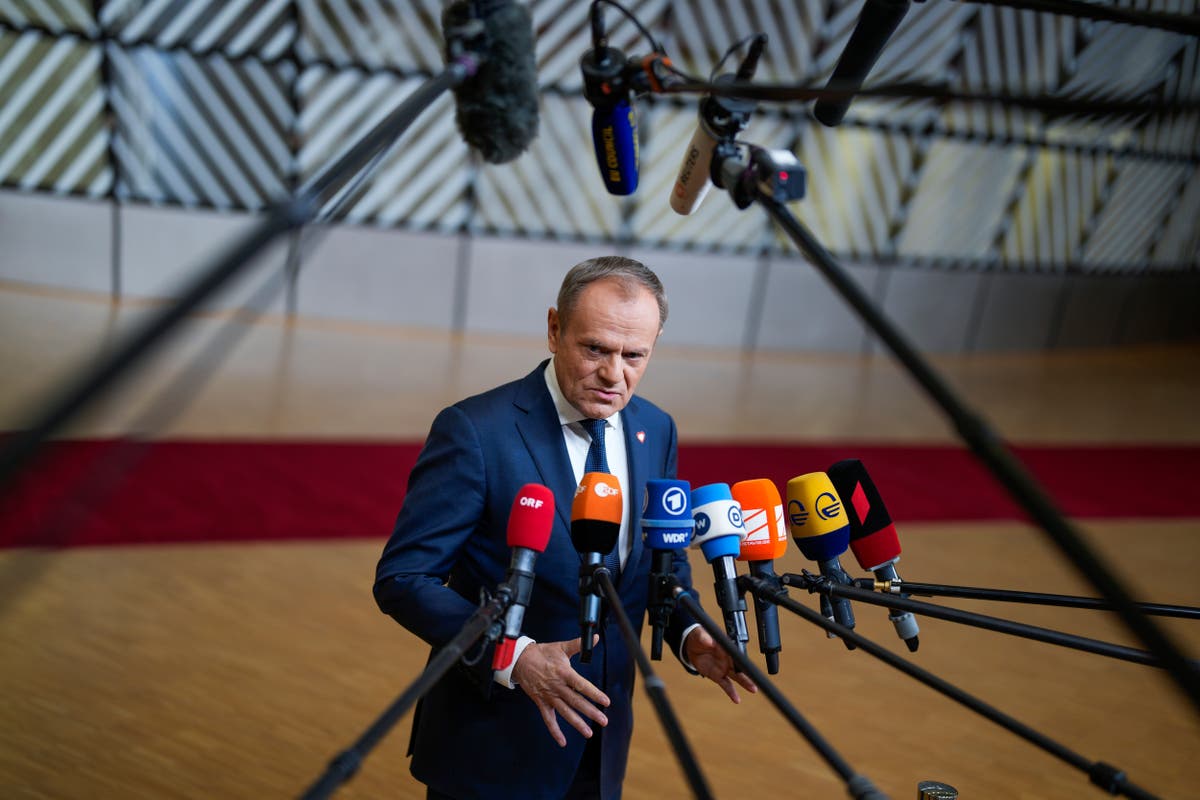
Poland's new pro-European Union government, led by Prime Minister Donald Tusk, has taken steps to regain control of the country's state media and other state agencies from the conservative Law and Justice party. The new government aims to restore objectivity and free expression in state media, which was previously used as a propaganda tool by the Law and Justice party. The move has been met with protests from the opposition party, who claim the actions are illegal. The new government has also made changes in the justice system and appointed new heads to security and intelligence offices.
Poland's new government, led by the Law and Justice (PiS) party, has seized control of the country's publicly owned television, radio, and news agency from loyalists to the previous government. This move is part of a broader revolution that includes investigations into the actions of the former government and the replacement of heads of security agencies. The public media had been under tight political control since 2015, favoring PiS and President Andrzej Duda. The government's actions have been met with both support and criticism, with PiS MPs protesting the changes and the ruling coalition celebrating the restoration of "free media."
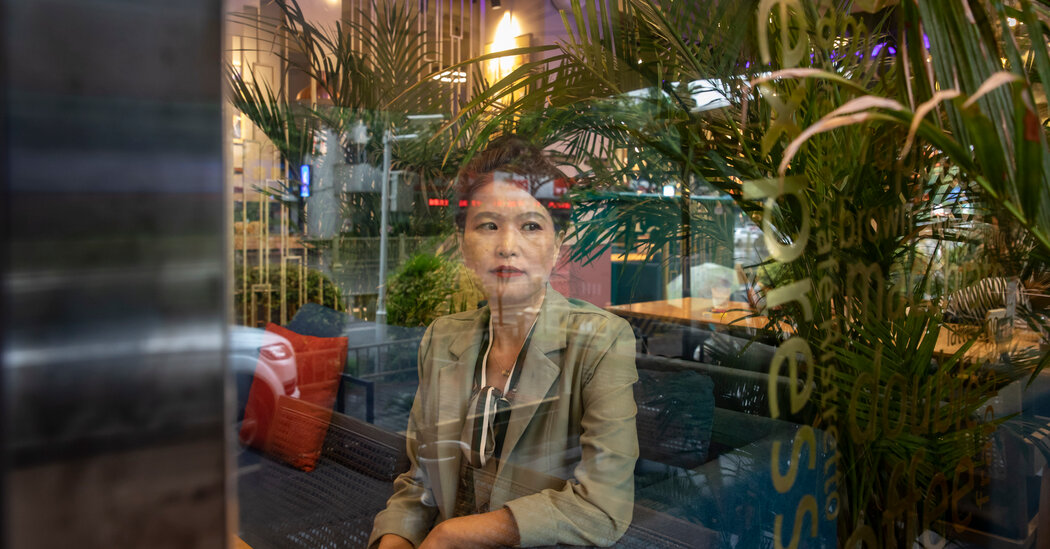
Sun Junli, a former successful businesswoman in China, went from poverty to prosperity as she built a chain of cafe restaurants. However, a change in government policy and the impact of the pandemic led to the collapse of her business, leaving her in debt and facing personal hardships. Sun's story reflects the challenges faced by many small-business owners in China, as the government under Xi Jinping tightened control over the economy, withdrew support, and punished entrepreneurs for their failures. The number of small firms closing their doors in 2021 outnumbered those opening, impacting China's economic growth. Small businesses make up a significant portion of China's private sector and contribute to tax revenue, economic output, and job creation. Sun now hopes to start a new food business but faces obstacles due to being on a national blacklist, limiting her ability to travel and access financial support.
US lawmaker Rep. Warren Davidson has criticized the Federal Reserve for exploring the possibility of creating a central bank digital currency (CBDC), which he compares to building an "Orwellian style payment system." Davidson argues that a CBDC would give the central bank authoritarian powers to control and manipulate Americans' money. While the Fed sees potential benefits in a CBDC, such as faster and cheaper payments, critics raise concerns about privacy, government surveillance, and restrictions on the use of money. Davidson calls on Congress to ban and criminalize any efforts to develop a CBDC.
The Japanese government-controlled Japan Investment Corporation (JIC) will acquire JSR, a leading producer of photoresists for the semiconductor industry, for $6.4 billion and delist it from the Tokyo Stock Exchange. The move aligns with Japan's efforts to comply with US restrictions on exporting high-end chips and chip-making equipment to China. The acquisition aims to eliminate the risk of foreign takeovers and interference in Japanese management decision-making, while also supporting Japan's strategic industry of semiconductors. The deal may hinder investor choice, disclosure of information, and free market economics, but JSR management sees it as the best strategic option for the company's stakeholders.
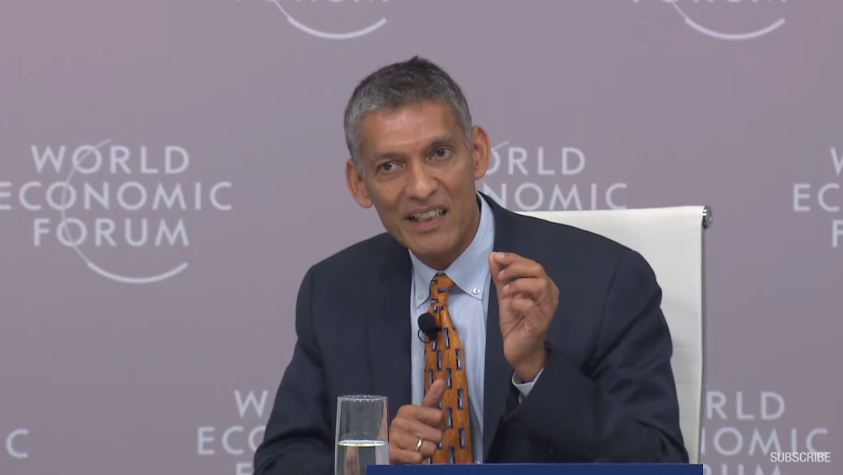
Governments discussed at the World Economic Forum "Summer Davos" meeting in China the potential for programmable Central Bank Digital Currencies (CBDCs) that could have expiry dates and restrictions on certain purchases deemed undesirable by the government, such as ammunition, drugs, or pornography. While some experts see the benefits of programmability, others express concerns about the potential dangers and impact on the integrity and independence of central banks. While central banks like the European Central Bank have stated that programmability would be left to commercial banks, some countries, like India and Nigeria, are exploring programmable CBDCs with different features and limitations. Programmability remains a key feature of CBDCs, offering governments and banks control over the use and flow of digital currency.
The use of an Adolf Hitler quote by a conservative parent group in Hamilton County is not the first time the quote has caused controversy. The quote, "He alone, who owns the youth, gains the future," was also used by a Colorado school board member on Facebook, U.S. Rep Mary Miller in a speech, and on a billboard in Alabama. The quote is attributed to Hitler at a 1935 rally as part of Nazi efforts to indoctrinate youth. The Hamilton County group later apologized for using the quote and condemned Hitler's actions.
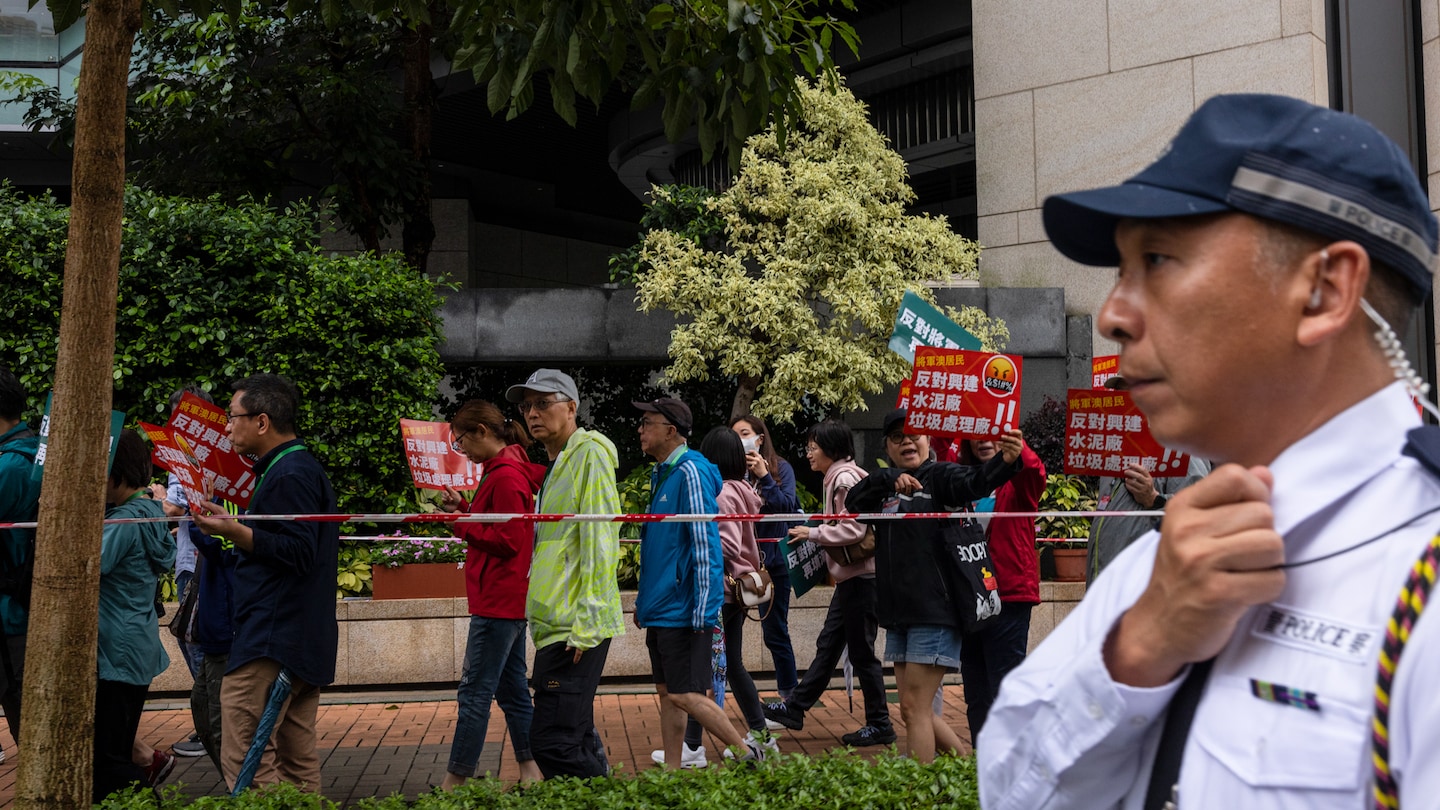
Hong Kong held its first authorized protest in three years against a land reclamation plan, but imposed strict rules on participants, including wearing numbered tags and walking along a police-taped route. The government's control over the city, which is supposed to enjoy autonomy from China, has increased. The protest was limited to 100 people, and participants were banned from wearing face masks and making political statements with their attire. The national security law, which outlaws dissent, was enforced, and all placards and leaflets were scrutinized by police.