China's National People's Congress Standing Committee is set to meet in Beijing, where discussions may include a significant fiscal stimulus package, with potential values ranging from 2 to 10 trillion yuan. While the agenda does not explicitly mention budget plans, the committee has the authority to approve budget adjustments, including changes to fiscal deficit ratios and local government debt ceilings. Investors and economists are keenly watching for any announcements regarding the stimulus, which could impact China's economic strategy.
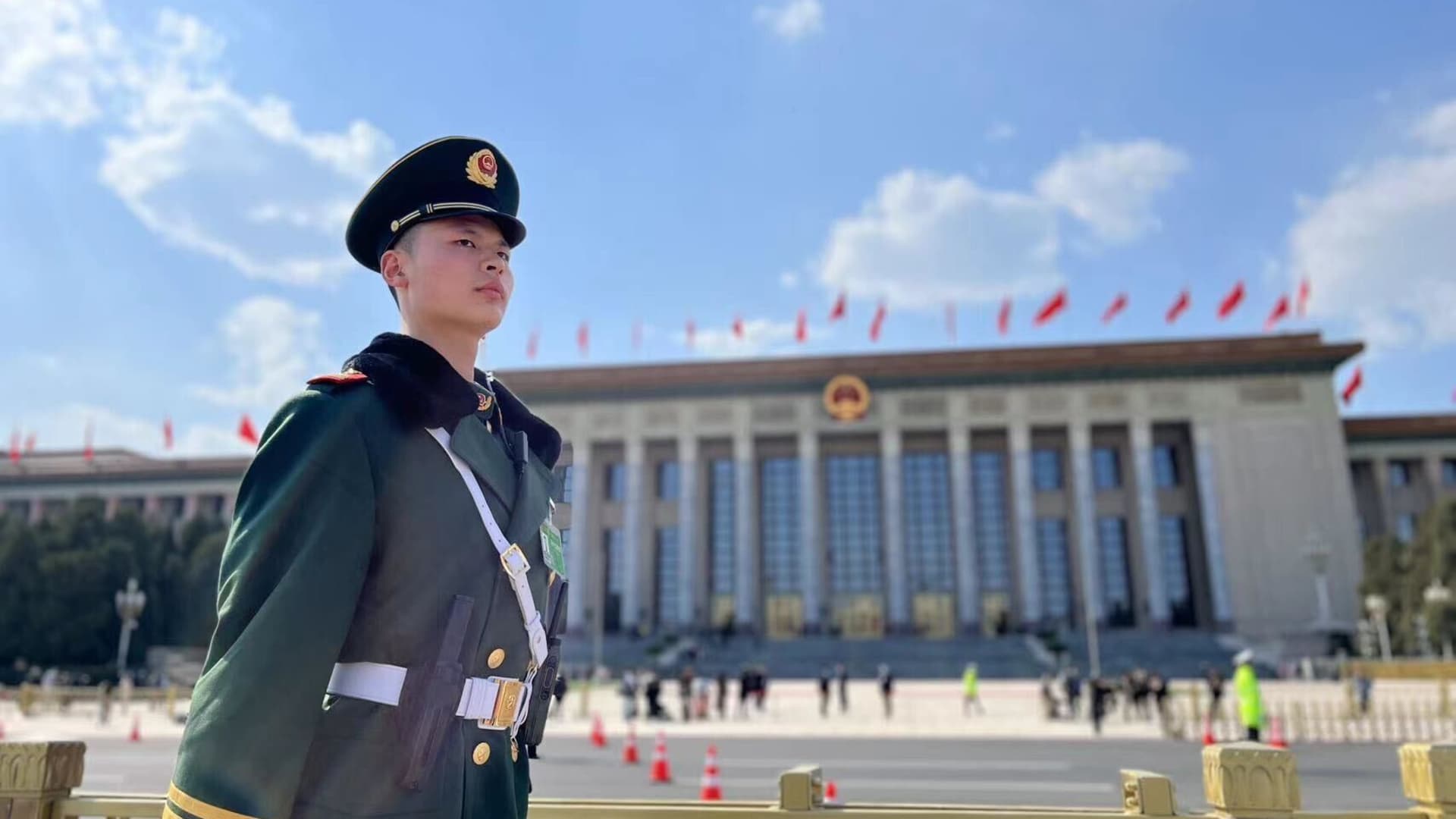
China's annual parliamentary meetings ended without the premier hosting a press conference, breaking decades of tradition, and President Xi Jinping did not speak at the closing ceremony. The government pledged to lower energy consumption and set a 2024 growth target of around 5%, with a focus on industrial support. The State Council underwent structural changes, increasing oversight by the Chinese Communist Party.
China has announced a 7.2% increase in its defense budget for 2024, reaching nearly 1.7 trillion yuan, continuing a trend of annual increases of 7% or more. The actual defense spending is likely higher than reported, with estimates suggesting a 27% increase in 2022. This budget reflects President Xi Jinping's focus on security goals, including control of Taiwan, while also emphasizing economic growth and budget prioritization. The People's Liberation Army is not seeing the double-digit percentage increases of the past, but the government aims to build a modern military by its centennial in 2027.
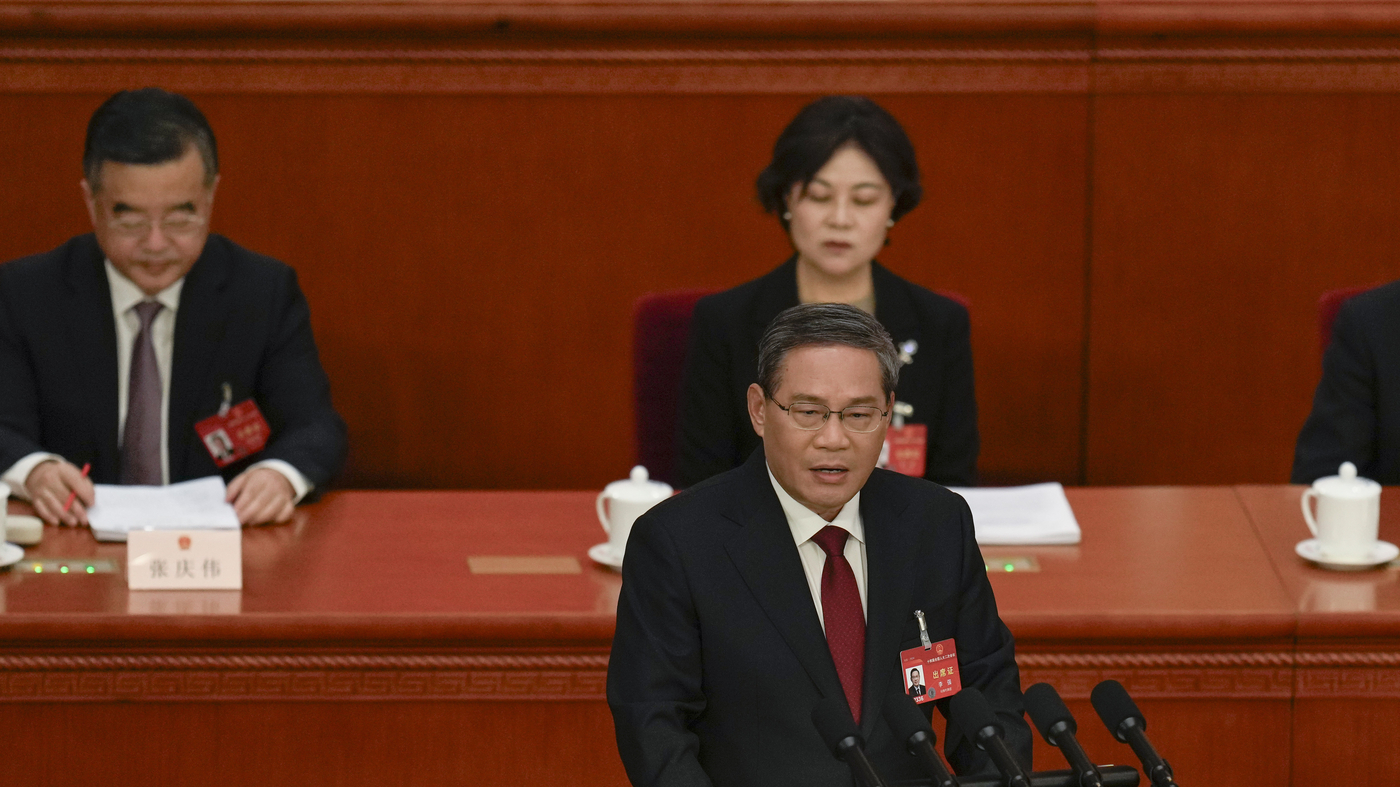
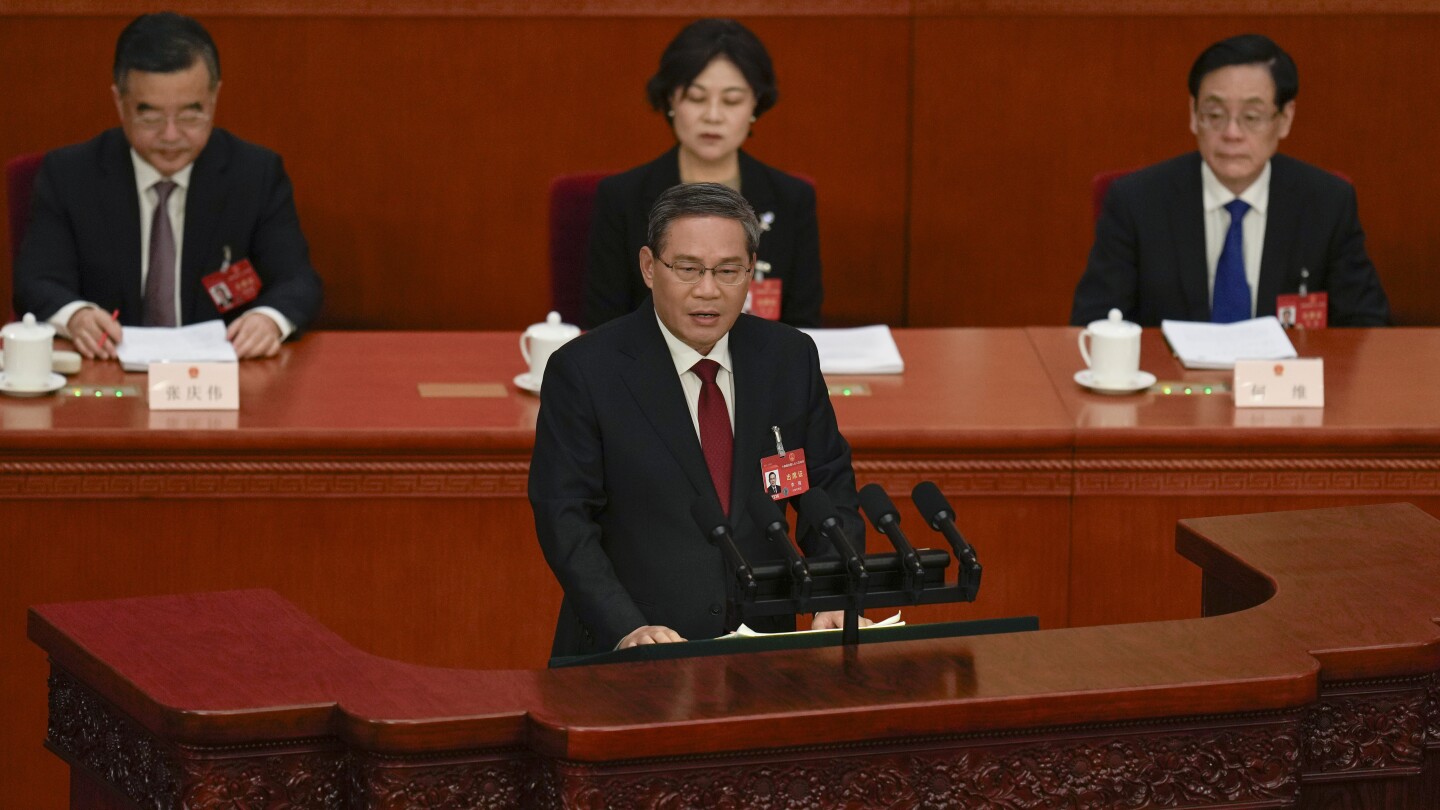
China's Premier Li Keqiang announced modest economic growth goals of 5% for 2024, signaling a stable approach to the economy amidst a slowdown and real estate crisis. The report also featured tougher language on Taiwan, dropping the word "peace" and emphasizing opposition to Taiwan independence. Additionally, a 7.2% increase in the military budget was announced, while plans to reform the hukou system to benefit migrant workers were mentioned. Despite challenges, Li expressed confidence in China's ability to overcome obstacles and ensure promising future development.
China's premier announced measures to boost the country's economy, including fiscal austerity and a target of around 5% economic growth for the coming year. The plan involves creating 12 million new urban jobs, issuing special treasury bonds, easing restrictions on foreign investment, and focusing on technology sectors. Despite economic challenges, China is increasing its defense budget by 7.2% and prioritizing national defense and armed forces development.
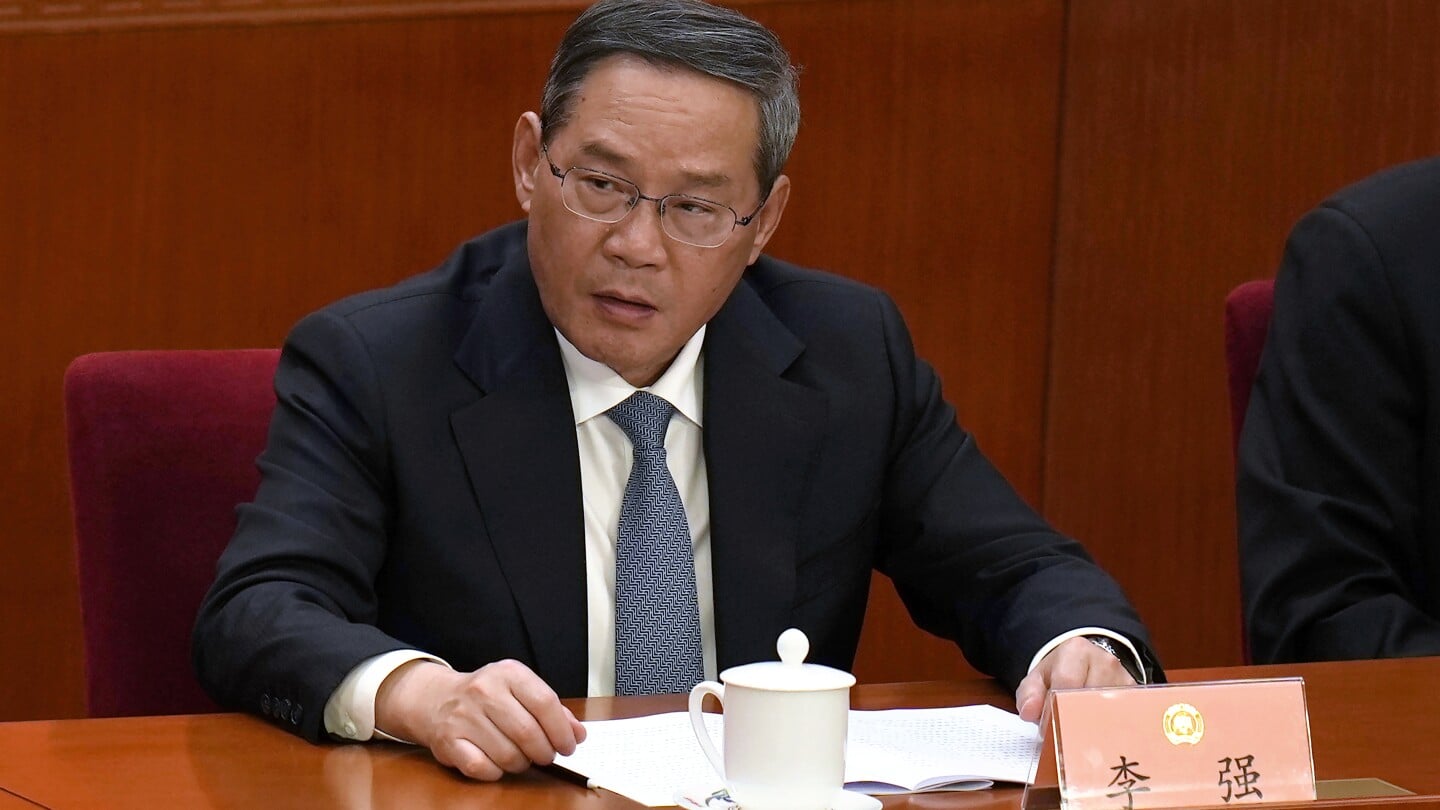
China aims for 5% economic growth this year, with plans to boost spending on technology, military, and the economy, but no major stimulus package. Premier Li Qiang acknowledged the challenges, including a real estate slump and overcapacity in some industries. The government plans to issue long-term bonds to boost growth and address housing market issues. The draft budget includes a 7.2% rise in defense spending. China's economy grew at a 5.2% pace last year, but replicating this growth will be difficult. The government emphasizes the need to raise consumer spending and provide support for local governments facing economic difficulty.
China plans to increase its defense spending by 7.2% this year, allocating 1.67 trillion yuan, while dropping the reference to "peaceful reunification" with Taiwan in its official work report. The move comes amid heightened tensions over Taiwan and reflects China's firm stance against separatist activities and external interference. The National People's Congress is set to hear Premier Li Qiang's report at its annual meeting in Beijing.
China surprised the world by scrapping the tradition of the premier's news conference at the National People’s Congress, raising concerns about the country's economic uncertainty and global tensions. The move comes amid worries about China's economic slowdown, real estate crisis, unemployment, and declining exports. As the legislative session opens, all eyes are on China's plans for fiscal stimulus and efforts to restore confidence in the economy, which some economists believe could take three to five years.
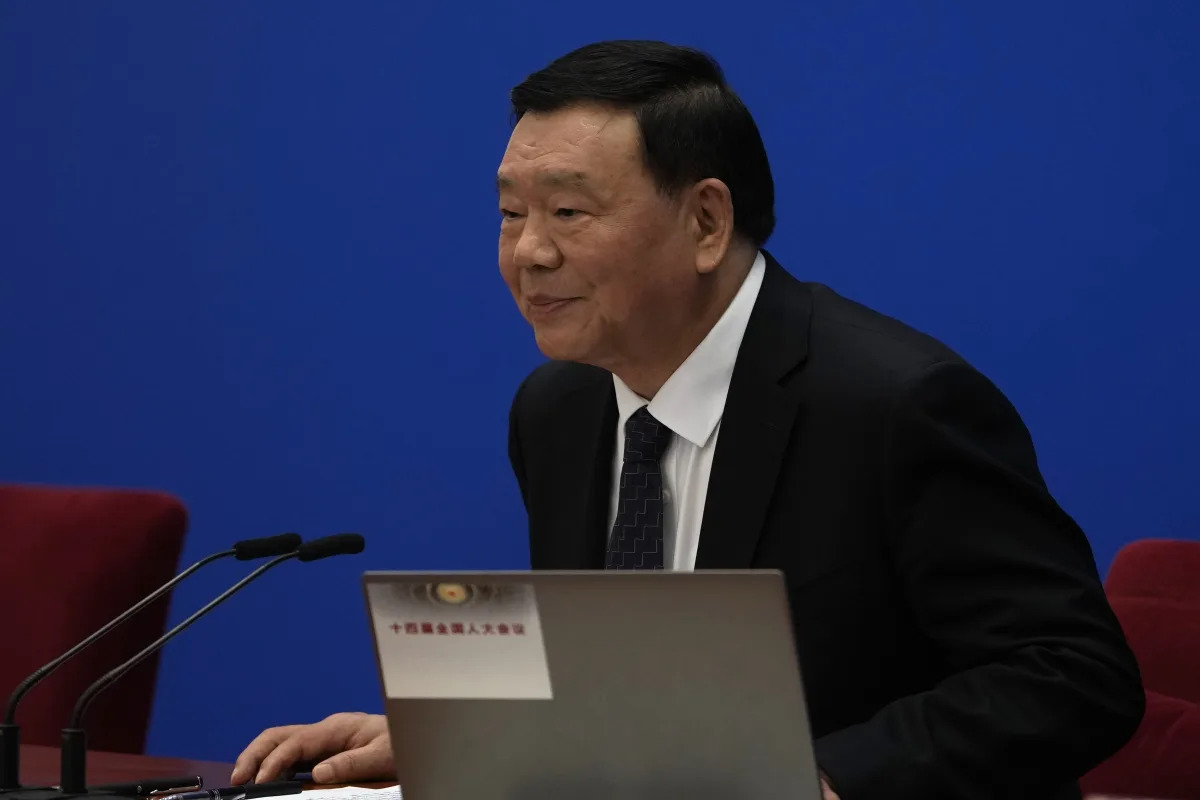
China's government has announced the elimination of the annual news conference by Premier Li Qiang, a rare opportunity for journalists to question top Chinese leaders, signaling a diminishing of the premier's power and government bureaucracy as the Communist Party centralizes control. The move comes ahead of the opening of the National People's Congress, where the government is expected to reveal its economic growth target for 2024. The spokesperson reassured that China remains open to foreign business and investment, rejecting concerns about recent changes to national security laws and expressing confidence in overcoming technology access restrictions. Additionally, the spokesperson declined to comment on the U.S. presidential election's impact on China's relations with the United States and criticized American lawmakers' actions regarding Taiwan. Military spending growth is expected to be revealed at the congress, with analysts anticipating a 6-7% increase reflecting China's concern about its international environment and prioritizing military modernization alongside economic goals.
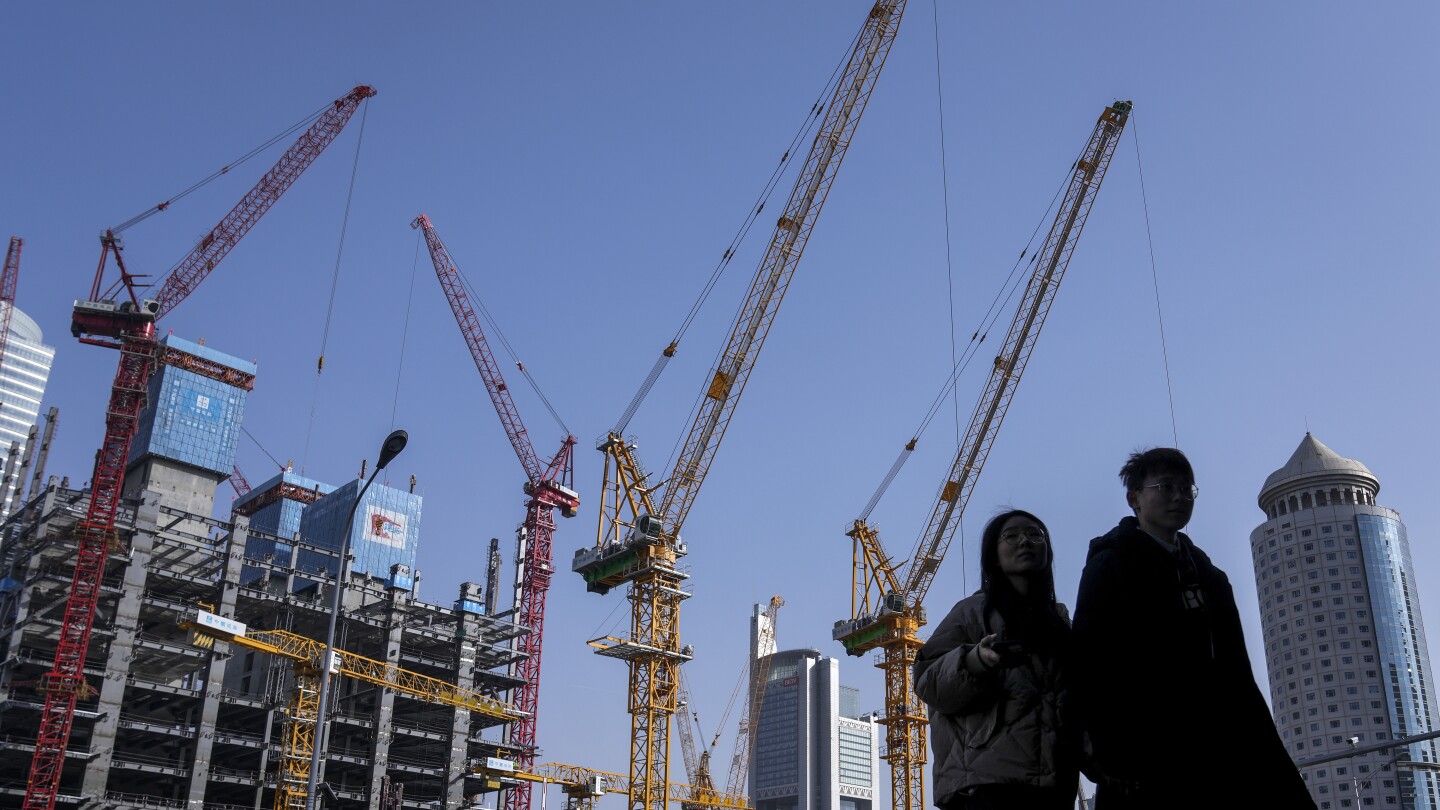
As China's annual congress convenes, the country faces challenges in reviving its slowing economy and salvaging the property market. With an aging workforce, strained relations with the US, and a housing construction crisis, the ruling Communist Party aims to build confidence and navigate toward sustained growth. The economy's recovery has fallen short, with trillions of dollars of local government debt and a significant drop in foreign investment. The congress is expected to endorse decisions made by top leaders and announce an official economic growth target, with hopes for more government spending to stimulate the economy. The property market's downturn and financial system strain are prompting measures to encourage more property lending, while China grapples with deflation and declining exports. Amidst these challenges, the country seeks to address weak domestic demand and consumption, as well as growing inequality, through a combination of short and long-term measures.
China has announced the elimination of the annual news conference by Premier Li Qiang, a rare opportunity for top Chinese leaders to take questions from the media, with the spokesperson for the National People's Congress stating that the premier's press conference will not be held in the next few years without further explanation. The move comes ahead of the opening of the weeklong meeting of the largely ceremonial congress, which is being closely watched for indications of steps the government will take to boost the struggling economy.
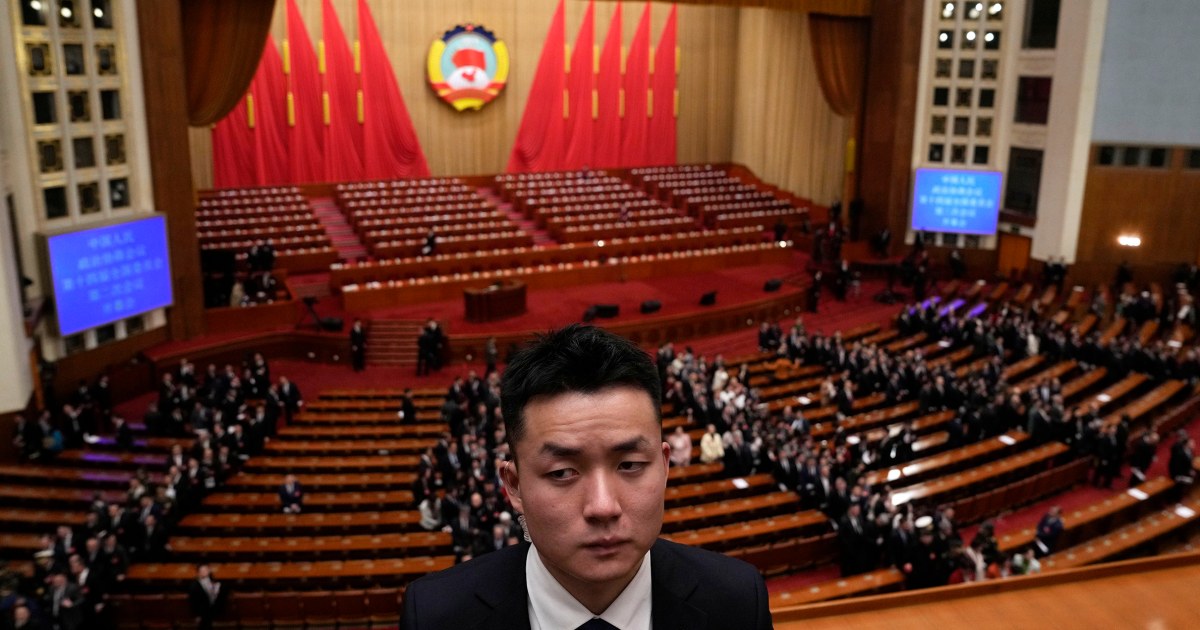
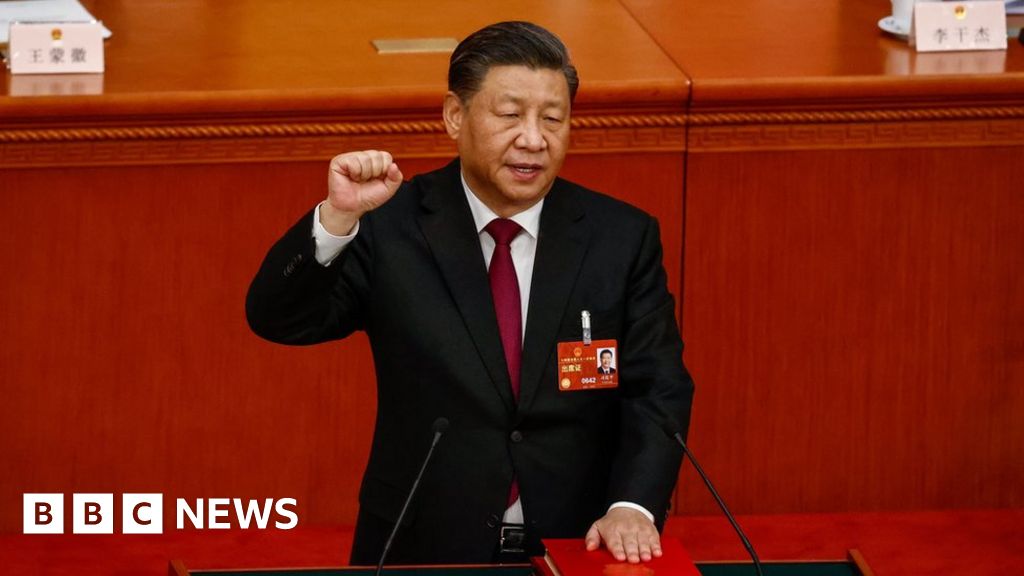
The National People's Congress in China is set to convene, with thousands of delegates expected to gather to rubber-stamp decisions already made behind closed doors. The focus will be on potential changes in the official Party line and what they might mean for China and the world, particularly in the midst of economic challenges such as a real estate crisis, high youth unemployment, and local government debt. President Xi Jinping's emphasis on "new productive forces" and technological innovation may signal a turning point for the Chinese economy, but the Congress is expected to be highly choreographed, with limited room for dissent.
China's National People's Congress annual meeting is set to open with a focus on the economy, as the country grapples with economic challenges. The congress, largely ceremonial, is expected to discuss proposals to raise the retirement age and reveal the government's economic growth target for the year. Speculation surrounds the possible introduction of a new foreign minister, with names like Liu Jianchao and Ma Zhaoxu being floated as potential successors. The meeting is seen as an opportunity to gauge the future direction of government policy, although real decision-making power lies with the Communist Party leaders.
China's parliament is expected to unveil moderate stimulus plans to stabilize economic growth at its annual meeting, with Premier Li Qiang likely to set a growth target of around 5% for 2024. However, bold reforms to address deep structural imbalances are unlikely to be rolled out, as the focus is on near-term support for the sputtering economy. The expected stimulus measures include more fiscal stimulus, special sovereign bonds issuance, and continued investment in tech innovation and advanced manufacturing. Despite calls for bold reforms to boost household demand and tackle municipal debt, the NPC is not the traditional venue for sharp policy shifts, and any major reforms may be deferred to a later plenum event.
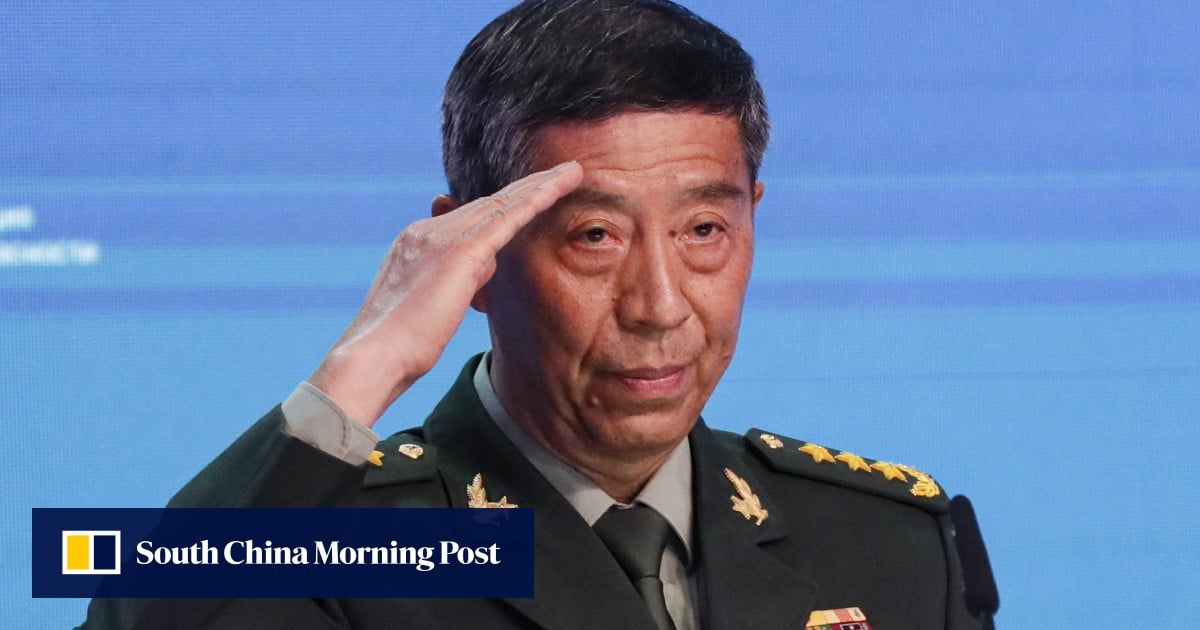
China has removed General Li Shangfu as defence minister in the country's second leadership shake-up in three months. The decision to remove him was approved by the National People's Congress Standing Committee, and no explanation was given. Li is the second minister to be abruptly removed since Xi Jinping began his third term as the party's leader last October. Li's removal comes just days before a Pentagon delegation is due to arrive in Beijing for a regional security forum, potentially impacting high-level military dialogue between the two sides. No replacement for Li has been announced.