Tag

Central Bank Digital Currency

All articles tagged with #central bank digital currency

EU Ministers Seek Consensus on Digital Euro Amidst Debates and Controversies

Originally Published 3 months ago — by politico.eu

Featured image for EU Ministers Seek Consensus on Digital Euro Amidst Debates and Controversies
Source: politico.eu

The digital euro, a proposed virtual version of the euro backed by the ECB, aims to modernize payments and reduce reliance on foreign tech giants, but faces significant political and legislative hurdles in Brussels, with debates over privacy, banking industry impact, and legal framework likely delaying its implementation until at least 2028.

"Republican Senators Push for Ban on Central Bank Digital Currencies"

Originally Published 1 year ago — by Fox Business

Featured image for "Republican Senators Push for Ban on Central Bank Digital Currencies"
Source: Fox Business

Senate Republicans, led by Sen. Ted Cruz, are intensifying efforts to block the Federal Reserve from creating a central bank digital currency (CBDC), citing concerns about government surveillance and potential restrictions on financial access. The proposed legislation aims to prevent the Fed from issuing a digital dollar without congressional authorization, with support from advocacy groups and Republican lawmakers. The Biden administration's focus on CBDC research has sparked opposition from GOP members, who view it as a key voter issue and a potential campaign platform for the 2024 presidential election.

Russia Enacts CBDC Law, Digital Ruble Implementation Set for 2024

Originally Published 2 years ago — by Crypto Briefing

Featured image for Russia Enacts CBDC Law, Digital Ruble Implementation Set for 2024
Source: Crypto Briefing

The Russian President has signed into law the legislation for the digital ruble, paving the way for the Central Bank of Russia to pilot the new digital currency starting in August 2023. The digital ruble will act as a payment and money transfer mechanism, and Russian citizens will have the choice to use it alongside cash and non-cash rubles. The mass adoption of the digital ruble is not expected before 2025 or 2027.

The Power of Governments: Controlling Purchases and Expiry Dates with CBDC

Originally Published 2 years ago — by The Sociable

Featured image for The Power of Governments: Controlling Purchases and Expiry Dates with CBDC
Source: The Sociable

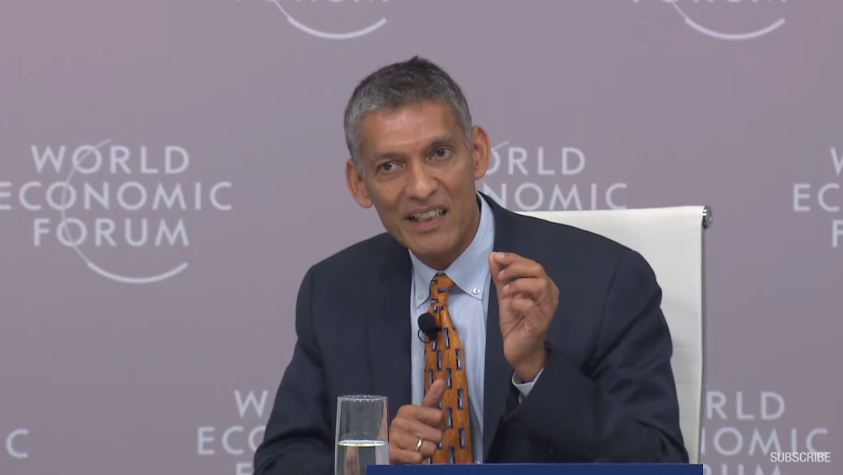
Governments discussed at the World Economic Forum "Summer Davos" meeting in China the potential for programmable Central Bank Digital Currencies (CBDCs) that could have expiry dates and restrictions on certain purchases deemed undesirable by the government, such as ammunition, drugs, or pornography. While some experts see the benefits of programmability, others express concerns about the potential dangers and impact on the integrity and independence of central banks. While central banks like the European Central Bank have stated that programmability would be left to commercial banks, some countries, like India and Nigeria, are exploring programmable CBDCs with different features and limitations. Programmability remains a key feature of CBDCs, offering governments and banks control over the use and flow of digital currency.

IMF Developing Global Digital Currency Platform for Central Banks

Originally Published 2 years ago — by Reuters

Featured image for IMF Developing Global Digital Currency Platform for Central Banks
Source: Reuters

The International Monetary Fund (IMF) is developing a global platform for central bank digital currencies (CBDCs) to enable cross-border transactions. The IMF wants central banks to agree on a common regulatory framework for digital currencies that will allow global interoperability. Failure to agree on a common platform would create a vacuum that would likely be filled by cryptocurrencies. CBDCs could also help promote financial inclusion and make remittances cheaper.

DeSantis Takes Strong Stance on Financial Privacy and Digital Currency

Originally Published 2 years ago — by FOX 4 News Fort Myers WFTX

Featured image for DeSantis Takes Strong Stance on Financial Privacy and Digital Currency
Source: FOX 4 News Fort Myers WFTX

Governor Ron DeSantis signed legislation to ban the use of a federally adopted Central Bank Digital Currency (CBDC) as money within Florida's Uniform Commercial Code (UCC). The legislation also prohibits any CBDC issued by a foreign reserve or foreign sanctioned central bank and calls on other states to adopt similar prohibitions within their respective Commercial Codes. The move is aimed at protecting consumers and businesses from the Biden administration's weaponization of the financial sector through a CBDC.

DeSantis targets Federal Reserve and questions US control over purchases.

Originally Published 2 years ago — by Tampa Bay Times

Featured image for DeSantis targets Federal Reserve and questions US control over purchases.
Source: Tampa Bay Times

Florida Governor Ron DeSantis has claimed that the US government wants to track Americans' purchases and block transactions of which it disapproves through a central bank digital currency. However, experts have dismissed the notion, stating that current US laws would not permit the kind of monetary surveillance and control that DeSantis described. The Federal Reserve is studying the possibility of creating a digital currency, but it is not close to fruition and may never happen. Even if it were technically feasible, it would be unlikely to emerge in the United States due to technical, legal, and political reasons.

Federal Reserve to Launch Real-Time Payments System in July

Originally Published 2 years ago — by CoinDesk

Featured image for Federal Reserve to Launch Real-Time Payments System in July
Source: CoinDesk

The US Federal Reserve is launching its real-time payments system, FedNow, in July, which will provide immediate access to funds and solve existing delays for clearing financial transactions between institutions. The system will operate around the clock and is seen as a potential precursor to a central bank digital currency (CBDC). However, the service could also undermine one of the key strengths of a digital dollar – the ability to transfer instantly. The banking industry had already launched its own RTP network in 2017.