Iran has shut down its internet and communication lines amid nationwide protests, severely limiting information flow and complicating efforts to document and respond to the unrest, with reliance on illegal Starlink devices playing a crucial role in sharing news outside the country.
OpenAI's Sora 2 technology, capable of creating realistic AI-generated videos of historical figures and celebrities, has raised concerns in Hollywood over consent, copyright, and ethical issues. In response, OpenAI has implemented new policies, including an opt-in system for artists and plans to block certain content, following industry protests and legislative support for digital rights protections.
Originally Published 3 months ago — by Hacker News
The article discusses the ongoing struggle of free software to achieve true freedom and control over technology, highlighting issues like hardware lock-in, corporate control, and the importance of open standards and devices. Despite significant progress in open infrastructure, the dominance of closed, attested hardware and services limits user freedom, and the community must continue advocating for open hardware, legislation, and alternative solutions to preserve digital rights and privacy.
The Taliban-led government in Afghanistan has ordered internet shutdowns in several provinces to curb what they describe as misuse and immoral content, sparking criticism from international figures and concerns over economic and social impacts.
A class action lawsuit in Washington accuses Amazon of misleading consumers by selling digital movies as purchases when they are actually licenses that can be revoked, alleging violations of consumer laws and seeking damages.
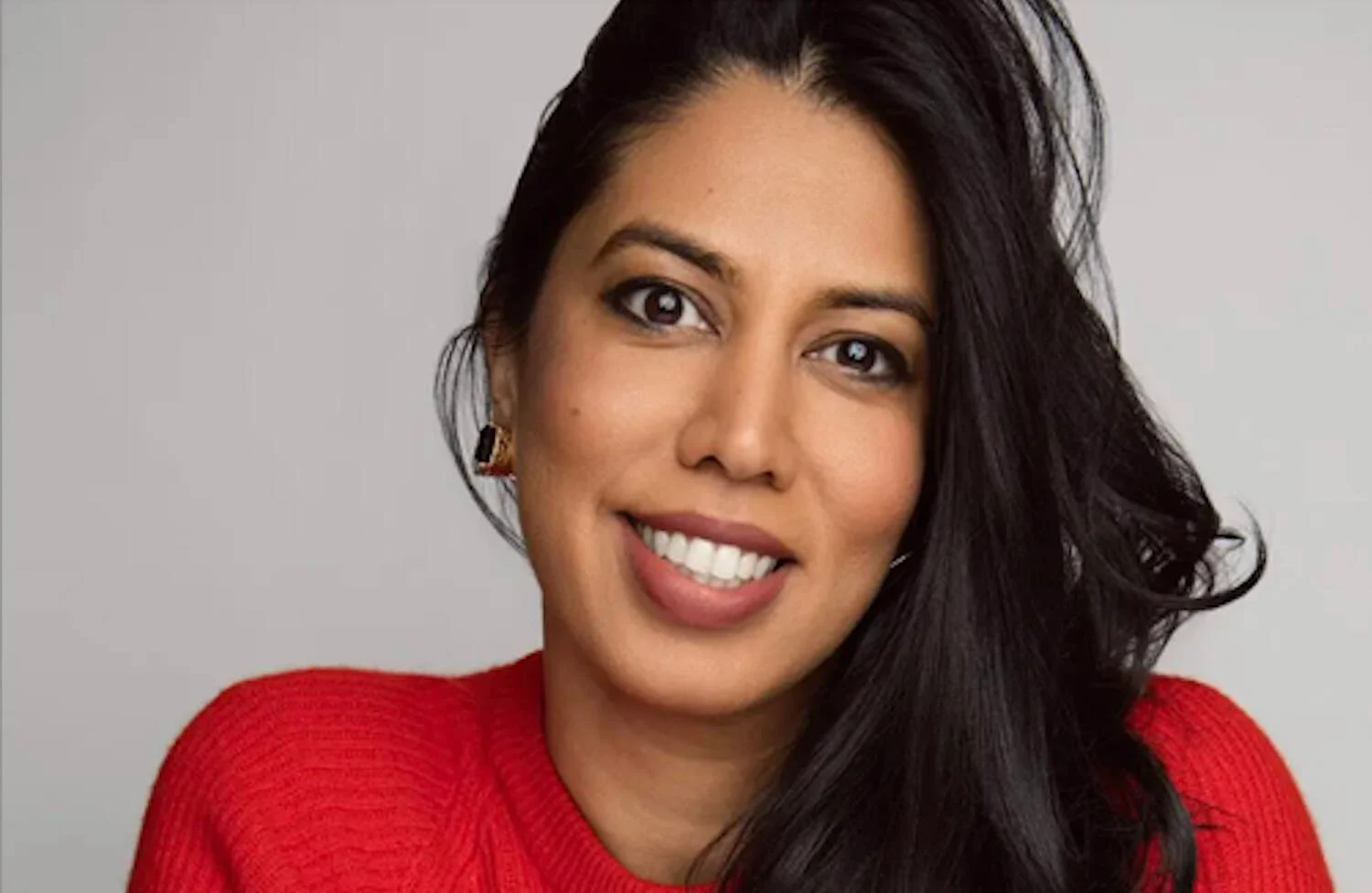
Nabiha Syed, the new executive director of the Mozilla Foundation, emphasizes the importance of defending an open and inclusive internet amid challenges posed by AI, surveillance capitalism, and political shifts. The foundation aims to promote human-centered technology, advocate for privacy, and develop initiatives like Common Voice and a data marketplace to empower community participation and ensure technology benefits all. Syed highlights the need for nuanced legislation and increased public awareness to foster a future where digital rights are protected, especially in the face of rising authoritarianism and corporate influence.
The UK’s new Online Safety Act has led to widespread censorship and privacy issues on platforms like Reddit, forcing users to submit sensitive ID or face being locked out, which raises concerns about increased surveillance, censorship, and ineffective protection for minors. The chaos and technical flaws in the rollout serve as a warning for similar legislation in the US, where expanding age verification could threaten free speech and privacy rights. Advocacy groups urge Americans to oppose such laws to prevent similar consequences.
Russia is implementing a comprehensive and long-term strategy to control and isolate its internet from the global network, including blocking websites, restricting access, monitoring online activity, and promoting domestic alternatives, raising concerns about digital freedom and censorship.
Over one million people claimed free NSFW games on GOG in protest against increasing censorship on digital platforms like Steam and itch.io, highlighting concerns over game preservation and creative freedom amid tightening content rules.
GOG.com is offering free access to adult-themed games in protest against recent censorship and pressure from credit card companies like Mastercard, which has led to the removal of certain controversial titles from digital marketplaces. The move highlights concerns over the influence of financial institutions on artistic and gaming content, emphasizing the importance of digital freedom and access to legally available games. The offer is available until August 3.
GOG launched a website offering 13 delisted NSFW games for free for 48 hours to protest the censorship and removal of adult-themed games from digital platforms, highlighting issues of financial and content censorship in gaming.
Ubisoft shareholders are urging the company to respond to the Stop Killing Games movement, which protests the discontinuation of online games and the removal of purchased content, highlighting concerns over game preservation and consumer rights. Ubisoft's CEO defends the company's support policies, but critics argue for more responsible end-of-life plans for online games. The movement has gained significant signatures and political attention, raising questions about industry practices and consumer protections.
The 'Stop Killing Games' campaign, which has gained over 1.2 million signatures, advocates for regulations to prevent online games from becoming permanently unplayable after server shutdowns. While game publishers and industry groups defend current practices citing costs and security concerns, the campaign highlights legal and ethical debates about consumer rights and game preservation, especially in Europe where laws are less clear than in the US.
The Stop Killing Games initiative, advocating for game preservation and the right to keep playable copies of purchased games, has gained over 1 million signatures in the EU, prompting major publishers represented by Video Games Europe to oppose the proposals, citing costs and technical challenges. The petition aims to influence EU policy, but publishers argue that discontinuing online services is sometimes necessary and that private servers pose security and legal issues. The UK petition has also gained significant support, potentially leading to a parliamentary debate.
The Stop Killing Games movement, initiated by YouTuber Accursed Farms, has gained significant momentum, with petitions in the UK and EU nearing key signature milestones to advocate for consumer rights and game preservation, urging publishers to reconsider game removal practices and promote open-source solutions.