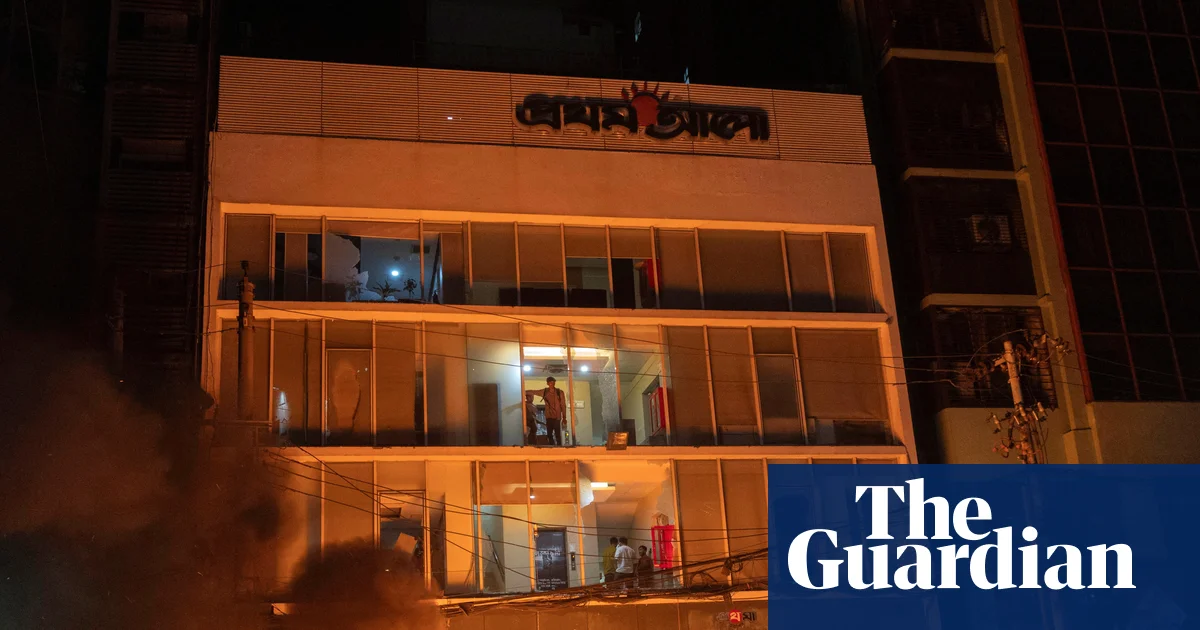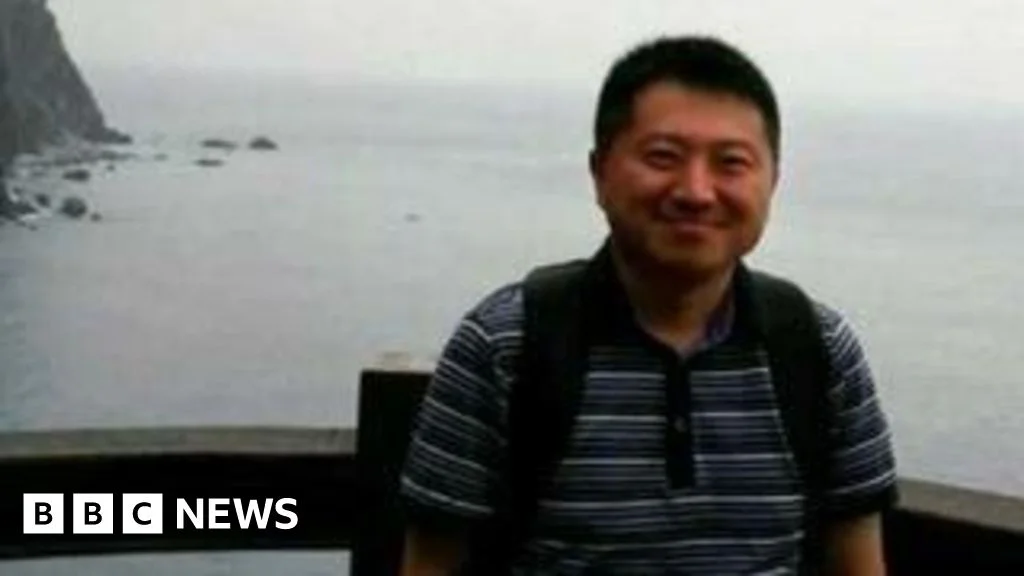
The article describes a surge in mob violence in Bangladesh following the assassination of a pro-democracy leader, leading to the burning of major newspapers and cultural sites, with journalists and civil society feeling increasingly vulnerable amid political instability and a cycle of retribution.
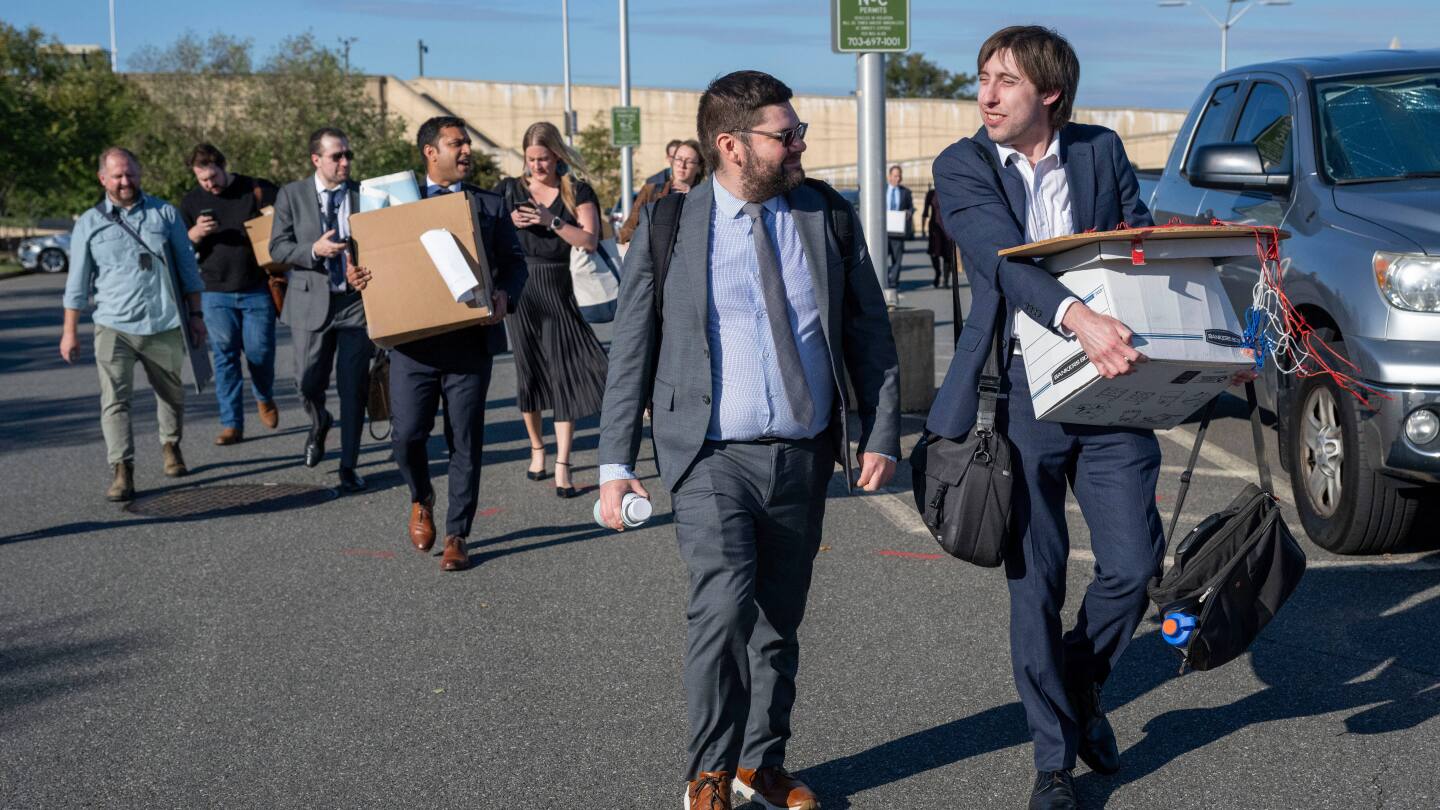
Dozens of journalists left the Pentagon in protest against new government-imposed reporting restrictions, which they and many news organizations oppose, asserting they hinder press freedom. Despite the exit, reporters plan to continue covering military affairs from outside the Pentagon, criticizing the rules as an attempt to control information and limit journalistic independence.
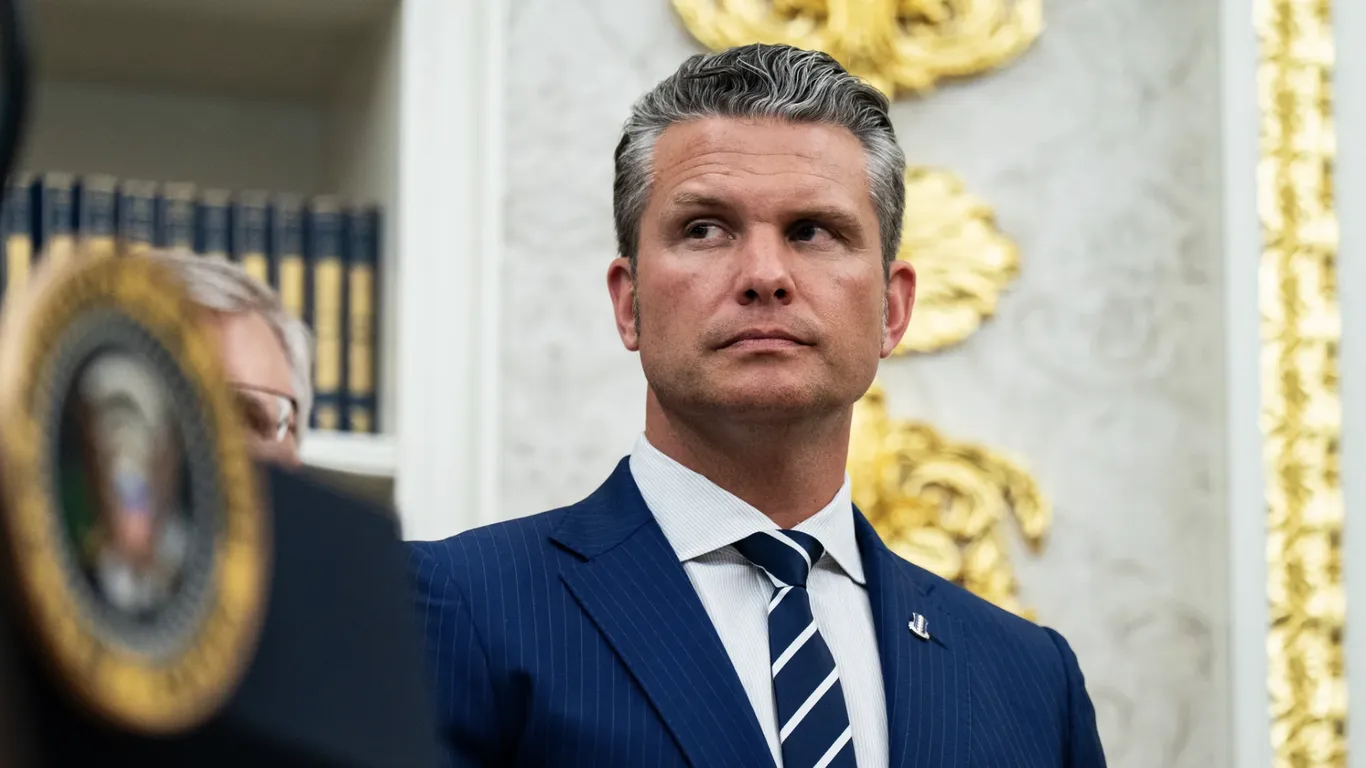
Major news organizations, including The Washington Post, The New York Times, and NPR, are refusing to sign new Pentagon press rules they argue threaten press freedom and First Amendment rights, amid broader efforts by the Pentagon to tighten control over military information and limit external engagement.
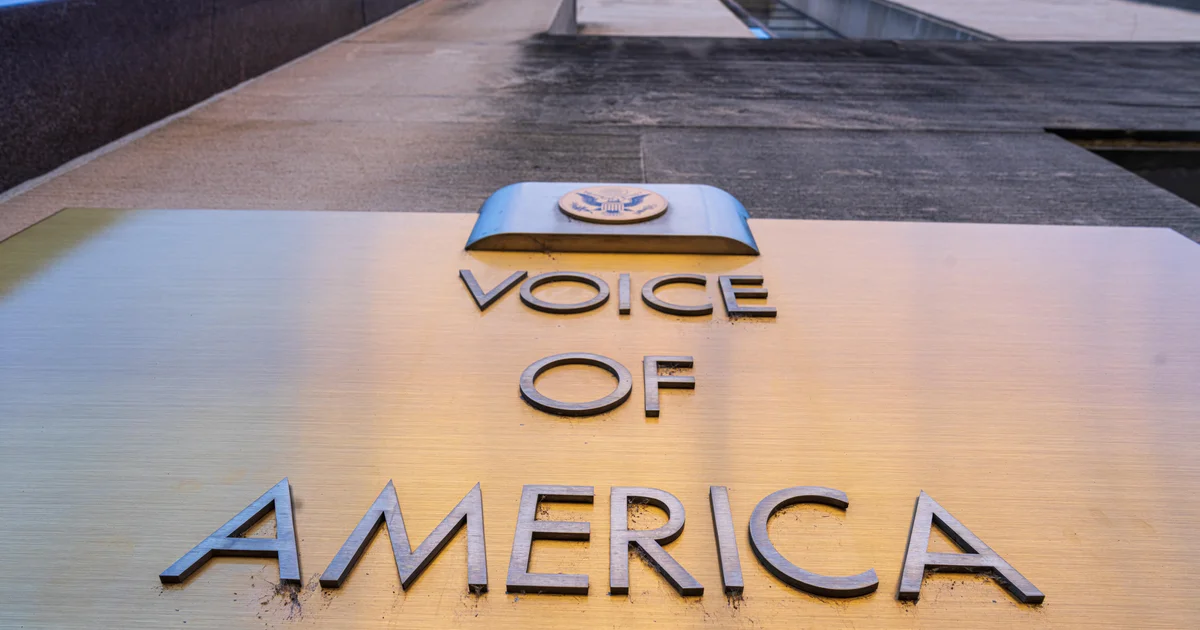
A federal judge temporarily blocked the Trump administration's plan to eliminate 532 jobs at Voice of America, citing concerns over compliance with legal mandates and the agency's ability to fulfill its mission, amid ongoing legal disputes over the broadcaster's future.
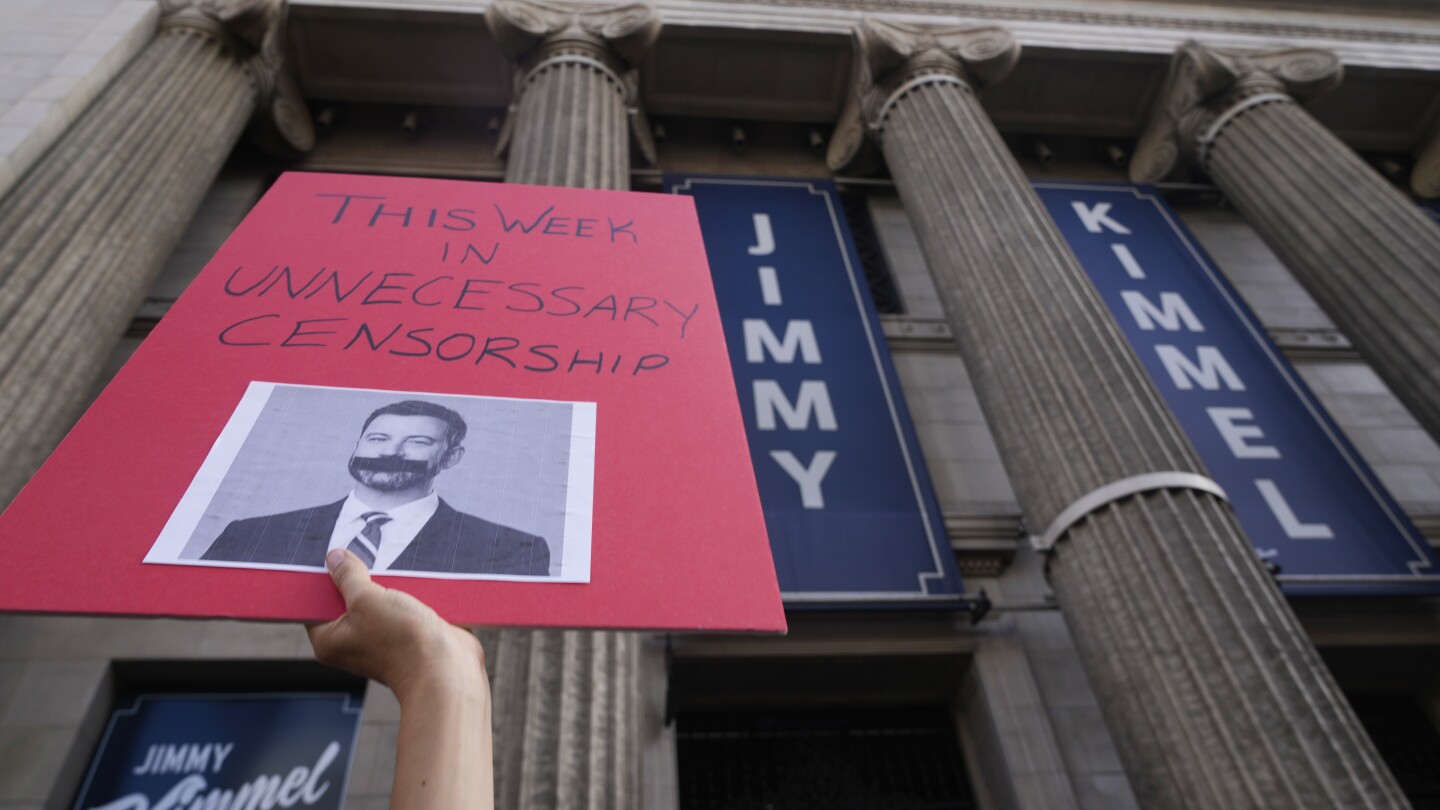
Late-night hosts Jon Stewart, Stephen Colbert, and Jimmy Fallon addressed the suspension of Jimmy Kimmel with humor and solidarity, criticizing censorship and defending free speech amid political pressures and media challenges.
Donald Trump has sued the New York Times and other media outlets, primarily to serve his performative political goals and intimidate critics, rather than to win in court. These lawsuits pose a threat to press freedom by potentially chilling media criticism and leveraging Trump's presidential powers to suppress dissent. Experts suggest stricter legal standards and restrictions on media ownership by wealthy individuals to protect democracy and free speech.
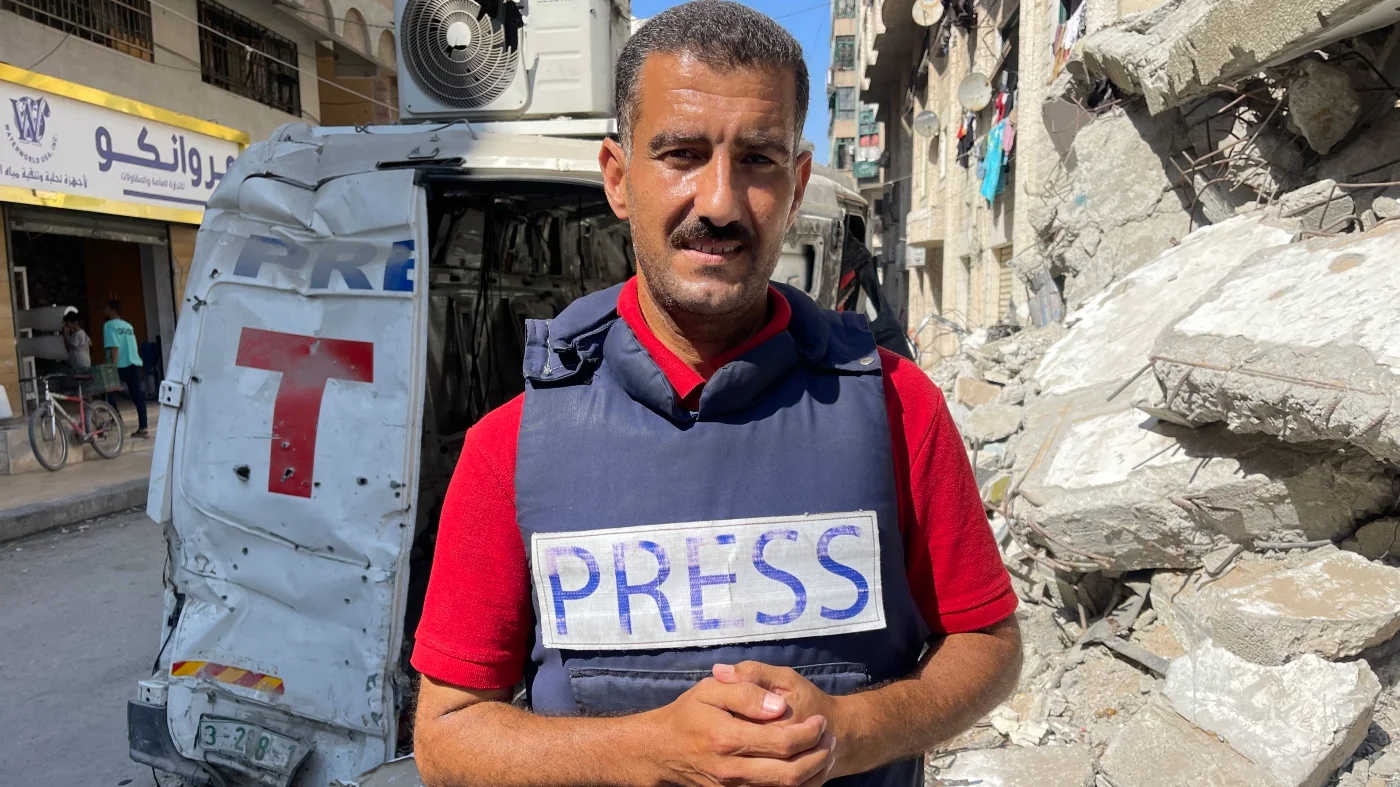
AFP is urging the Israeli government to allow its freelance journalists in Gaza to leave due to severe food shortages and health issues caused by the ongoing hunger crisis, which also threatens the flow of independent reporting from the region amid a broader humanitarian catastrophe and conflict.
CBS News staffers are concerned about the implications of Paramount settling a lawsuit with President Trump, which they see as a capitulation that could embolden Trump's tactics against the press. The settlement, involving a $16 million payout, is criticized by media experts and politicians as a sign of weakness and a threat to journalistic independence, raising fears about future challenges to free press and the influence of political pressure on media organizations.
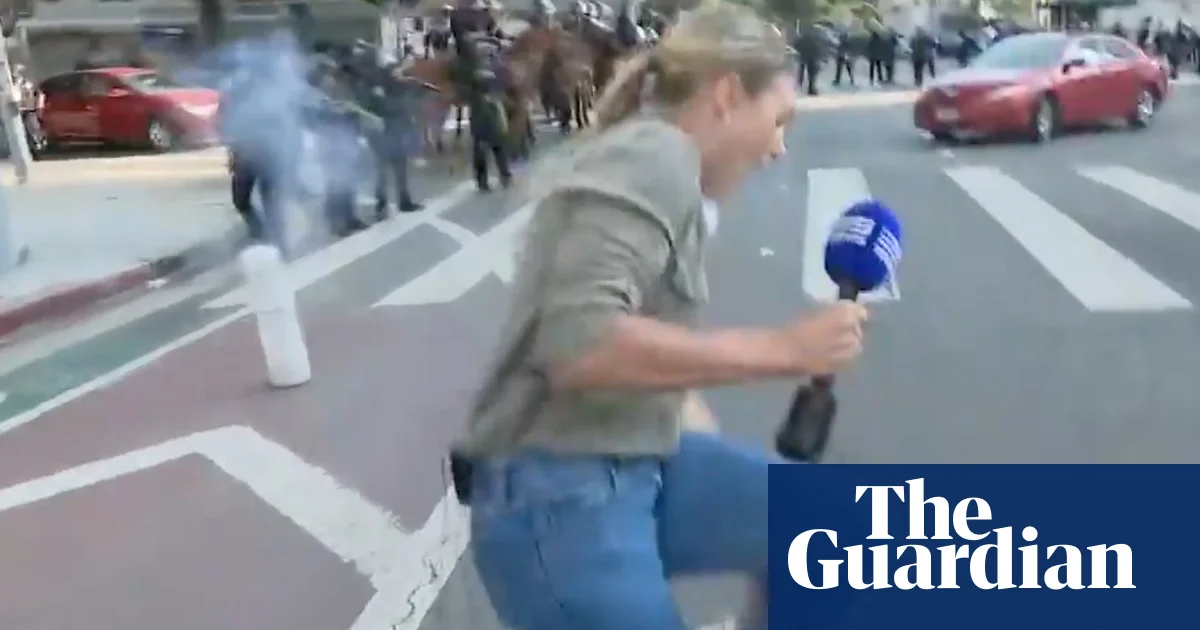
An Australian journalist was shot with a rubber bullet while covering anti-ice protests in Los Angeles, prompting calls from Australian officials for explanations and highlighting concerns over press safety during protests.
The Justice Department's internal watchdog found no political motivation in the Trump-era subpoenas of communication records from congressional staffers and reporters during leak investigations. The report revealed that 43 staffers, nearly evenly split between Democrats and Republicans, were targeted, raising concerns about the potential chilling effect on congressional oversight and media freedom. The subpoenas, issued without notifying the individuals, were part of efforts to trace leaks related to the 2016 Trump campaign and Russia. The Justice Department has since revised its policies under the Biden administration to limit such actions.
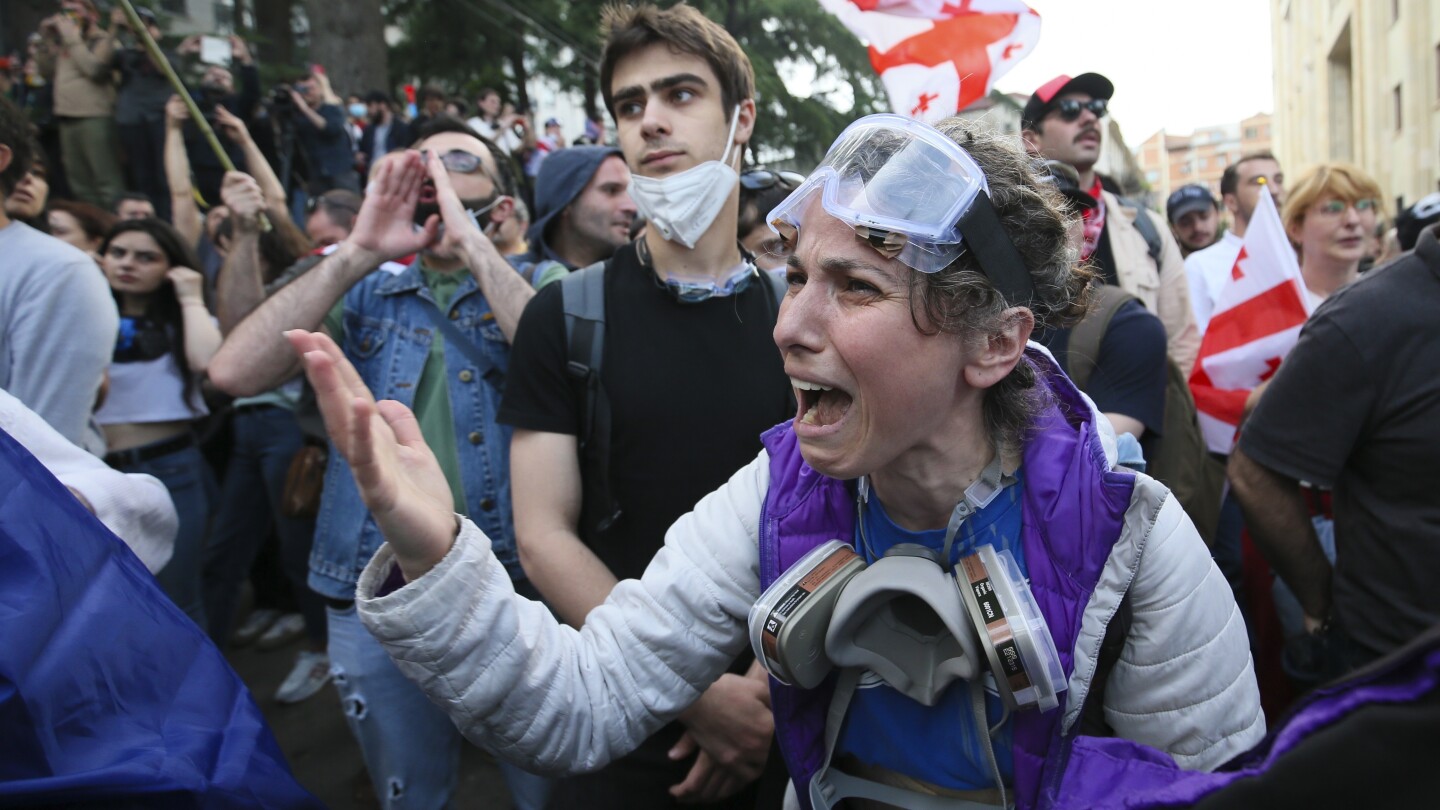
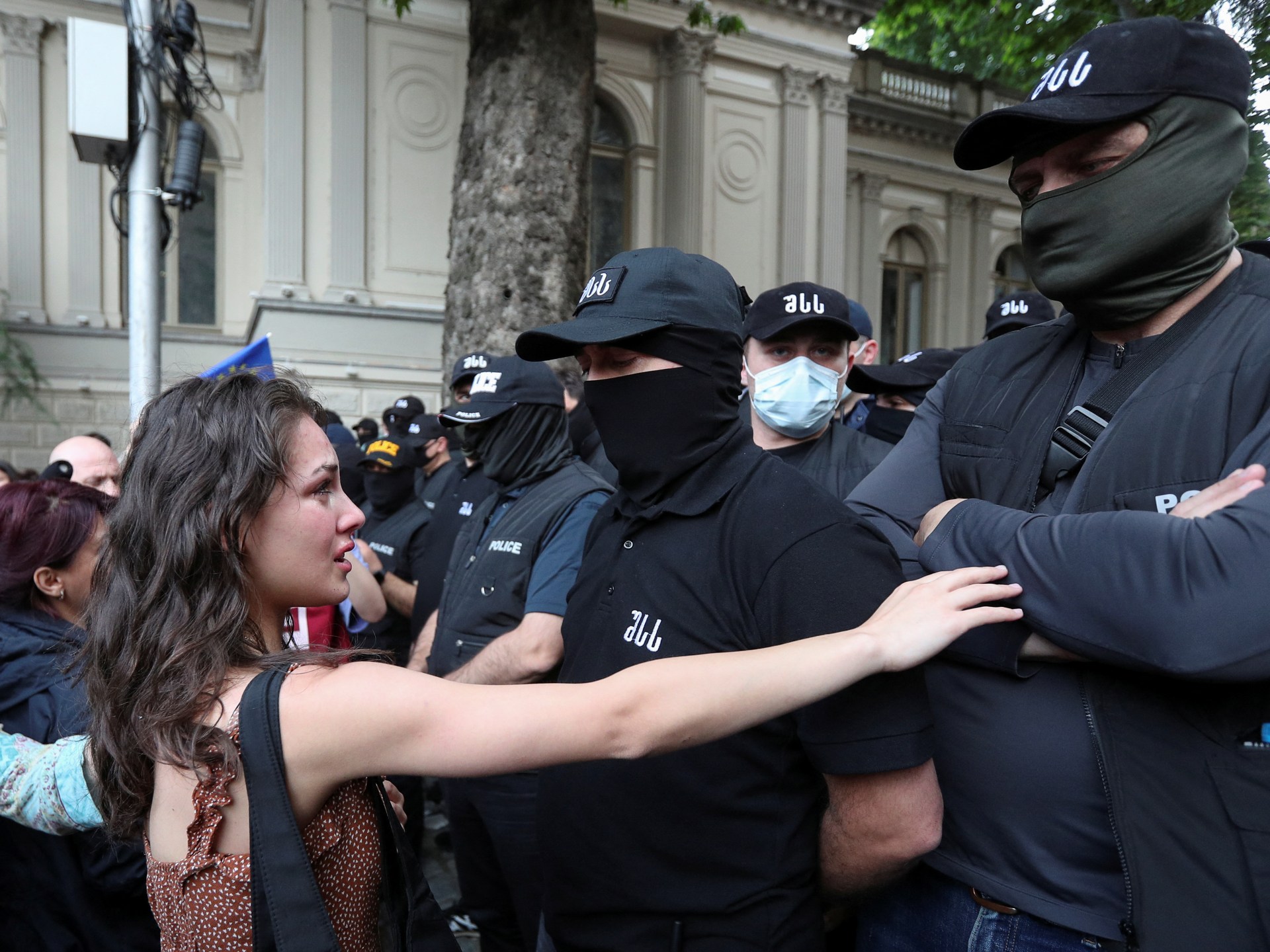
The speaker of Georgia's parliament signed into law a controversial bill requiring media and NGOs receiving over 20% of their funding from abroad to register as foreign agents, despite protests and a presidential veto. Critics argue the law curbs media freedom and hinders Georgia's EU aspirations, likening it to Russian measures against independent media. The government claims it aims to prevent foreign interference. The EU and U.S. have expressed concerns, with the U.S. imposing travel sanctions on officials undermining democracy.
Georgia's parliament speaker has signed a controversial "foreign agents" bill into law, overriding a presidential veto and sparking weeks of protests. Critics argue the law, which mandates media and NGOs receiving over 20% of their funding from abroad to register as foreign agents, will stifle media freedom and hinder Georgia's EU membership aspirations. The government claims the law is necessary to prevent foreign interference, but opponents liken it to Russian measures against independent media and nonprofits. The EU and U.S. have expressed concerns, with the EU stating the law negatively impacts Georgia's EU membership progress.
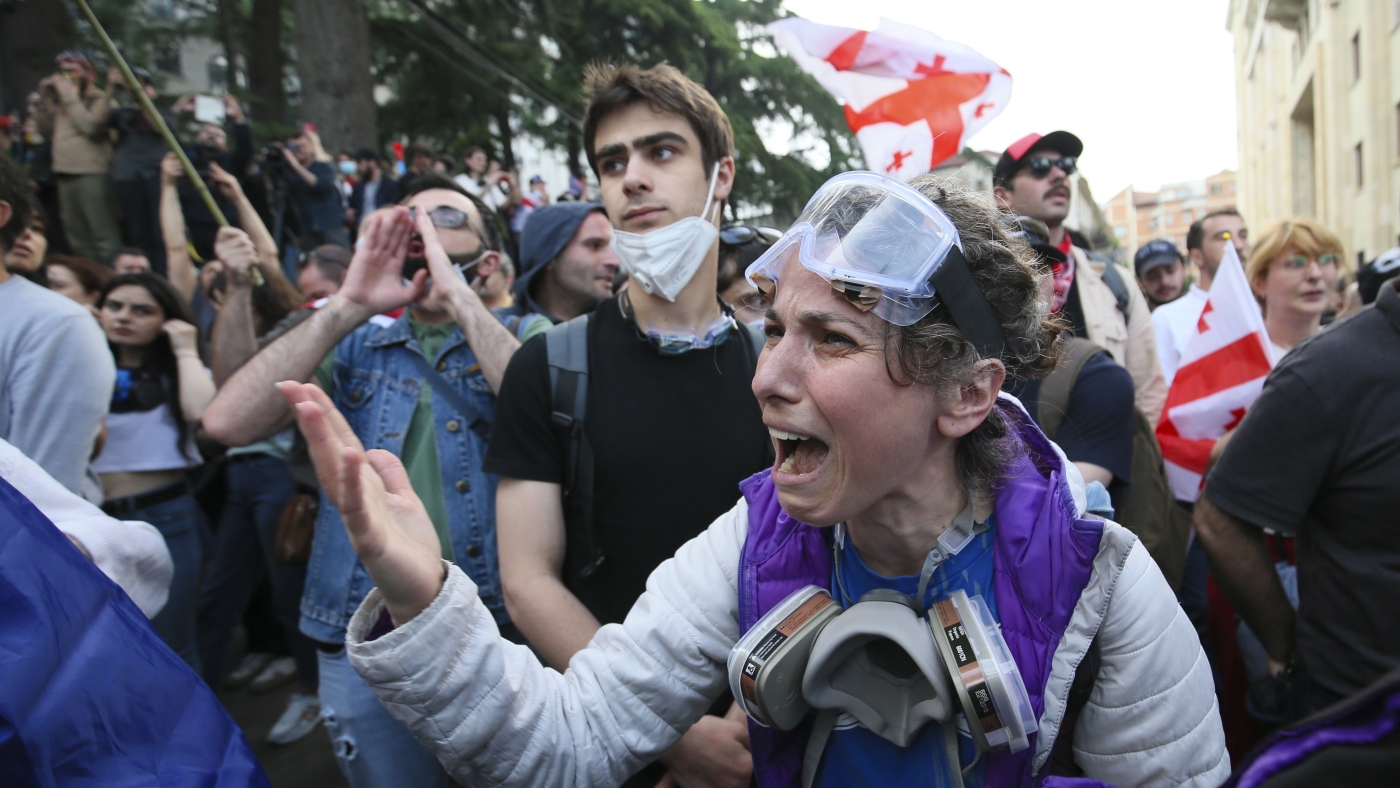
Georgia's parliament has overridden President Salome Zourabichvili's veto of a controversial "foreign agents" bill, which critics argue will restrict media freedom and hinder Georgia's EU membership prospects. The bill mandates that media and NGOs receiving over 20% of their funding from abroad register as foreign agents. The veto was rejected by an 84-4 vote, sparking renewed protests and international criticism, including from the EU and US. Opponents liken the bill to Russian legislation aimed at stifling dissent and fear it will push Georgia closer to Russia's influence.
The Georgian parliament has overridden President Salome Zourabichvili's veto of a controversial "foreign agents" bill, which mandates that media and NGOs receiving over 20% of their funding from abroad register as foreign agents. The bill has sparked massive protests, with critics arguing it will stifle media freedom and hinder Georgia's EU membership aspirations. The ruling Georgian Dream party insists the law will enhance transparency and sovereignty, but opponents liken it to Russian measures against independent media and fear it will push Georgia closer to Russia's influence.
A Georgian parliament committee has rejected President Salome Zourabichvili's veto of the controversial "foreign agents" law, which critics argue will restrict media freedom and hinder Georgia's EU integration. The law mandates that media and NGOs receiving over 20% of their funding from abroad register as foreign agents. The ruling Georgian Dream party supports the bill, claiming it will protect national stability. The full legislature may vote to override the veto, amid ongoing protests and international criticism.