The U.S. Treasury market experienced a selloff driven by increased bond issuance in September, rising yields nearing 5%, and global government bond declines, amid investor uncertainty and a competitive environment for yield across various fixed-income segments.
Japan is considering buying back some of its long-term government bonds to control rising yields, alongside plans to reduce new issuance of super-long bonds, as part of efforts to stabilize the bond market amid increasing yields and market volatility. The decision will follow meetings with market participants and requires government approval, with the Bank of Japan also contemplating adjustments to its bond tapering policy.
UBS warns that the US government may need to implement widespread financial repression, such as reforming bank leverage ratios, to manage its $36.2 trillion debt without risking default, potentially using temporary measures to support fiscal consolidation.
Investors are turning to safe-haven assets like government bonds, the Japanese yen, and gold amid rising US-Russia tensions over Ukraine. The 10-year US Treasury yield fell to a three-week low, while the yen and gold prices rose. European shares and US stock futures declined, reflecting market concerns over Russia's updated nuclear doctrine and Ukraine's missile attack inside Russia. The Swiss franc and the dollar also saw gains as part of the safe-haven trade.
The Bank of Japan is reportedly considering scrapping its yield curve control program and instead indicating the amount of government bonds it plans to purchase, aiming to normalize monetary policy. The new framework would target the volume of purchases rather than the yield, with a decision expected at the next policy meeting on March 19. These potential changes have impacted the USD/JPY exchange rate in recent months.
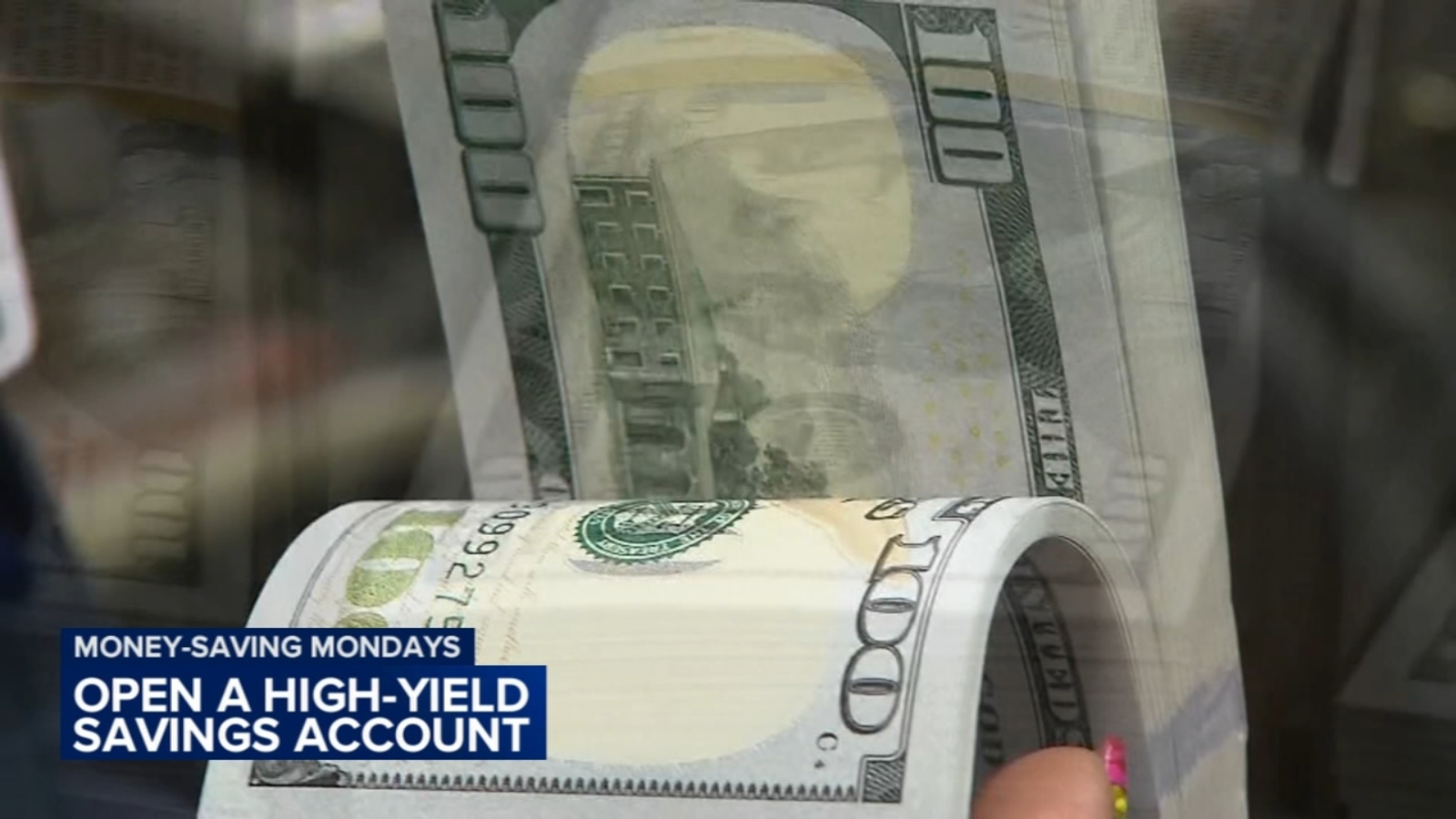
Co-founder and CEO of Wealth Management Group Craig Bolanos shared insights on the best money-making practices for "America saves week," highlighting high-yield savings accounts, CDs, money market accounts, and government bonds as effective ways to grow savings and reach financial goals. This advice emphasizes the potential benefits of utilizing these investment options for long-term financial planning and retirement savings.
Argentina has successfully auctioned $3.7 billion worth of peso-denominated debt, as the government seeks to bolster its finances amid an economic crisis exacerbated by the COVID-19 pandemic. The auction attracted strong demand from investors, with bids totaling more than double the amount on offer. The proceeds from the debt sale will help Argentina meet its financing needs and stabilize its currency.
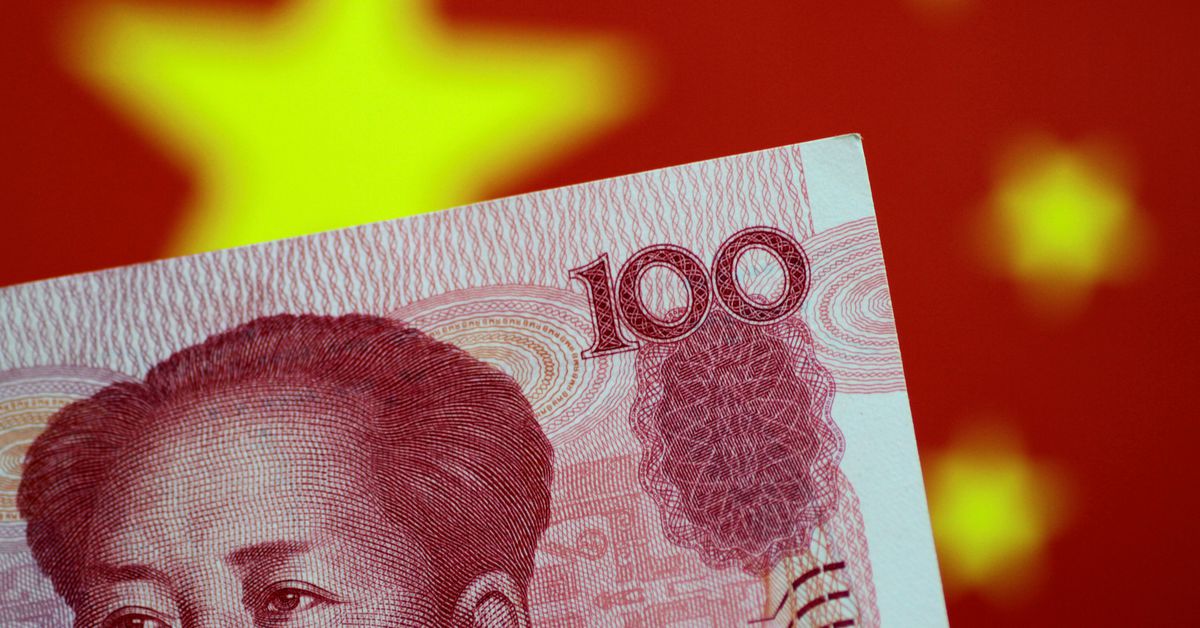
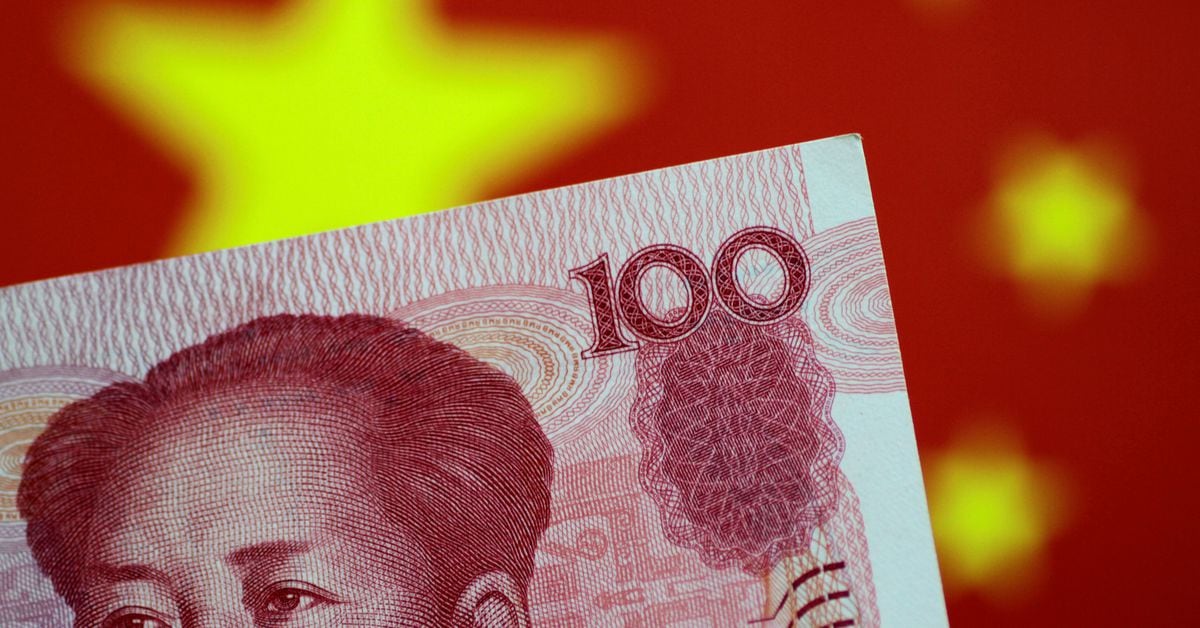
Chinese financial regulators are investigating a liquidity crunch at the end of October that caused short-term money rates to surge to as high as 50%. The China Foreign Exchange Trade System (CFETS) has asked institutions to explain why they borrowed at such high rates. The surge in rates was attributed to a month-end scramble for cash and a flood of government bond sales, which created unusual liquidity stress. Some analysts believe that authorities may have wanted to keep yuan liquidity tight to prevent the currency from sliding against the US dollar.
Overnight borrowing costs for some Chinese financial institutions surged to as high as 50% due to a squeeze in liquidity and stressed money markets. The cash shortage was attributed to a flood of upcoming government bond issuance and market fears of default by cash-strapped institutions. The jump in rates raised concerns and reminded traders of a similar cash crunch in 2013. Analysts expect authorities to implement monetary easing measures to address the tight liquidity situation.
The recent jobs report, which showed a higher-than-expected increase in employment, has added to the jitteriness of the stock market and the soaring yields in the government bond market. The rise in bond yields, particularly the 10-year Treasury bond, has negatively impacted stock investors and contributed to the S&P 500 index's fifth consecutive weekly decline. The sensitivity among investors reflects concerns about the economy running too hot or the possibility of a sharp downturn leading to a recession. The rising interest rates, influenced by strong economic data and concerns about inflation, have disrupted the market's assumptions and led to a sell-off. The uncertainty is further compounded by congressional turmoil and the government's financial challenges.
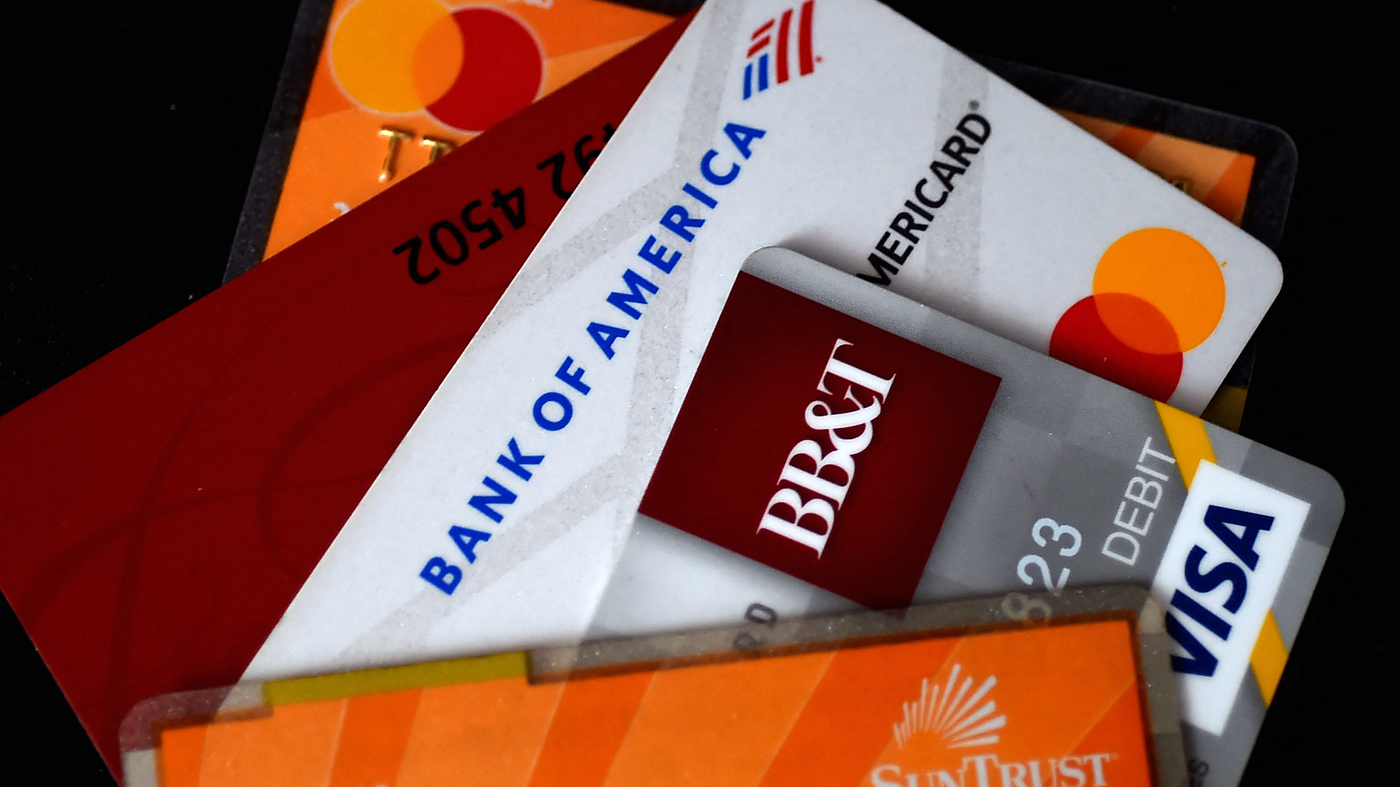
The sell-off in bond markets, which has resulted in high bond yields, is impacting borrowing costs such as interest rate payments for credit cards, mortgages, and auto loans. This could lead to a broader economic slowdown, as businesses face higher debt servicing costs and may shy away from hiring and investments. The U.S. government will also have to pay higher interest rates on its bonds, widening the country's budget deficit. Additionally, the decline in bond prices is causing difficulties for banks, as their bond holdings decline in value and they have to pay more interest to depositors.
U.S. stock indexes closed lower as Moody's lowered credit ratings for several banks, renewing concerns about the health of the banking system. Regional bank shares, including KeyCorp and Comerica, performed poorly, dragging down financial stocks in the S&P 500. Bank of America, JPMorgan Chase, and Citigroup also declined. Chinese data showing a significant drop in exports and United Parcel Service lowering its financial outlook added to the cautious sentiment. Government bond prices climbed, pushing yields down, while Eli Lilly's strong earnings boosted the S&P 500. International Flavors & Fragrances, however, saw a significant drop in sales forecast, leading to a decline in its shares. Chinese and European indexes also closed lower.
UK short-term borrowing costs have risen above levels last seen following the "mini-budget" crisis after labor market data showed rising wage growth. The yield on two-year gilts hit 4.754%, the highest level since late Aug. 2008, as annual average wage growth accelerated from 6.6% to 7.2% in the February-April quarter, beating economist expectations.
The cost of insuring exposure to US government debt rose to fresh highs on Wednesday, as President Joe Biden and top lawmakers remained deadlocked in talks over raising the $31.4tn federal borrowing limit. The cost of insuring US debt against default for five years stood at 73 basis points, touching the highest level since 2009. A protracted legislative fight around the US debt ceiling could lure panicky buyers of insurance against a government default in coming weeks, as Treasury Secretary Janet Yellen said the government may be unable to meet all payment obligations as soon as June 1.
Government-bond yields remained steady after the Federal Reserve's decision to raise interest rates by 0.25 percentage points, which many traders believe will be the last rate hike for the foreseeable future. The benchmark 10-year Treasury yield was around 3.384%, compared with 3.438% on Tuesday.