A fitness trainer emphasizes the importance of building and maintaining muscle mass as a natural and effective way to regulate blood sugar and prevent or manage diabetes, especially in India where the disease is prevalent. Muscle tissue can absorb glucose even without insulin, making strength training and a protein-rich diet crucial components in combating diabetes. The article highlights the need for increased physical activity and balanced nutrition to address the rising diabetes epidemic.
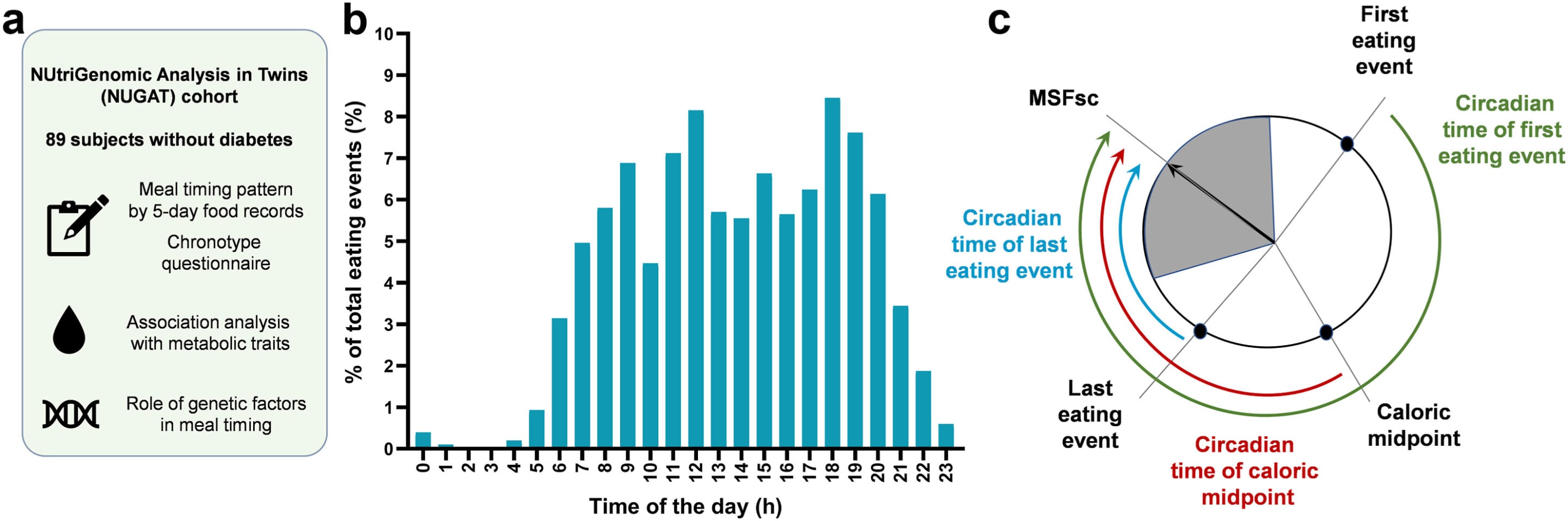
A study published in eBioMedicine found that late eating is linked to impaired glucose metabolism, influenced by both circadian timing and genetic factors, which may increase the risk of diabetes and metabolic disorders.
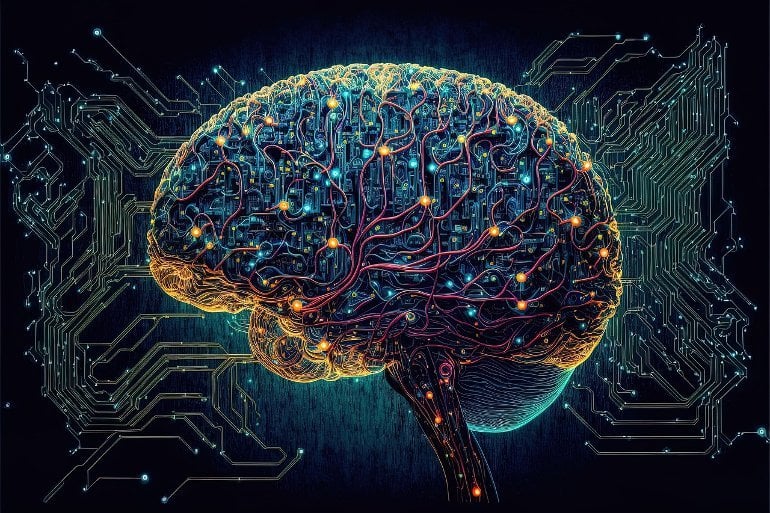
Researchers from the Human Brain Project have identified the origin of characteristic brain waves associated with disorders of consciousness (DoC) by coupling measurements of brain waves with glucose usage in specific brain areas. The study reveals the role of subcortical areas in driving cortical activity associated with consciousness and highlights the importance of understanding the electro-metabolism of the brain for better diagnosis and treatment of DoC.
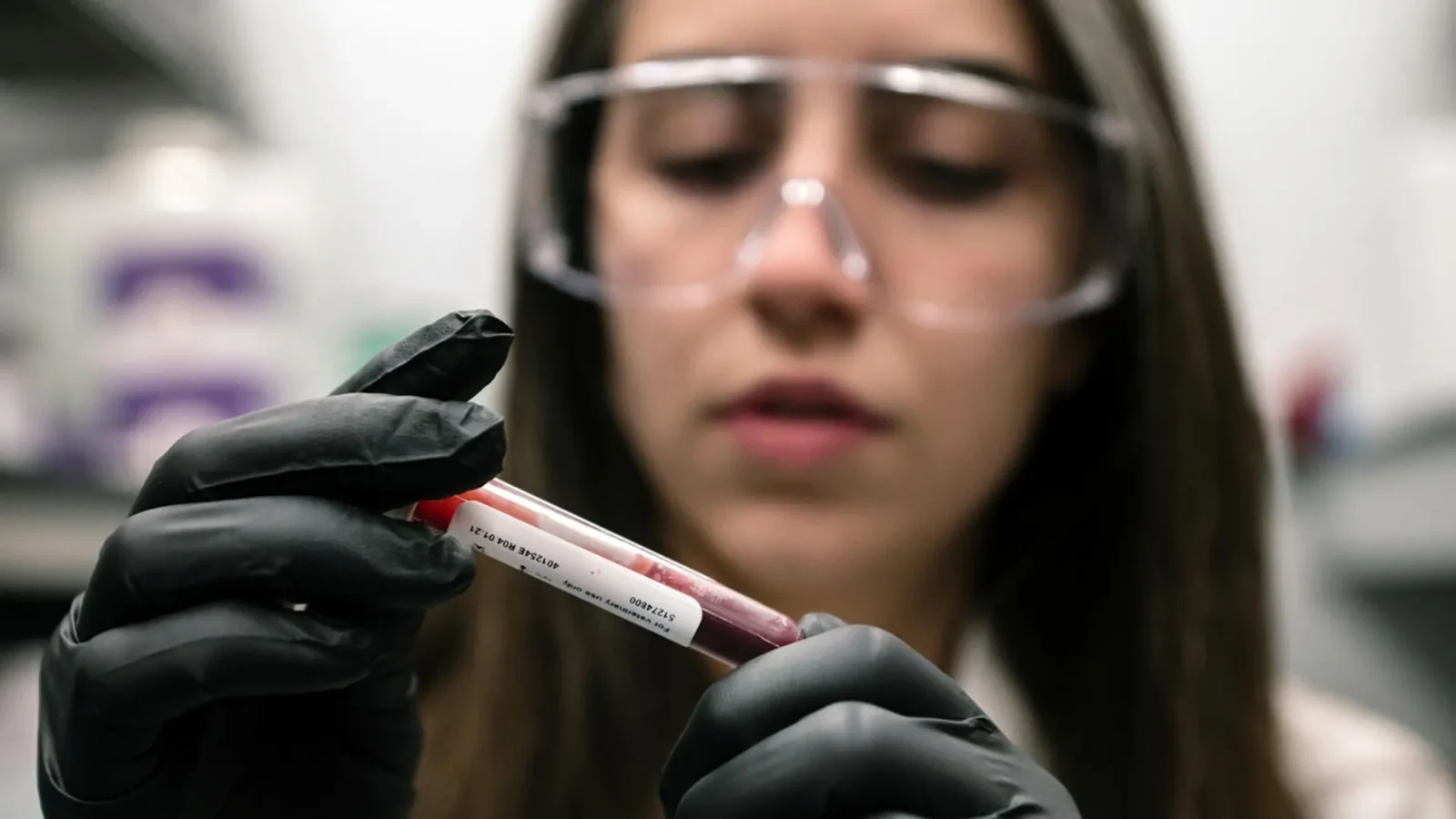
Scientists at Klick Labs have developed a new analytical method that can detect impaired glucose homeostasis (IGH), a precursor to prediabetes, by analyzing data from continuous glucose monitors. This technique identified 20% of initially healthy study participants as having glucose metabolism similar to prediabetes, potentially revolutionizing early detection and management of diabetes. The findings highlight the importance of early intervention to prevent progression to full diabetes and could have a significant impact on the lives of millions worldwide.
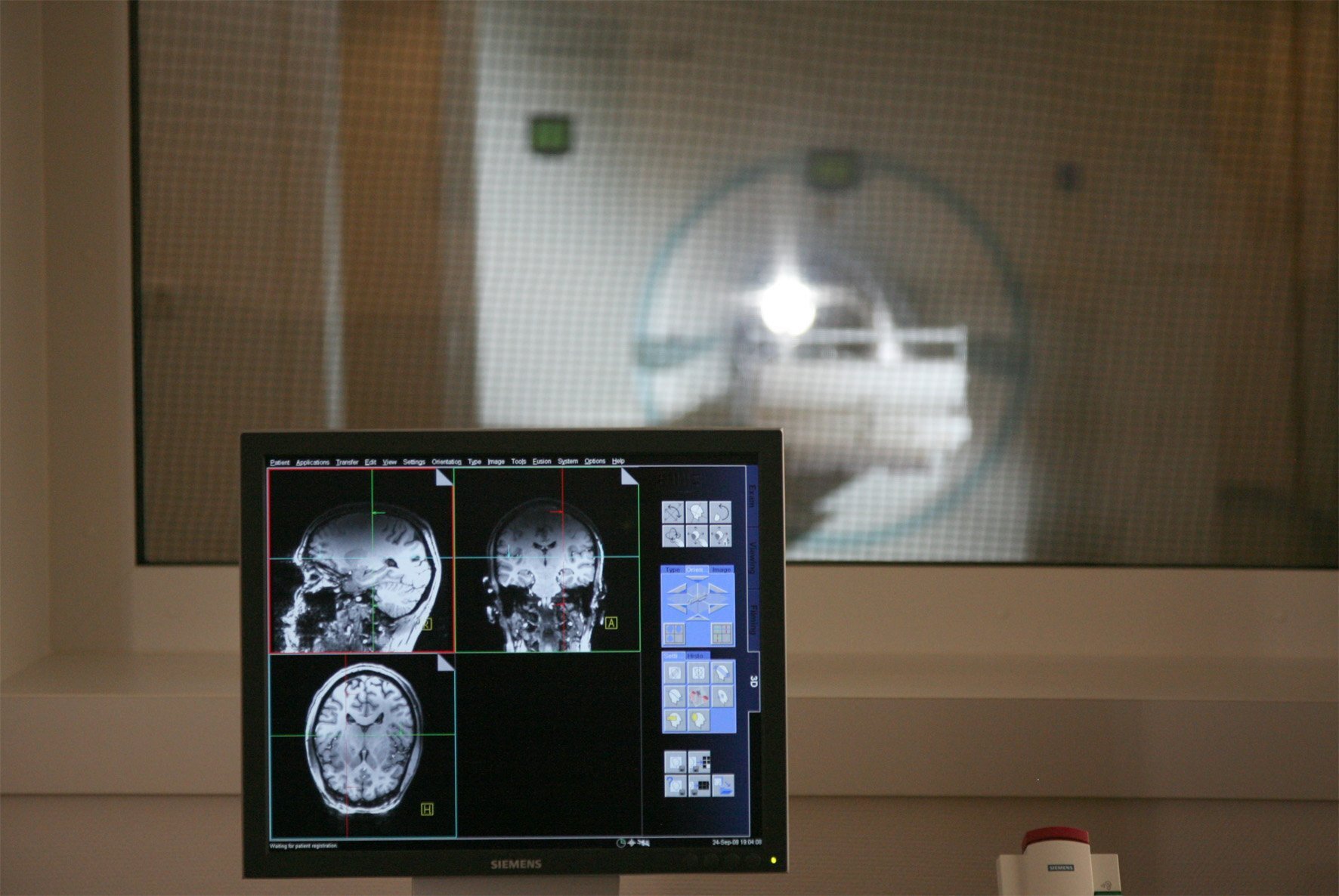
Researchers at the Medical University of Vienna have developed a new magnetic resonance imaging (MRI) approach that can map brain glucose metabolism without the need for radioactive substances. The procedure uses a harmless glucose solution and generates reliable results that can be used with all common MRI scanners. The study has enhanced current diagnostic procedures for mapping brain glucose metabolism and has a broad range of potential applications in the diagnosis of metabolic disorders. Further studies are needed to confirm the results before the new method can be deployed for the benefit of patients.
Researchers have found that neurons metabolize glucose themselves and that glucose metabolism is crucial for proper neuronal function. The study used induced pluripotent stem cells (iPSC’s) to generate human neurons and engineered neurons in mice to lack key proteins for glucose import and metabolism. The researchers found that neurons use other energy sources, such as a related sugar molecule, galactose, which was less efficient than glucose as an energy source for the neurons. Understanding how glucose is metabolized for energy in the brain could pave the way for new treatments for conditions linked to glucose uptake, such as Alzheimer’s disease (AD) and Parkinson’s disease (PD).
Researchers at Gladstone Institutes and University of California, San Francisco have discovered that neurons are capable of taking up glucose and processing it into smaller metabolites, which could lead to a better understanding of neurodegenerative diseases like Alzheimer’s and Parkinson’s. The findings could contribute to the development of new therapeutic approaches and help understand how to maintain brain health as it ages. The study also showed that neurons rely on glycolysis for normal functioning and use other energy sources, such as galactose, when glucose is not available.
Neurons in the brain directly metabolize glucose through glycolysis to function normally, contrary to previous beliefs that glial cells metabolized the sugar and indirectly fuel neurons. The findings could provide insights into the development of new therapeutic approaches for neurodegenerative diseases like Alzheimer’s and Parkinson’s, where the brain’s uptake of glucose decreases in the early stages of the diseases. The study also showed that neurons rely on glycolysis for normal functioning and that they use other energy sources, such as galactose, when glucose is not available, but it is not as efficient.